Automobile Industry
Automotive Laser Manufacturing



 August 20, 2025
 1150 Viewed
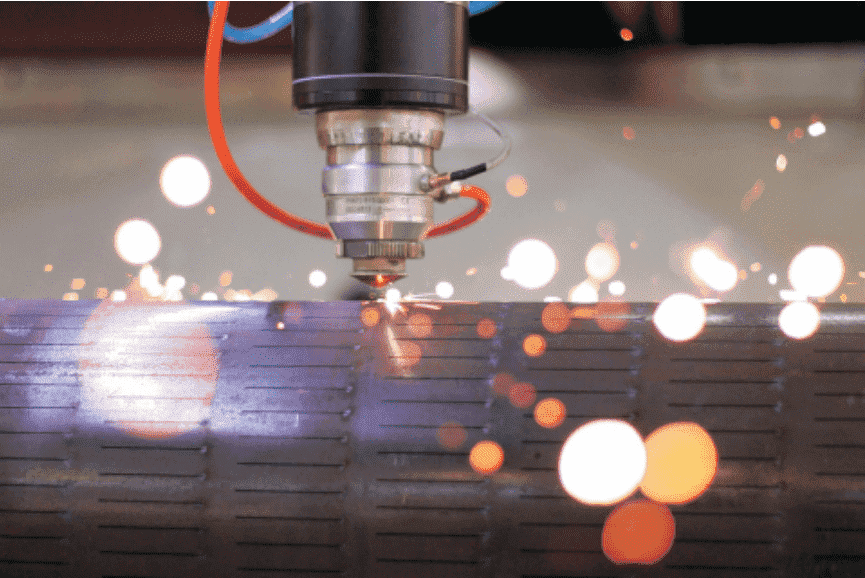
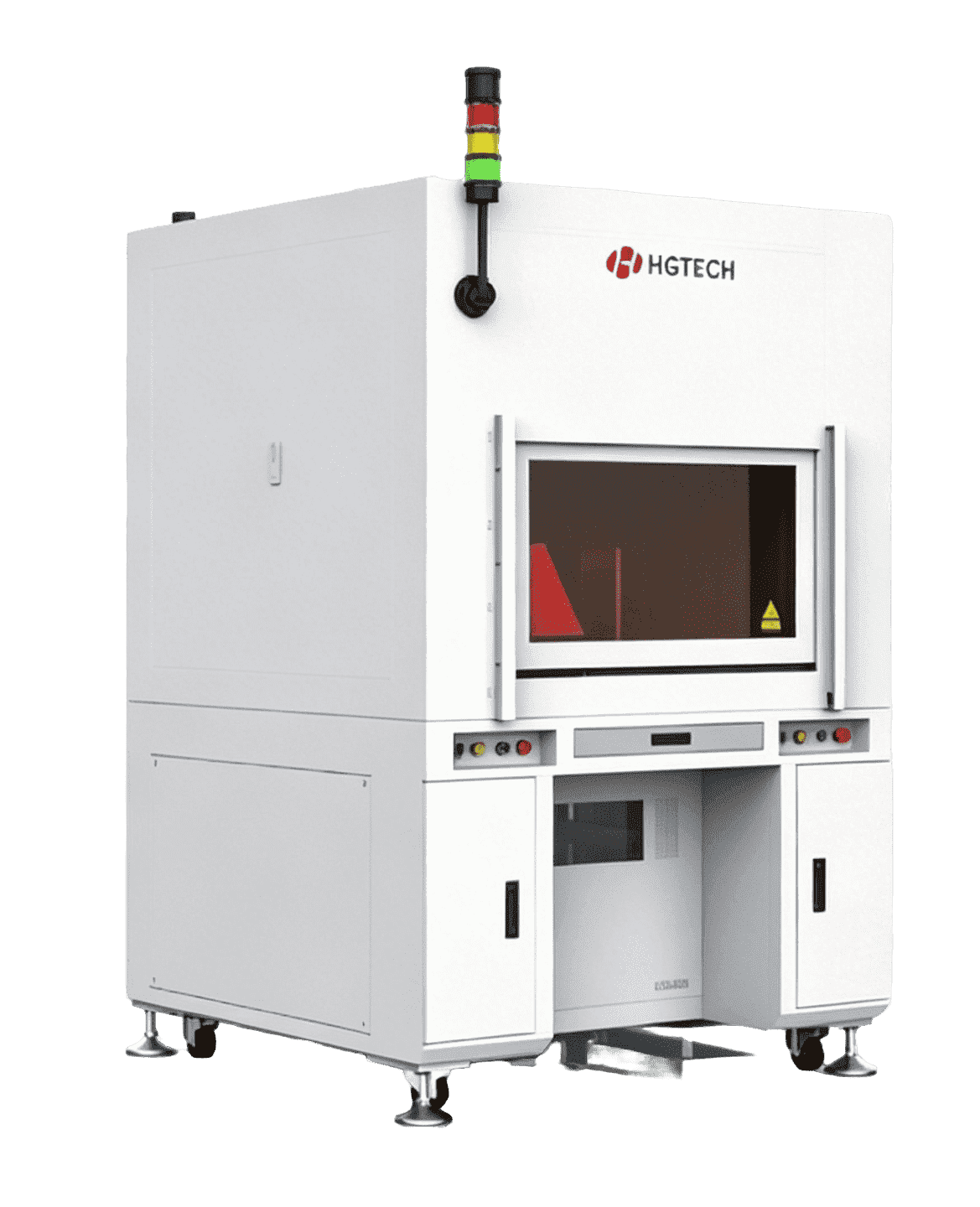
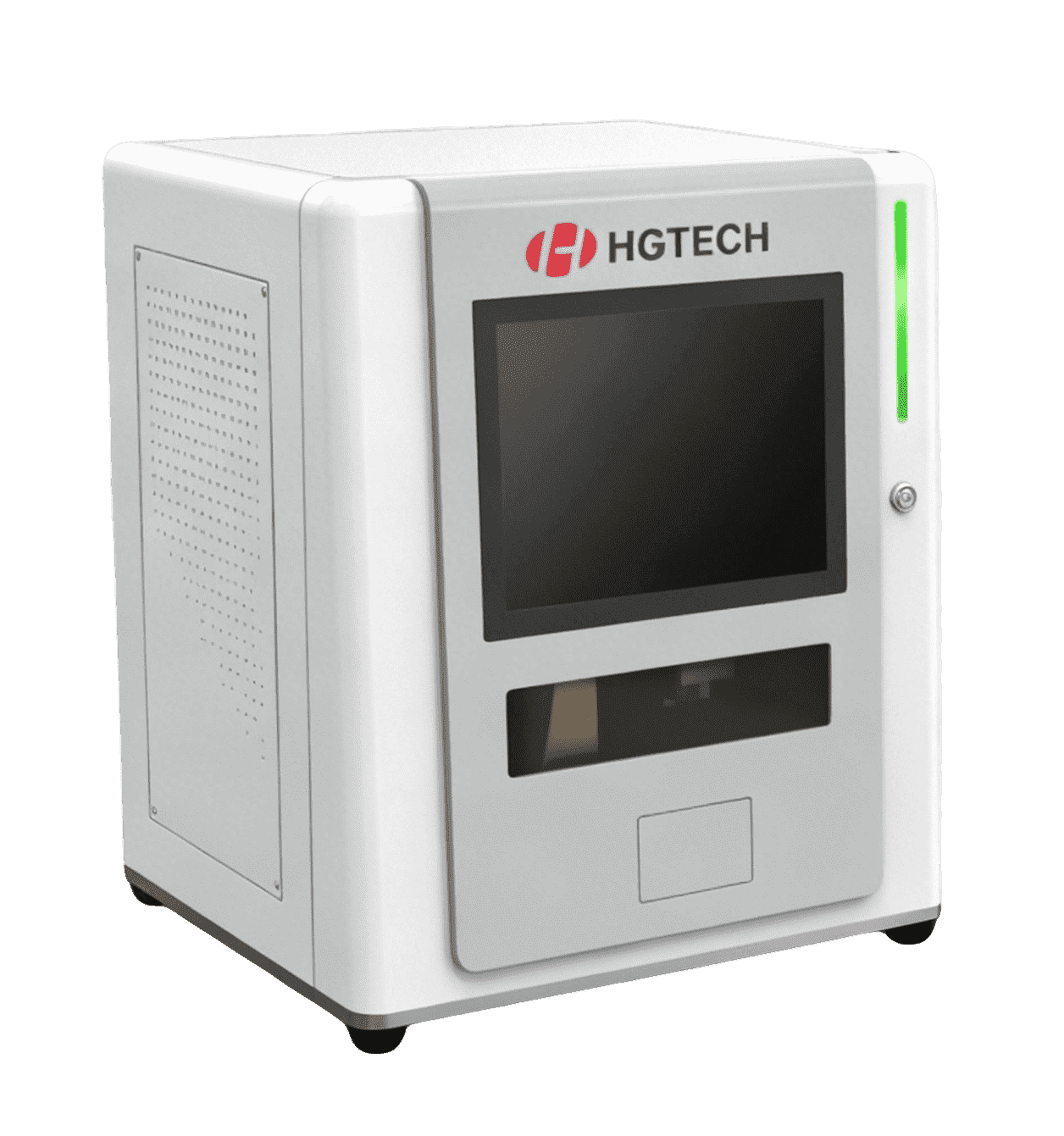
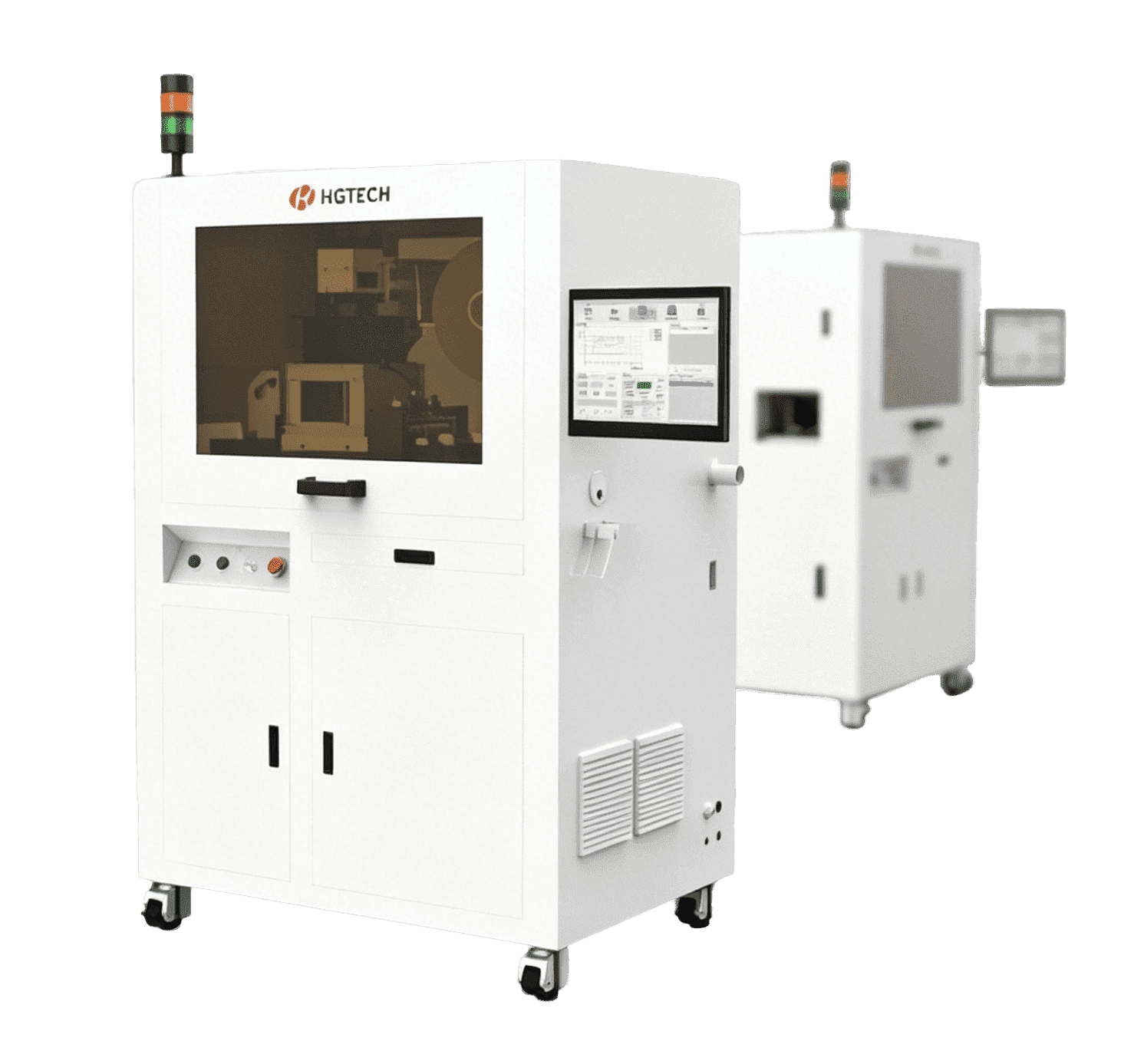
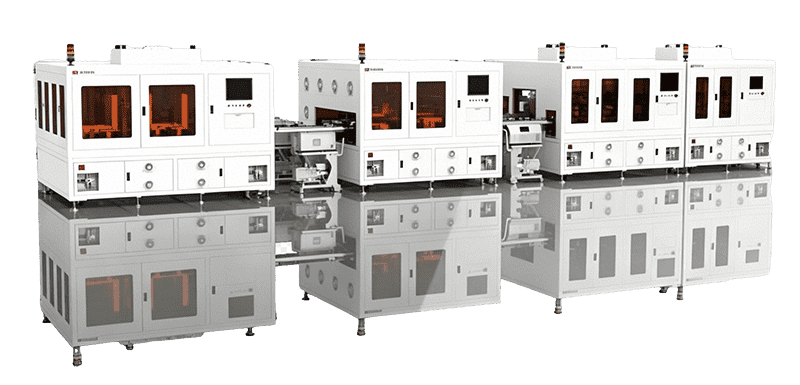
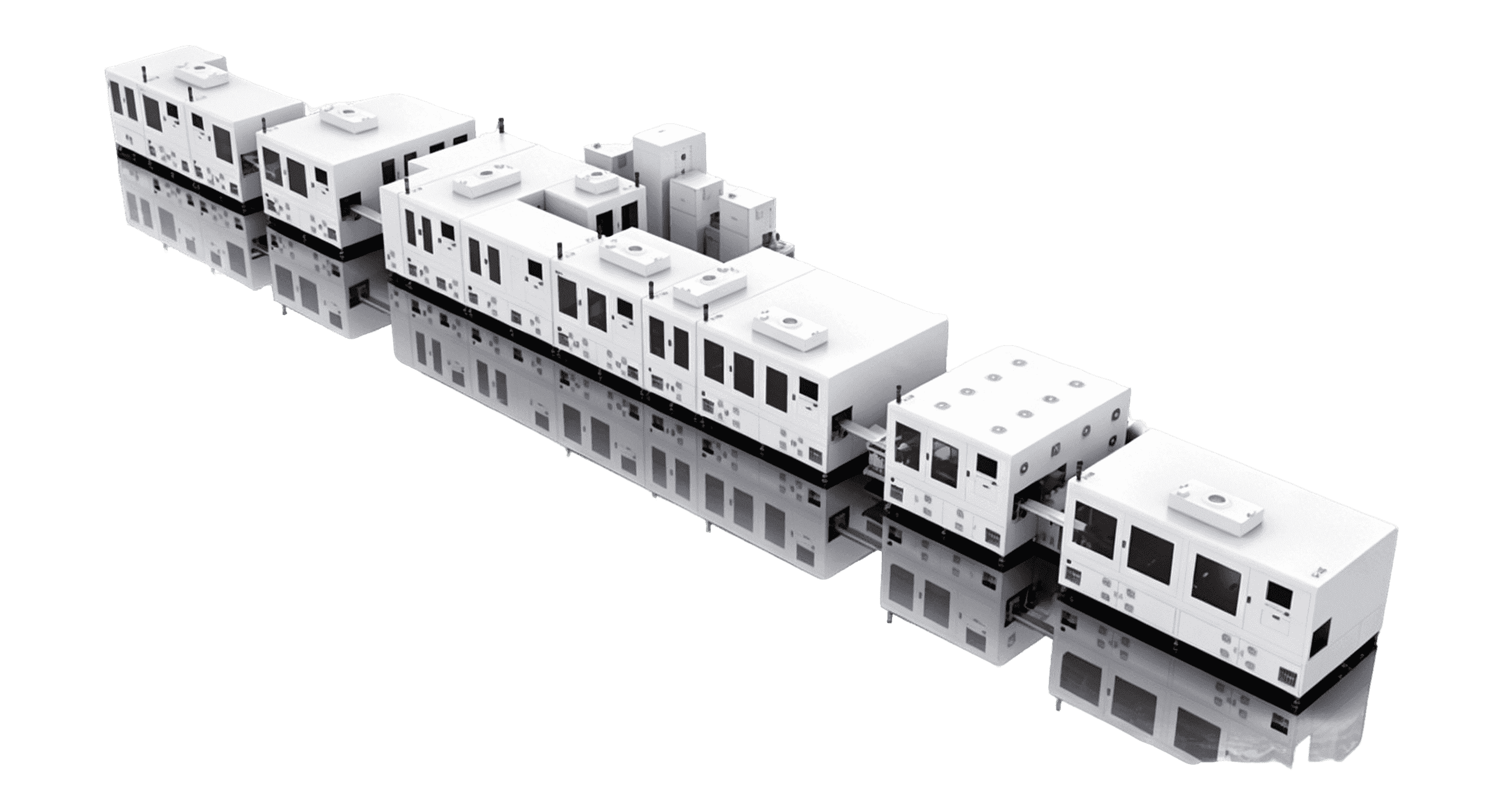
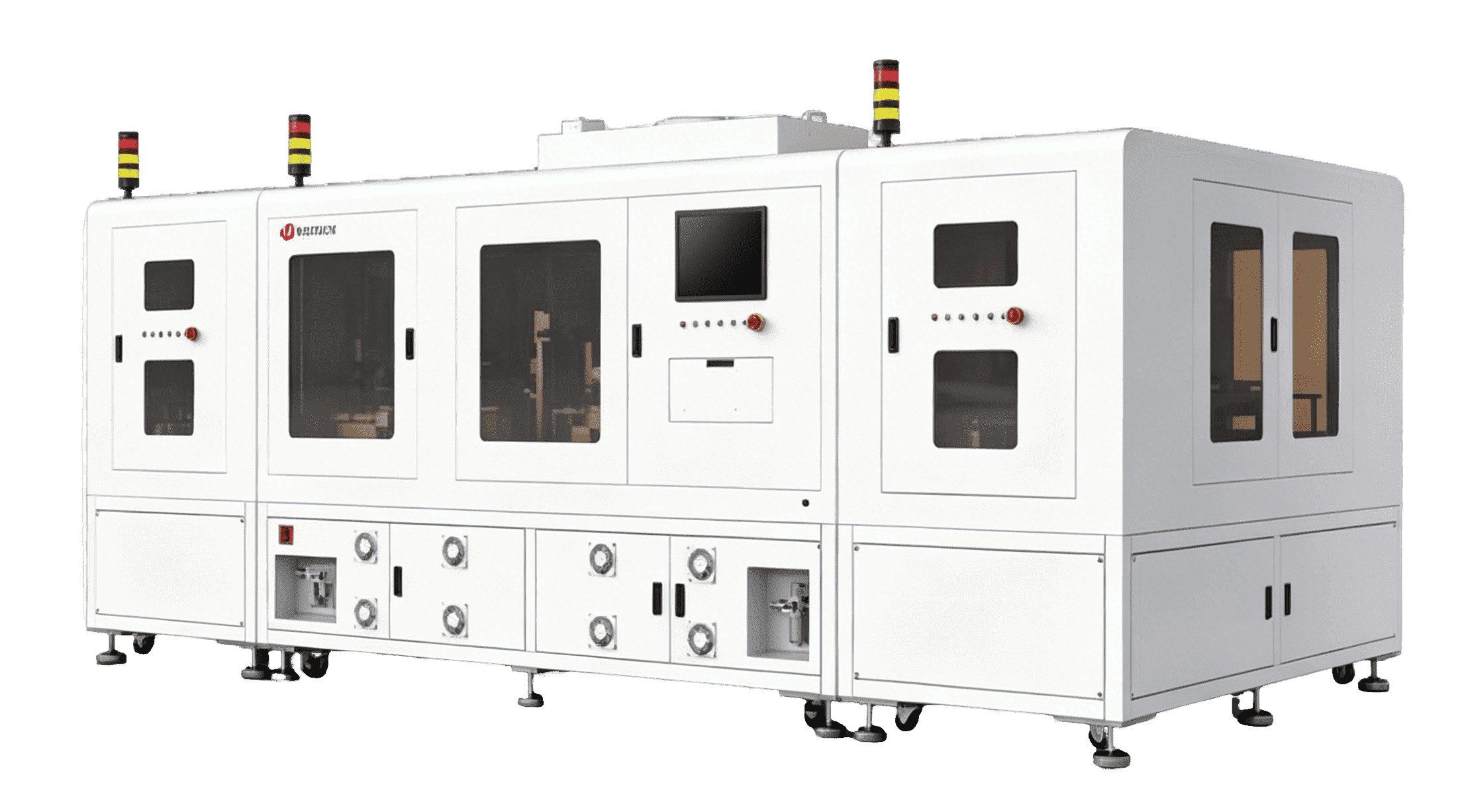
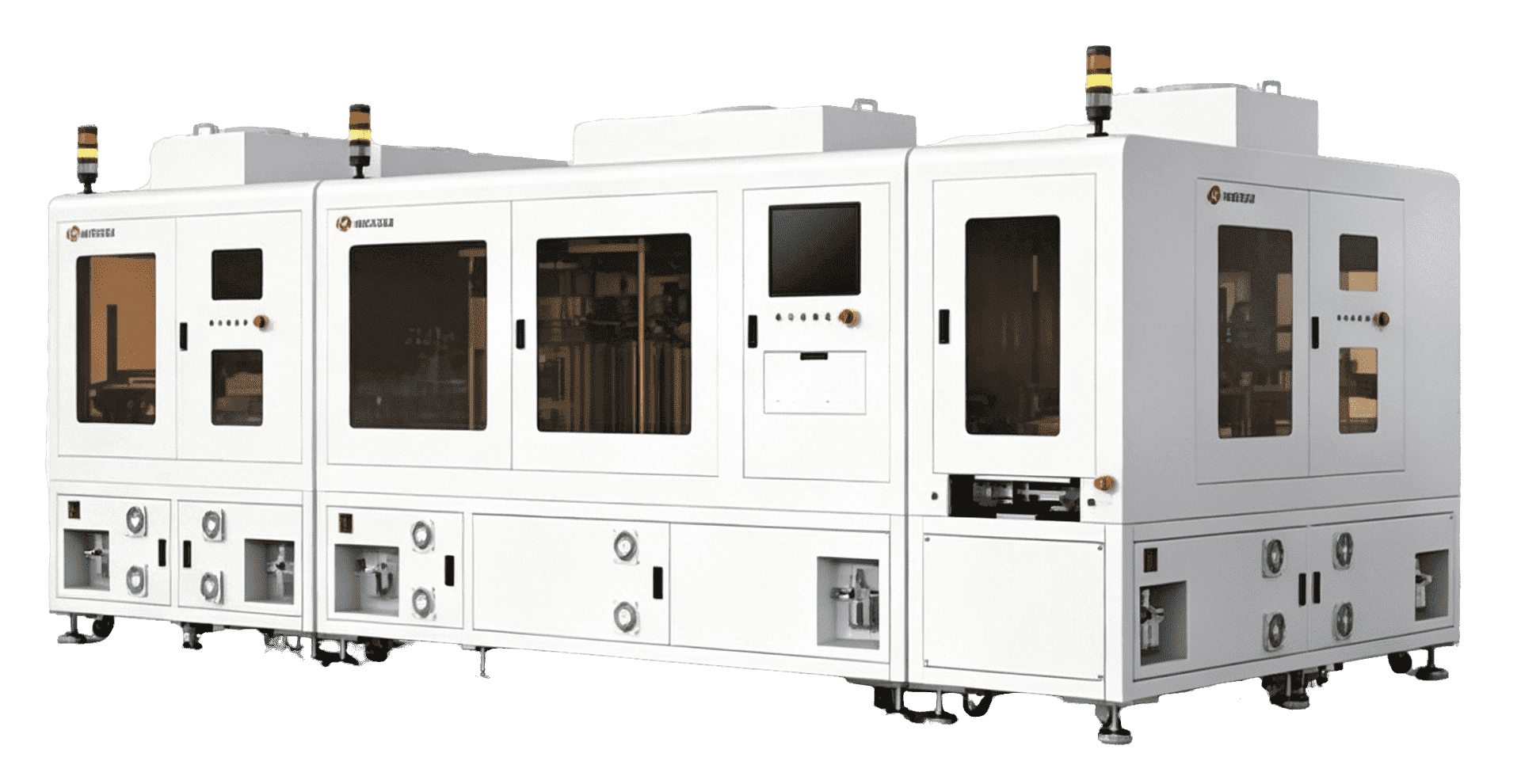
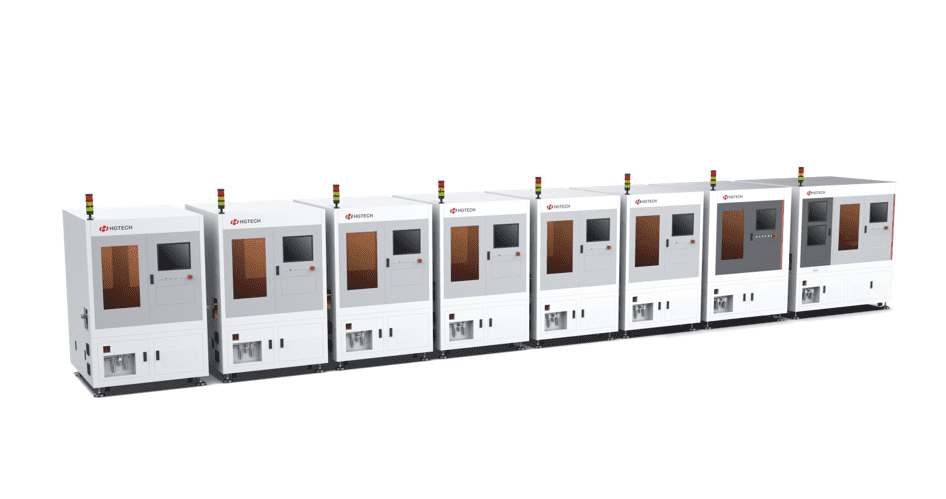
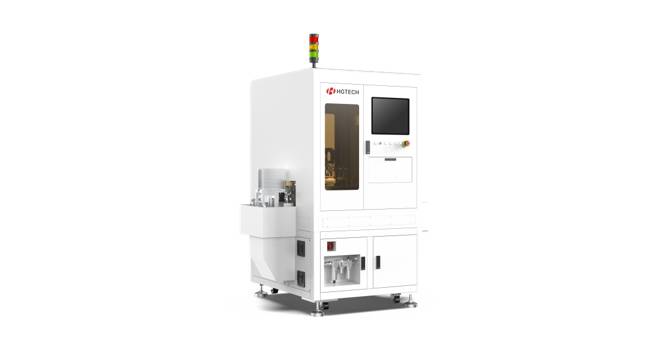
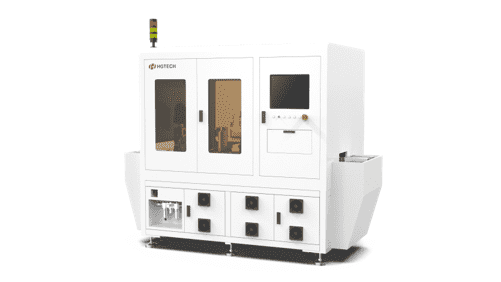
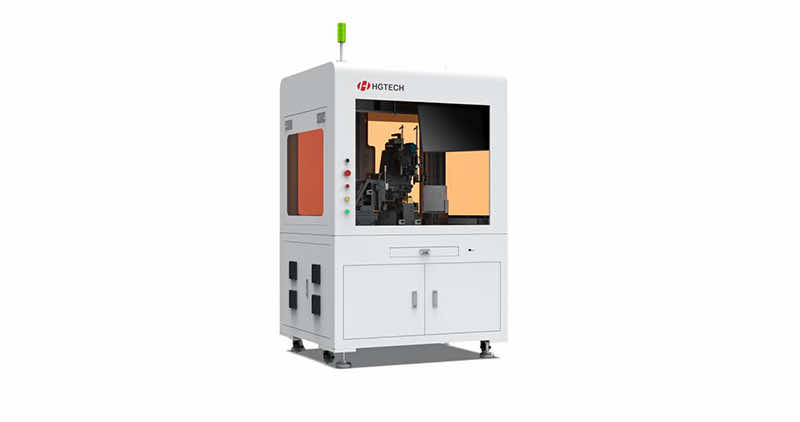
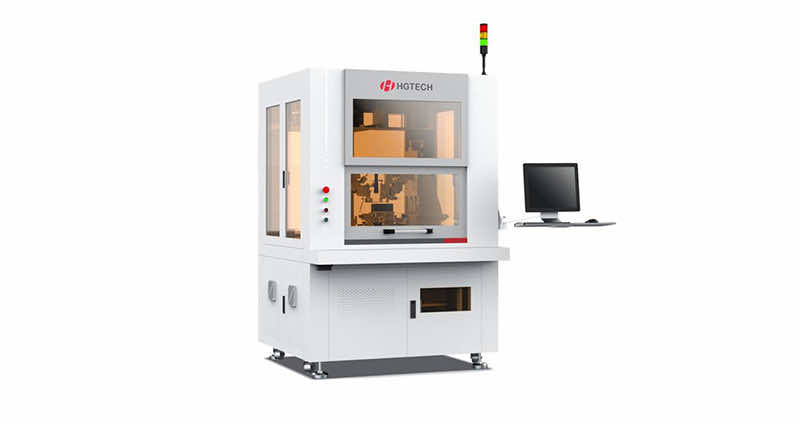
Metal microtube laser cutting is revolutionizing fine metal processing in fields such as medical devices, precision instruments, and microelectronics. This technology uses a high-energy laser beam to cut and pattern metal tubes less than a millimeter in diameter with exceptional accuracy, creating complex structures and fine features impossible for traditional mechanical methods. For example, laser cutting can produce precise mesh patterns inside tiny tubes or drill micro-holes in walls only tens of microns thick—tasks once nearly unattainable.
A key advantage of laser cutting is its non-contact nature. Unlike mechanical cutting, which risks deforming delicate microtubes or creating burrs, lasers precisely remove material with minimal stress by controlling energy input. This makes them ideal for thin-walled tubes made from precious metals or special alloys that are easily deformed. Medical stents—often made from stainless steel or nickel-titanium tubes 2–3 mm in diameter—rely on laser cutting to form complex mesh structures that ensure both strength and biocompatibility.
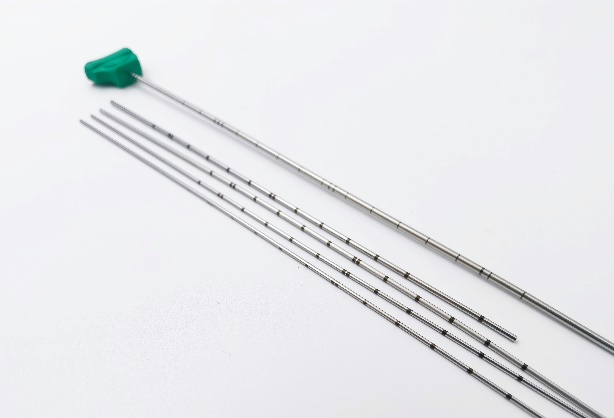
The core of this technology lies in controlling the interaction between laser light and metal. Focused laser beams rapidly heat local areas to melt or vaporize material, removing it precisely. Pulsed lasers, especially ultrafast femtosecond lasers, allow for highly controlled heat input, minimizing thermal damage by removing material before heat can spread. This "cold processing" is crucial when cutting heat-sensitive materials like shape memory alloys.
Microtube laser cutting faces unique challenges. Tiny tube sizes require specialized fixtures such as air flotation or vacuum suction to hold tubes securely without damage. Molten debris can redeposit inside the tubes, degrading quality; this is managed by auxiliary gas blow-off and protective linings. Complex 3D patterns—like spiral or wave shapes for vascular stents—demand precise multi-axis control to maintain optimal laser focus along curved surfaces.
Material properties strongly affect cutting results. Metals differ in how well they absorb laser wavelengths—for example, copper requires green or UV lasers instead of common infrared lasers. Uniform wall thickness is essential, as micron-level variations can cause inconsistent cuts. To address this, specialized metal microtubes with high dimensional accuracy and uniformity are developed through advanced smelting and drawing processes.
Quality control uses high-magnification optical and electron microscopy to ensure burr-free, slag-free cuts with minimal heat-affected zones. Real-time monitoring systems analyze plasma emissions during cutting to adjust parameters instantly, ensuring consistent quality.
This technology unlocks new possibilities. In medicine, it enables manufacturing of intricate neurovascular devices, implantable drug delivery systems, and micro surgical tools that traditional methods cannot achieve. Industrially, it improves fuel injector nozzles for better atomization, optimizes micro heat exchangers, and produces precise fiber optic components.
Looking forward, metal microtube laser cutting will integrate with additive manufacturing and micro/nano-fabrication techniques to create even more complex structures at smaller scales. Intelligent algorithms will allow self-adaptive cutting processes that compensate for material and environmental variations. As laser technology advances and costs fall, this precise, non-contact technique will become widely accessible, driving innovation in micro-scale product design. In the invisible microscopic world, laser cutting writes the art of precision metal forming with beams of light.
 share
share