HGTECH

en
Part 1 3D Printing Series | From Zero to One: The "Magic of Creation" — Unveiling the Breakthrough Technology of 3D Printing
2026-06-04100


If someone told you they could "print" a real car—or even a rocket engine—would you believe it?


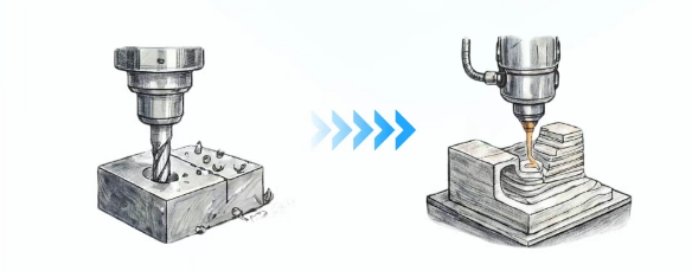
Looking back at three thousand years of manufacturing history, traditional processes have always followed a subtractive logic: cutting, grinding, and removing excess material. This approach leads to high waste and inherent limitations.


The emergence of 3D printing has completely disrupted this paradigm, shifting from "subtractive manufacturing” to  "additive layer-by-layer construction,” enabling creation from digital models.


Traditional Manufacturing vs 3D Printing
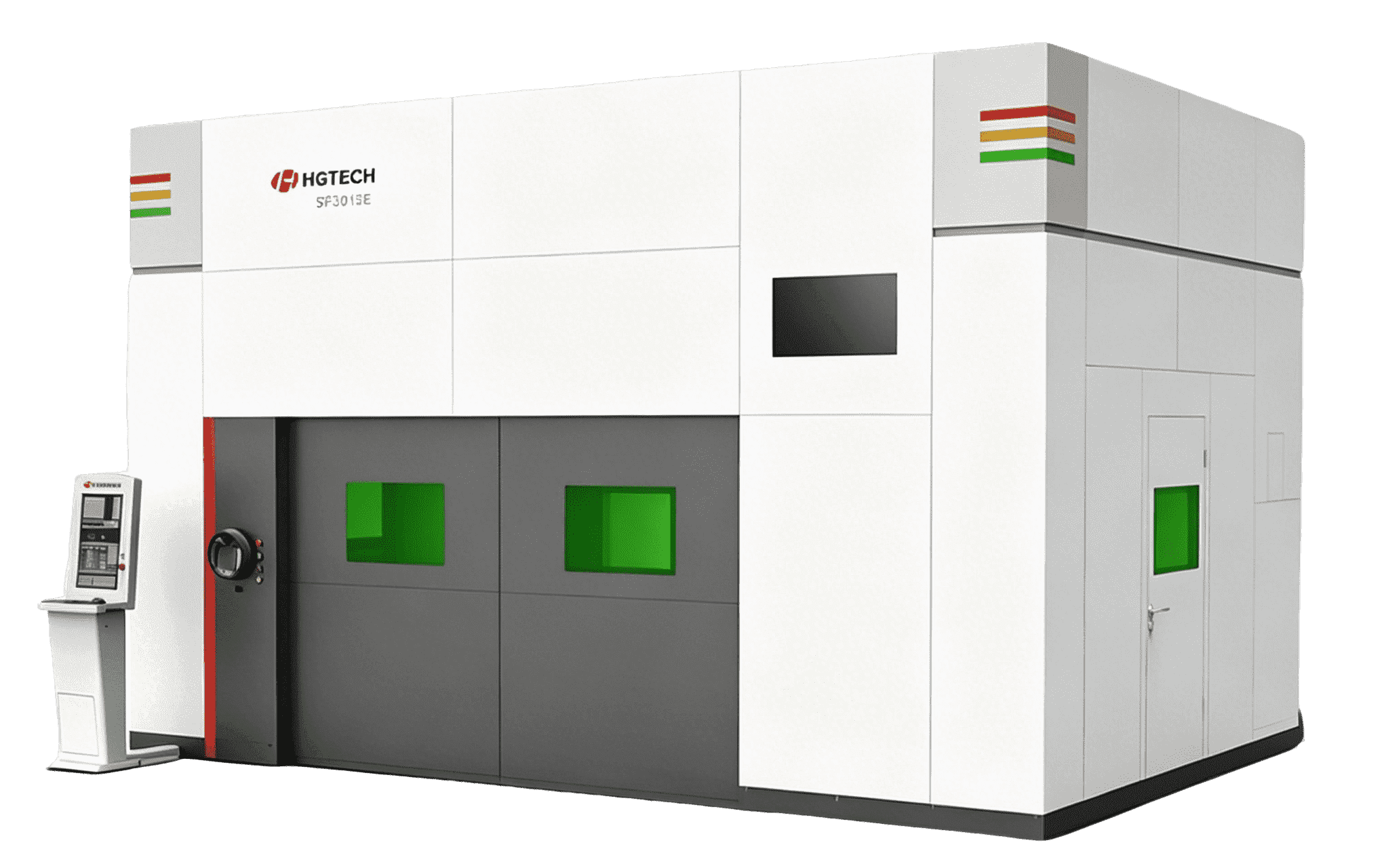
 

Traditional Manufacturing:


Cutting, grinding, and removing excess material — high waste and structural limitations.


3D Printing:


Layer-by-layer addition — creating objects from nothing.


What is 3D Printing?


3D printing, also known as Additive Manufacturing, was once an expensive and distant laboratory technology. Today, it has entered multiple industries and become a widely accessible form of advanced productivity.


Since its invention, additive manufacturing has been widely applied across:

  1. Industrial manufacturing 
  2. Healthcare 
  3. Consumer products & creative industries 
  4. Construction & infrastructure


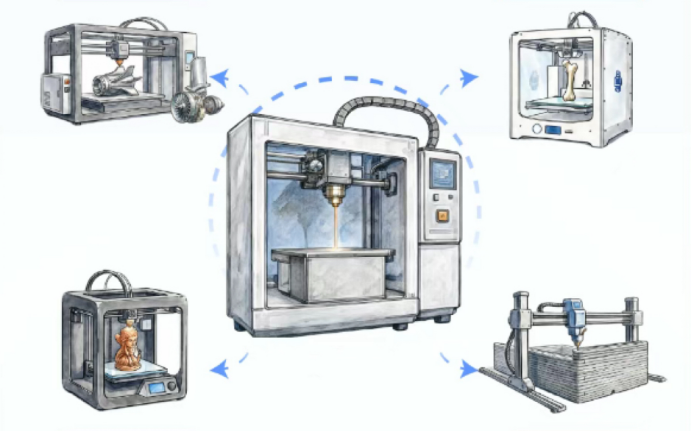
Mainstream Additive Manufacturing Technologies
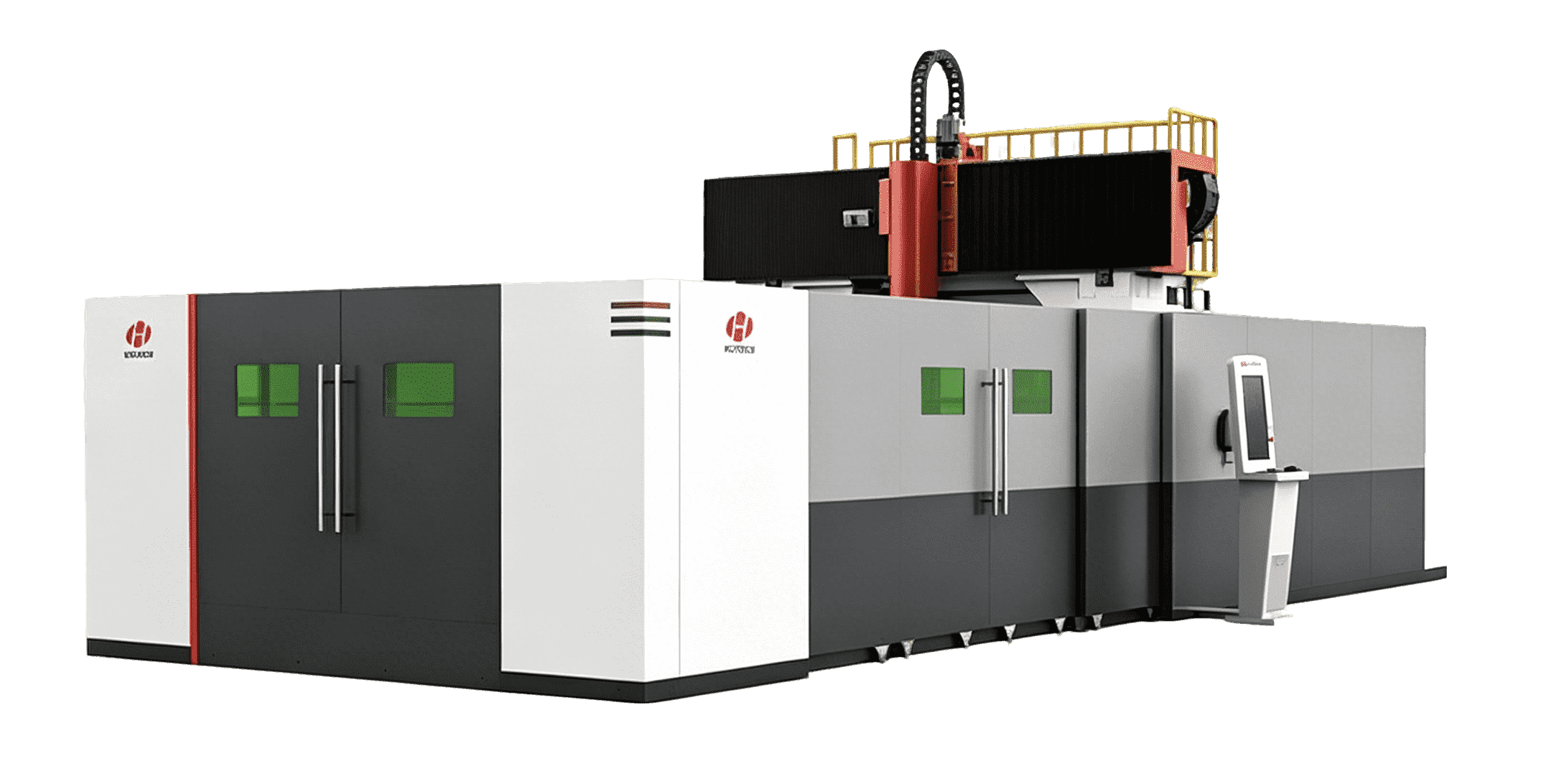

Different materials and applications have led to multiple technological routes:


Fused Deposition Modeling (FDM)

  1. The most widely used method, similar to a heated nozzle extruding thermoplastic filament 
  2. Low cost and easy operation 
  3. Commonly used for prototyping and customized production 


Stereolithography (SLA)

  1. Uses light to solidify liquid resin 
  2. High precision and fine detail 
  3. Used for precision models, creative products, and dental customization 


Selective Laser Sintering (SLS)

  1. Uses laser to sinter powder materials 
  2. Capable of complex hollow structures 
  3. Suitable for nylon functional parts, industrial tooling, and casting molds 


Laser Engineered Net Shaping (LENS), also known as Directed Energy Deposition (DED)

  1. Uses laser to melt and deposit materials layer by layer 
  2. Combines part manufacturing and high-precision repair 
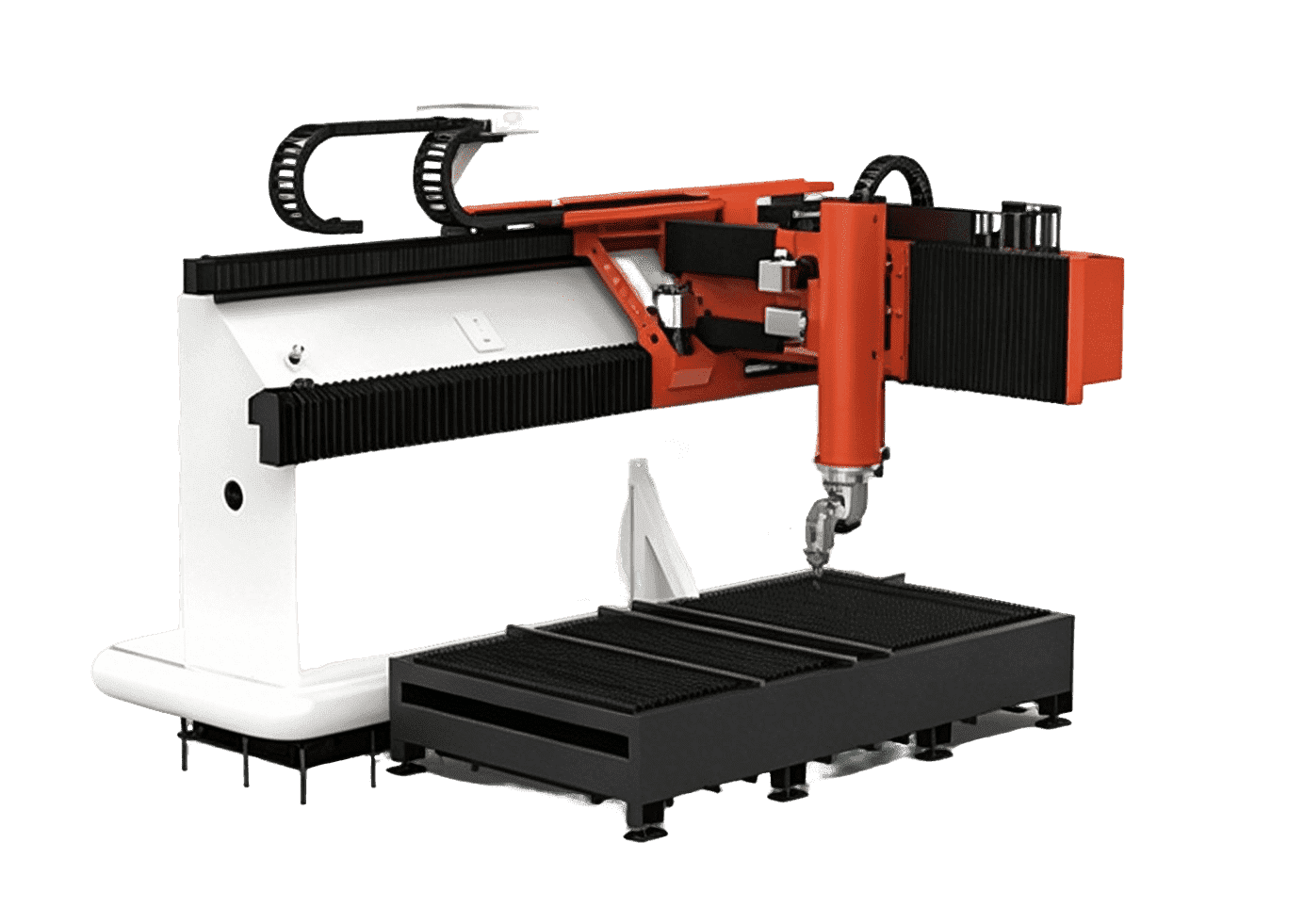
  3. Commonly used in aerospace engine blades, high-end molds, and gradient materials


SLM: The Core Technology of Metal 3D Printing


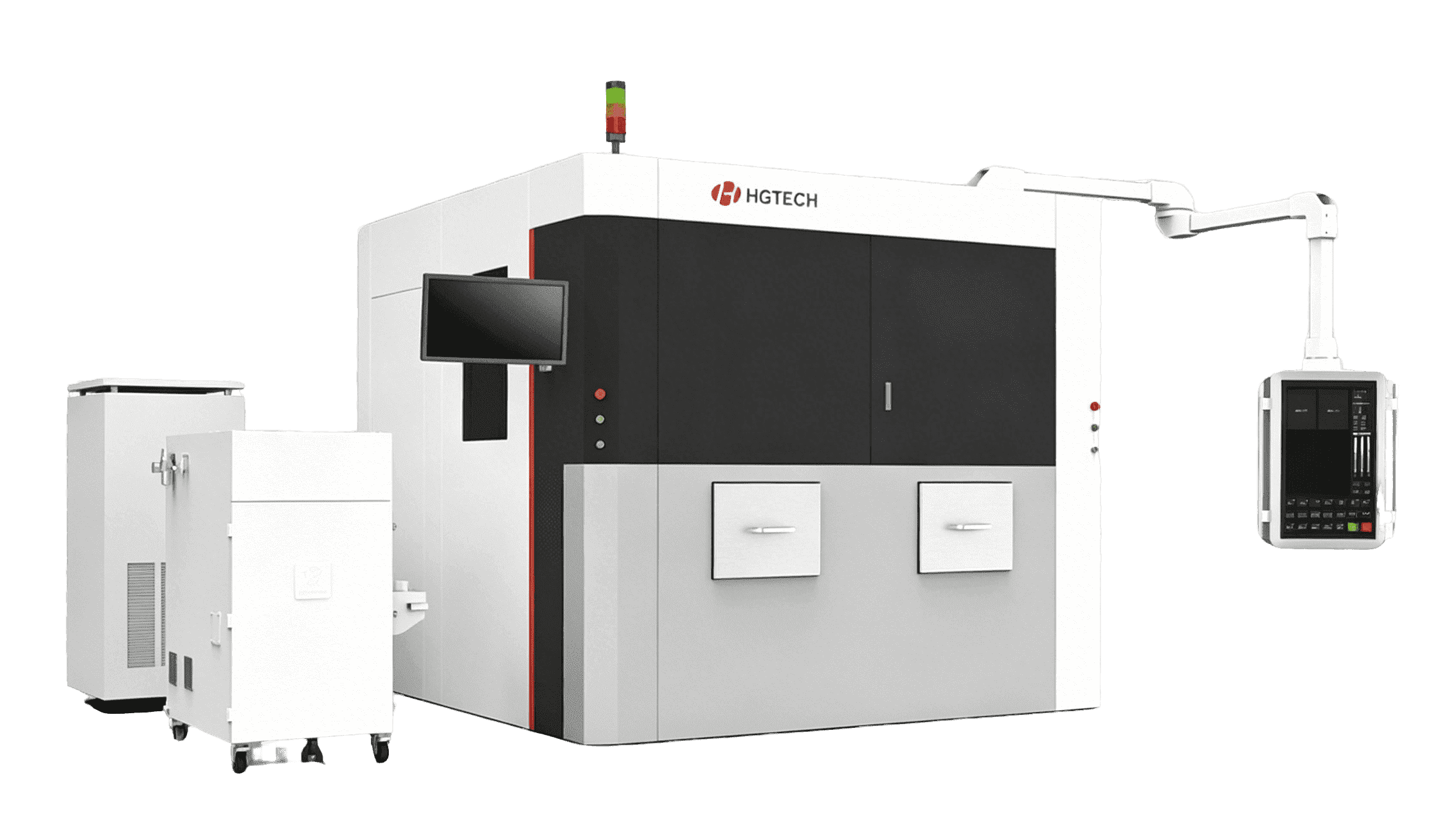
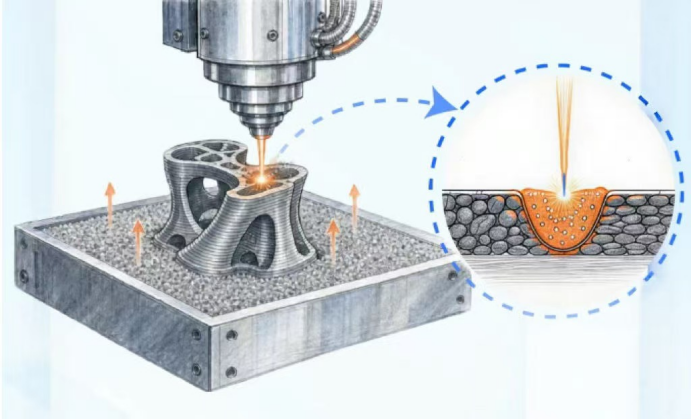
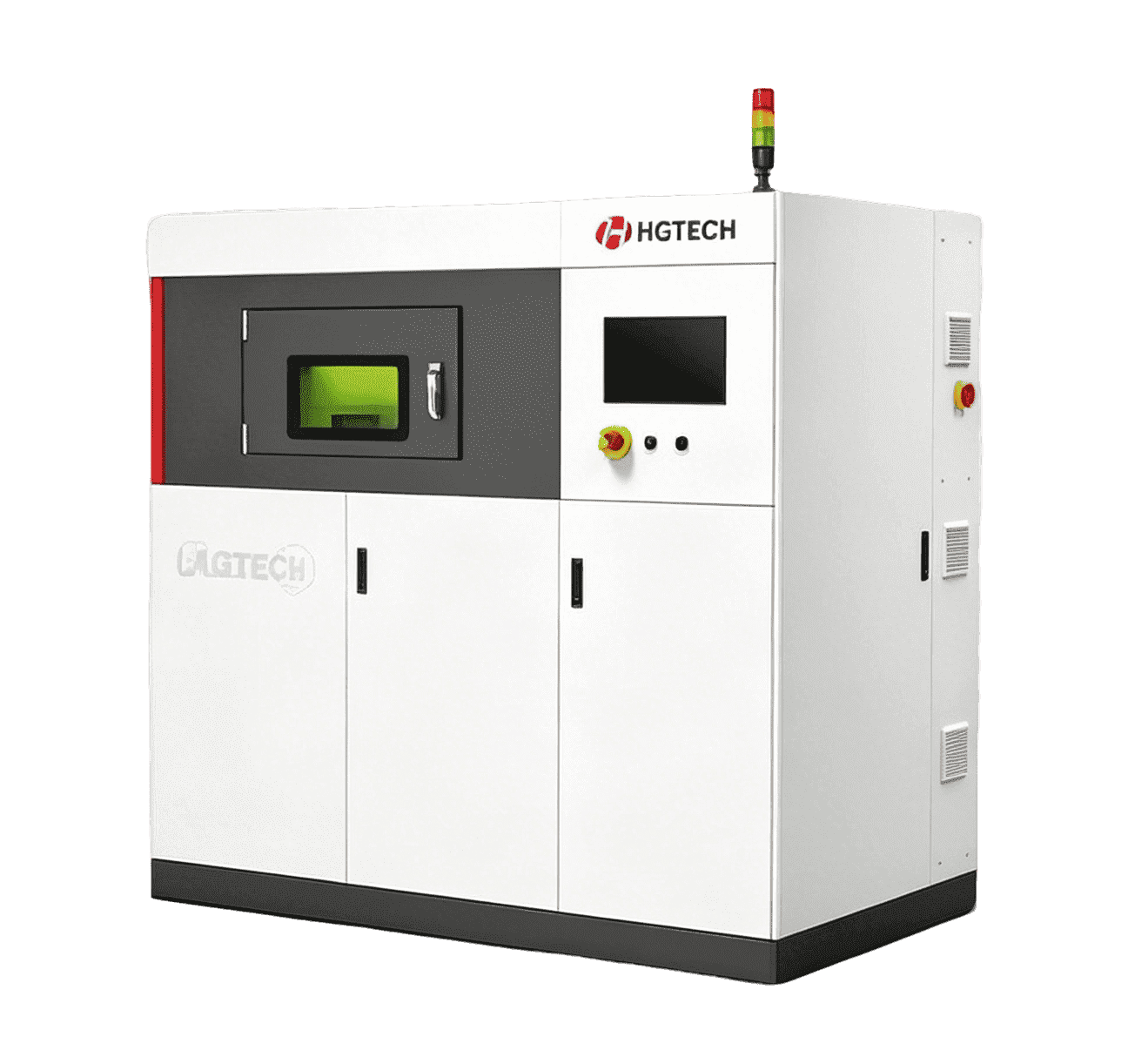
Selective Laser Melting (SLM) stands out as an advanced evolution of SLS. It uses high-energy-density lasers to fully melt metal powders rather than simply sintering them.


The "Magic" of SLM

  1. Produces parts with extremely high density and excellent mechanical properties 
  2. Delivers outstanding dimensional accuracy and structural integrity 
  3. Enables true "direct forming” and near-net-shape manufacturing 
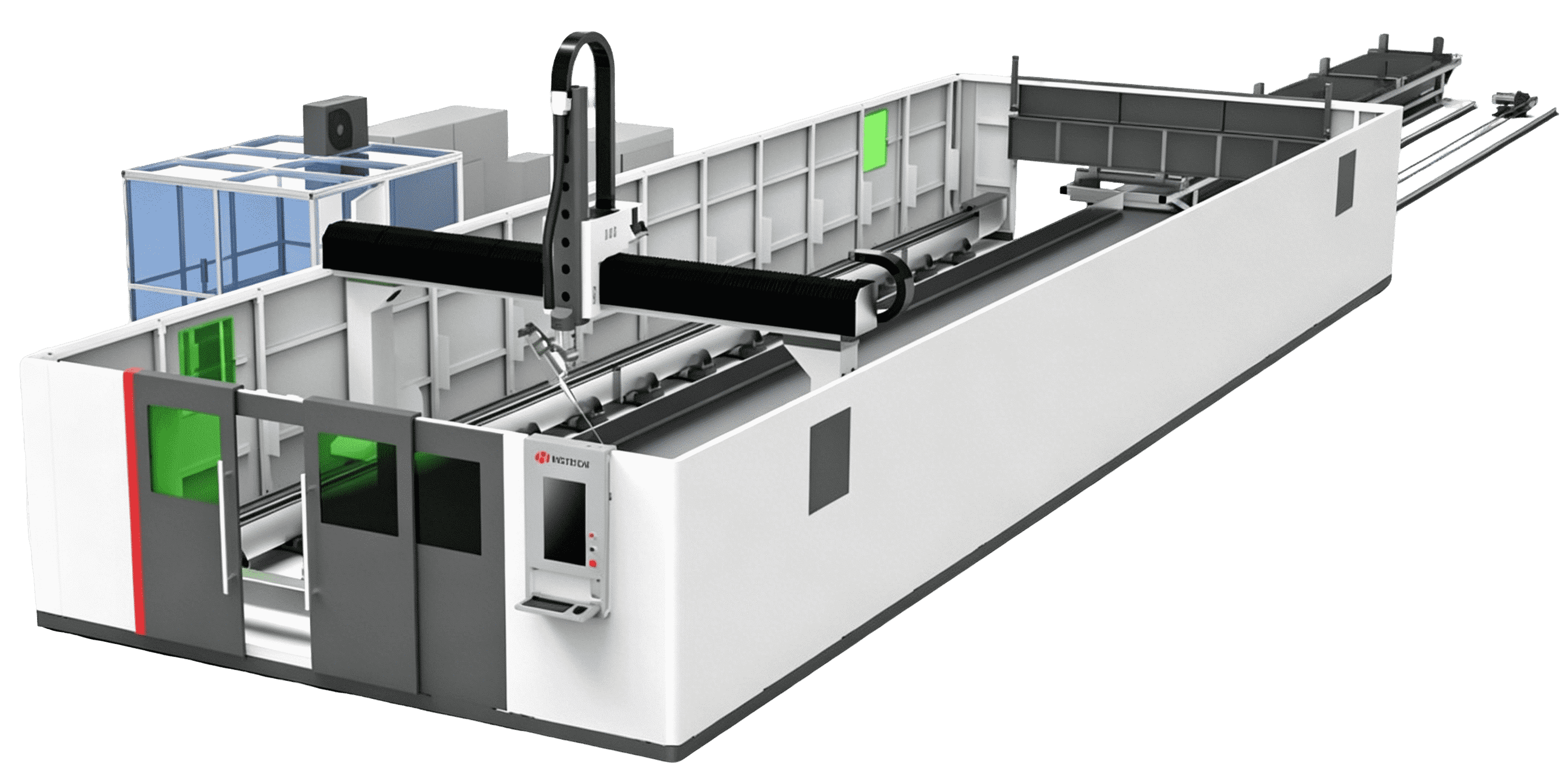
 

The printing process is highly technological:


A laser "draws” on each layer of metal powder, forming layer upon layer. The material undergoes repeated phase transitions: solid → liquid → solid.


Like bamboo shoots breaking through soil, complex structures emerge step by step—from powder to finished part.


SLM technology is driving metal additive manufacturing from laboratory experimentation toward industrial-scale production.
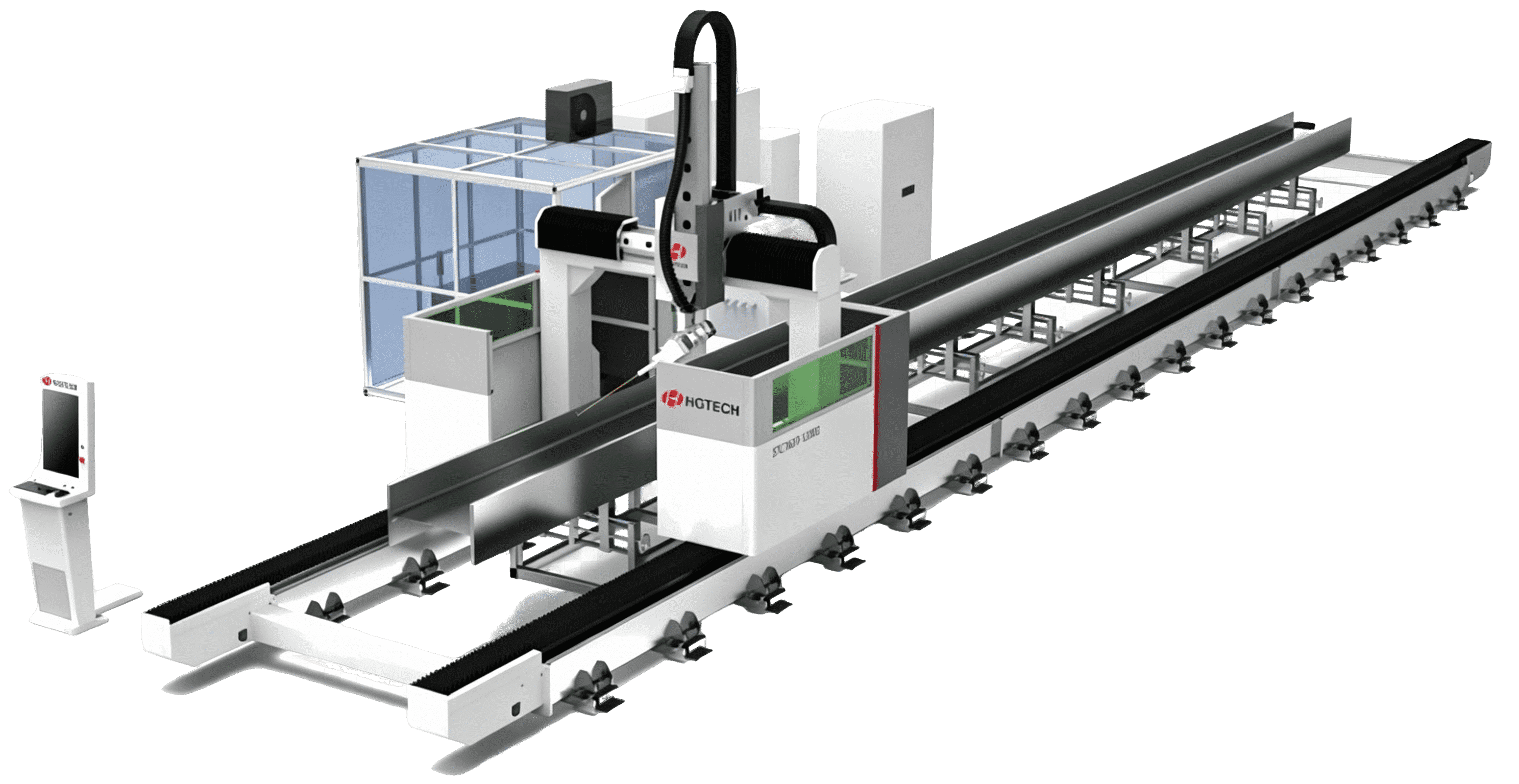

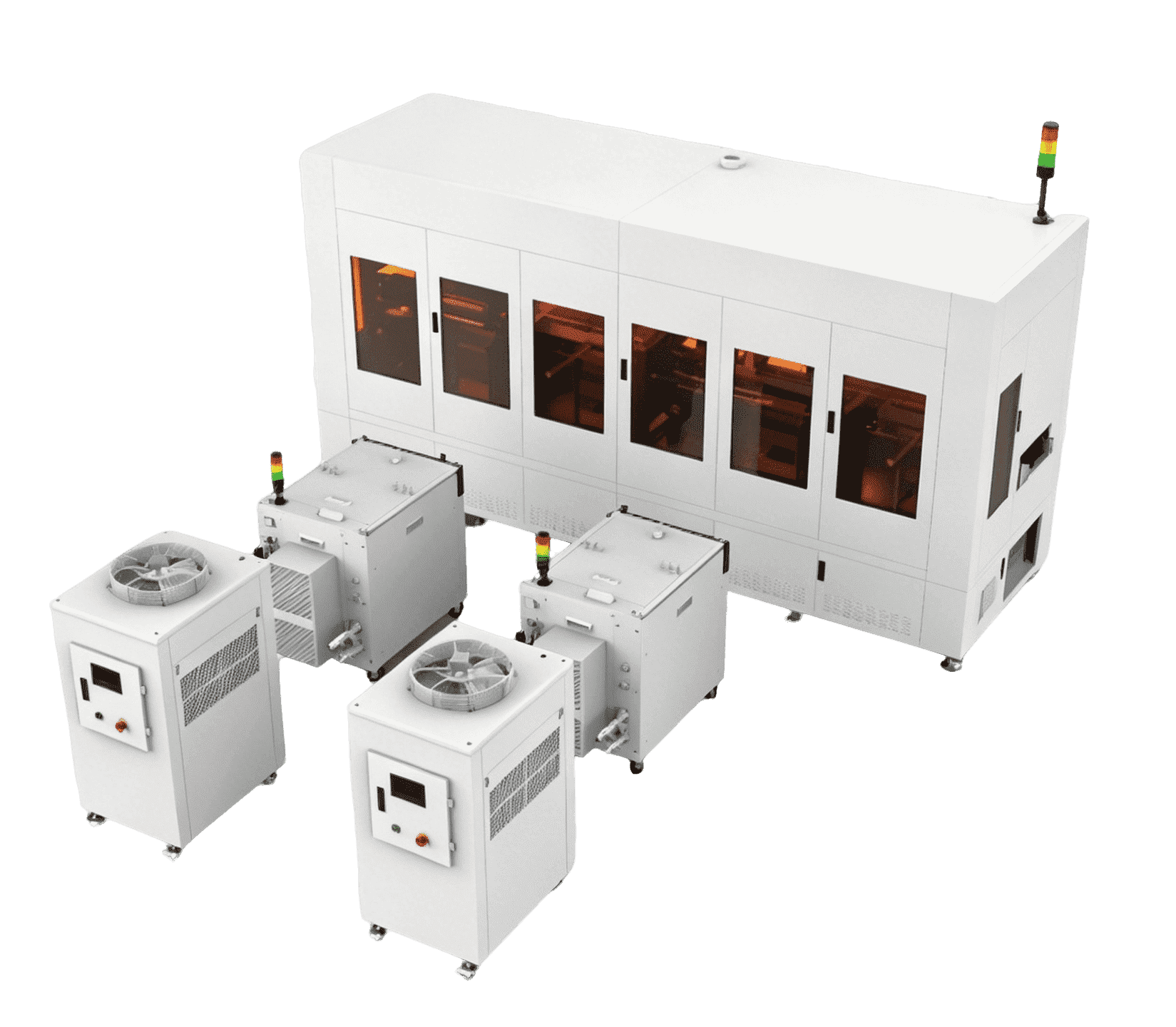
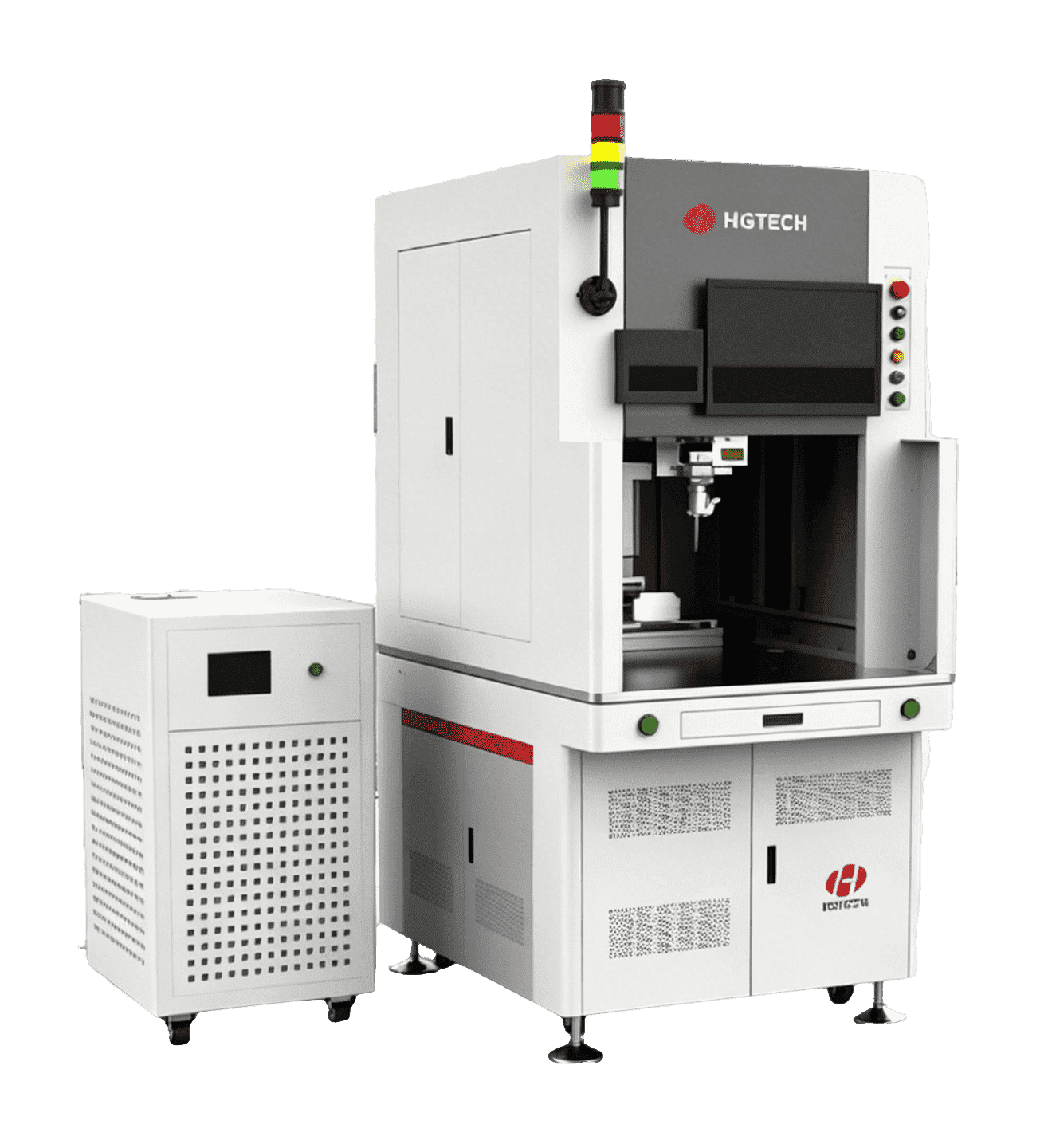
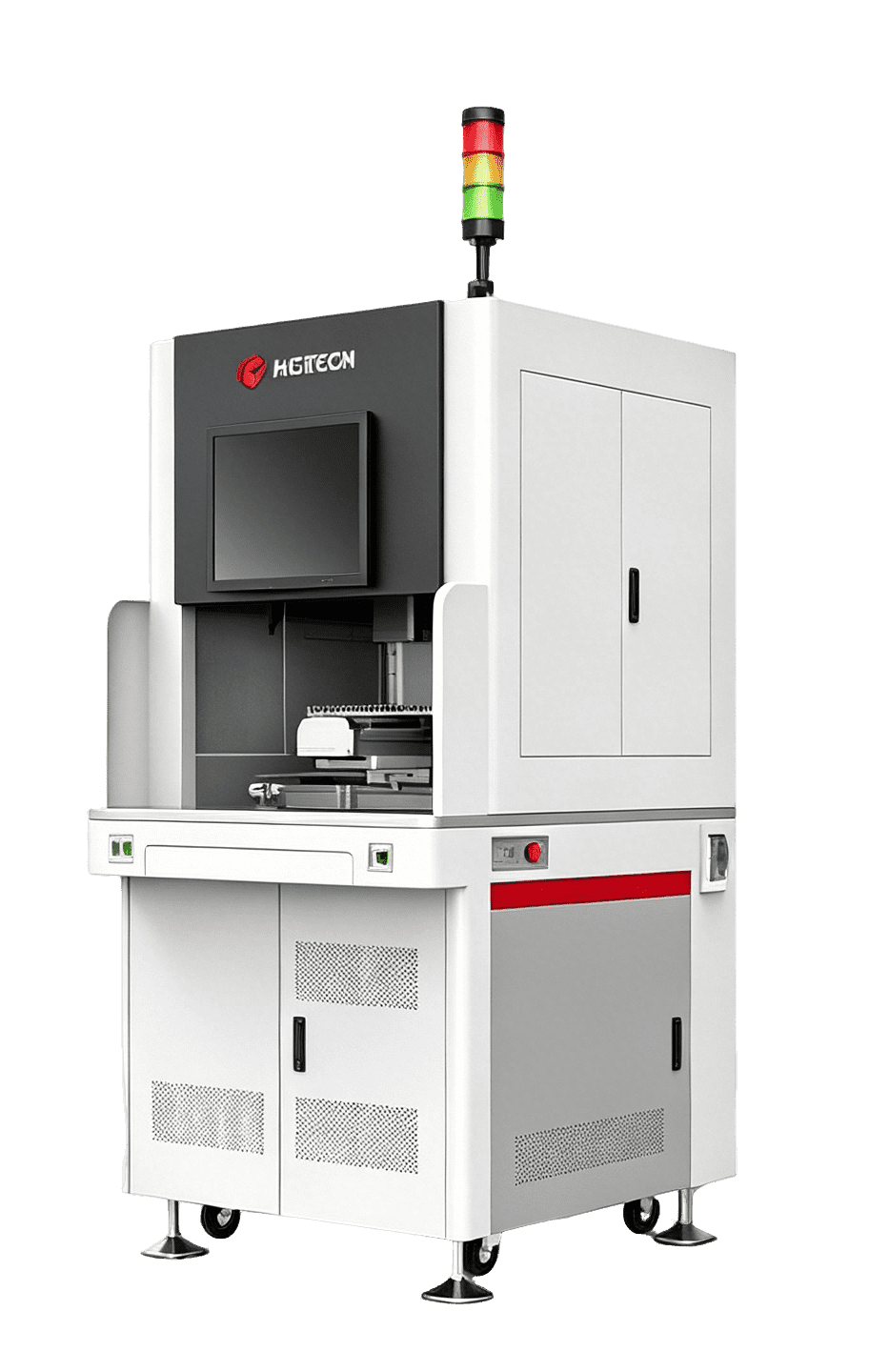
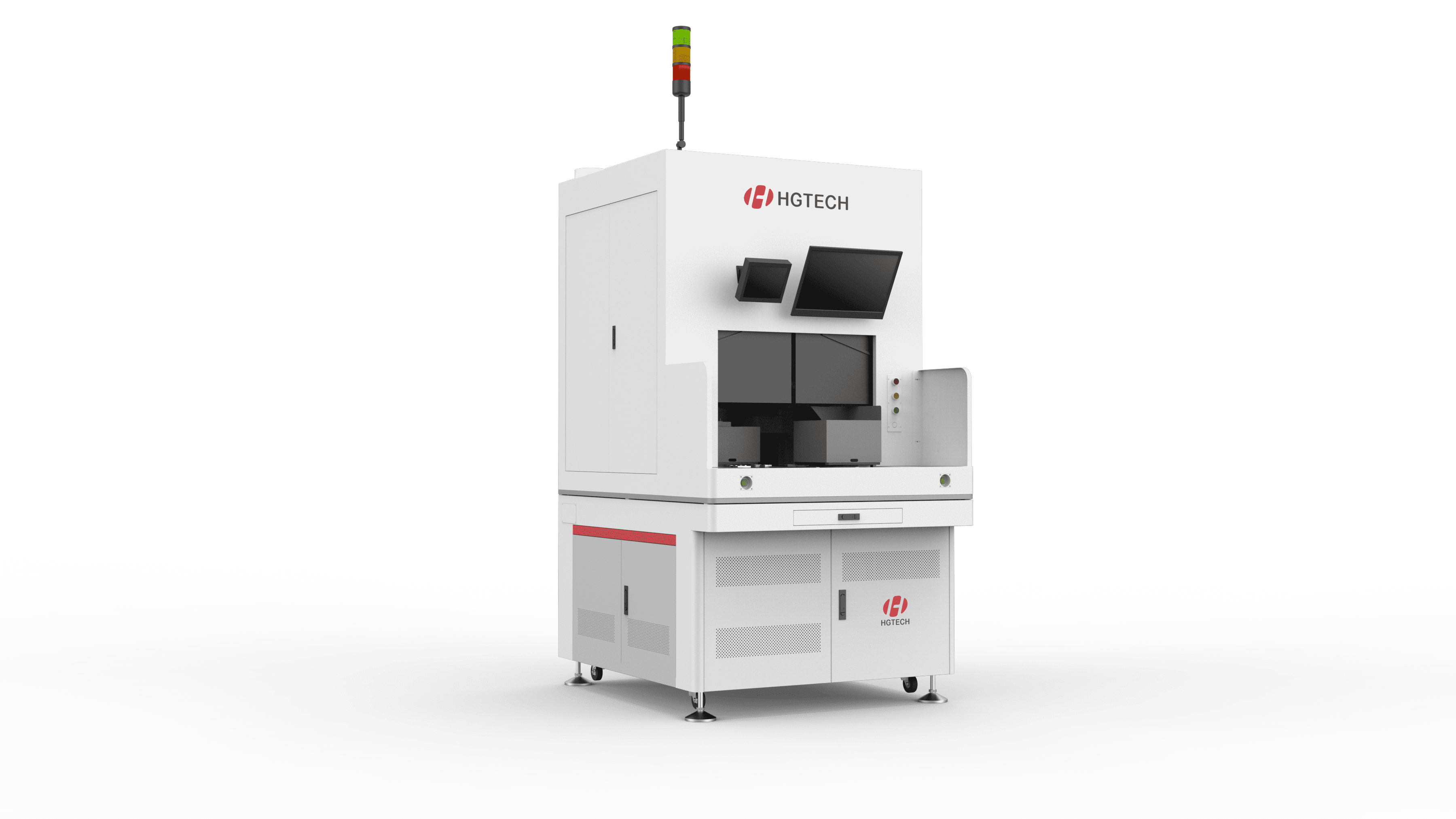
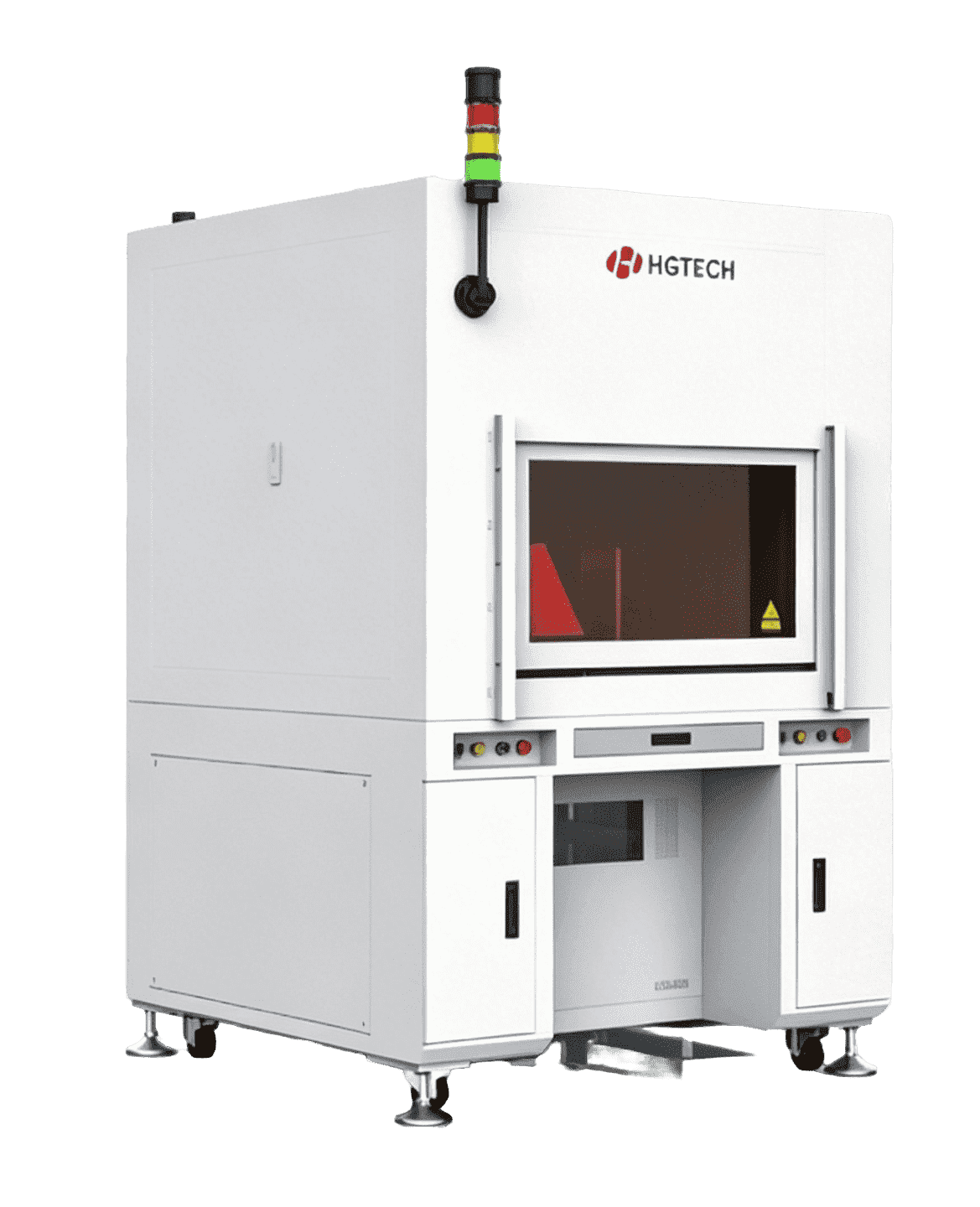
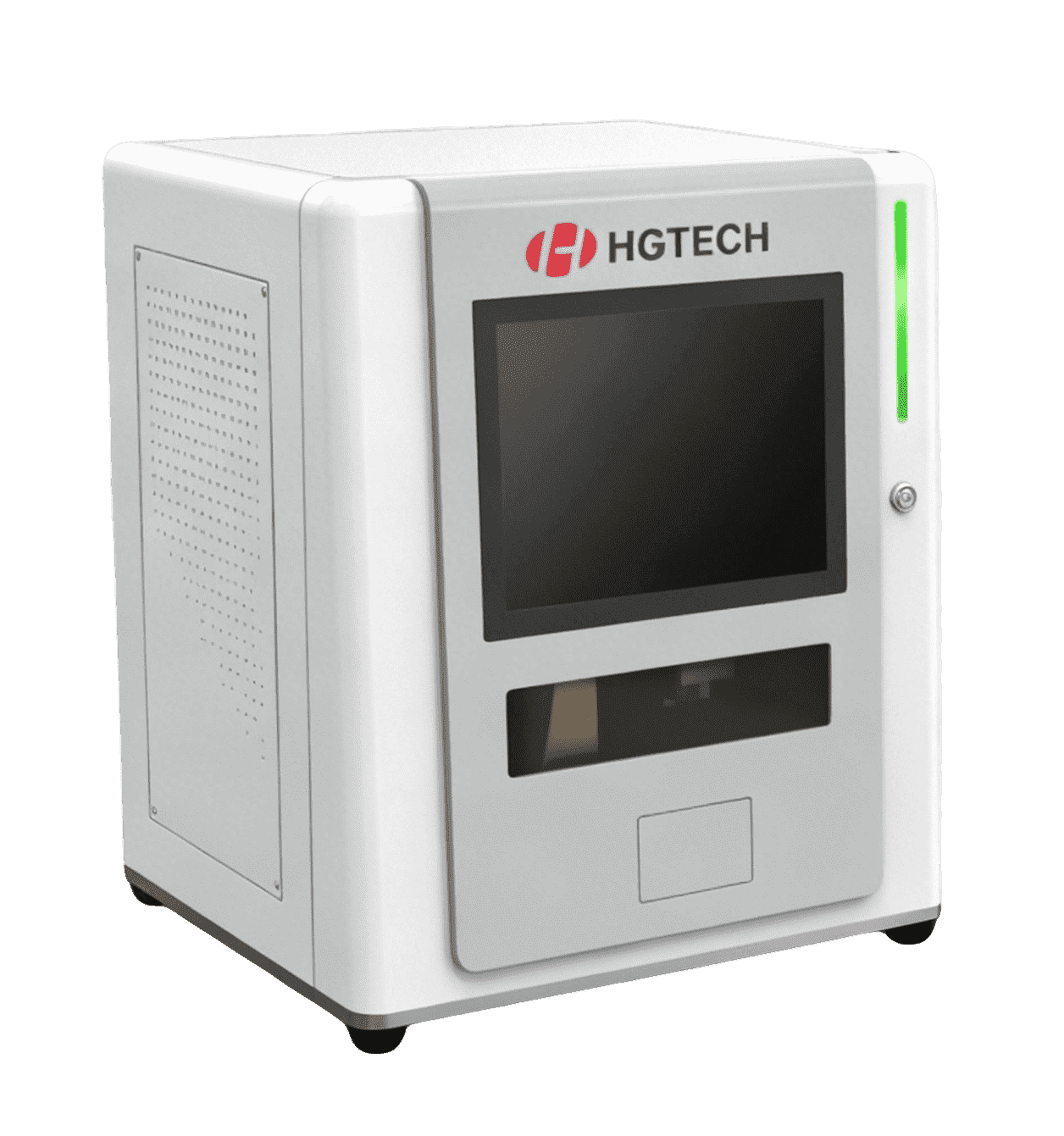
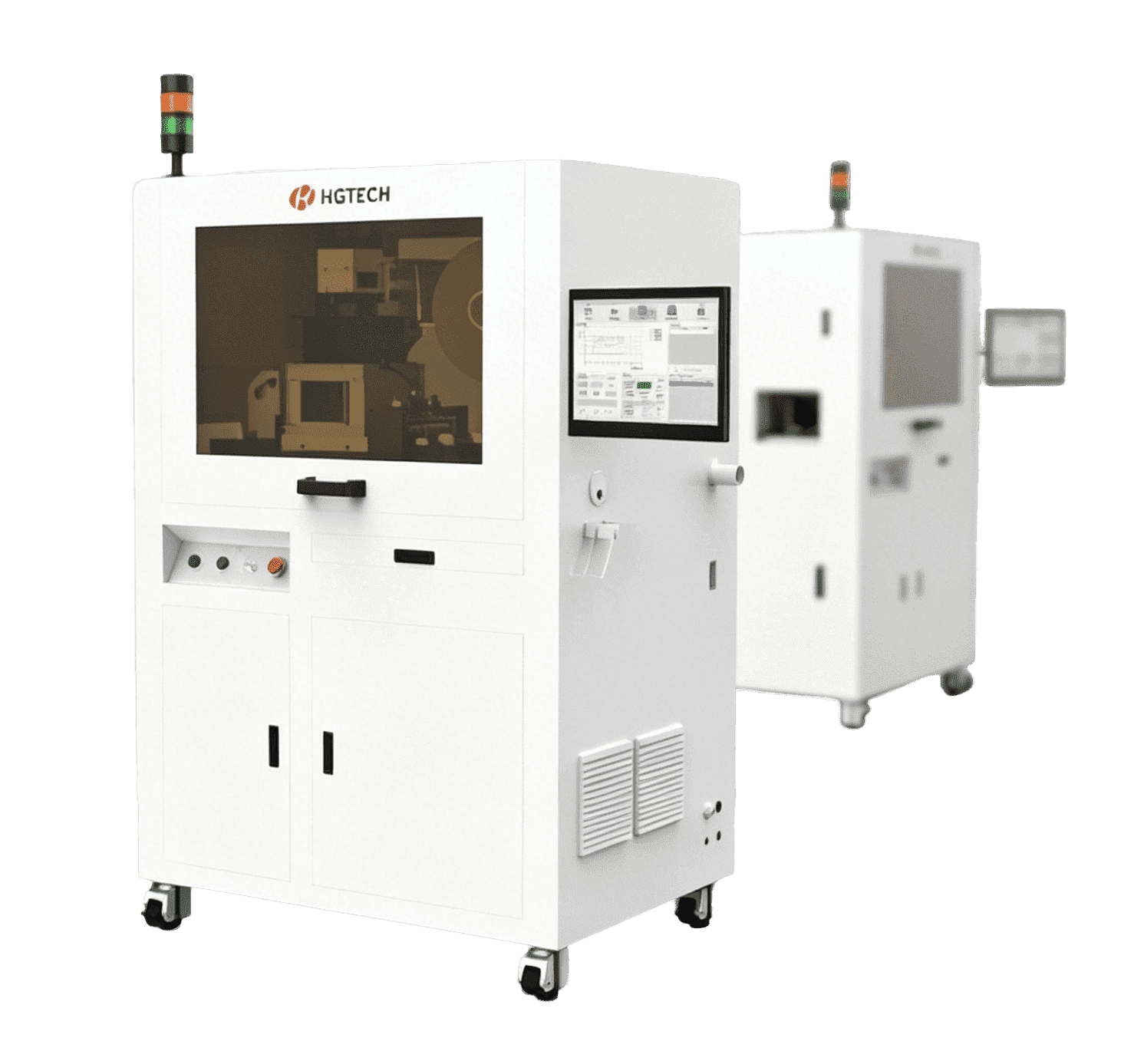
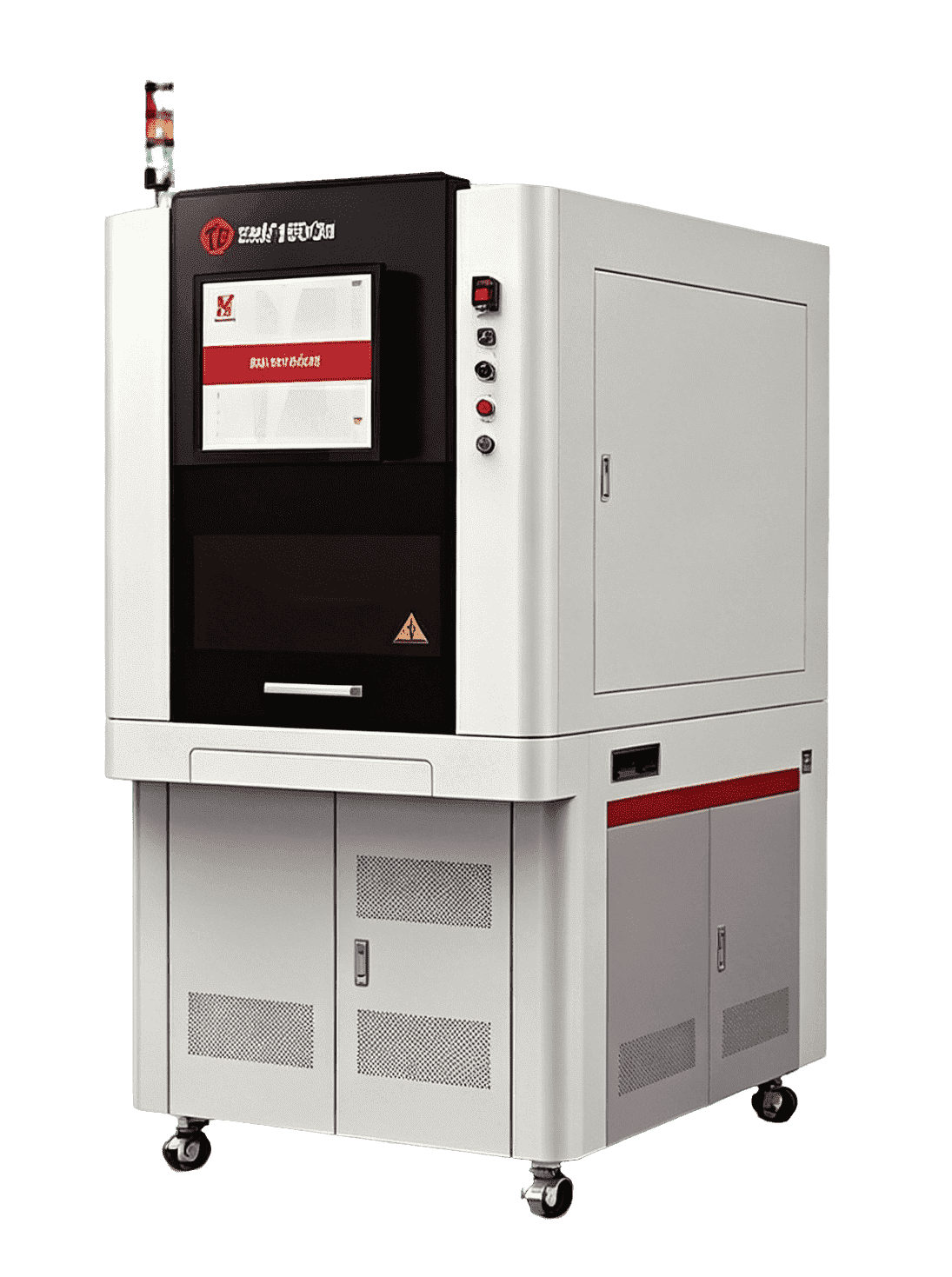
So how does HGLaser transform SLM technology into real-world industrial solutions, enabling automation and smart manufacturing?


Continue to Part 2: HGLaser SLM Equipment and Intelligent Manufacturing System Applications
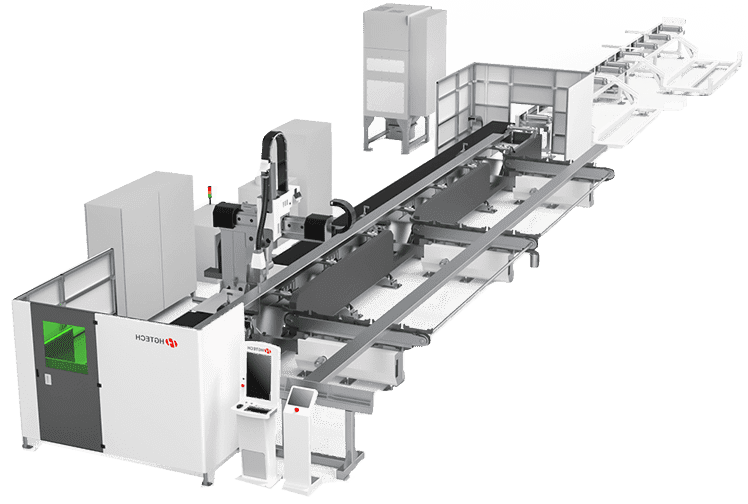
 

Ask for the price?
We use cookies to personalize content, ads, social media faeatures and to analyze our traffic. We also share information about your use of our site with our social media, advertising and analytics partners. If you choose "ACCEPT ALL", you consent to the use of all cookies.