Automobile Industry
Automotive Laser Manufacturing



 May 22, 2026
 93 Viewed
Amid the continued push for carbon neutrality and the rapid expansion of the green hydrogen industry, hydrogen energy equipment manufacturing is entering a critical transition from demonstration projects to large-scale deployment. Facing the dual pressures of rapidly expanding project scales and increasingly compressed delivery cycles, traditional labor-intensive and segmented assembly methods can no longer meet the high consistency and efficiency requirements. Meanwhile, the deep integration of digitalization and intelligence is providing new pathways and possibilities for restructuring manufacturing systems. AI empowerment is emerging as a key engine driving industrial upgrading.
In the hydrogen energy market, alkaline electrolyzers remain the absolute mainstream for current green hydrogen projects. However, as market demand jumps from the MW scale to the GW scale, traditional production methods face severe challenges.
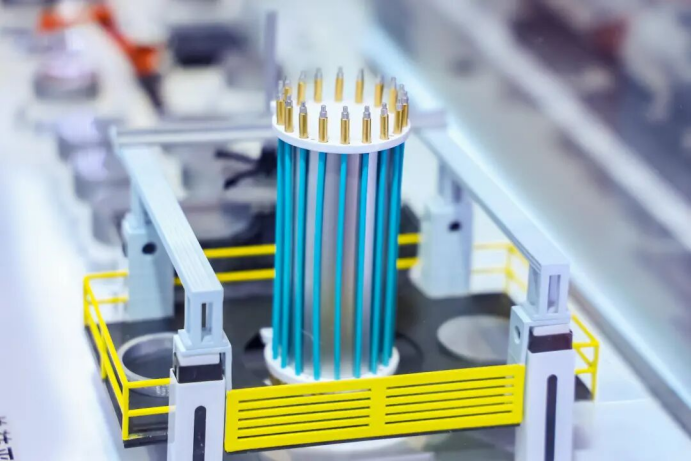
Alkaline electrolyzer manufacturing involves multiple processes, including electrode plate processing, welding, stacking, pressing, and leak testing. Under conventional methods, these processes operate independently, materials are repeatedly transferred, and quality data is fragmented. Any fluctuation in one step is magnified in subsequent processes. In practice, three major pain points stand out:
1.Process coordination gaps – Multi-step process transitions are inefficient; issues like welding deformation often only become apparent during stacking.
2.Precision dependent on manual labor – Hundreds of small cells must be stacked manually, making it difficult to ensure electrode parallelism.
3.Data silos – Key parameters are recorded separately, making it hard to quickly locate quality anomalies.
Take electrolyzer stack assembly as an example: in traditional manual or semi-automatic methods, workers must repeatedly adjust electrode positions while laying the diaphragm. The diaphragm, a flexible and unsupported thin material, requires perfect flatness and precise alignment, and must not shift or wrinkle during subsequent transfers. Manual operations are highly prone to tremors, misalignment, or multiple-point contact, causing diaphragm displacement or folding, which affects the stack’s gas tightness and performance consistency. Stacking hundreds of small cells relies entirely on repeated manual calibration, resulting in low efficiency and limited precision.
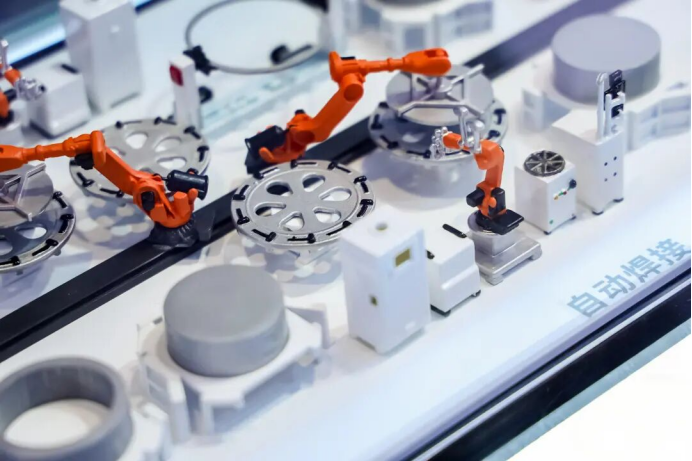
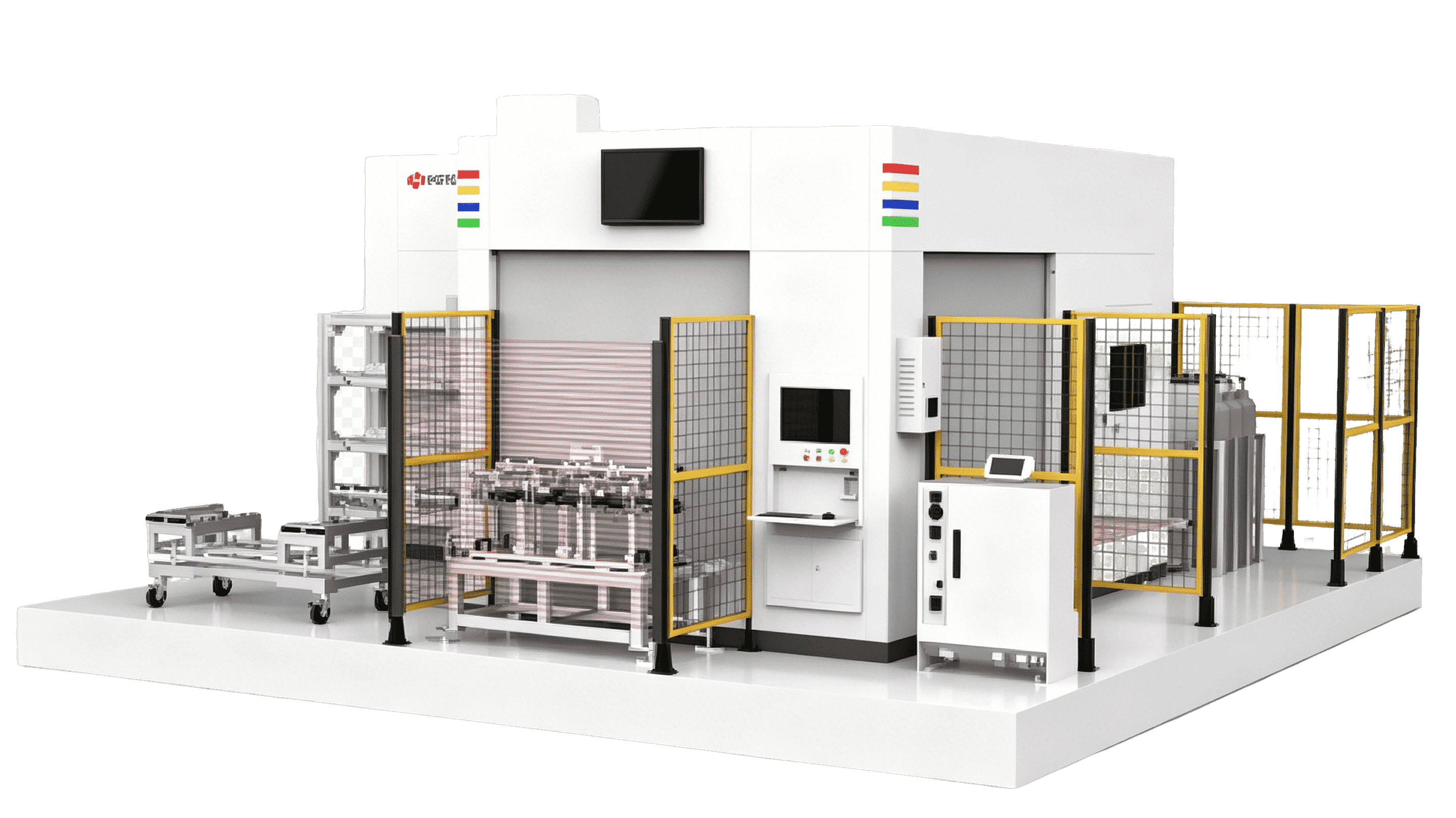
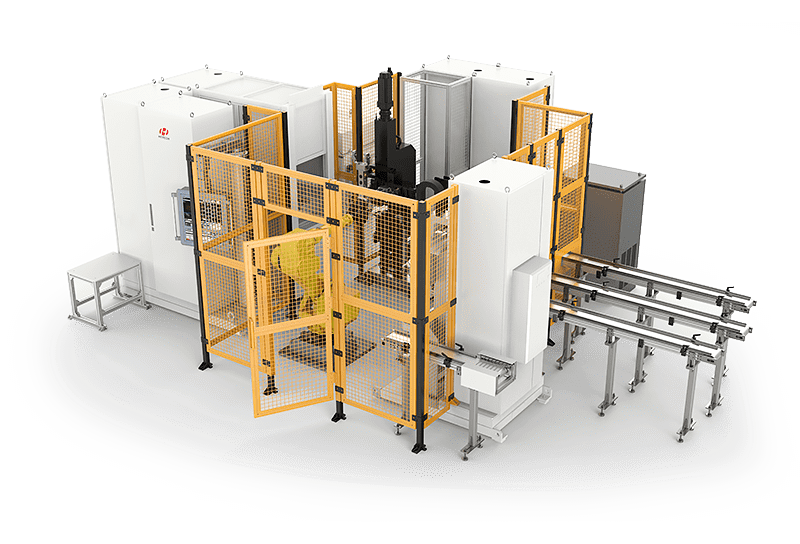
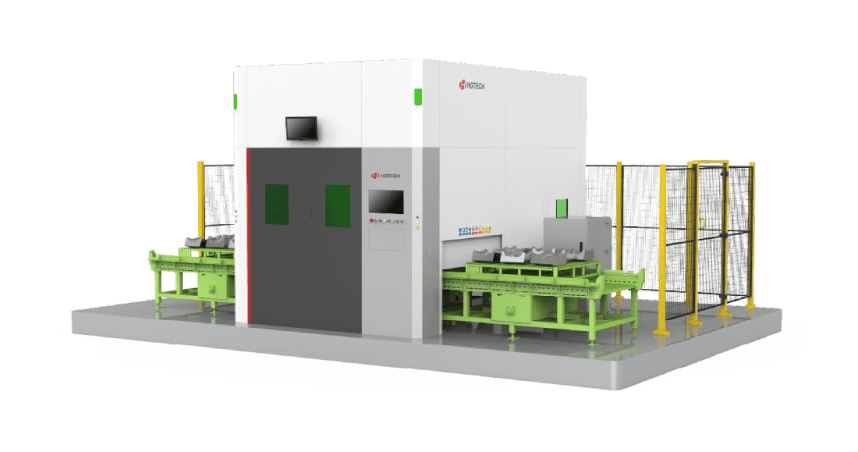
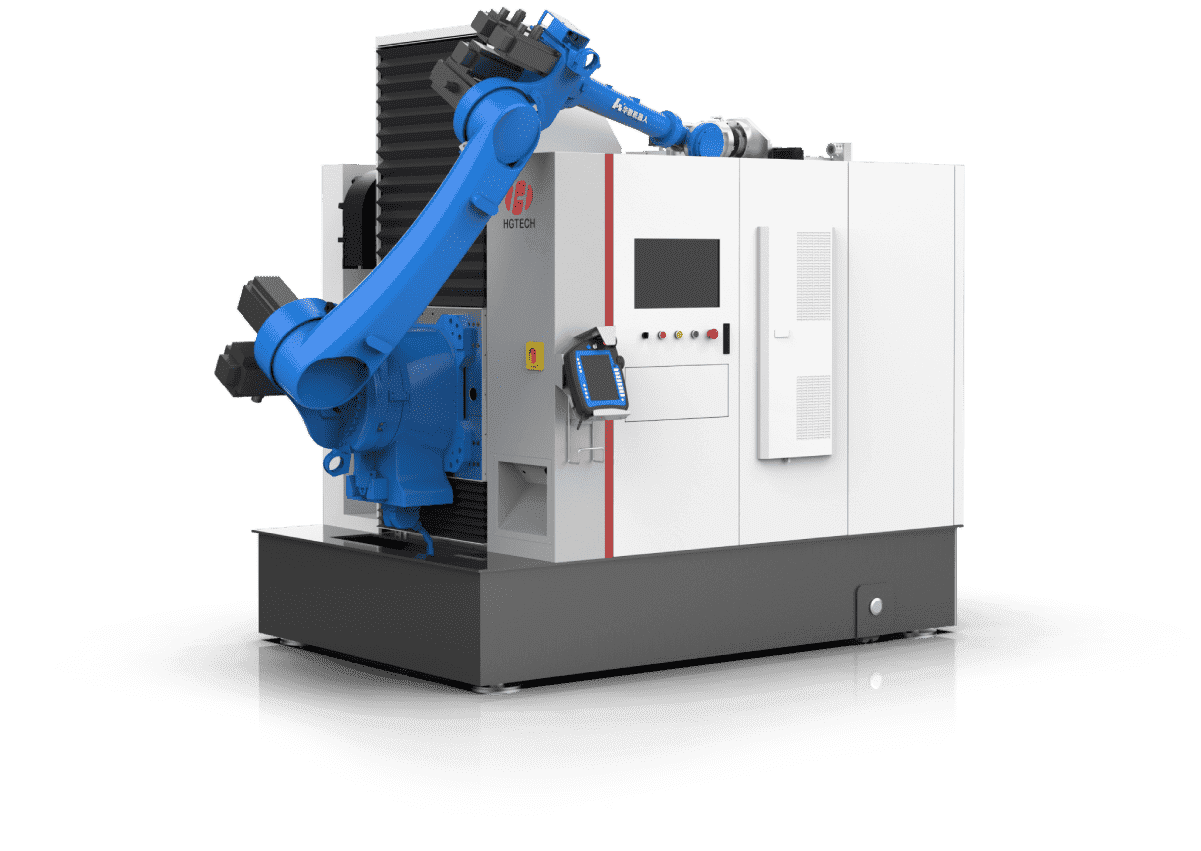
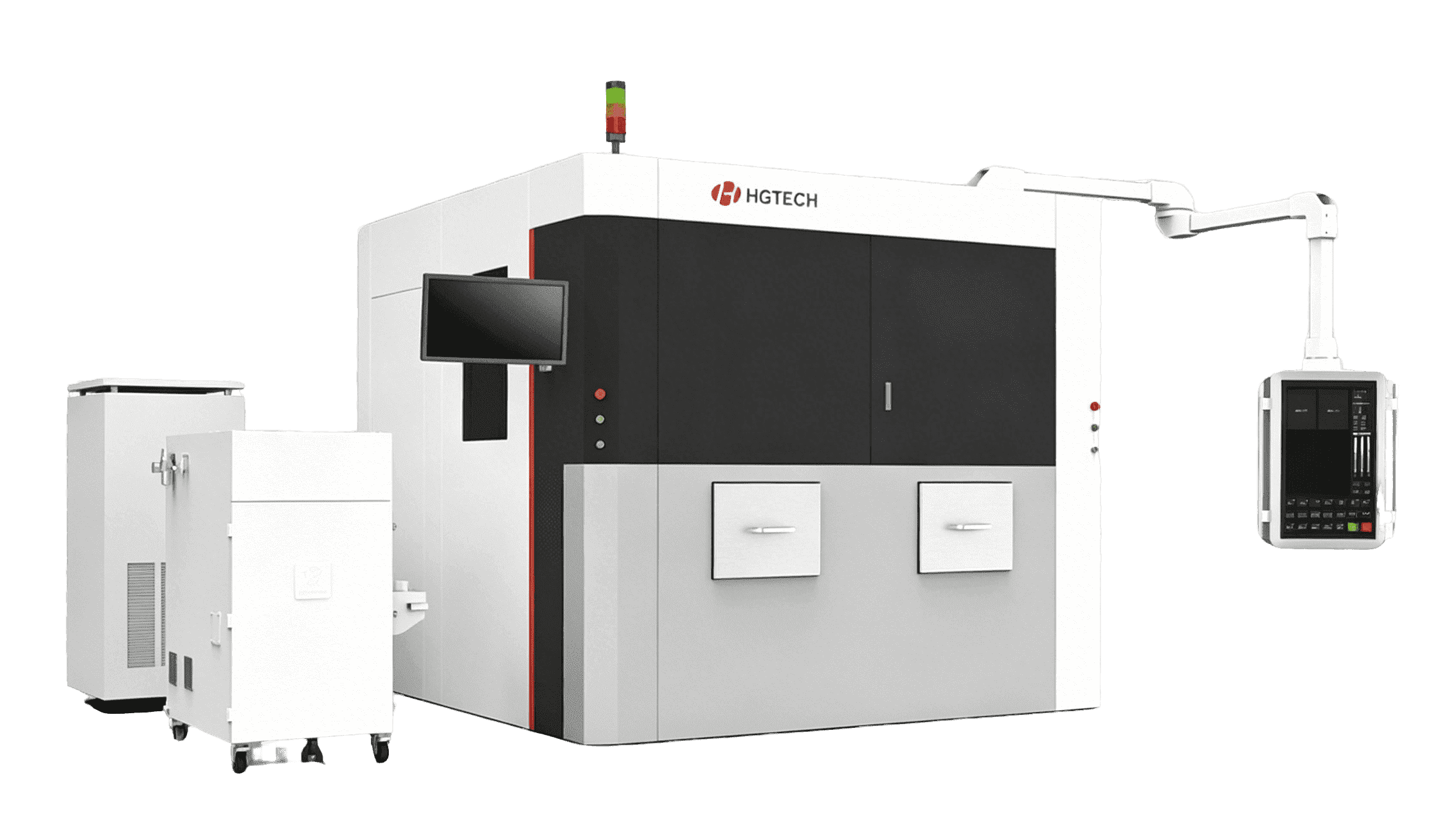
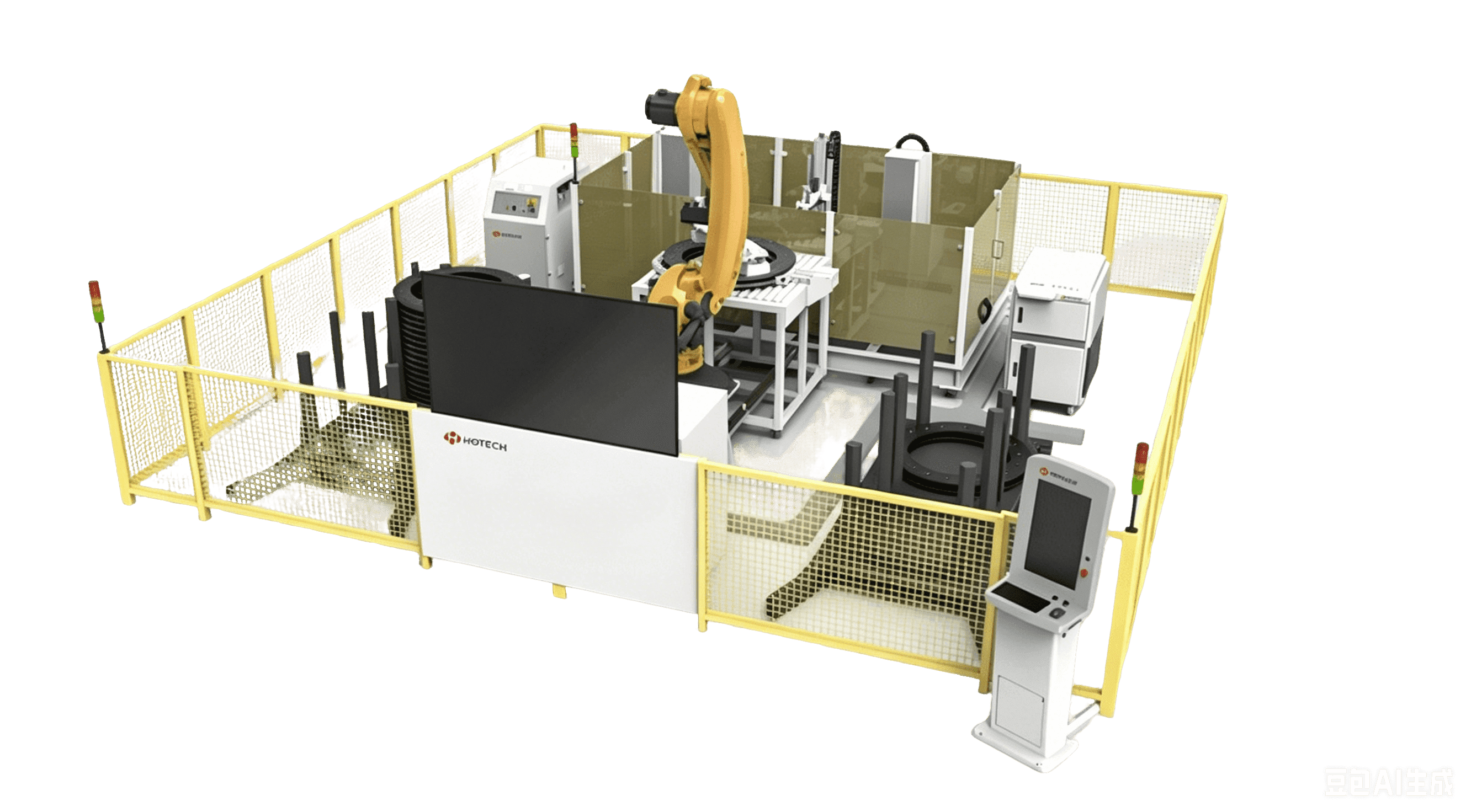
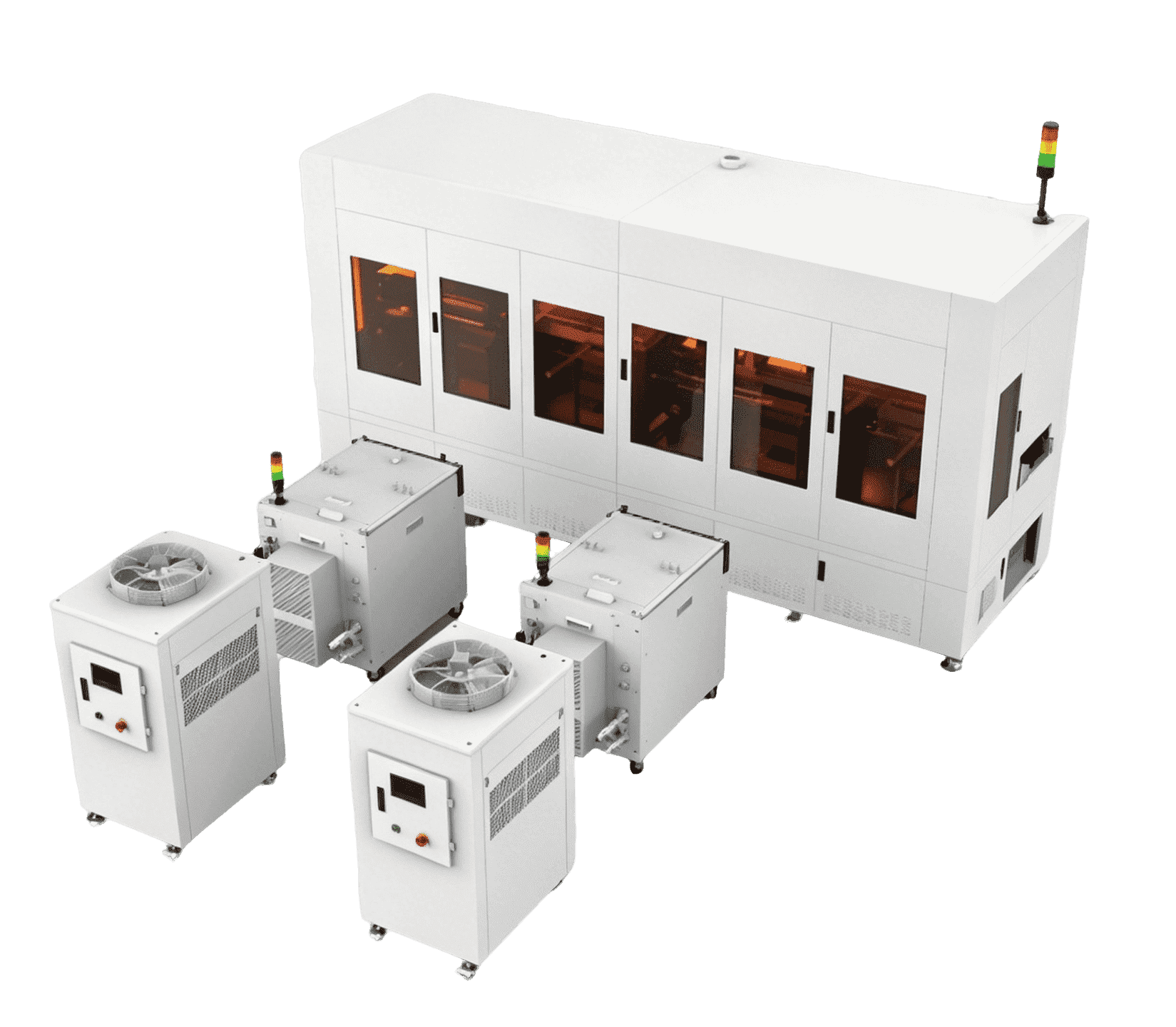
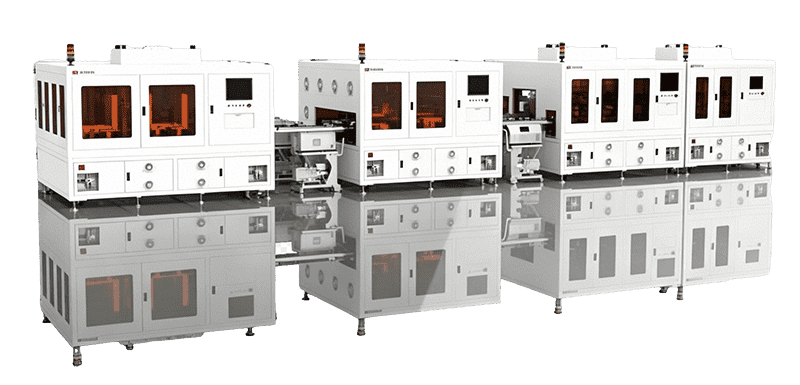
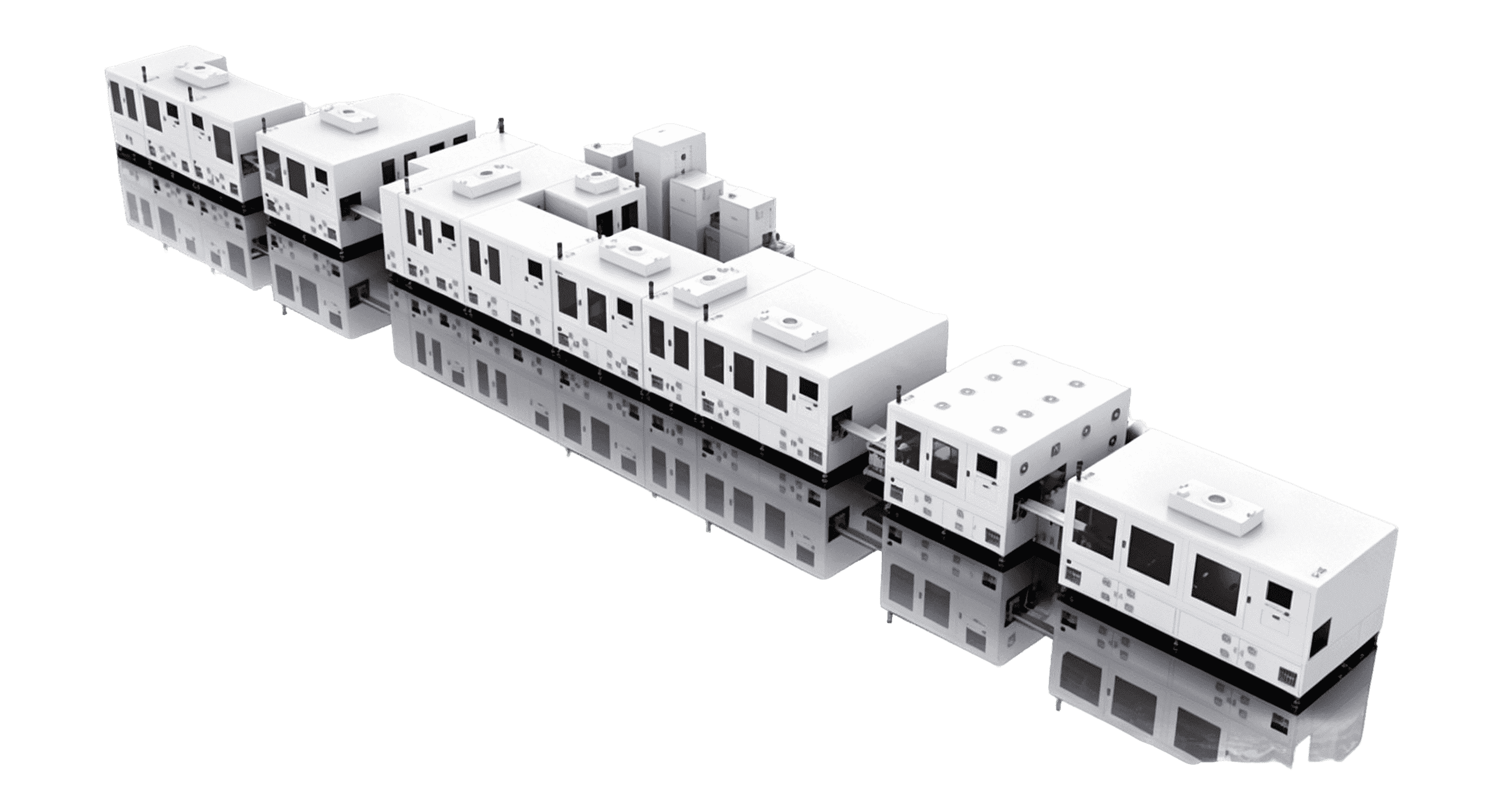
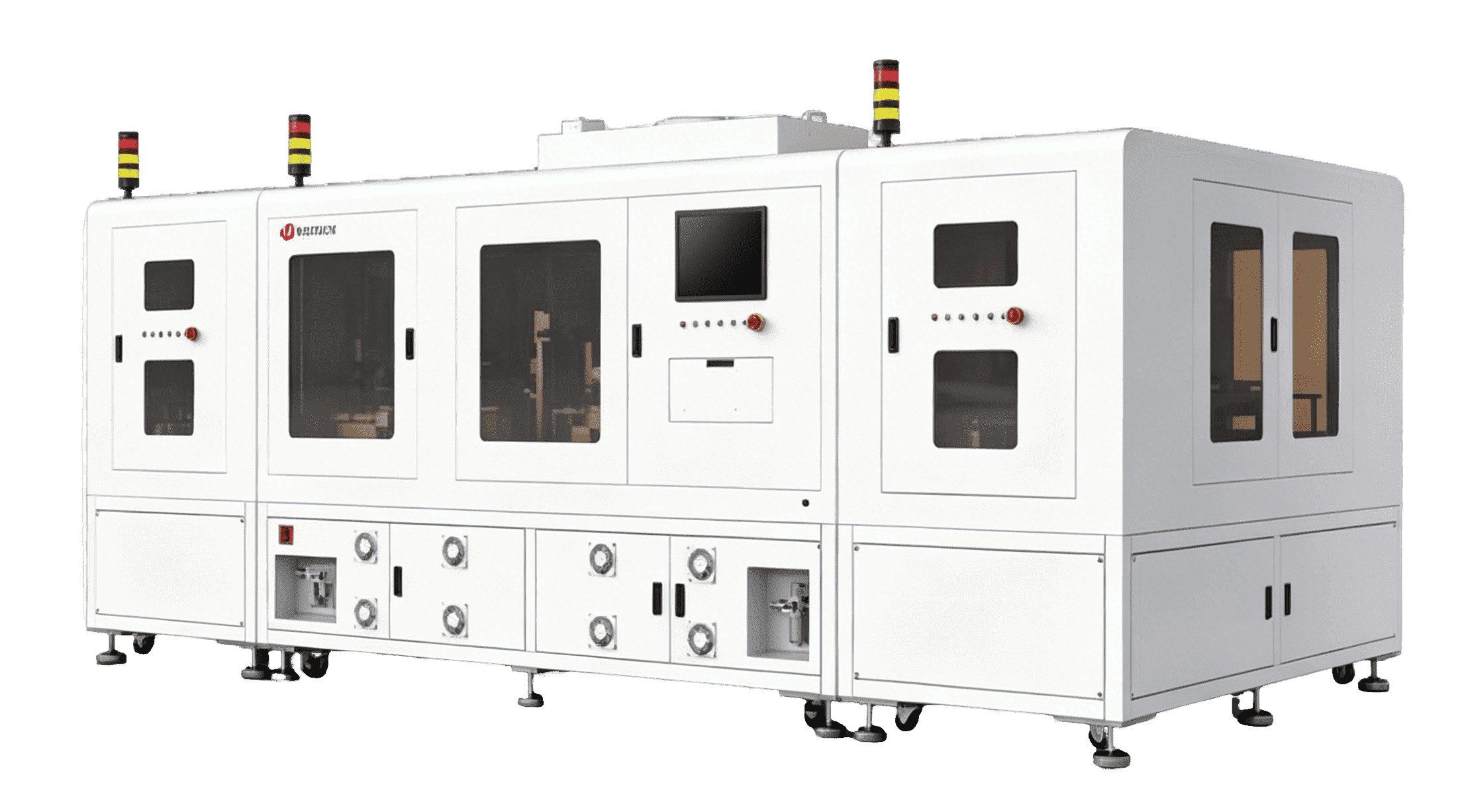
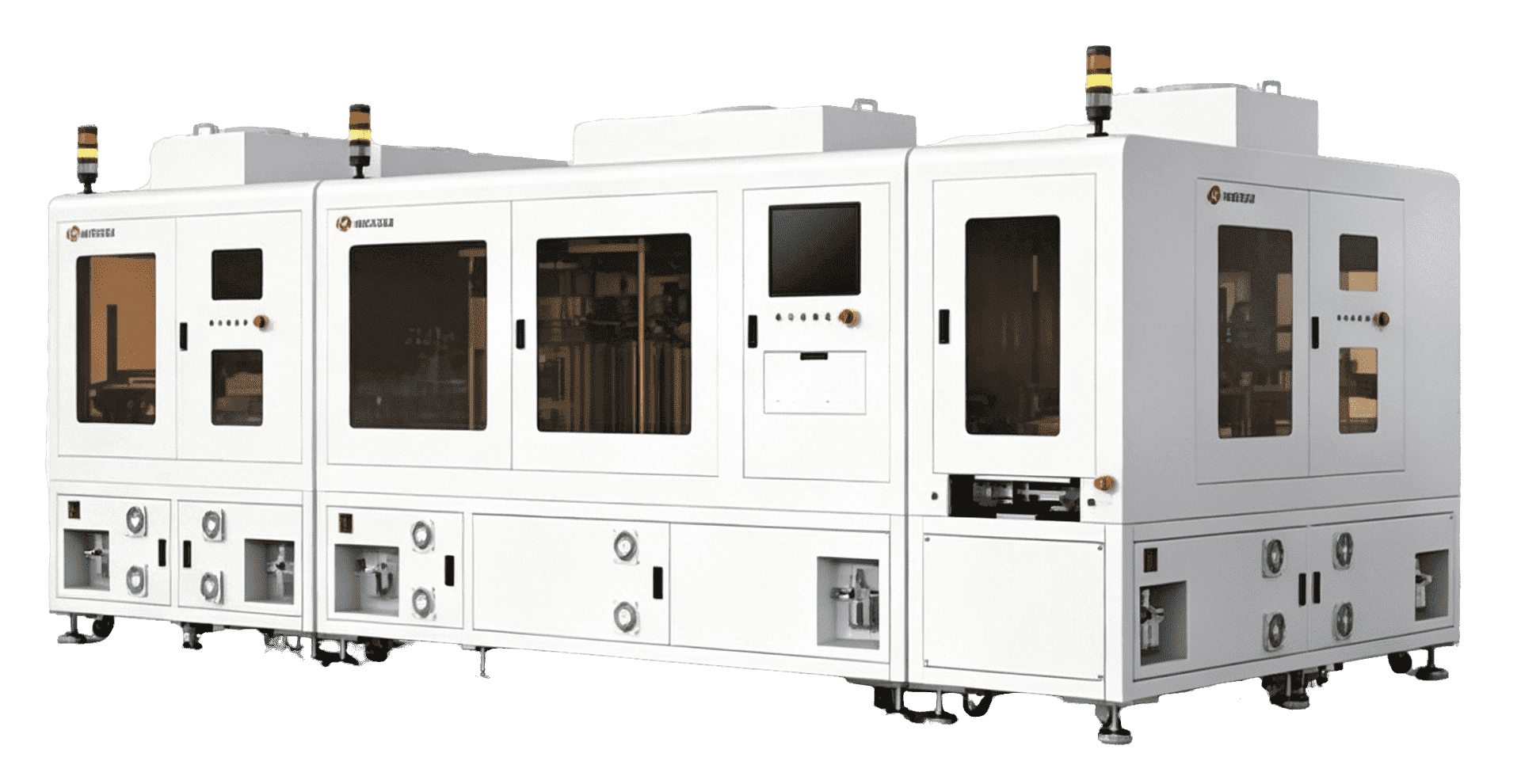
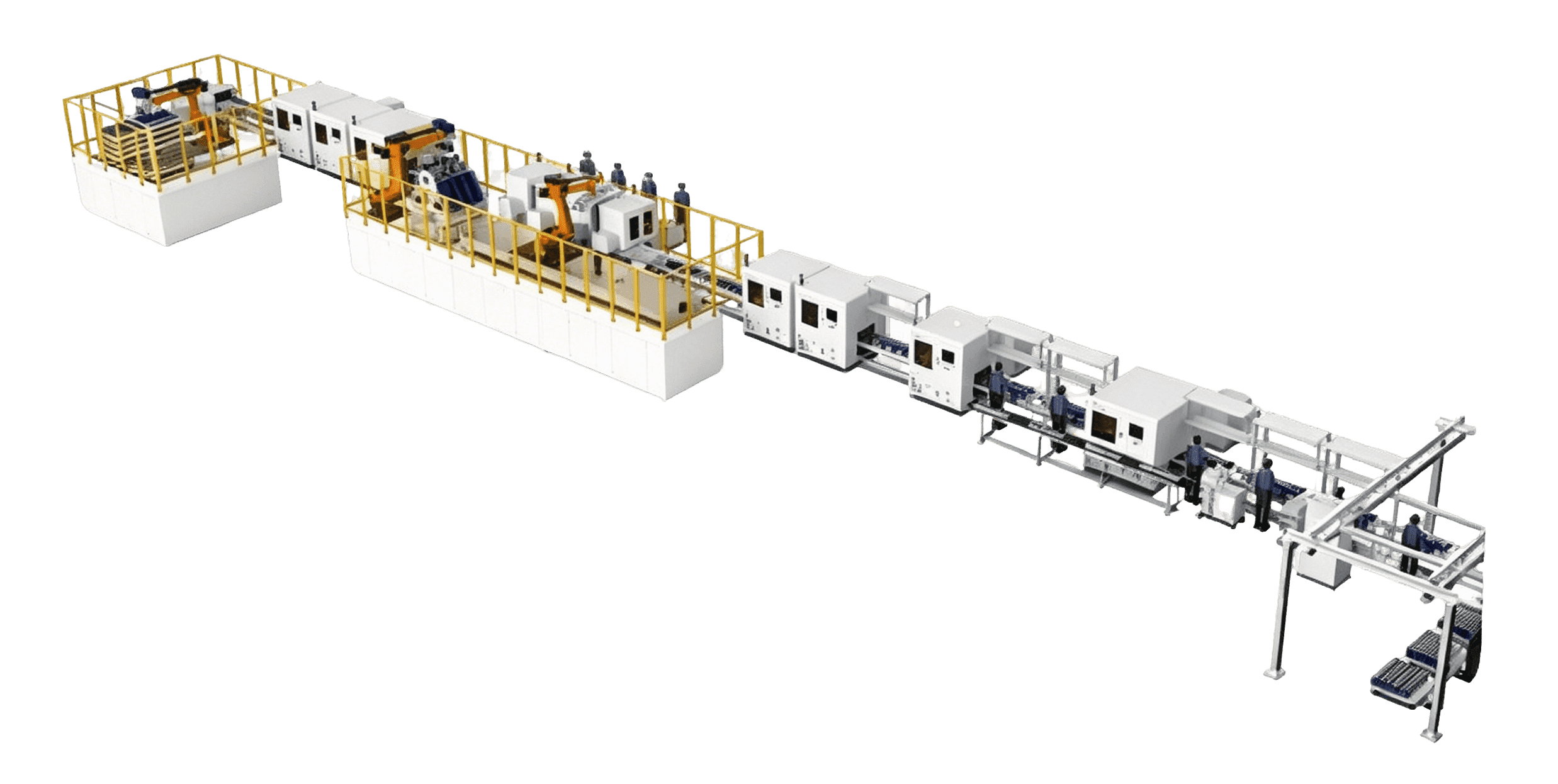
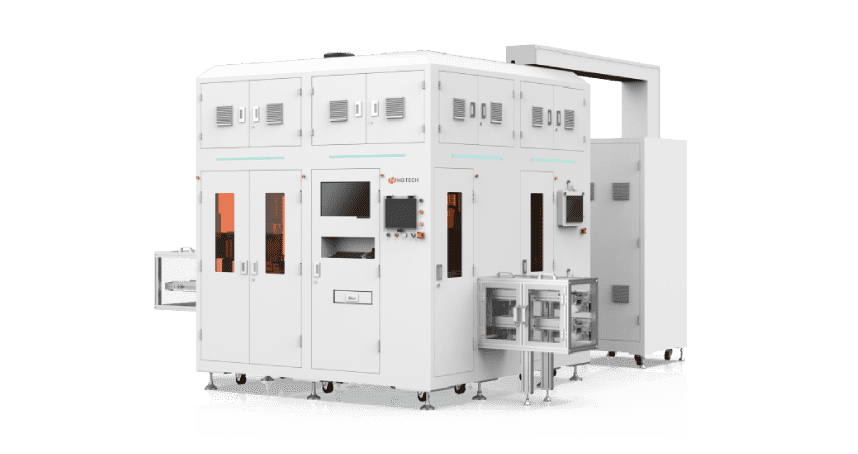
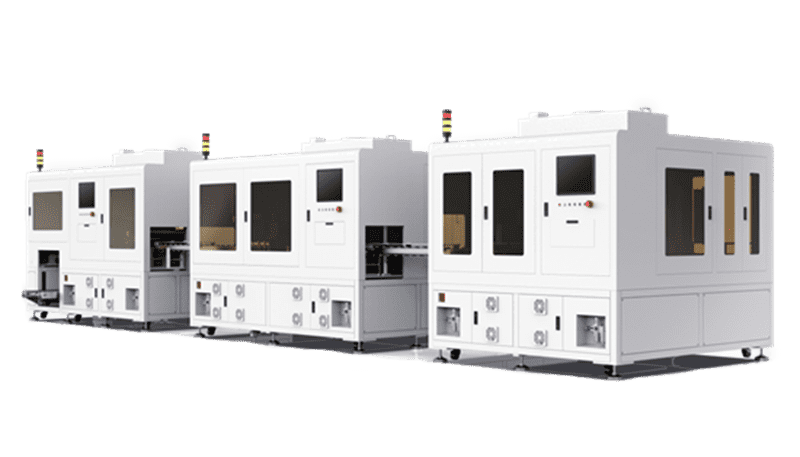
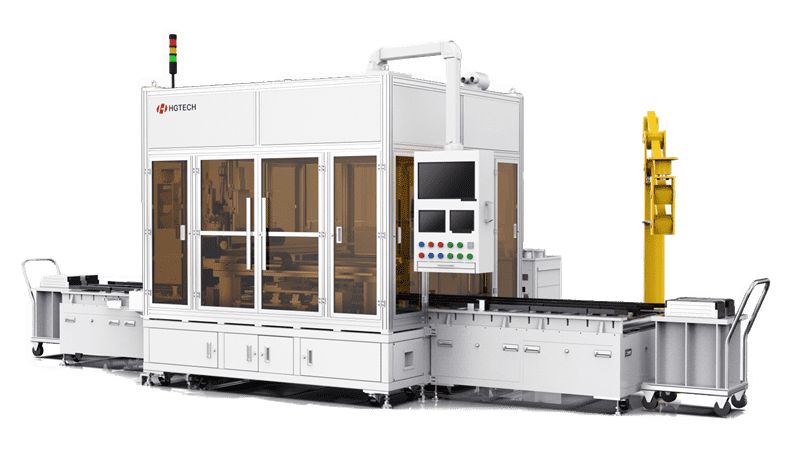
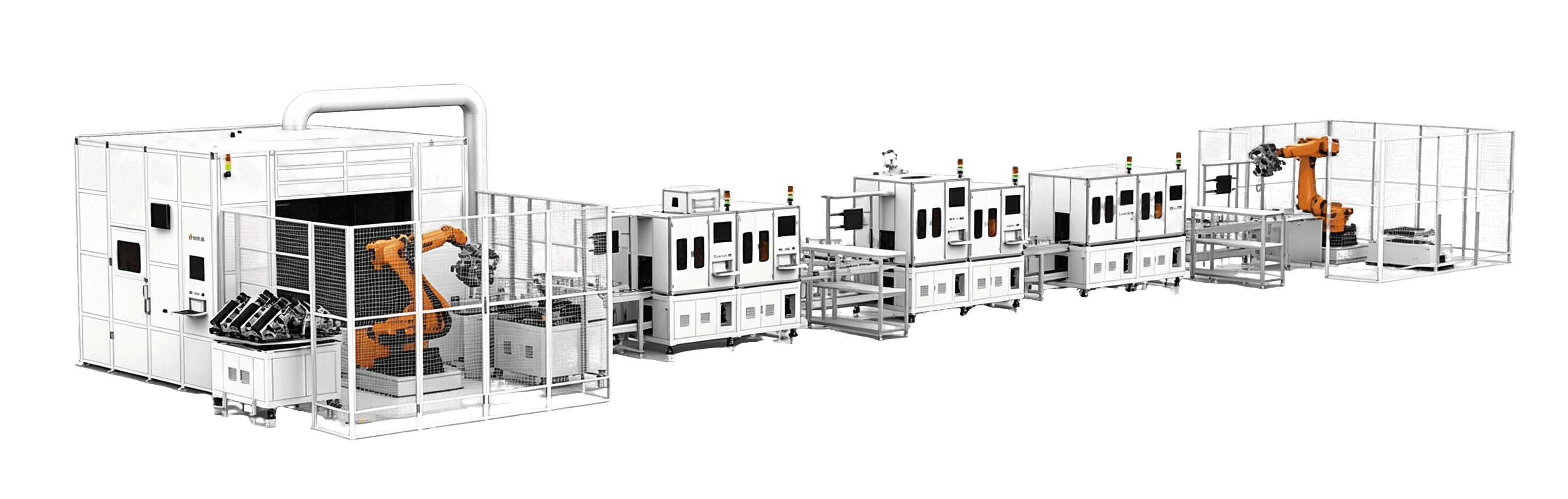
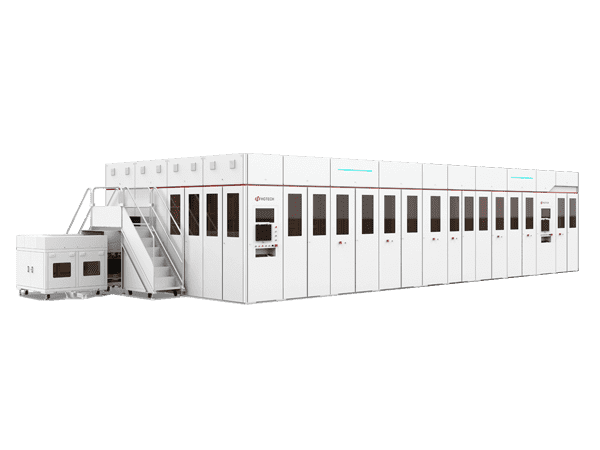
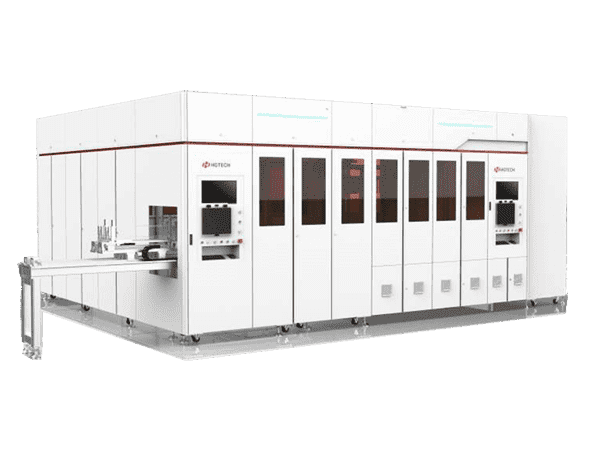
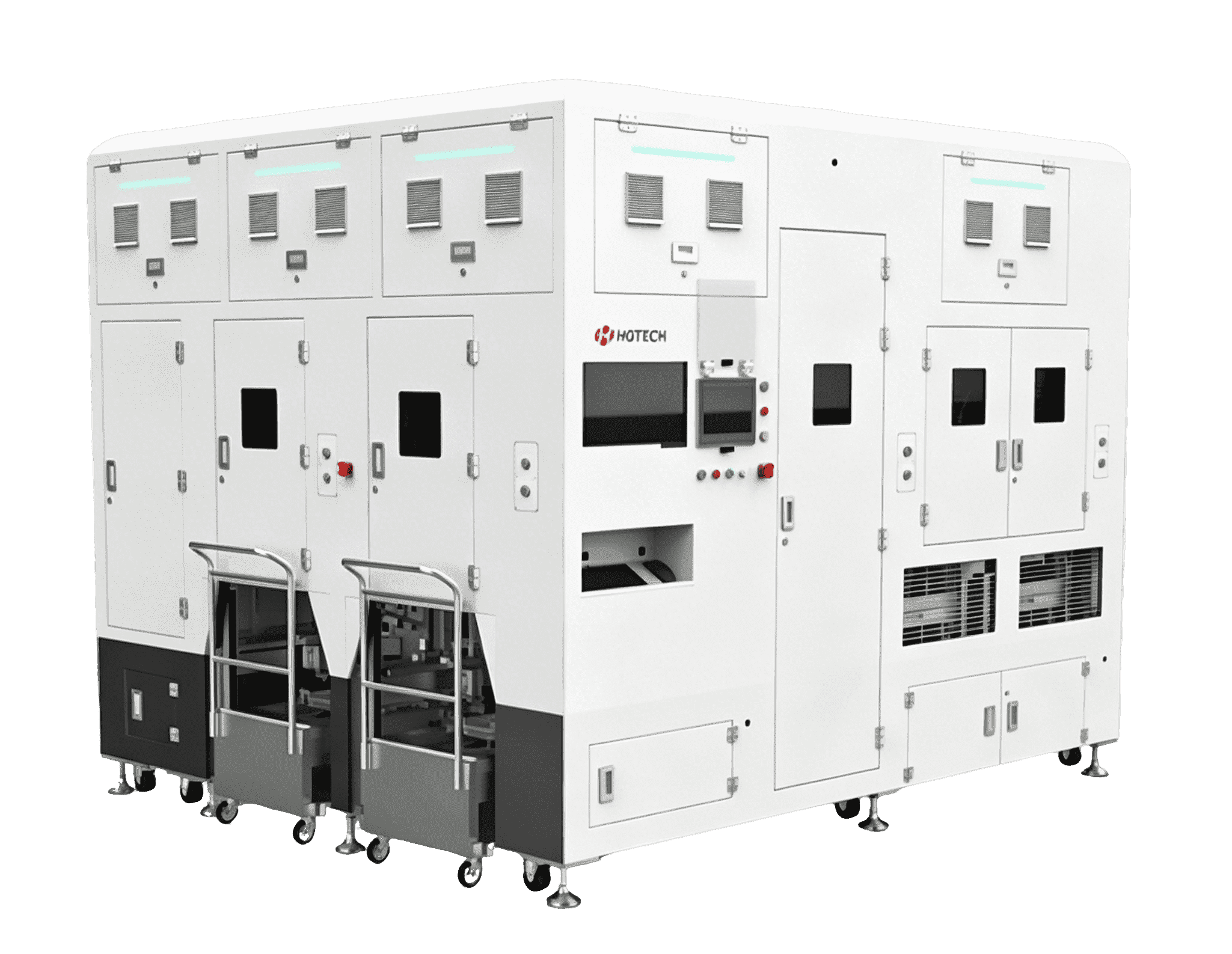
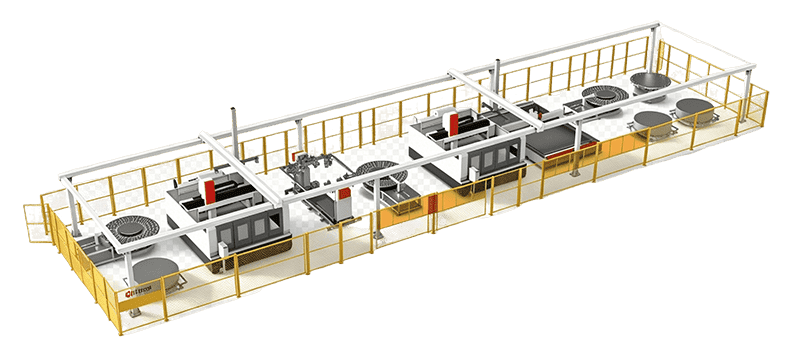
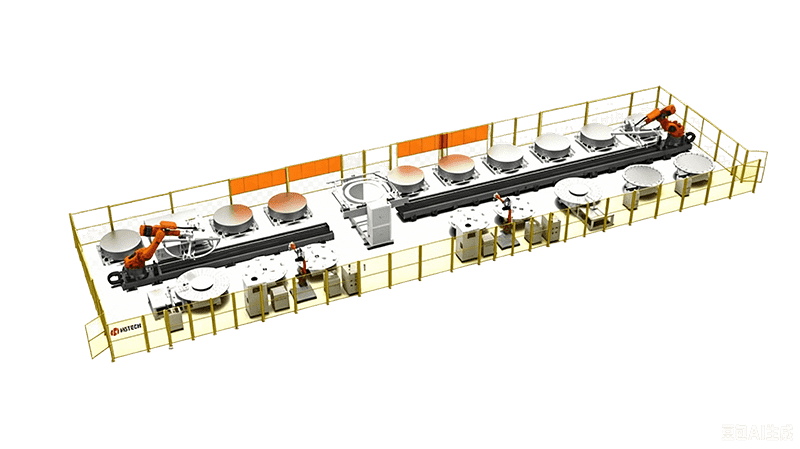
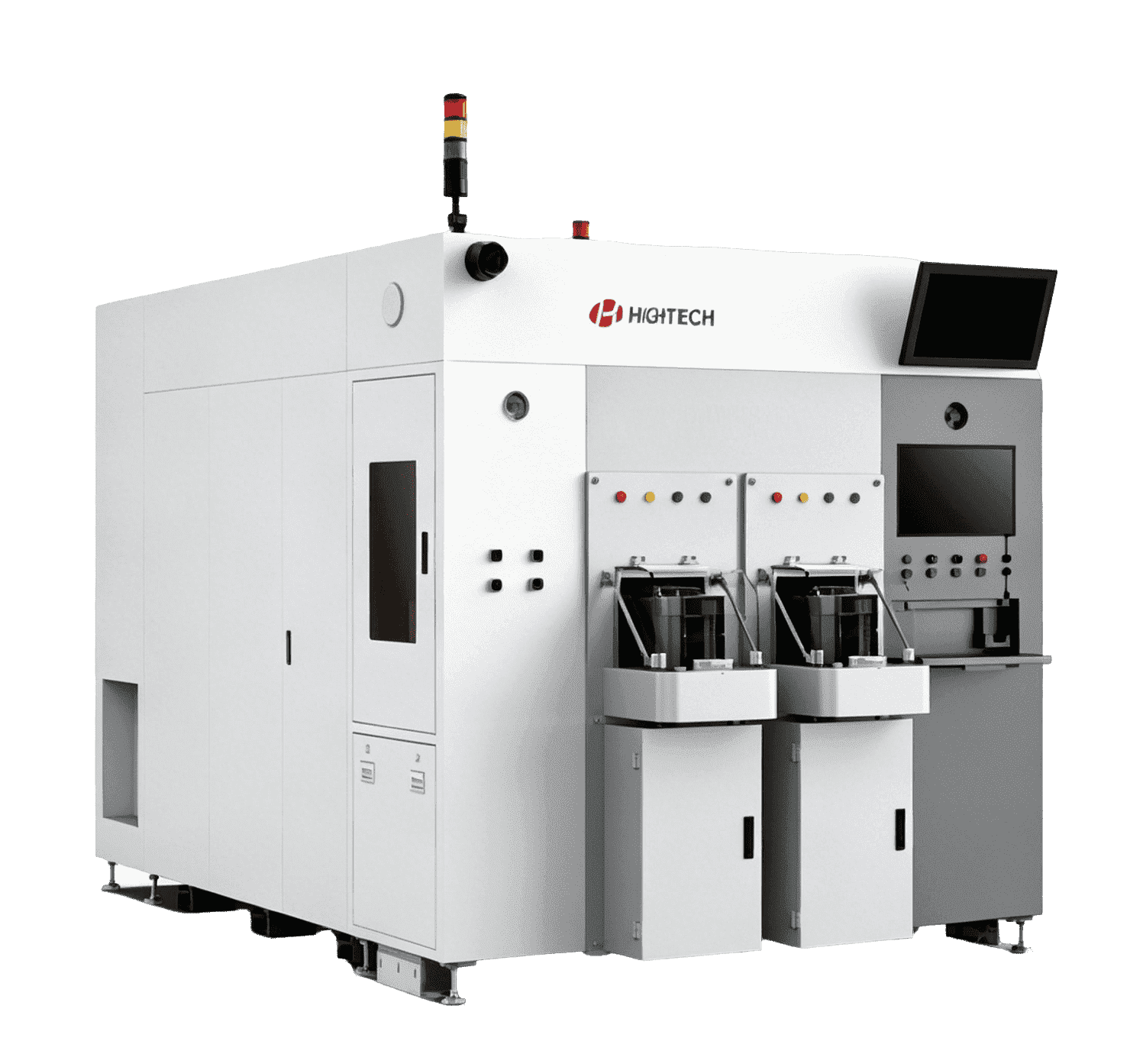
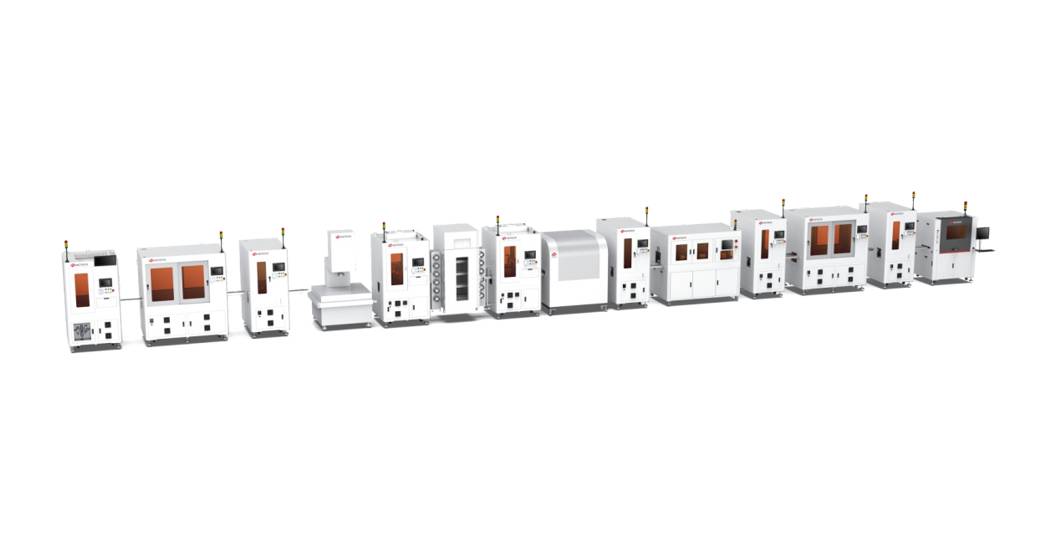
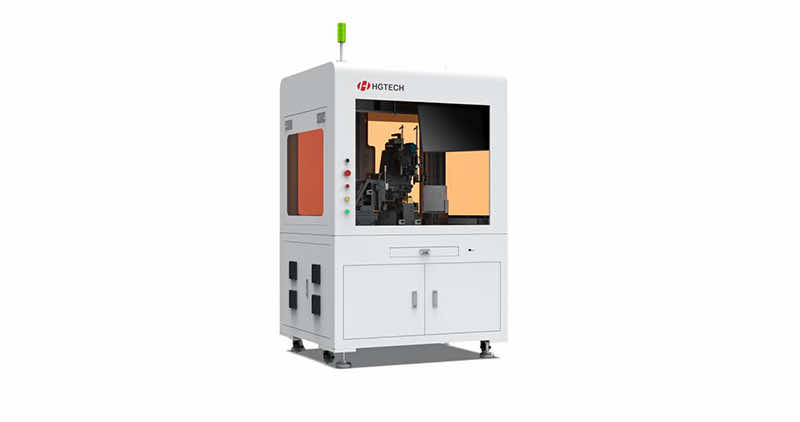
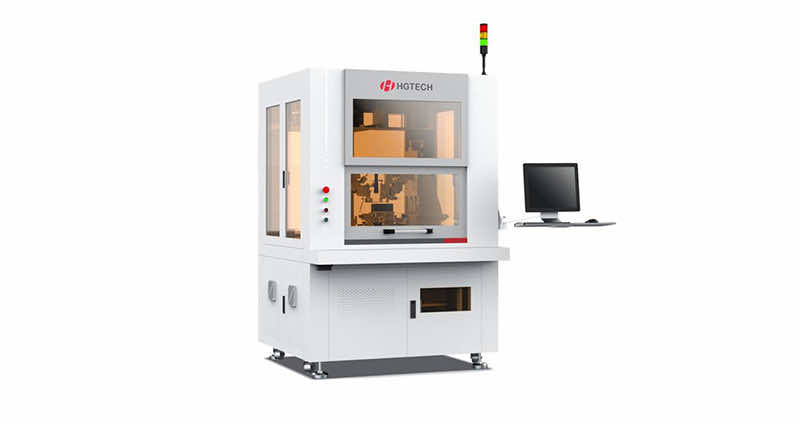
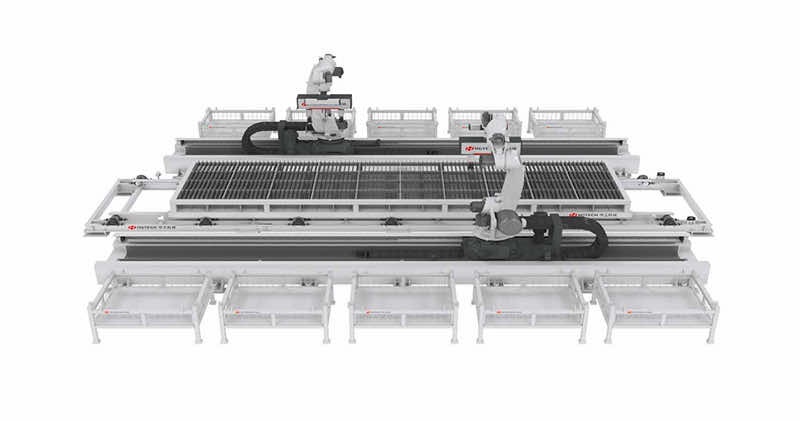
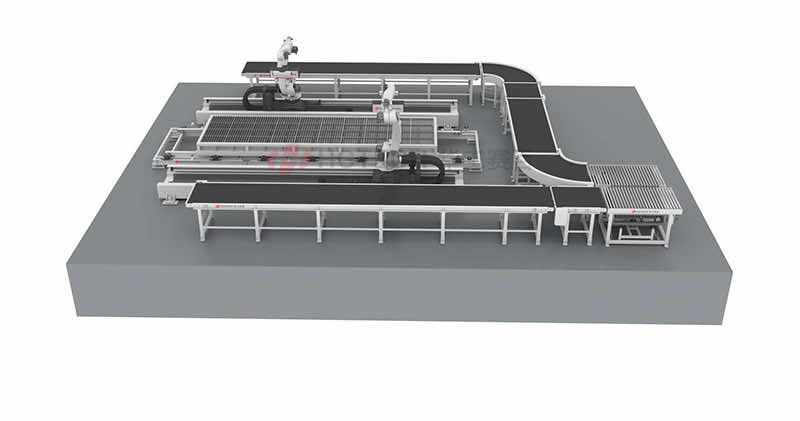
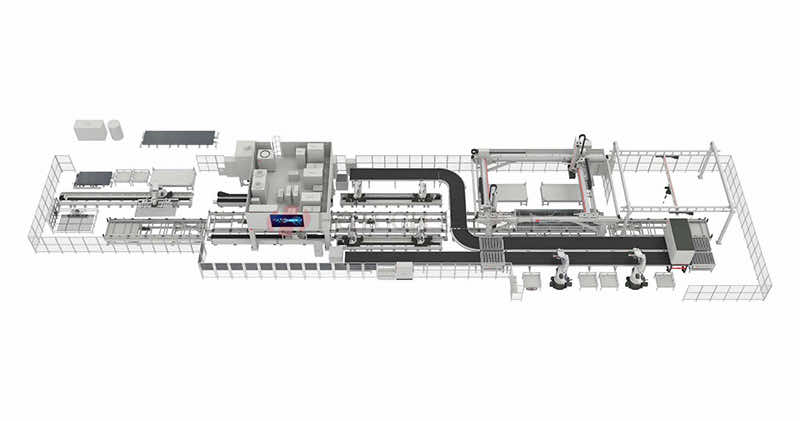
To address these pain points, HGLaser leveraged AI technology as a core breakthrough, becoming the first in the industry to solve the technical bottleneck of precise diaphragm handling. The company launched the second-generation automated assembly line for alkaline electrolyzers, deeply integrating AI visual recognition, multi-sensor fusion perception, and intelligent control algorithms. This enables 100% fully automated diaphragm picking and placement, completely solving the challenge of automated handling of flexible materials.
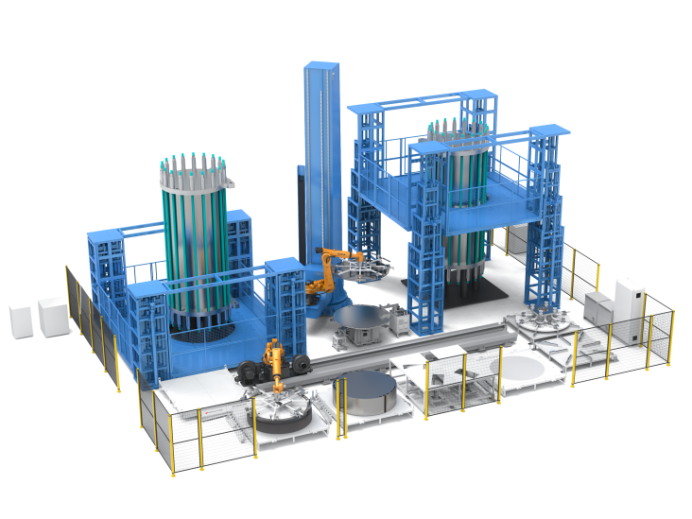
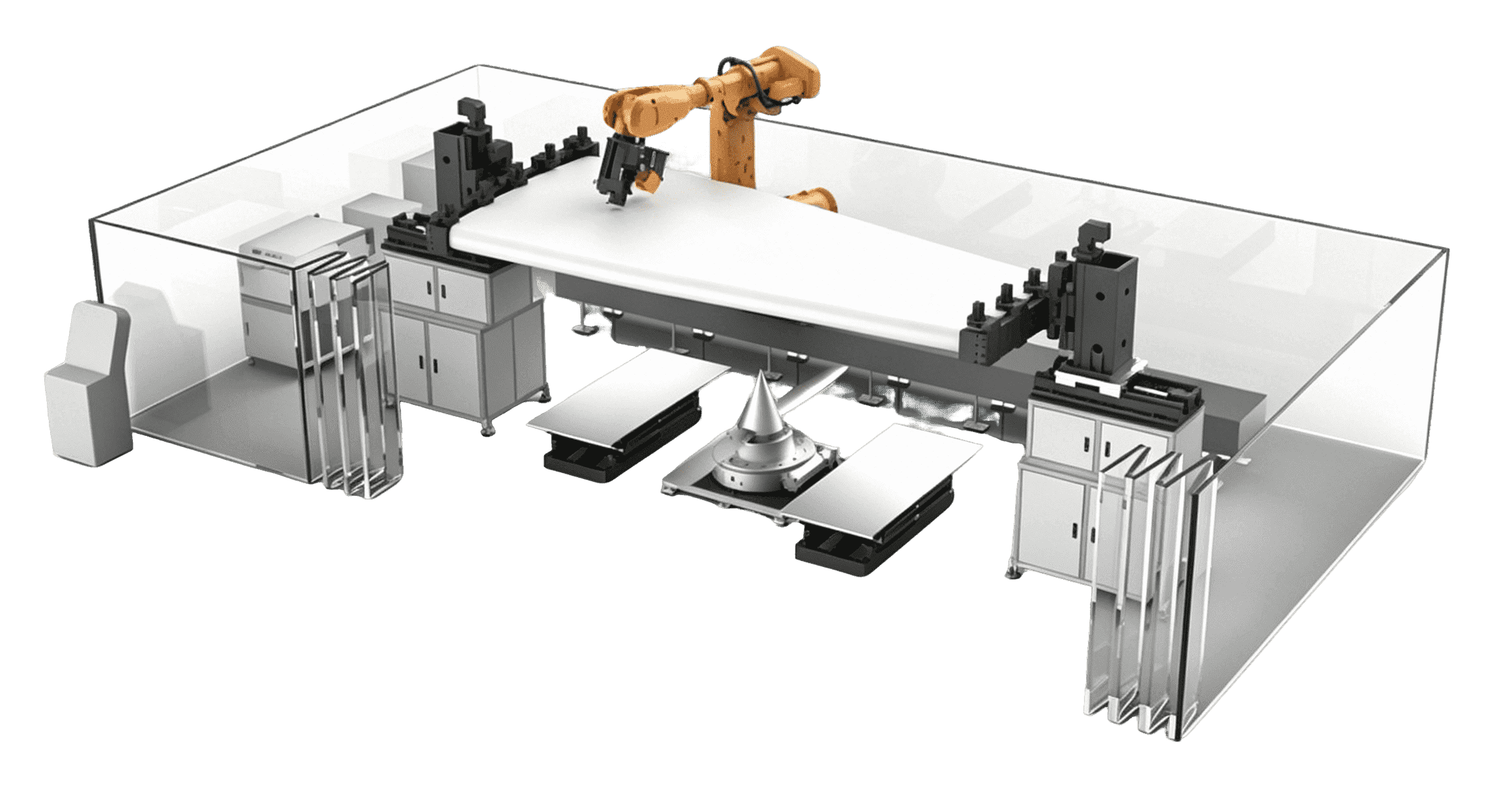
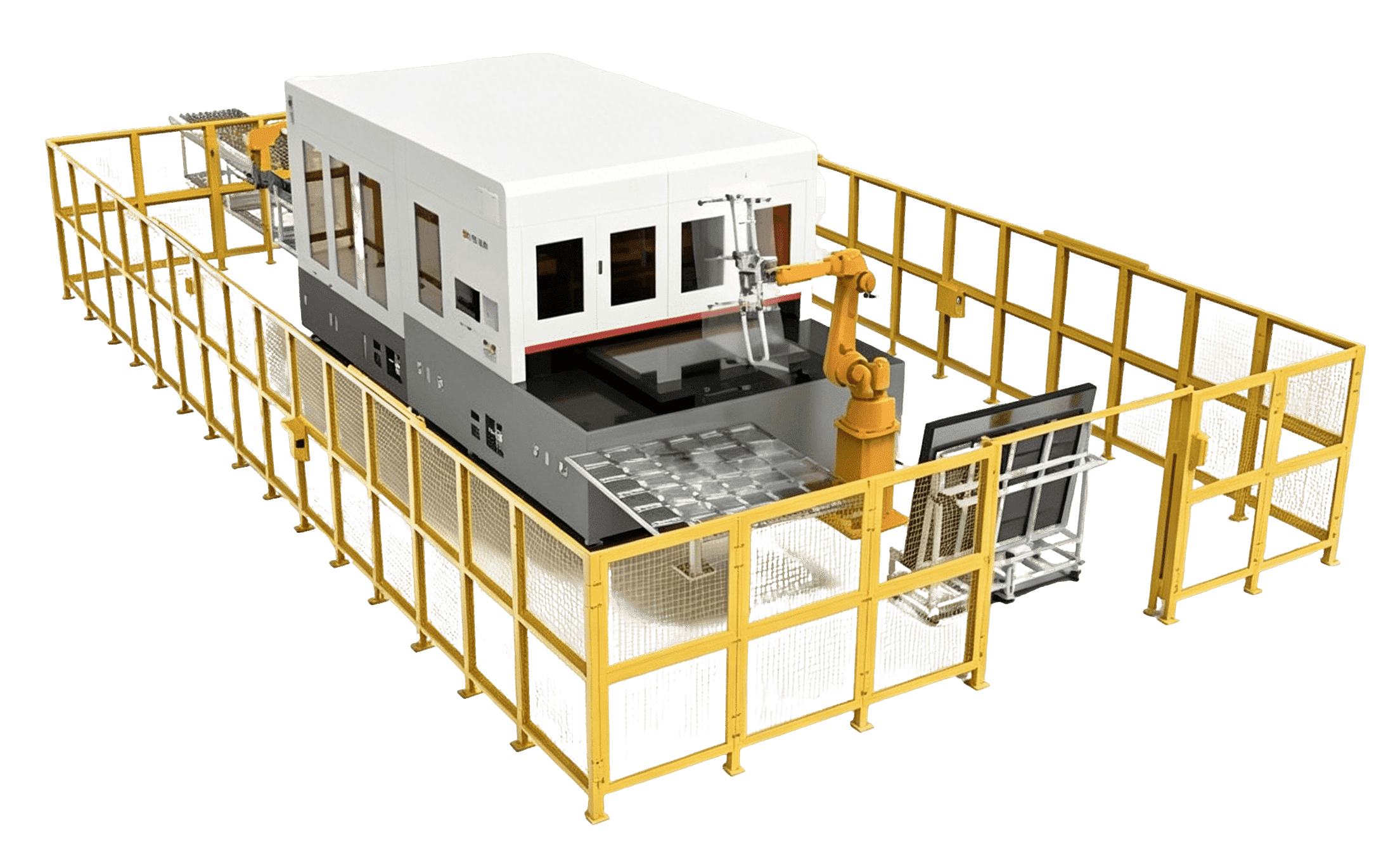
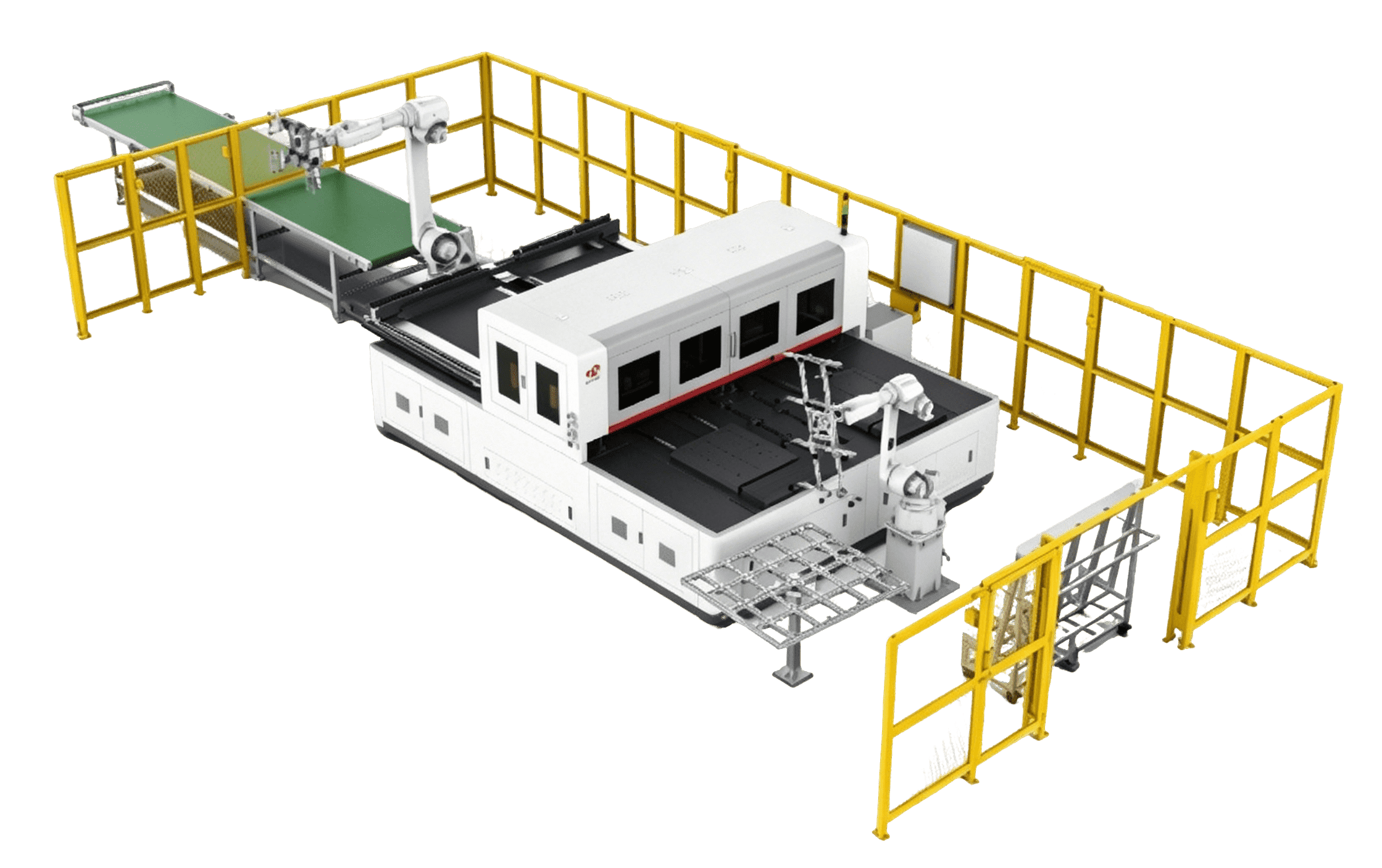
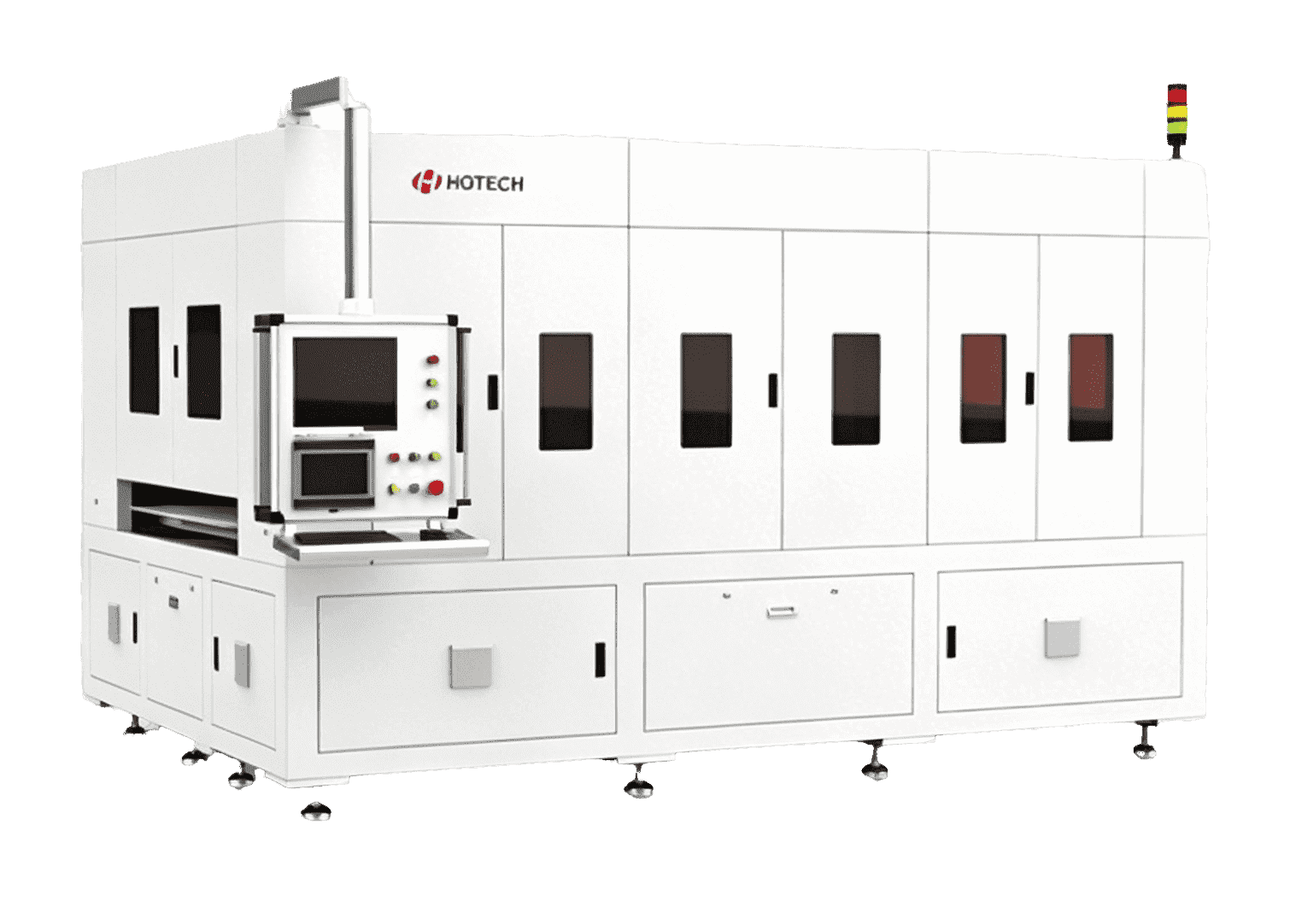
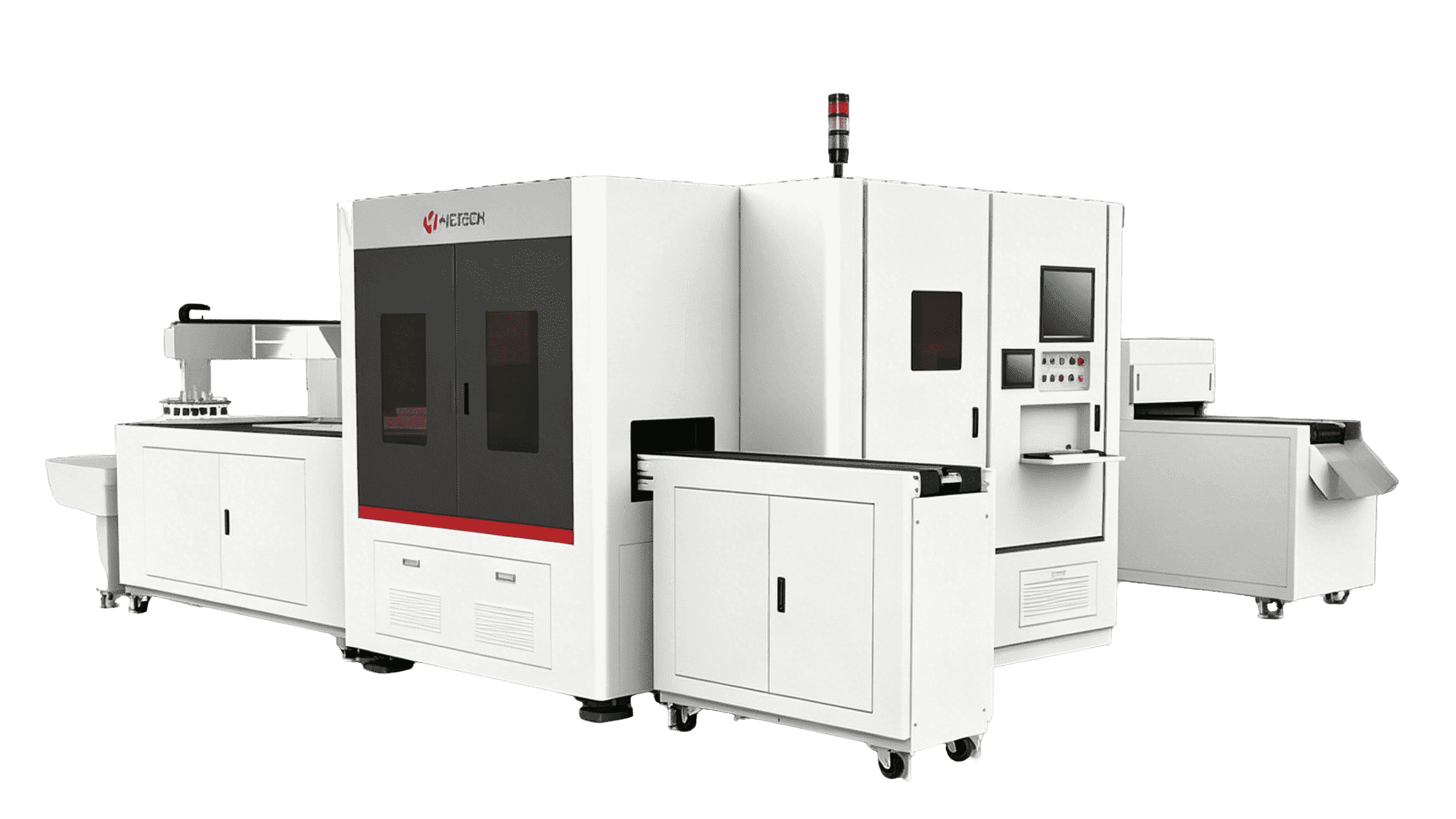
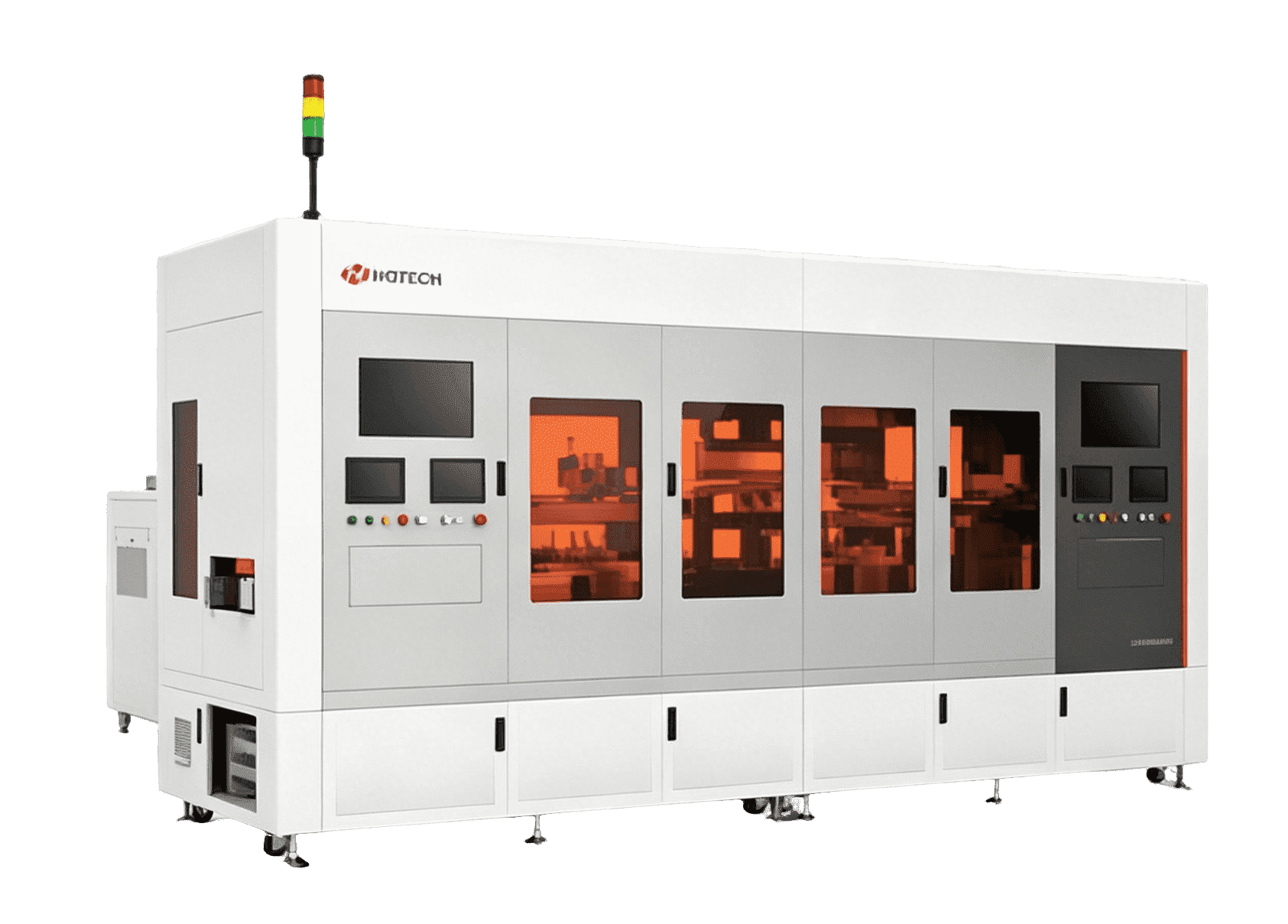
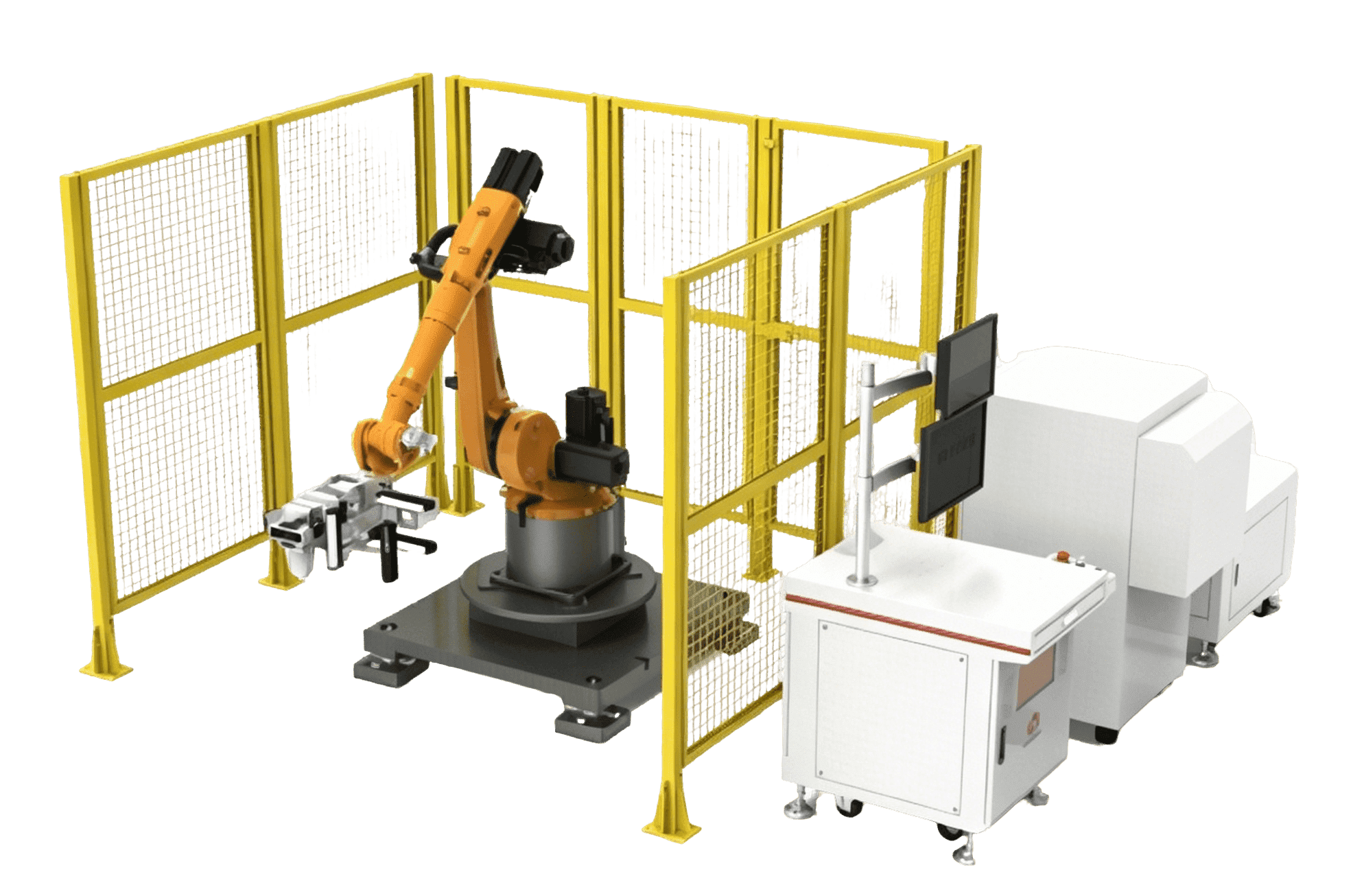
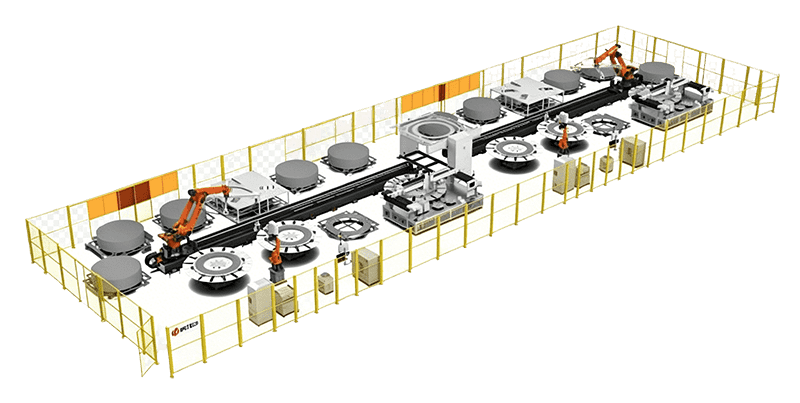
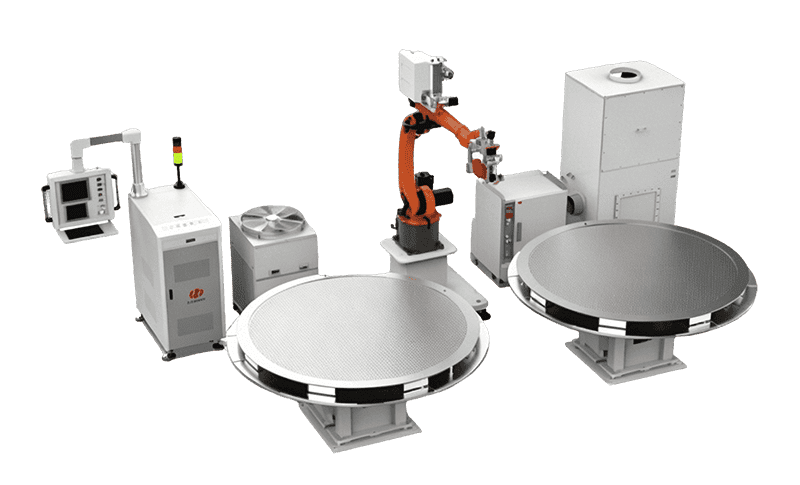
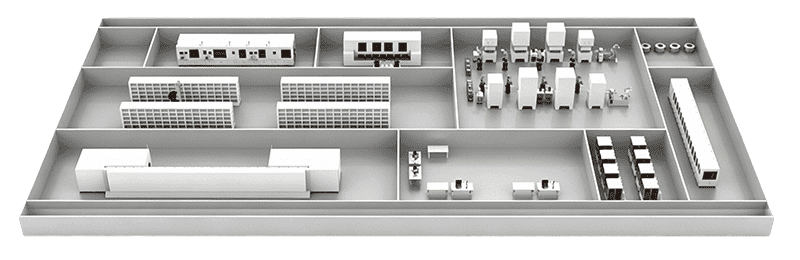
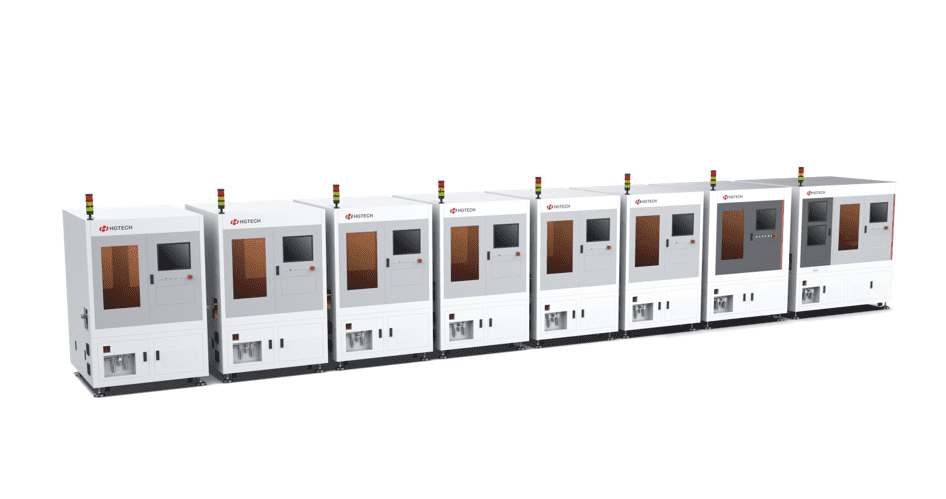
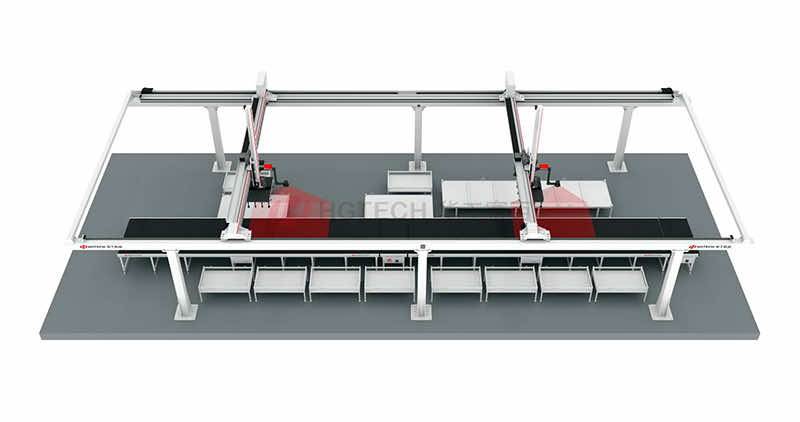
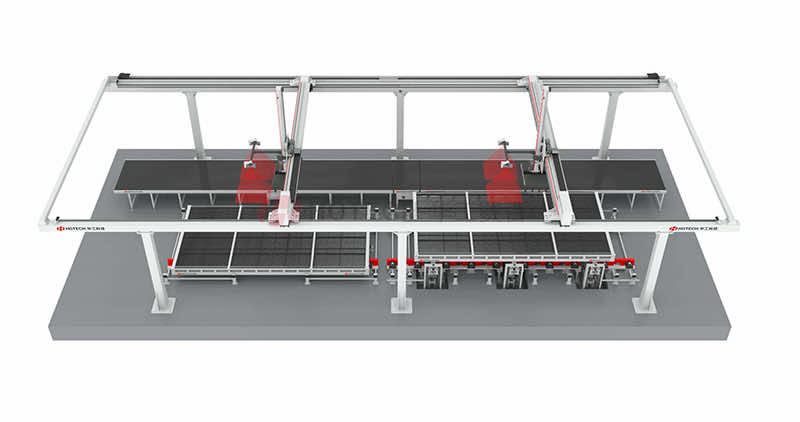
Designed to tackle issues of uncontrollable manual assembly quality, low efficiency, and poor precision consistency, the assembly line uses robots for large-area flexible material handling, AI vision for precise multi-material picking and positioning, and achieves high-precision, efficient stacking of various flexible components. It is compatible with multiple technical routes and supports flexible production of 500–2000 standard cubic meter electrolyzers. The line achieves seamless process flow from components to finished products, ensuring high yield, stability, and consistent large-scale production.
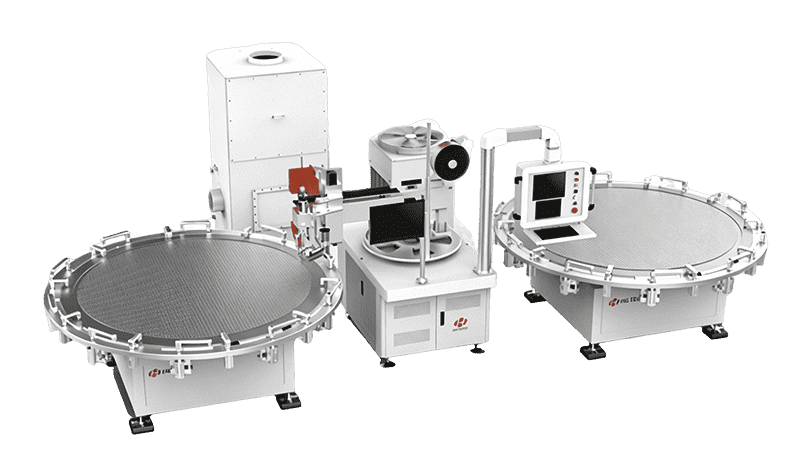
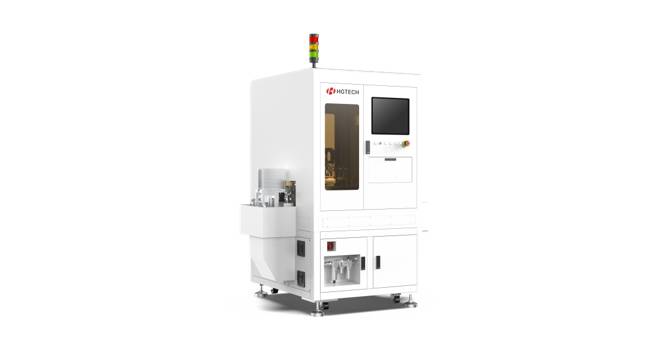
Diaphragms are automatically picked with custom suction cups and pre-fixed with adhesive to prevent displacement. Using AI-based coarse and fine multi-vision positioning systems, 100% of materials are fully assembled automatically, ensuring cell assembly precision and completely replacing manual diaphragm placement.
The AI algorithm integrates multi-level visual inspection with closed-loop displacement control, establishing a measure-feedback-compensate closed-loop system. Overall verticality ≤ ±6 mm, warpage ≤ ±1 mm (@1000 Nm³), overall shaft diameter deviation ≤ ±1.5 mm; repeat positioning accuracy ≤ ±0.2 mm @ 2 m, avoiding misalignment that could compromise gas tightness or performance.
Cell stacking efficiency ≤ 6 minutes per group, with assembly time per electrolyzer reduced by over 50%. Annual production capacity exceeds 100 units per line, supporting rapid deployment of GW-scale projects.
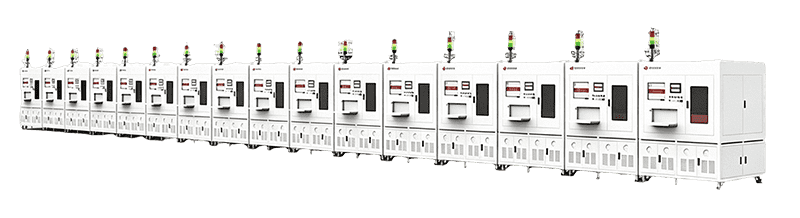
The full process is controlled intelligently, integrating MES (Manufacturing Execution System) with logistics flow modules, supporting automatic quality assessment, data traceability, and self-learning of process parameters. Human intervention is minimized, enabling fully unmanned, safe operation.
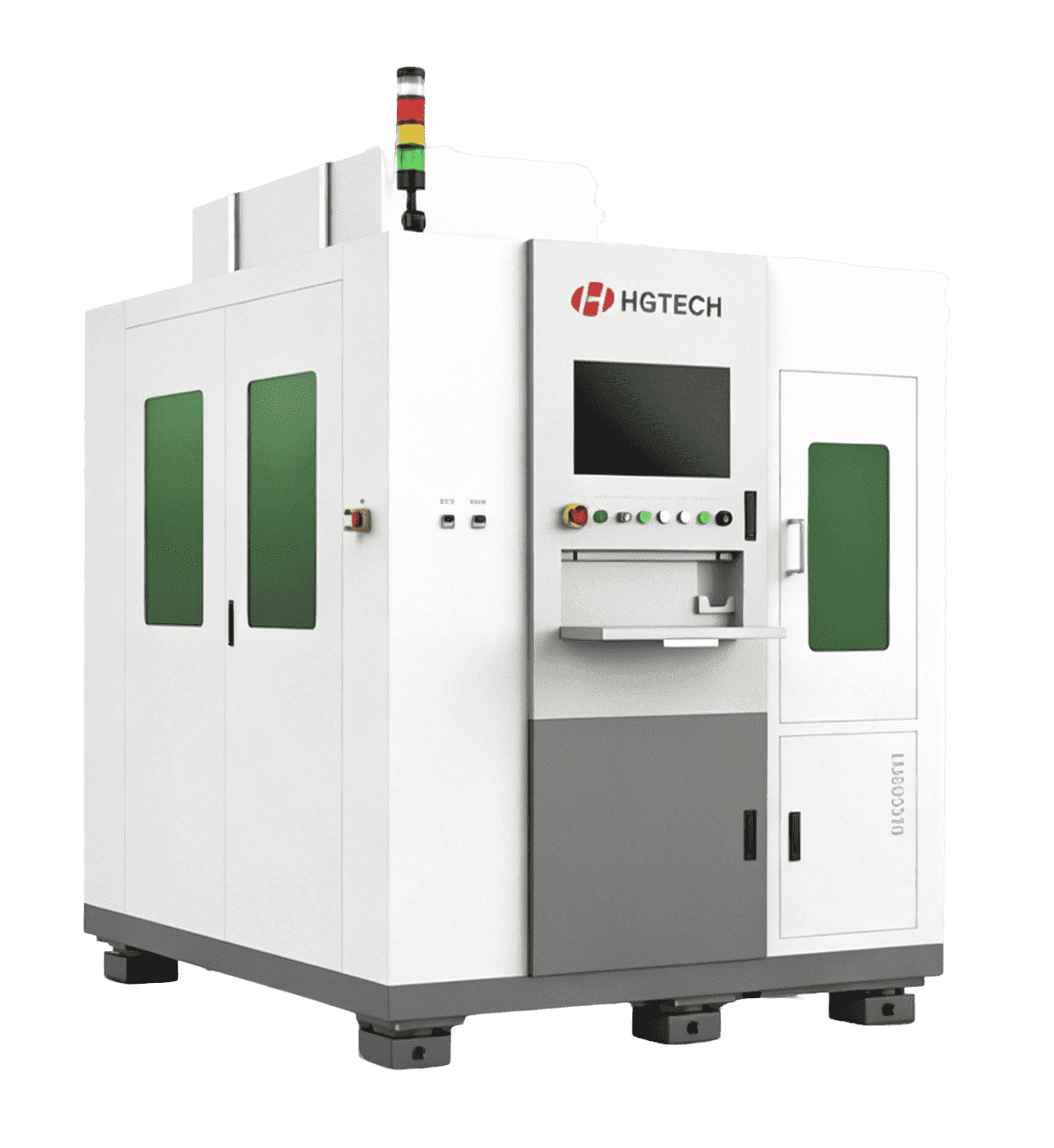
Since entering the hydrogen energy field in 2016, HGLaser has overcome technical bottlenecks in laser welding of fuel cell metal bipolar plates. In 2025, HGLaser pioneered the industry’s first weld-tracking + single-side welding double-sided forming technology, achieving efficient and precise welding of alkaline electrolyzer frames and grids. Starting from single processes, the company has gradually expanded to a full-chain layout.
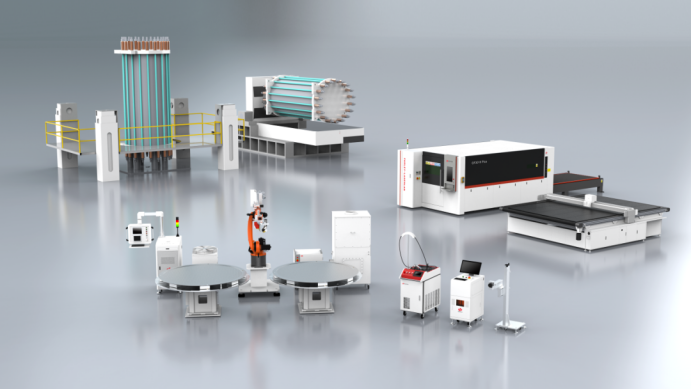
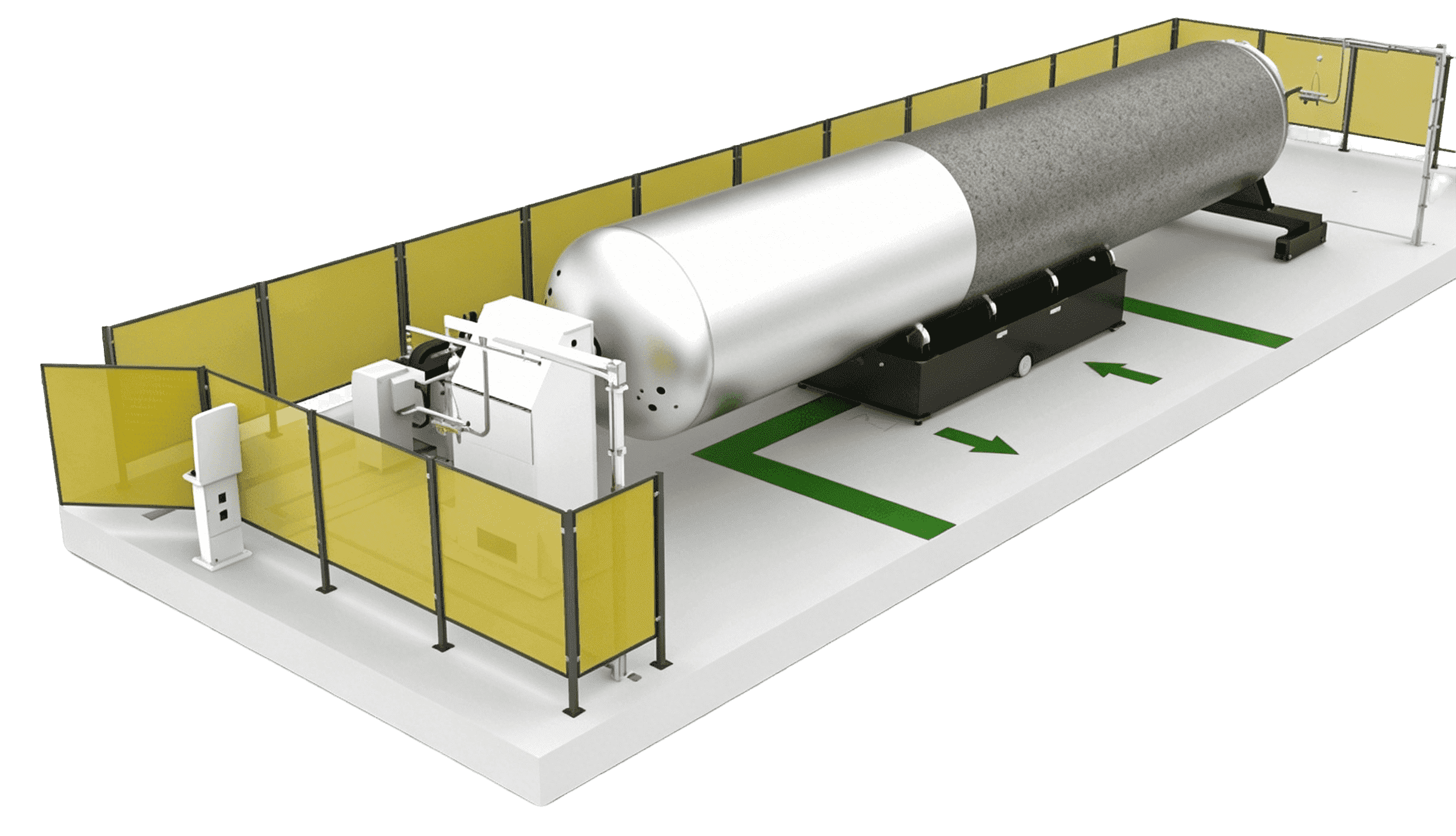
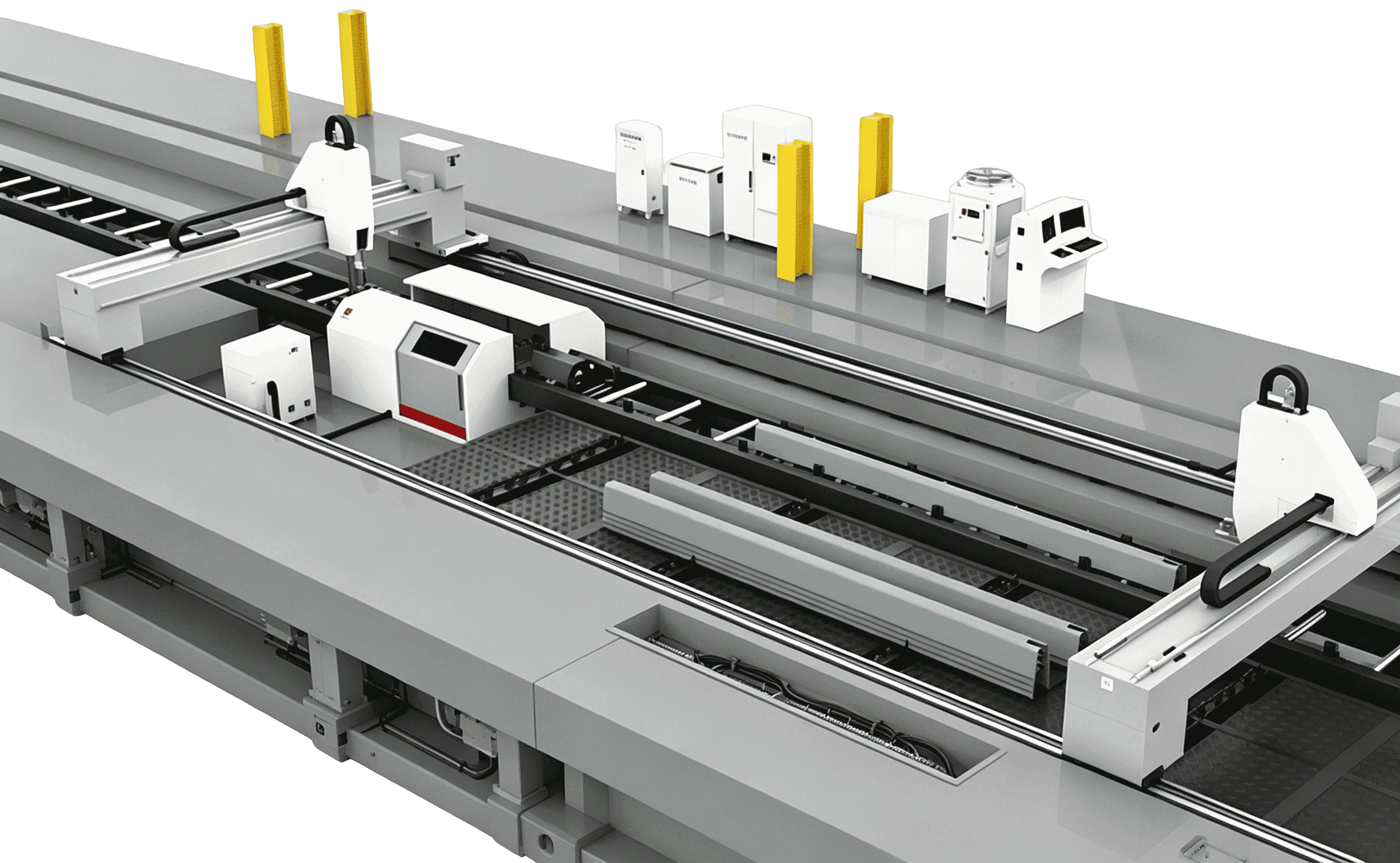
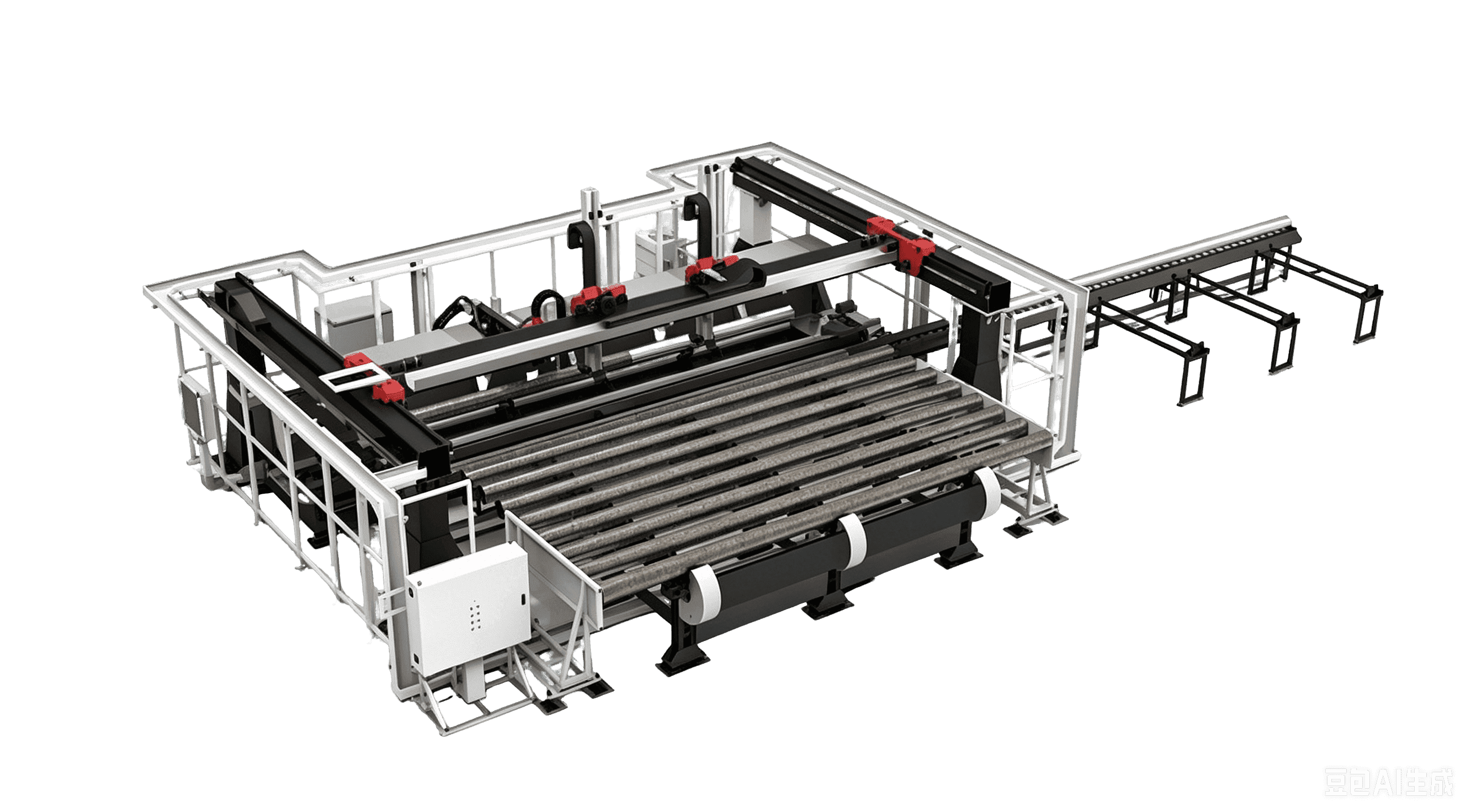
Today, HGLaser has built a complete product matrix covering hydrogen production, storage, and utilization. Focusing on connecting the key paths from production to usage, the company offers 9 types of critical materials, 22 intelligent equipment models, 13 automated production lines, and 2 factory-level solutions, providing a full-stack, one-stop solution for the entire hydrogen energy value chain.
Looking ahead, HGLaser will continue to empower hydrogen intelligent manufacturing with AI, deeply explore core technologies in hydrogen production, storage, and utilization, continuously drive new productivity, create greater value for global customers, and lead the industry toward high-efficiency, large-scale, and intelligent development—accelerating the hydrogen energy industry toward a greener future.
 share
share