Automobile Industry
Automotive Laser Manufacturing



 May 22, 2026
 70 Viewed
In modern industrial manufacturing, the surface performance of components directly determines product durability and reliability. Traditional heat treatment methods often face challenges such as complex processes, uneven heating, and high energy consumption, whereas laser quenching technology is increasingly becoming the preferred solution for metal surface strengthening due to its high precision, speed, and controllability. Laser quenching uses a high-energy-density laser beam to rapidly heat the metal surface, followed by immediate cooling, significantly increasing surface hardness while maintaining internal toughness. This non-contact surface treatment method not only effectively extends the service life of components but also enhances their wear resistance and fatigue performance, providing reliable surface strengthening solutions for industries such as automotive, aerospace, mold manufacturing, and general machinery.
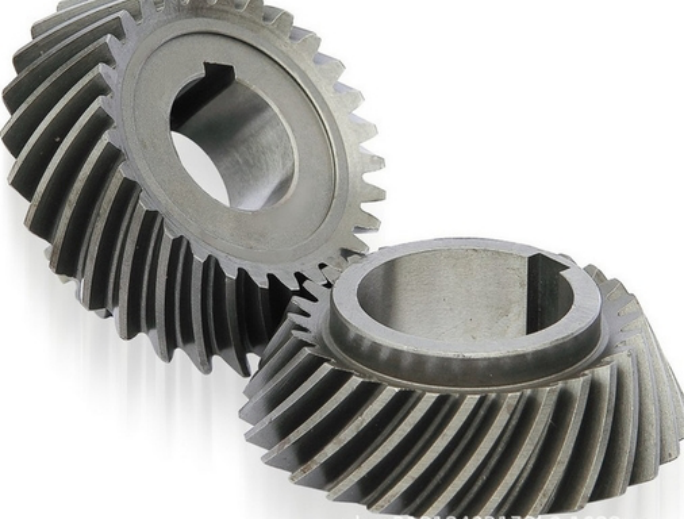
The core advantage of laser quenching lies in its precise energy control and localized treatment capability. In industrial applications, different materials and component geometries have varying heat treatment requirements, and traditional quenching methods often struggle to achieve uniform heating for complex structures. Laser quenching can precisely adjust laser power and scanning paths according to the workpiece geometry, achieving localized strengthening without affecting the overall structure. Compared to conventional resistance or flame quenching, laser quenching has a minimal heat-affected zone, which means components experience almost no deformation during processing, meeting the high-precision requirements of modern parts. Particularly for high-performance steels, tool steels, and aerospace aluminum alloys, laser quenching forms a uniform fine martensitic microstructure, greatly improving wear resistance and fatigue life.
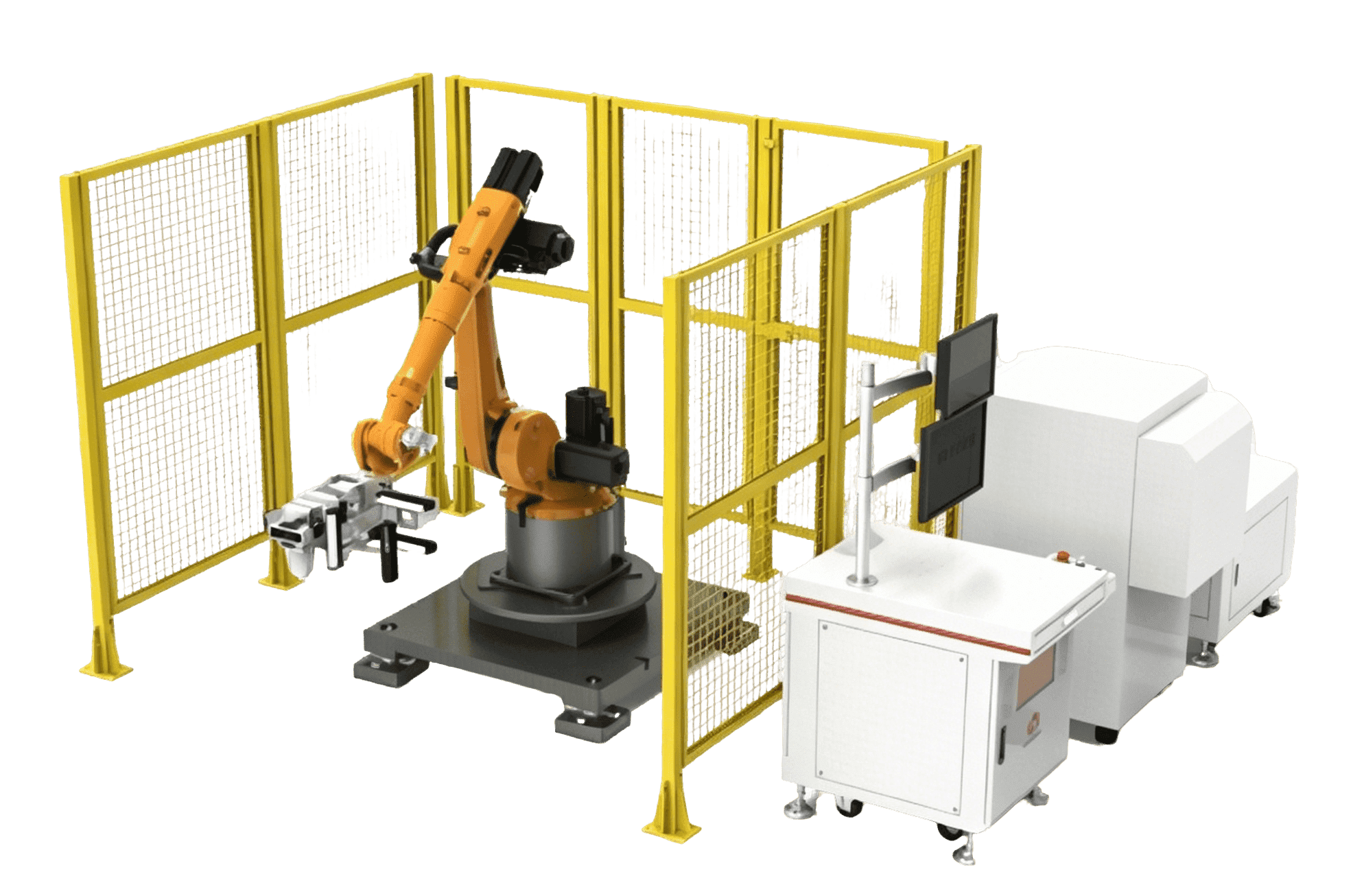
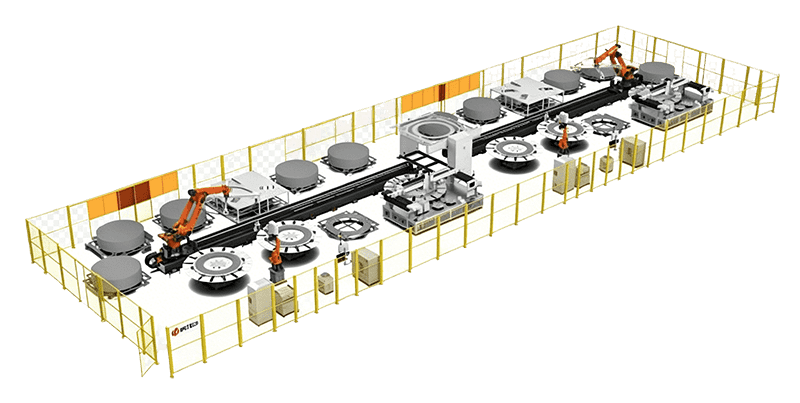
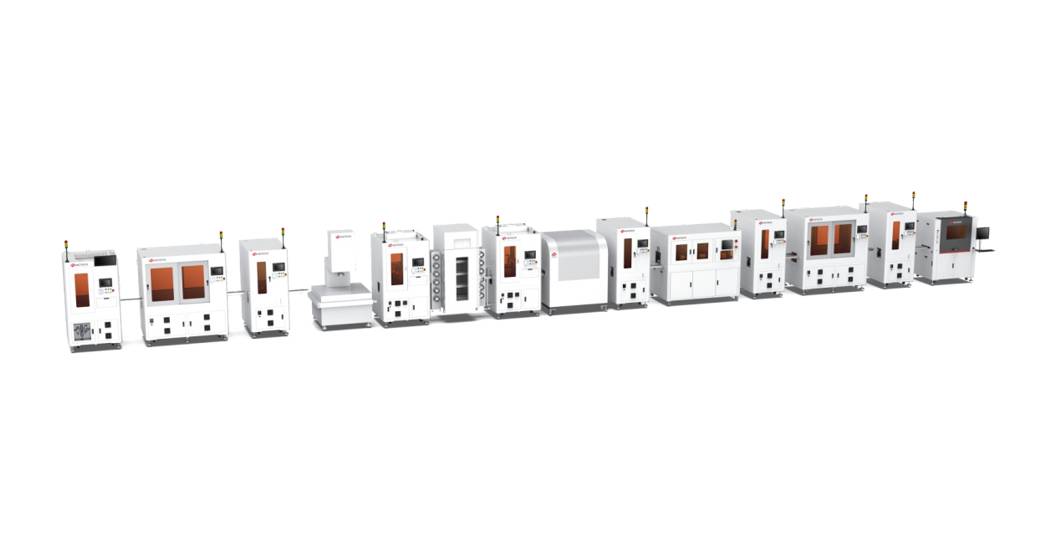
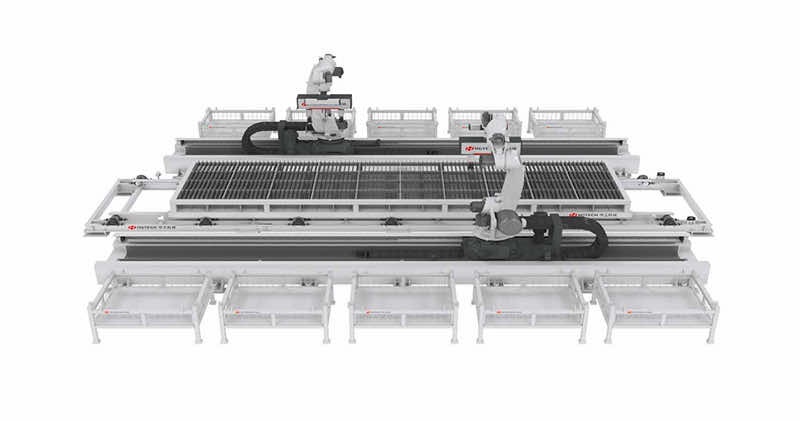
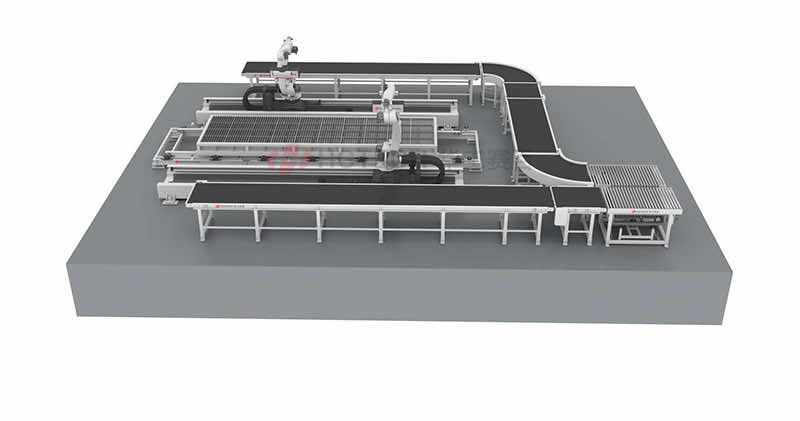
Moreover, laser quenching offers a high degree of automation and repeatability, allowing seamless integration with smart manufacturing systems for continuous production. Modern industrial production demands high efficiency and reliability, and the rapid scanning capability of laser quenching enables large-area components to be processed in a short time, significantly reducing production cycles. At the same time, its non-contact approach minimizes contamination and oxidation issues common in conventional heat treatments, improving yield rates. By optimizing laser parameters and scanning strategies, companies can customize surface hardening depth and hardness distribution according to specific operating conditions and performance requirements, achieving “on-demand strengthening” for high-end automotive components, precision molds, and energy equipment.
With the advancement of Industry 4.0 and intelligent manufacturing, laser quenching is not only a surface strengthening technology but also a key part of digitalized and intelligent production. Real-time monitoring of processing conditions via sensors, combined with data-driven process optimization, allows for precise, efficient, and traceable surface treatment. For industrial applications that demand high performance and long service life, laser quenching provides a safe, efficient, and environmentally friendly solution.
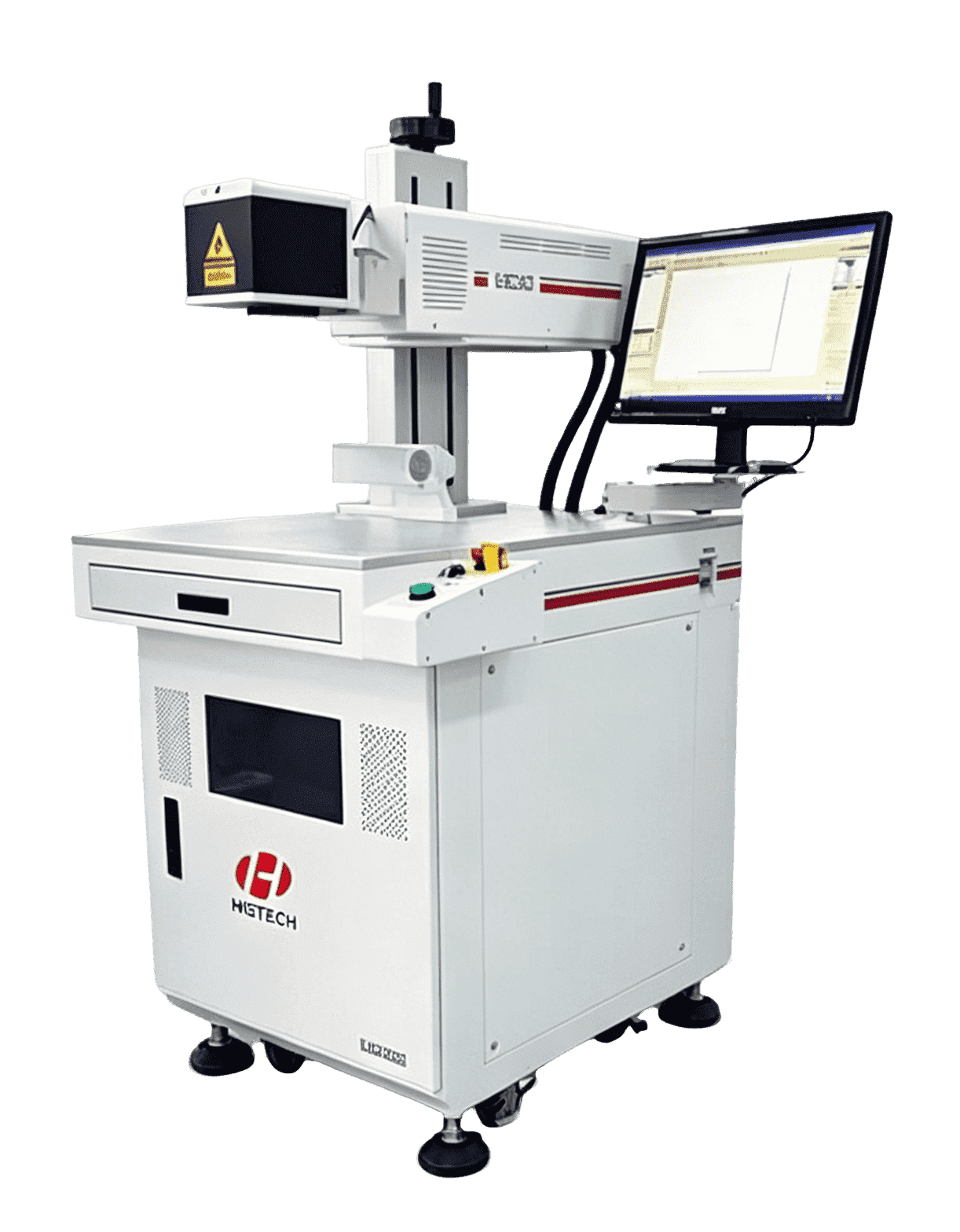
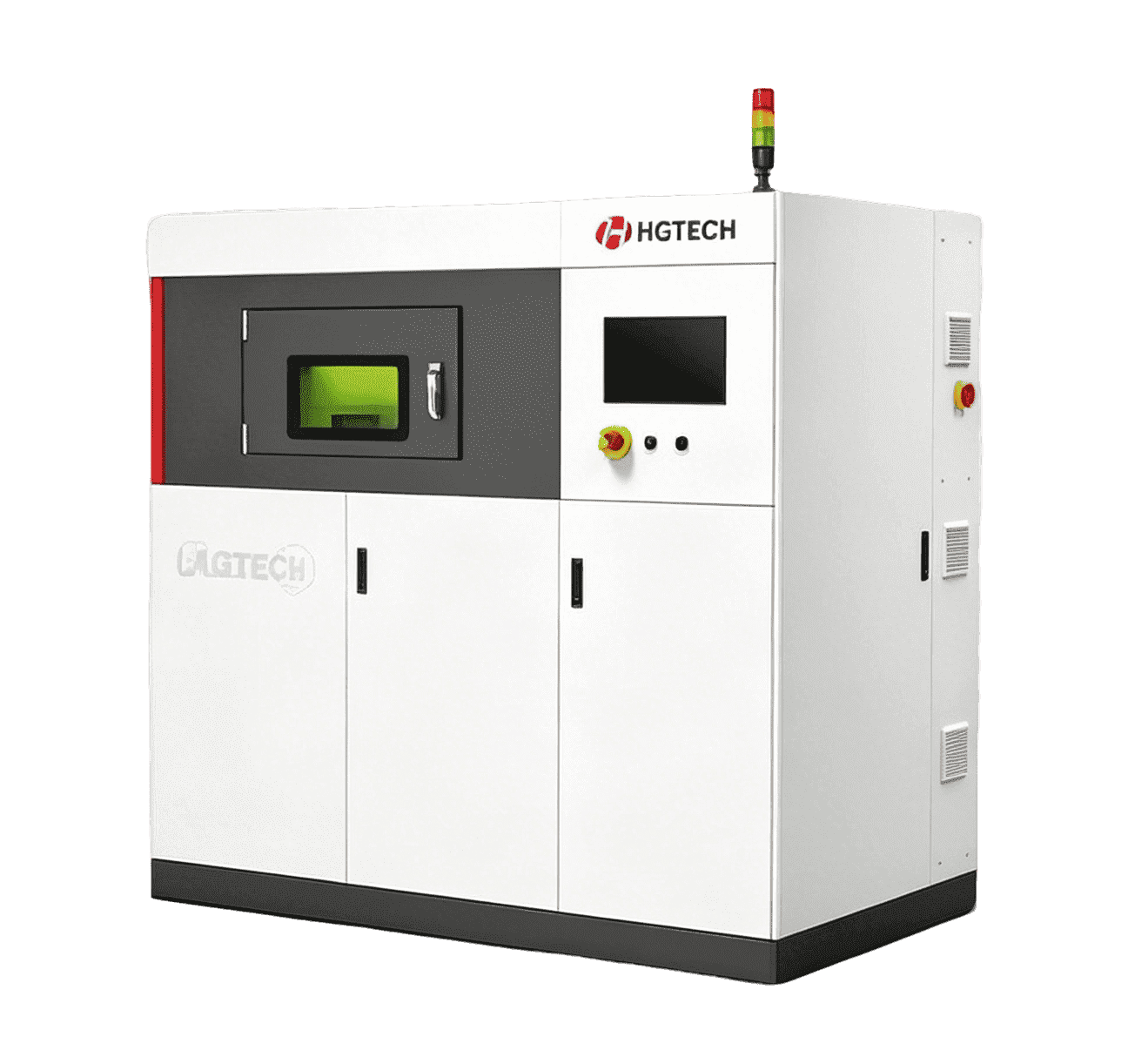
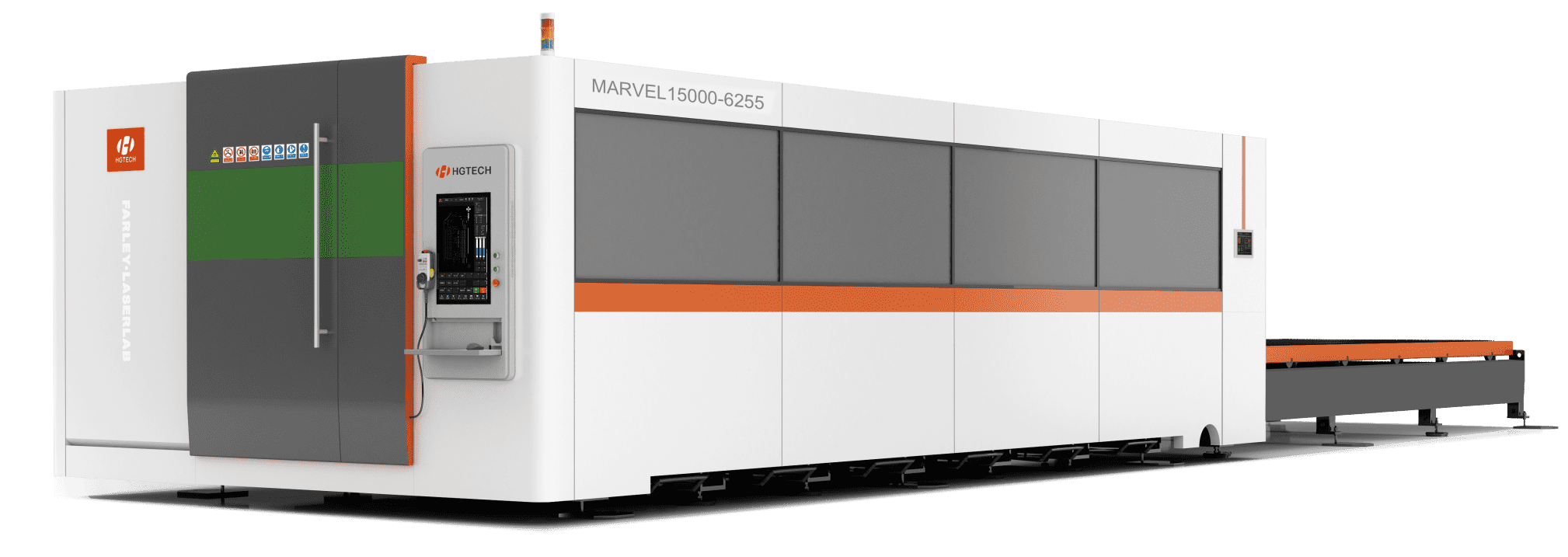
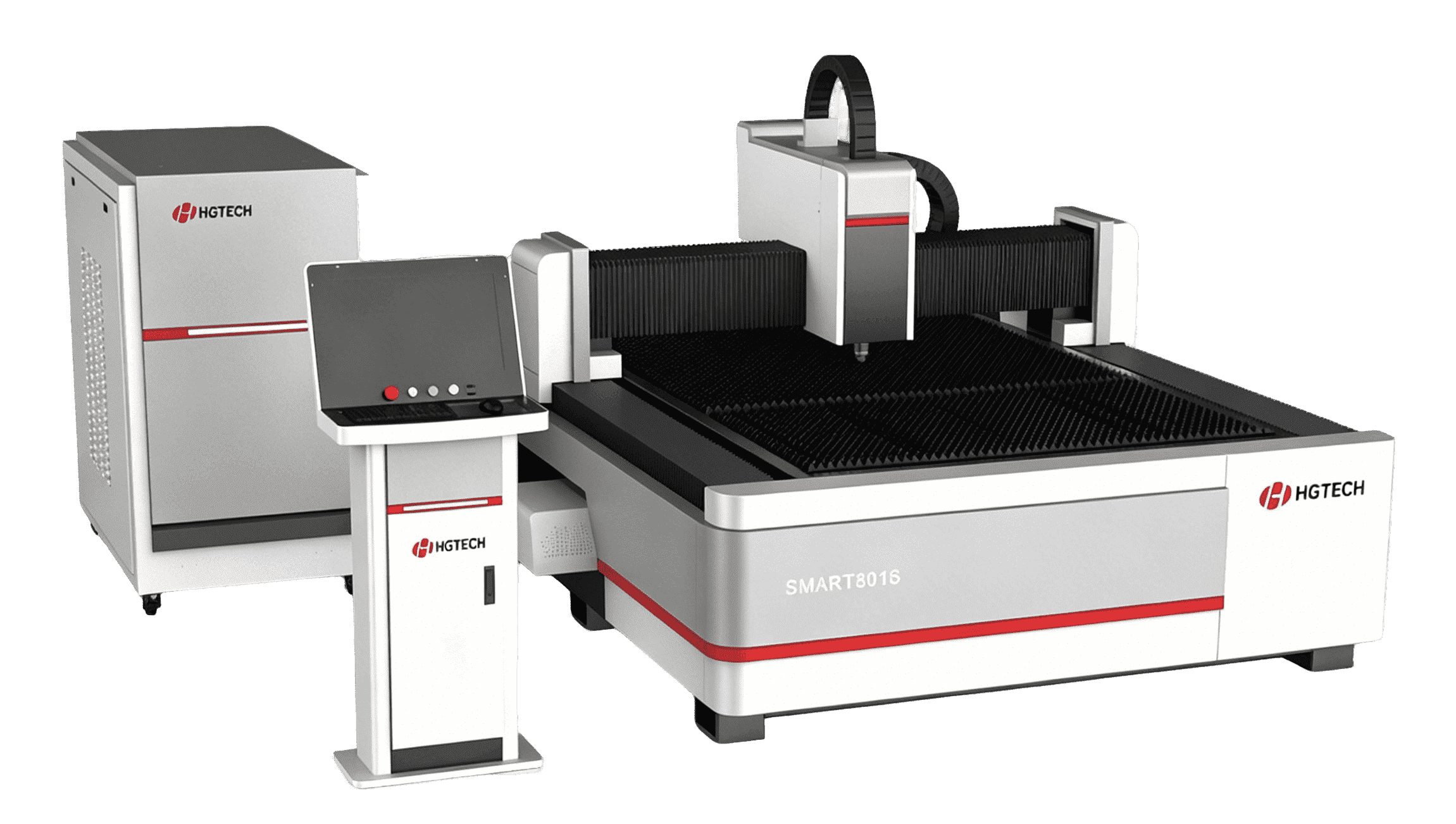
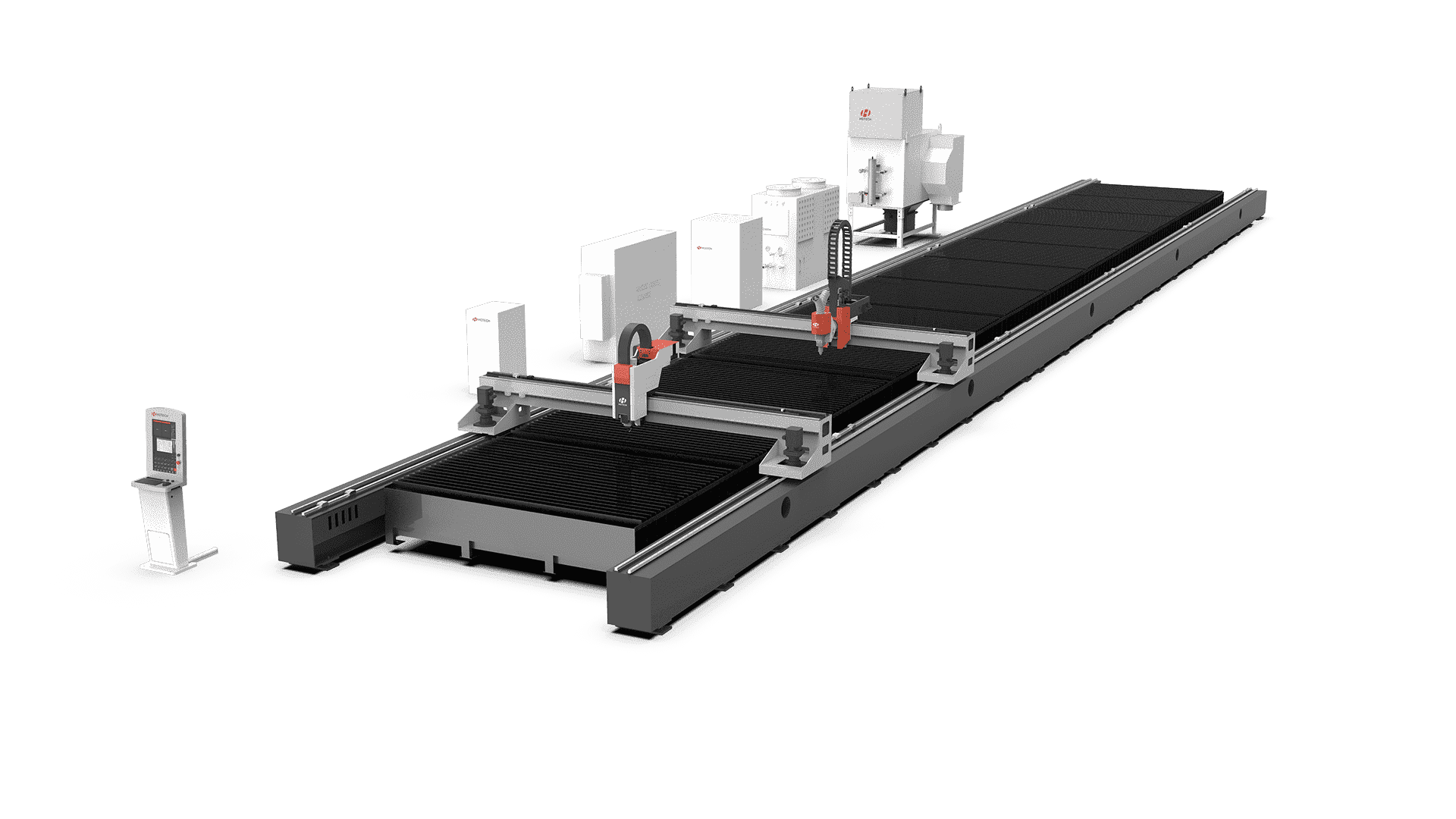
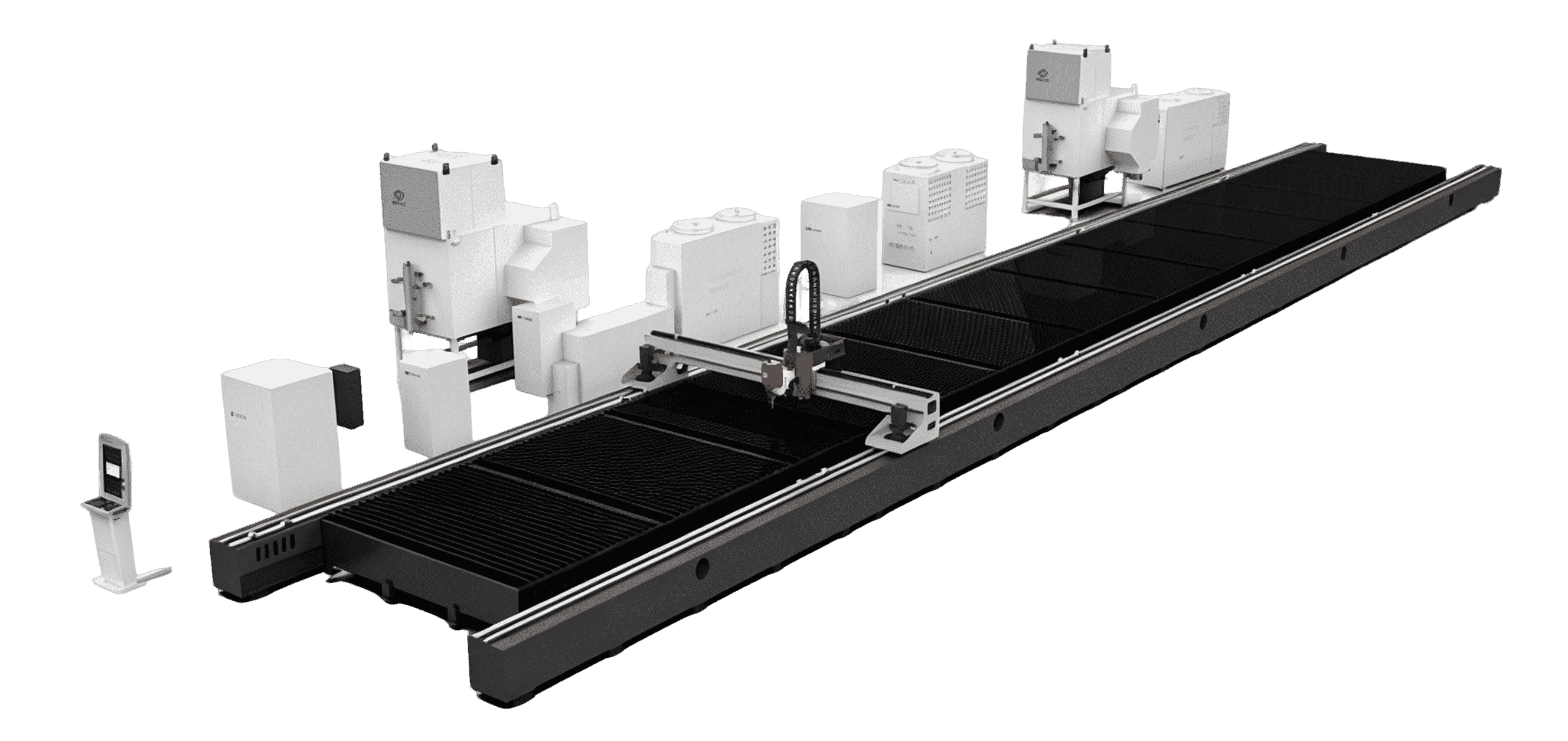
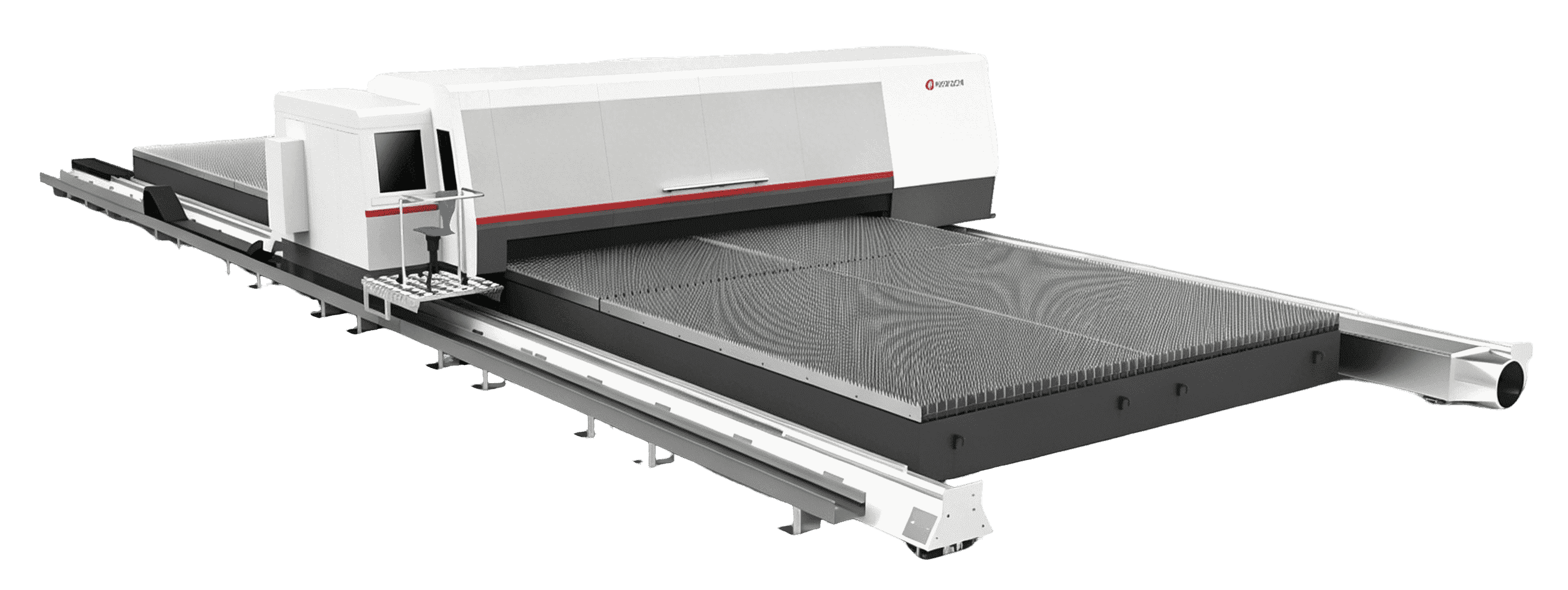
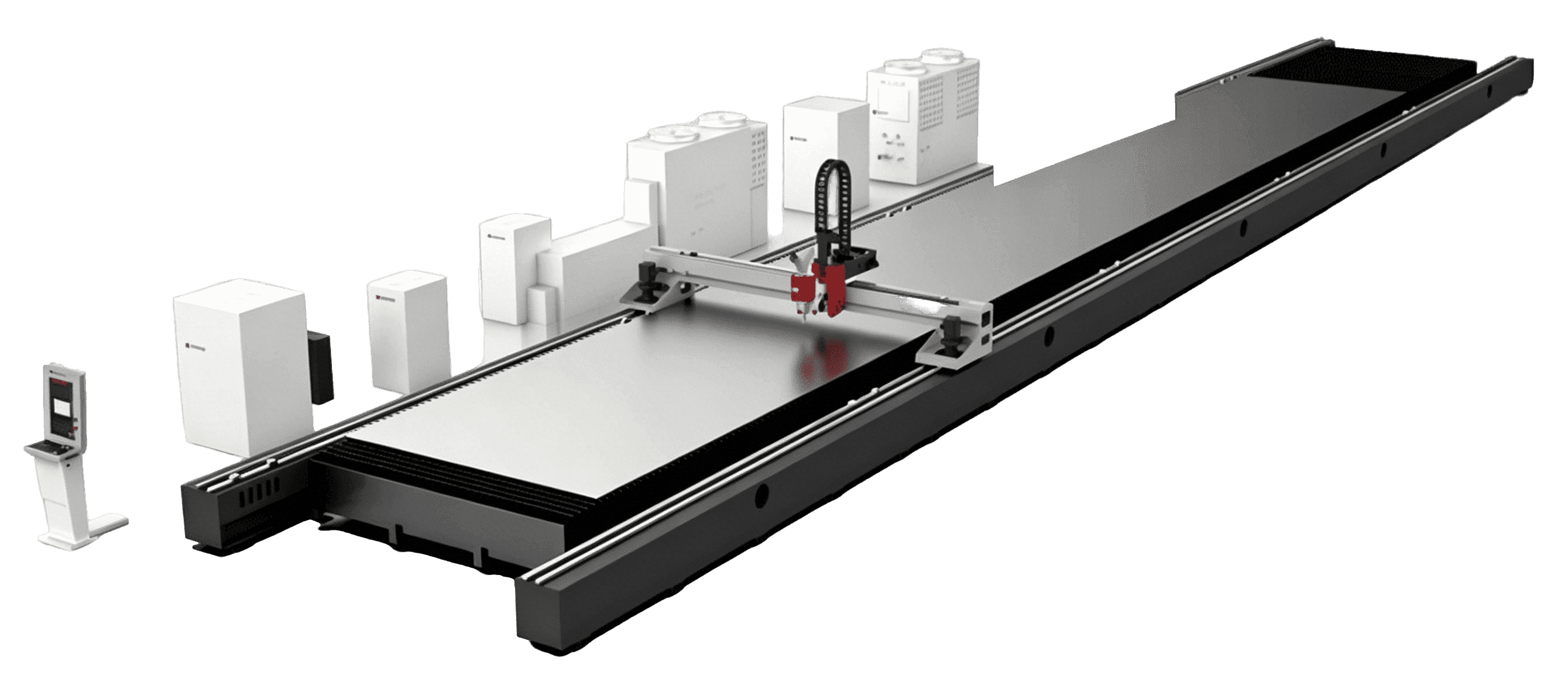
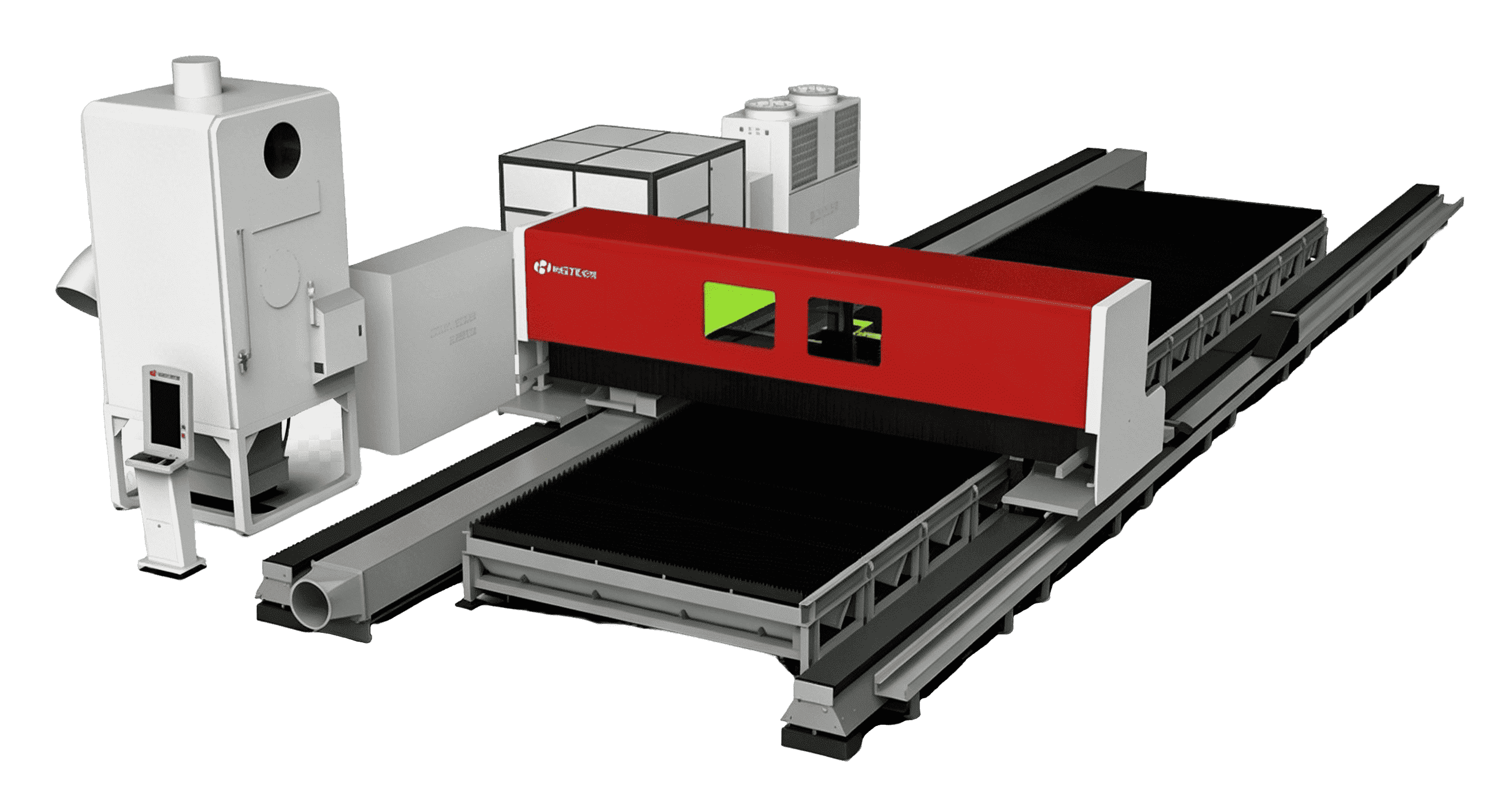
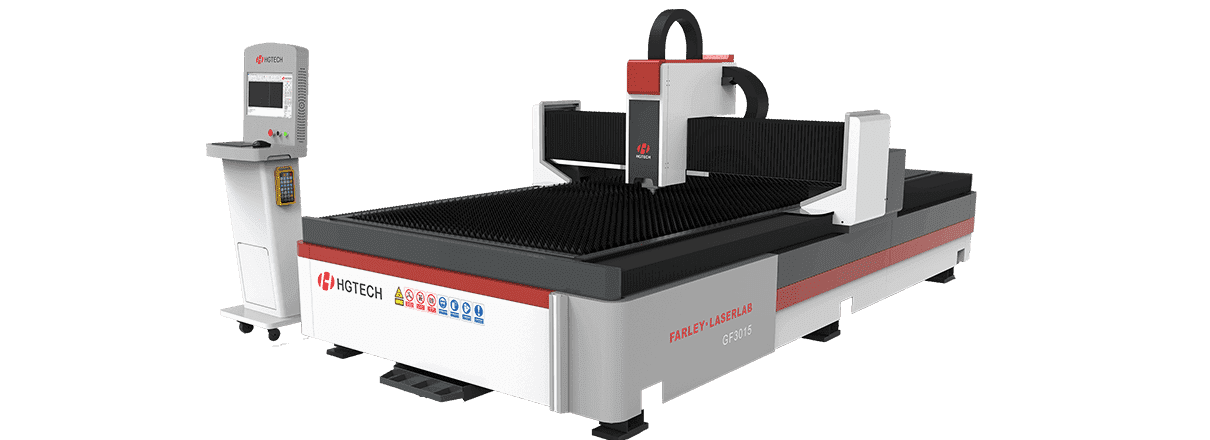
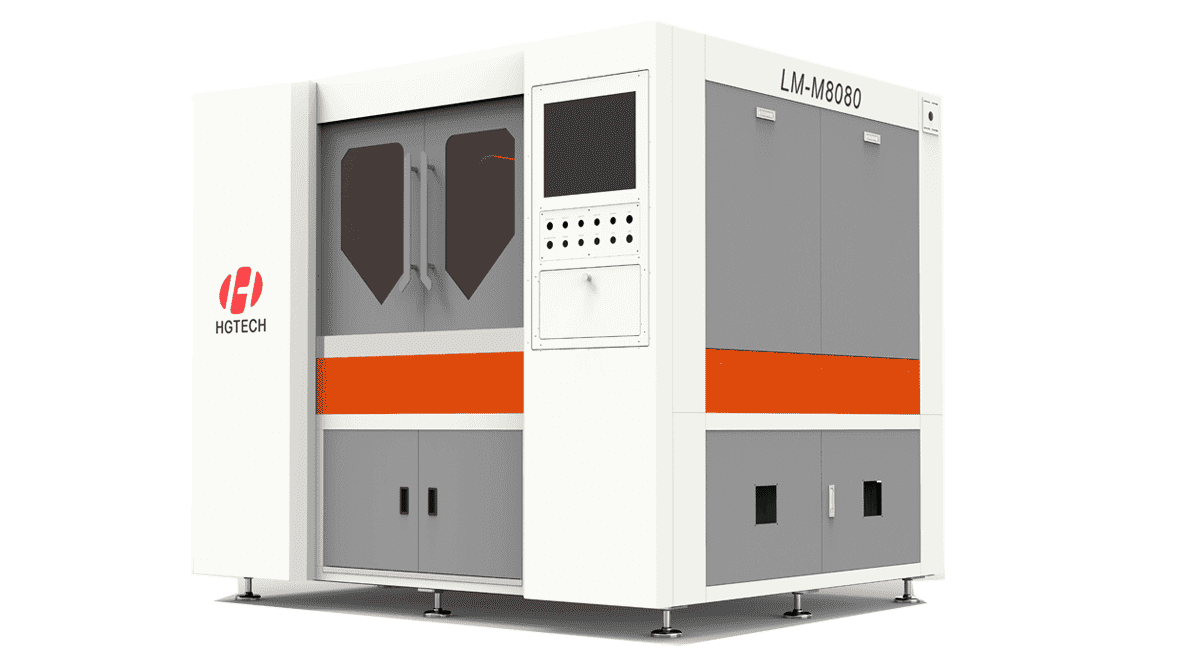
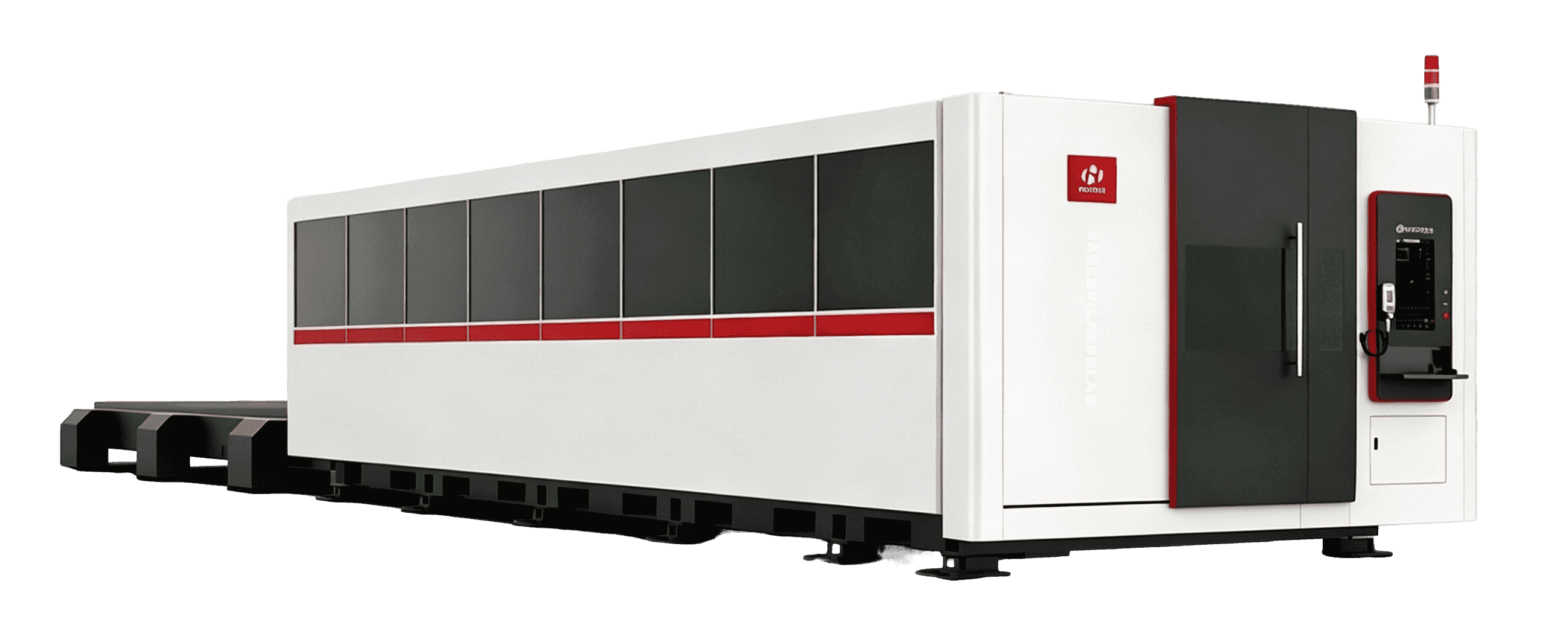
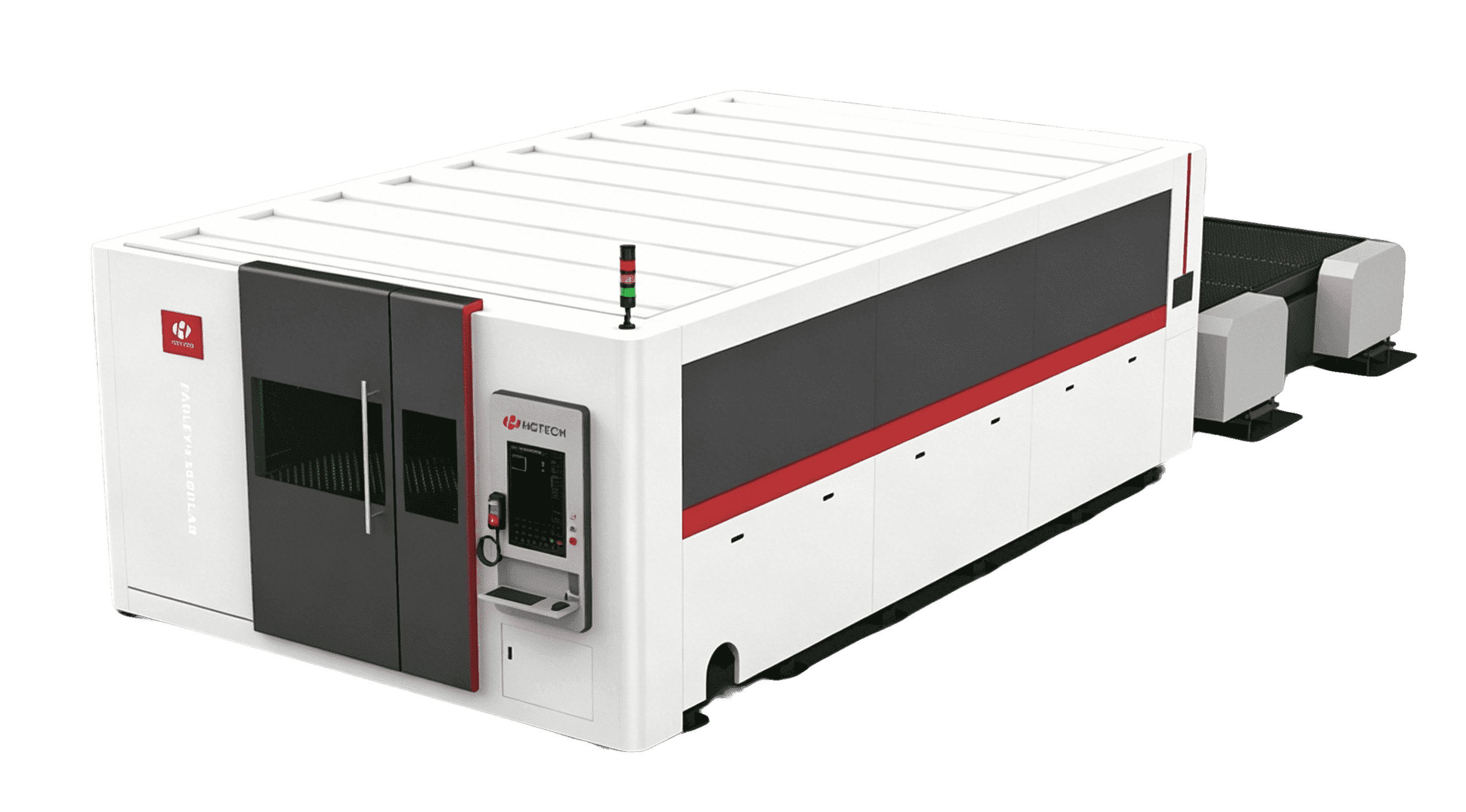
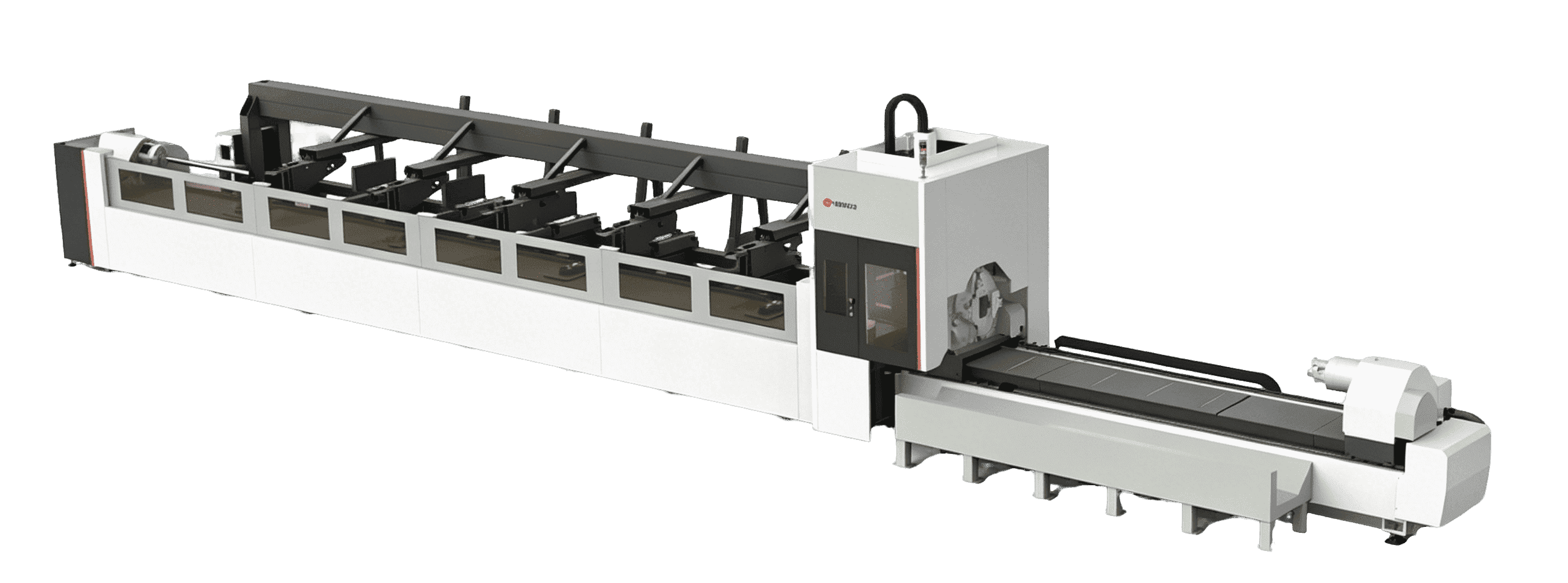
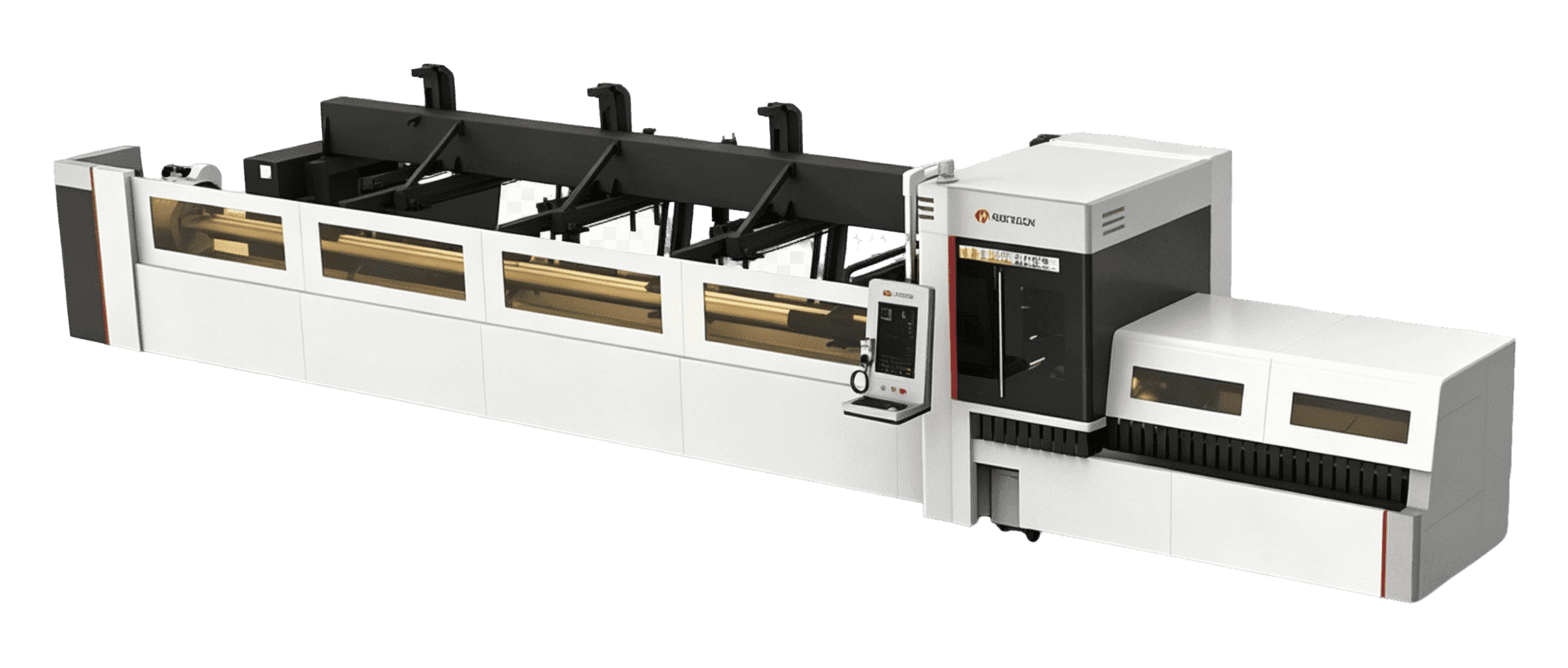
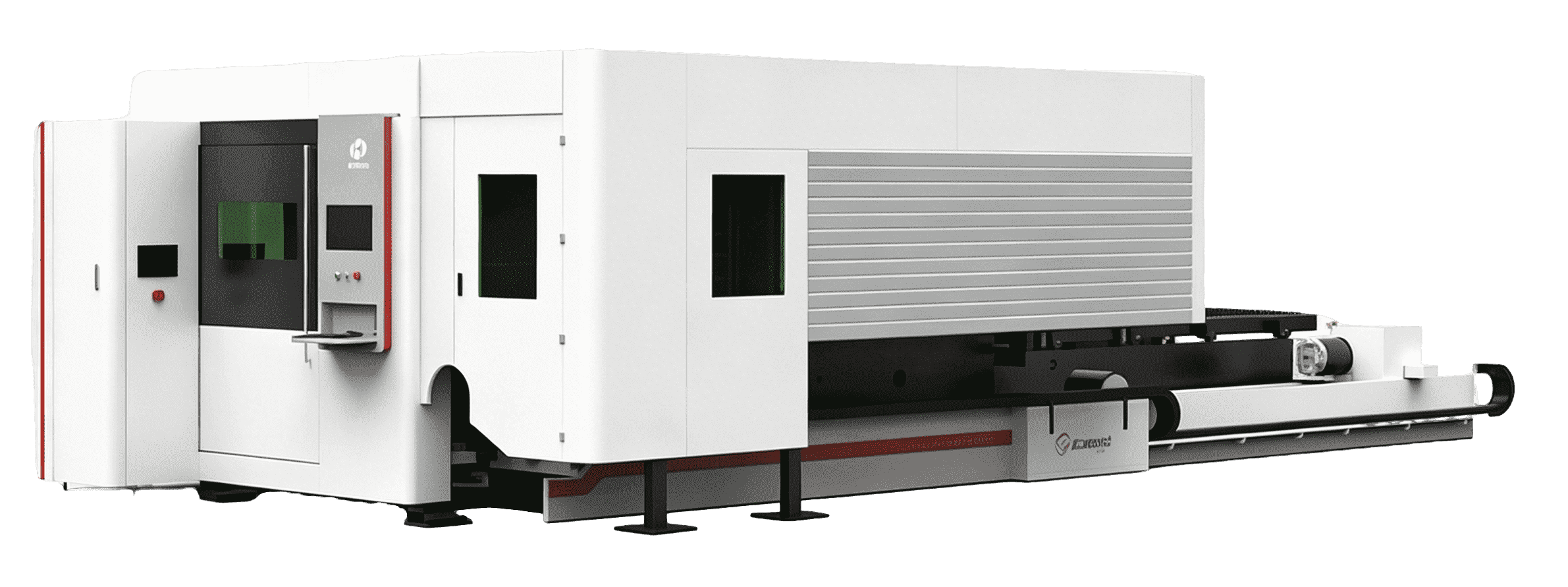
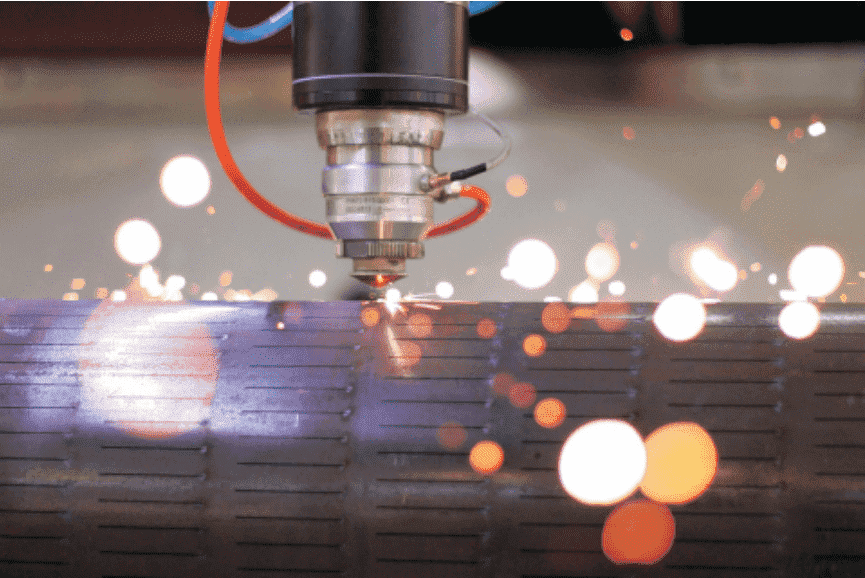
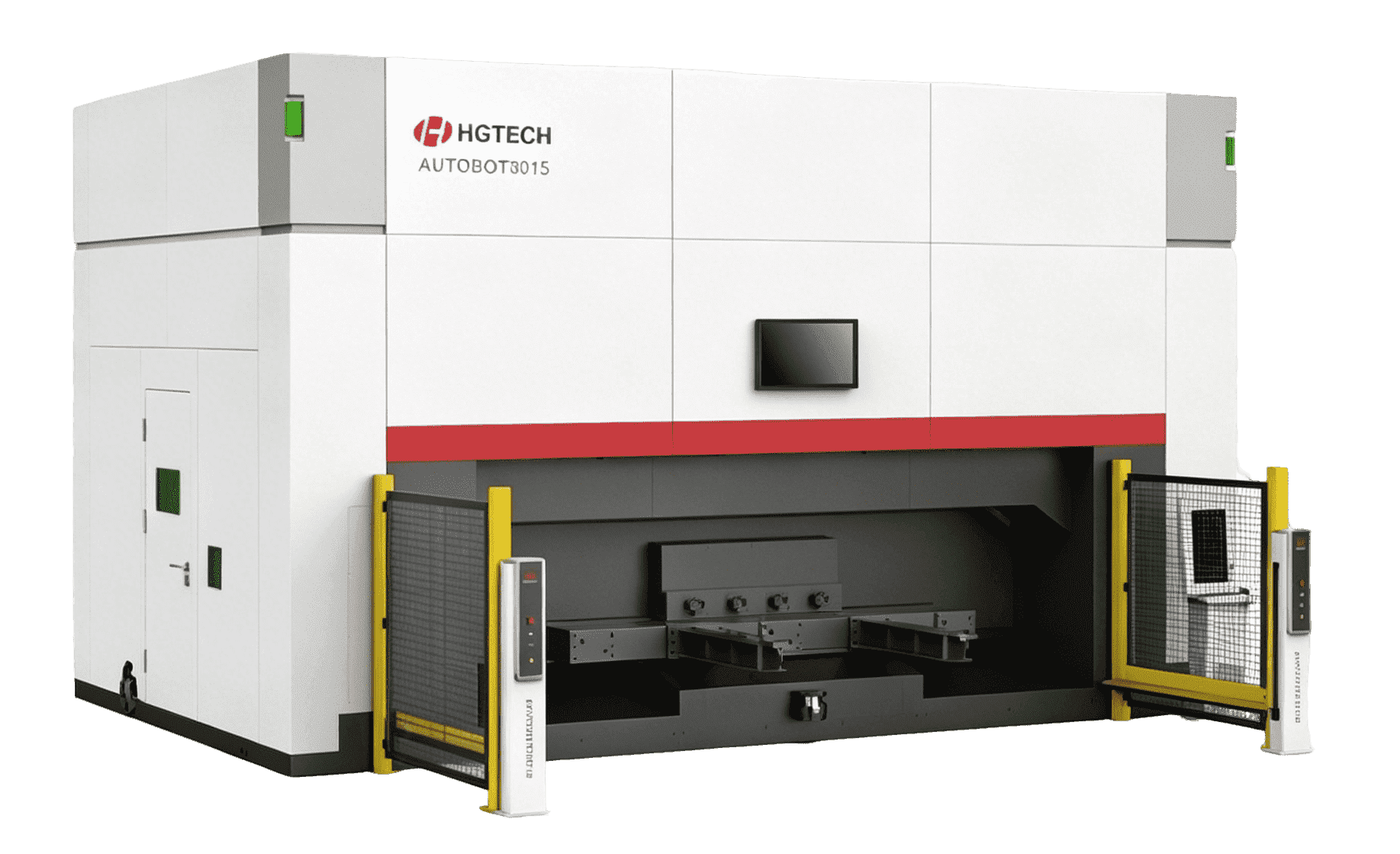
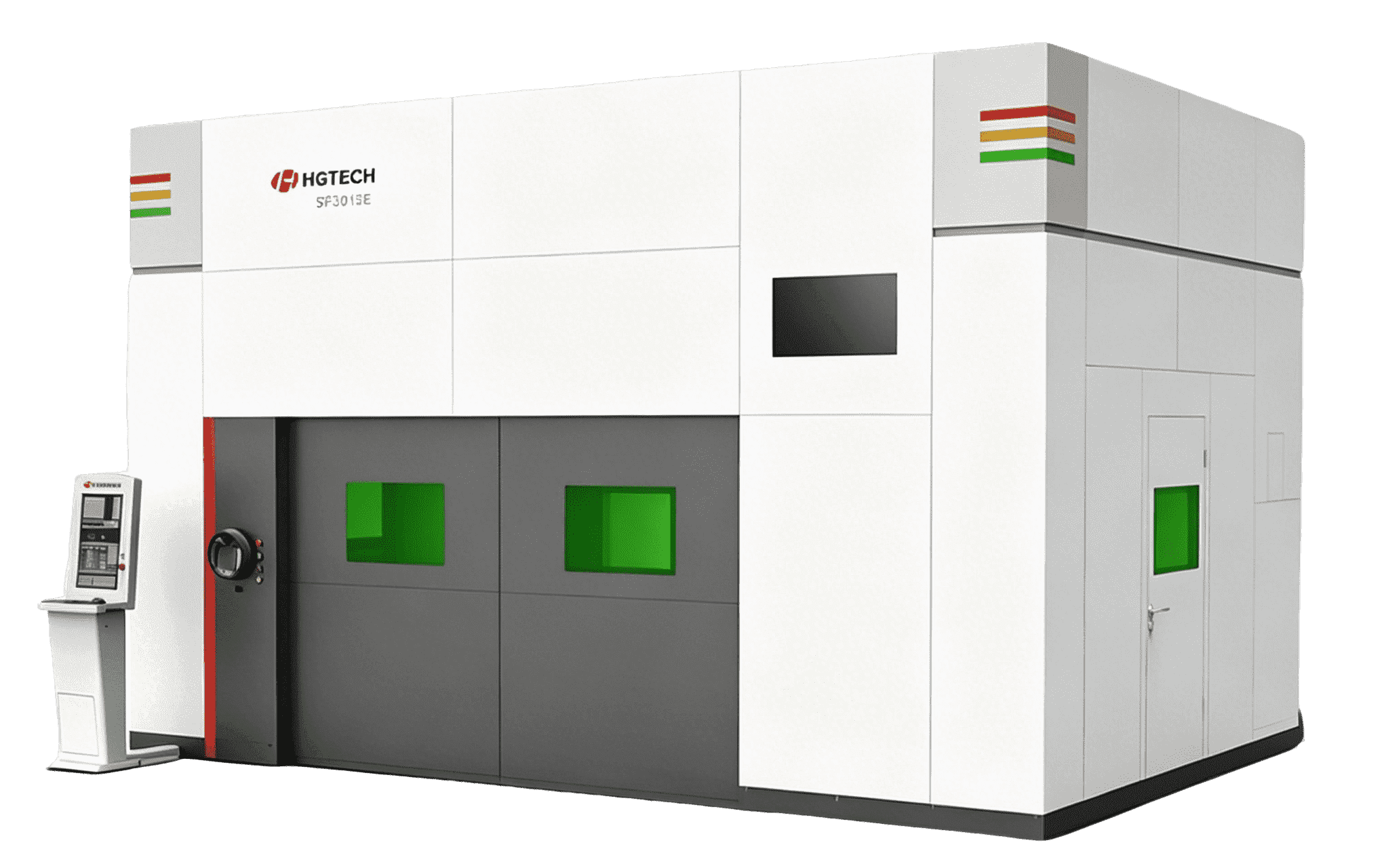
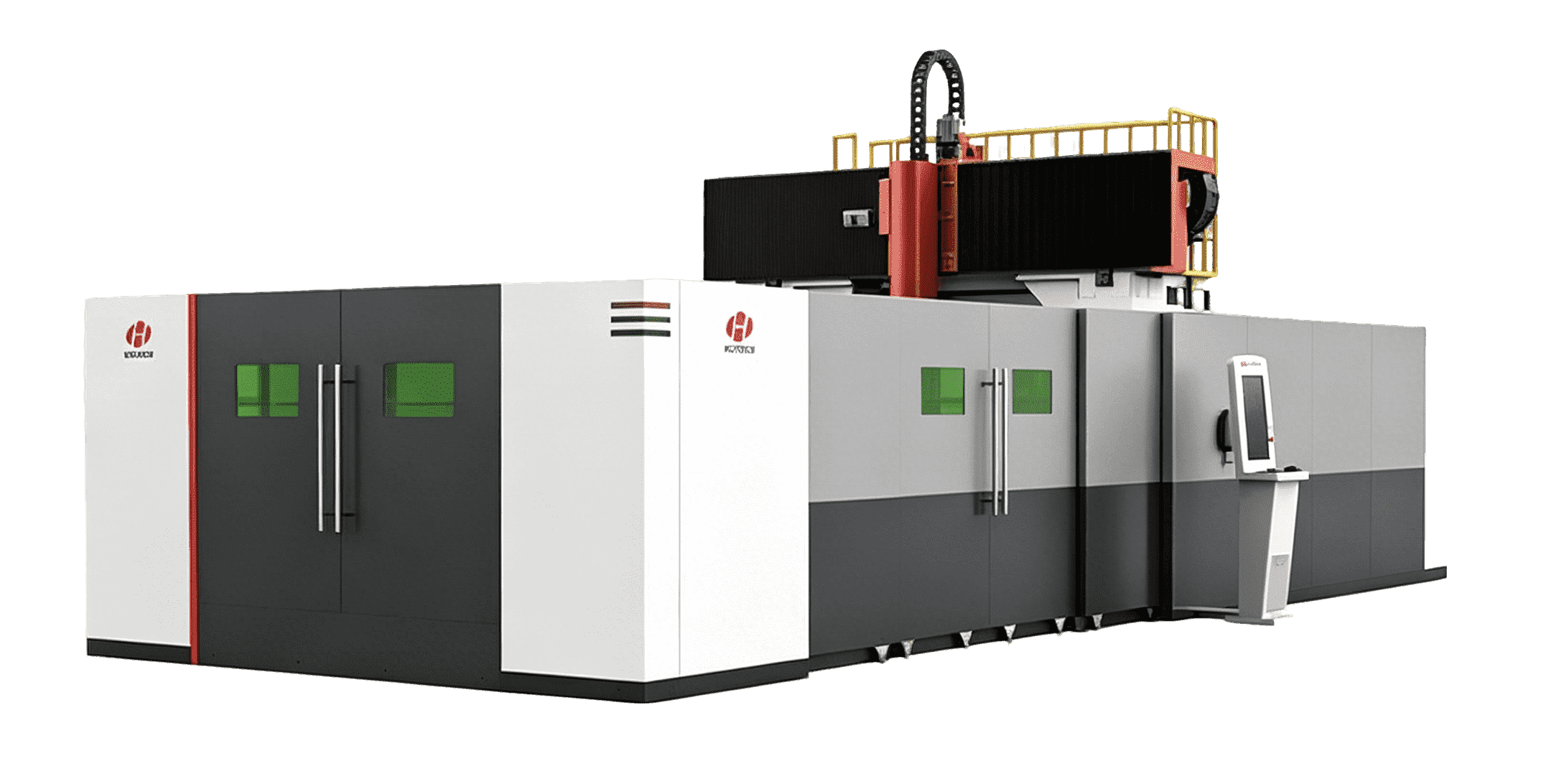
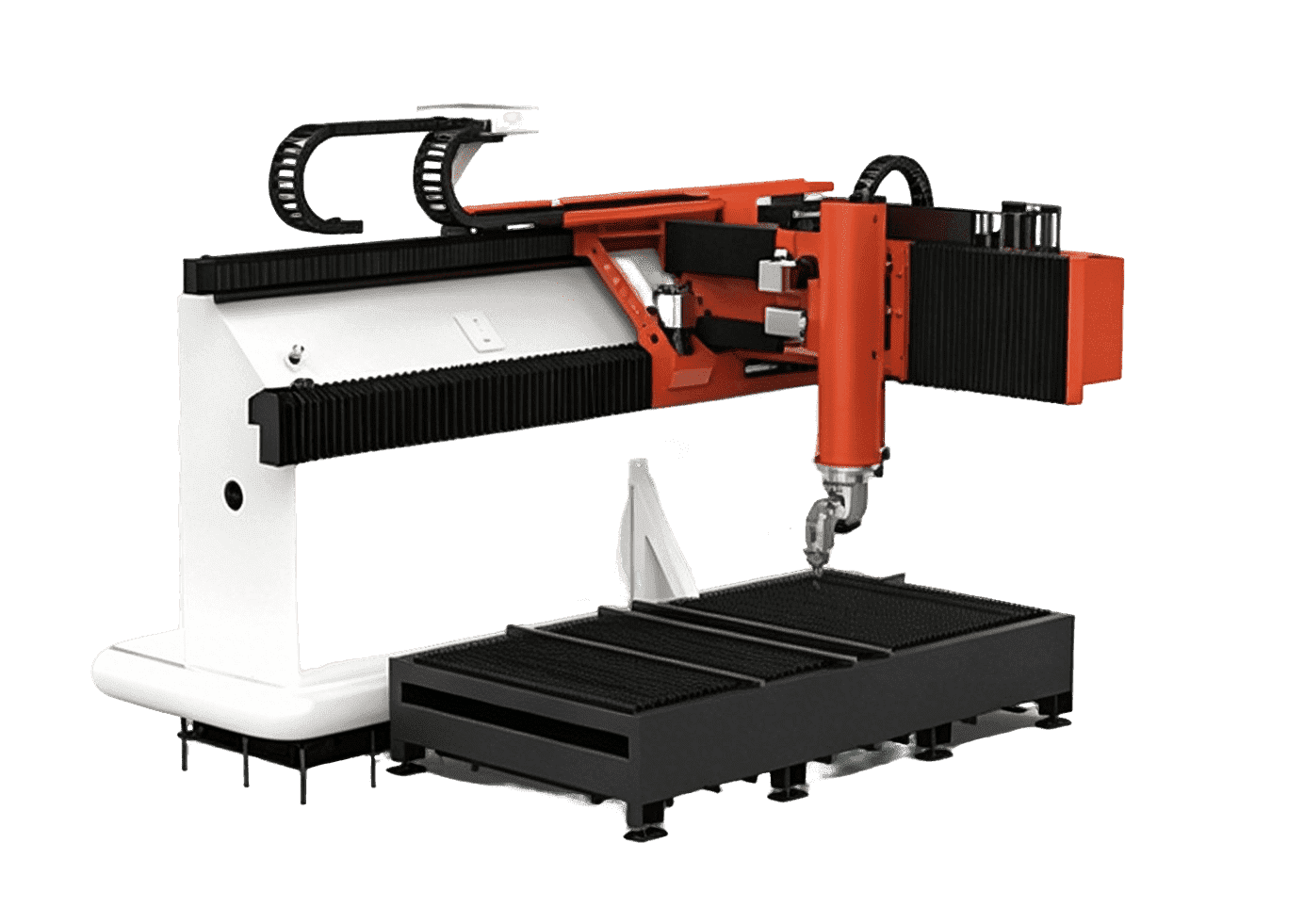
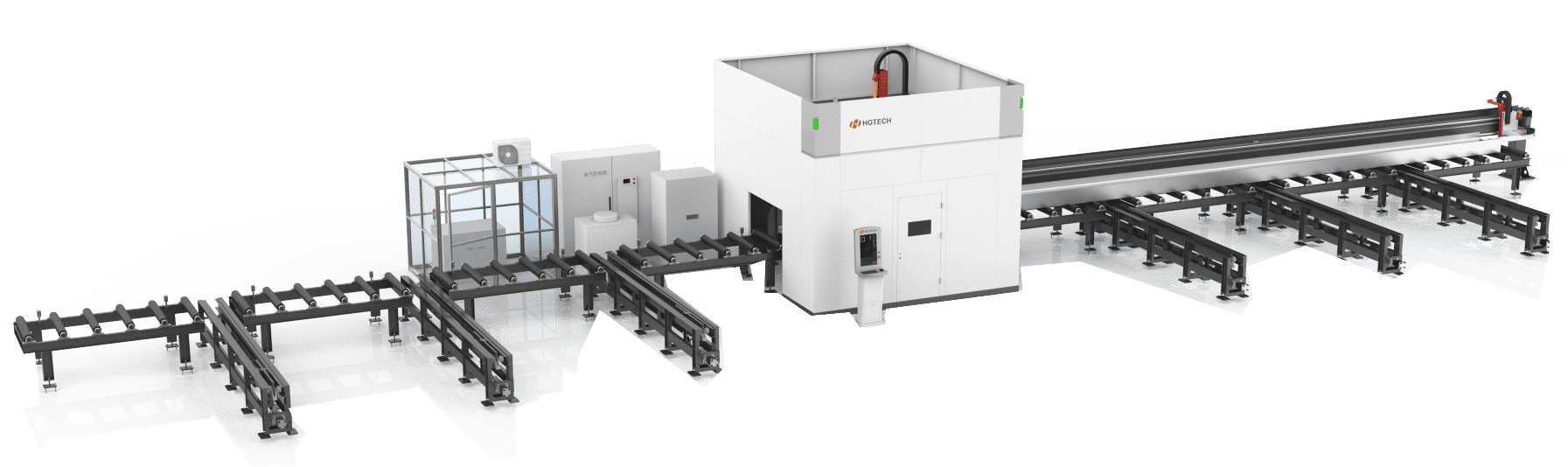
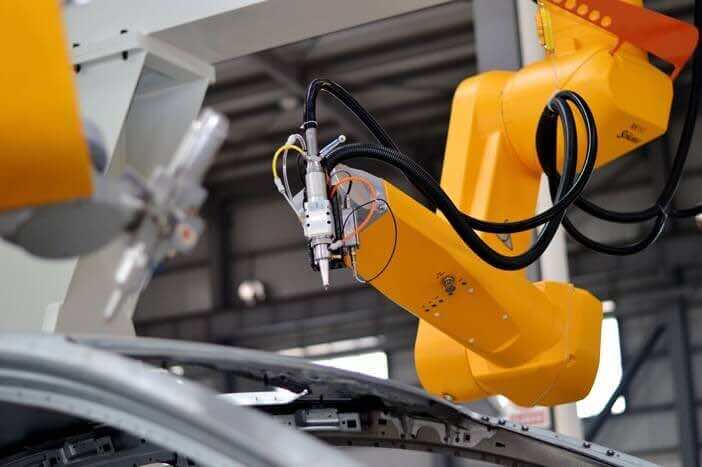
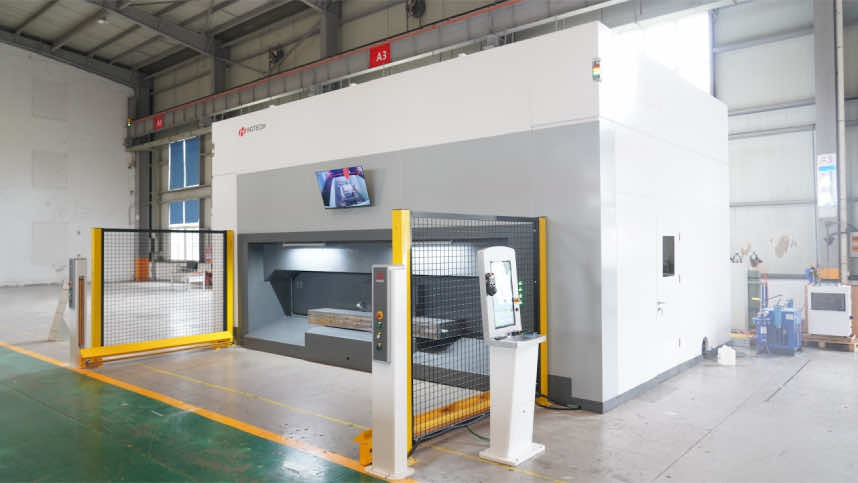
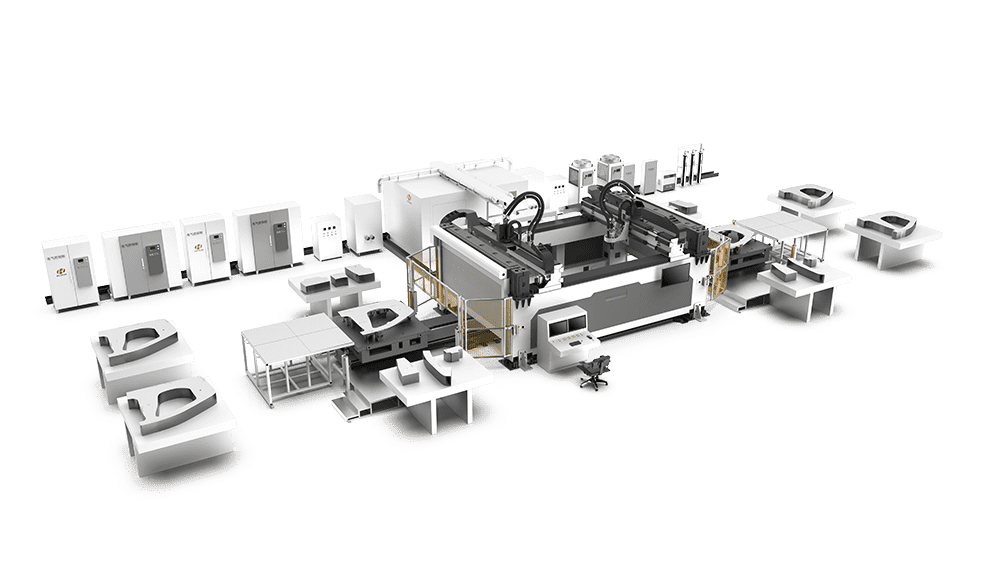
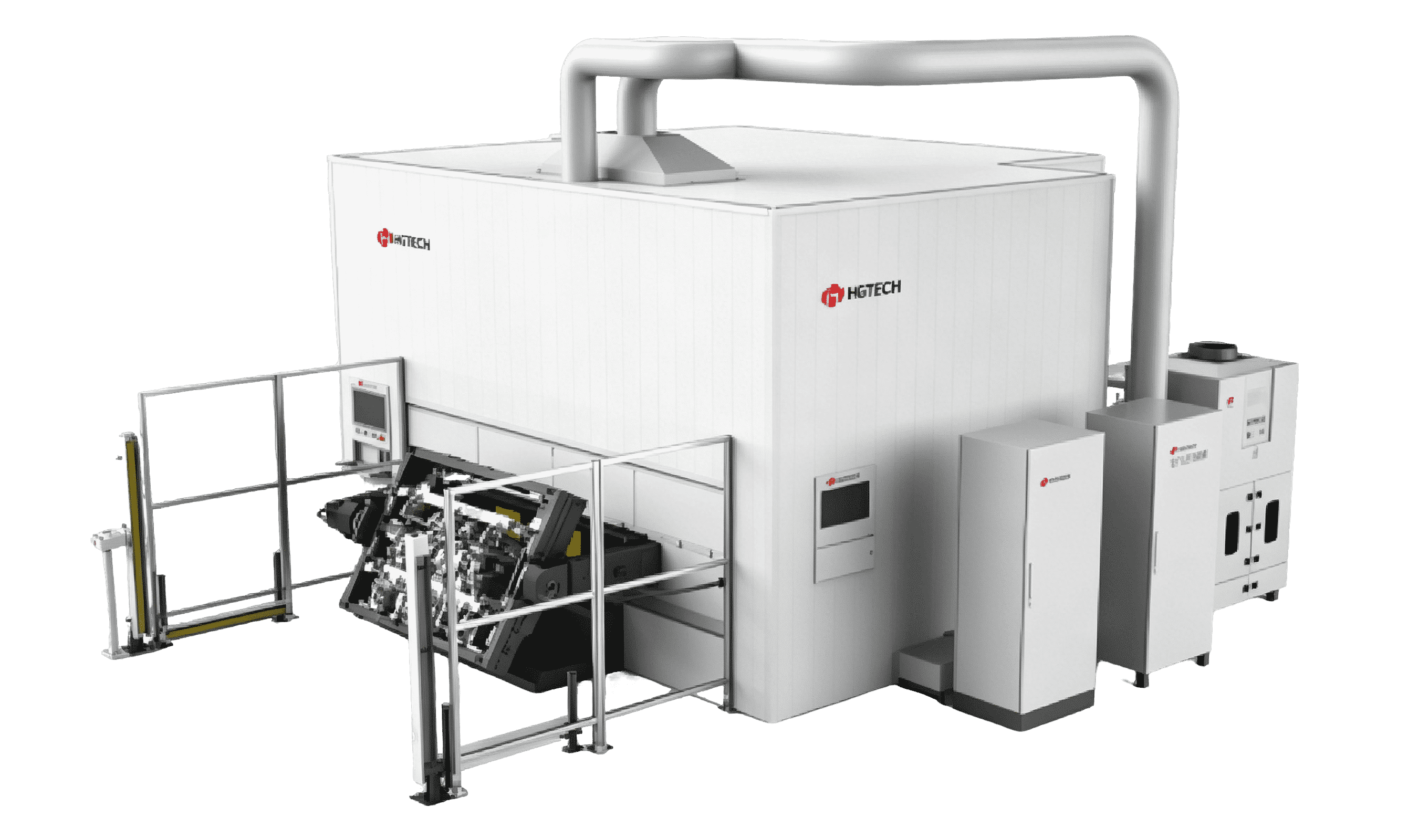
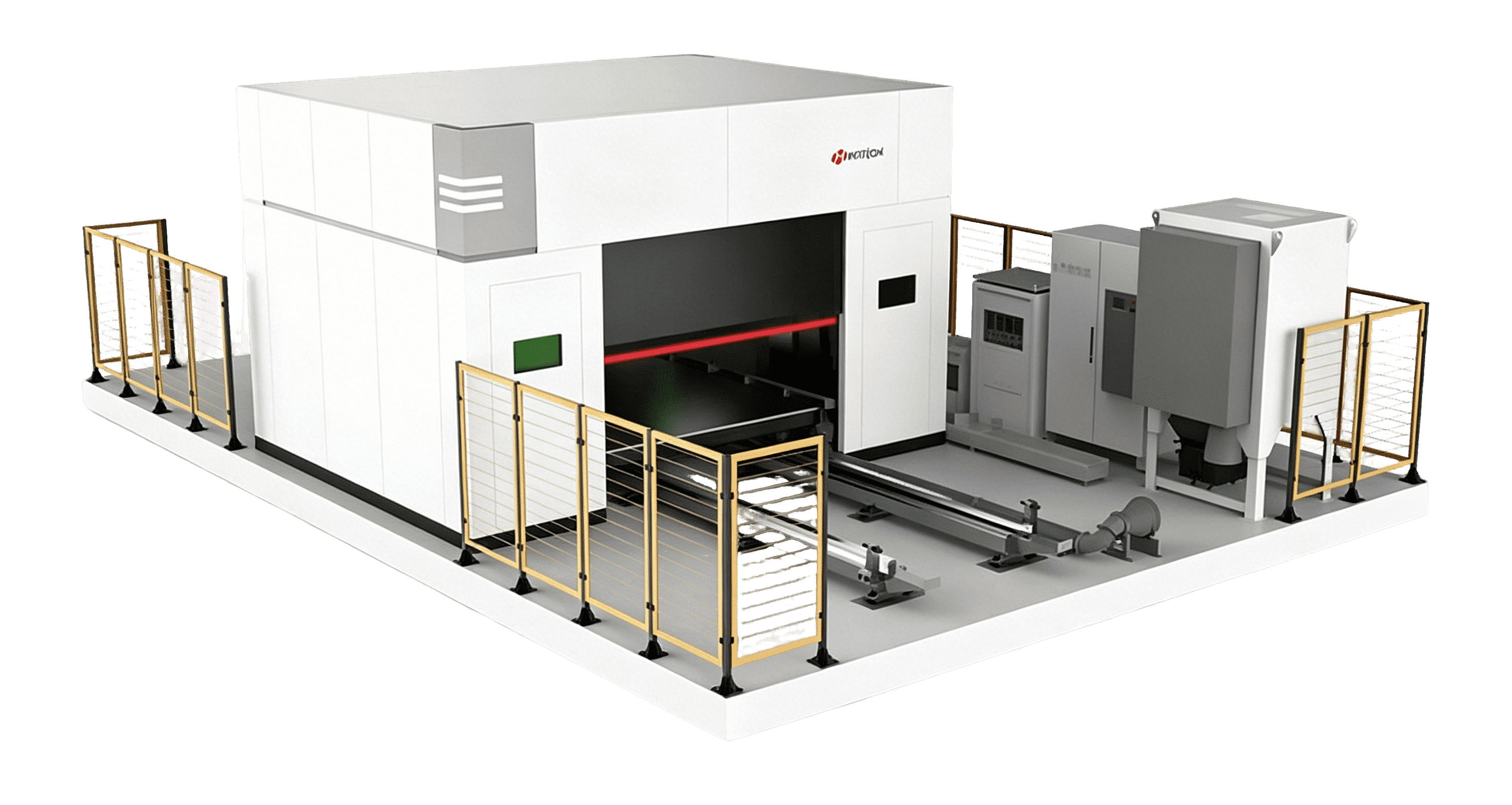
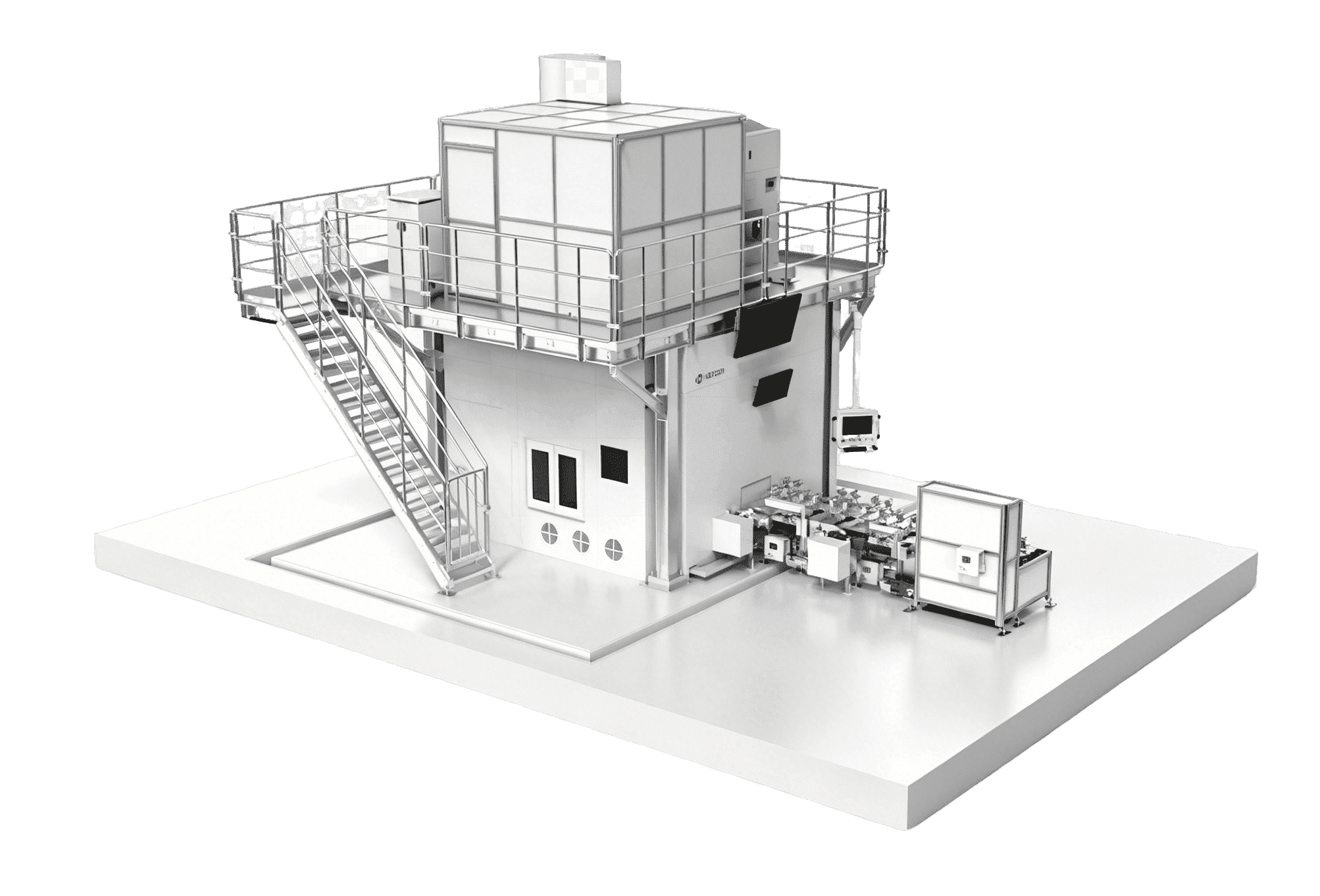
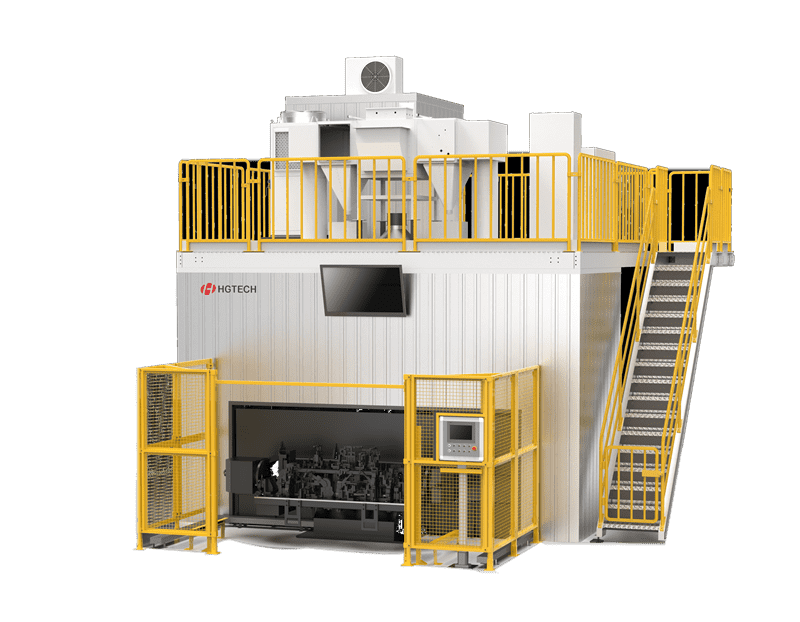
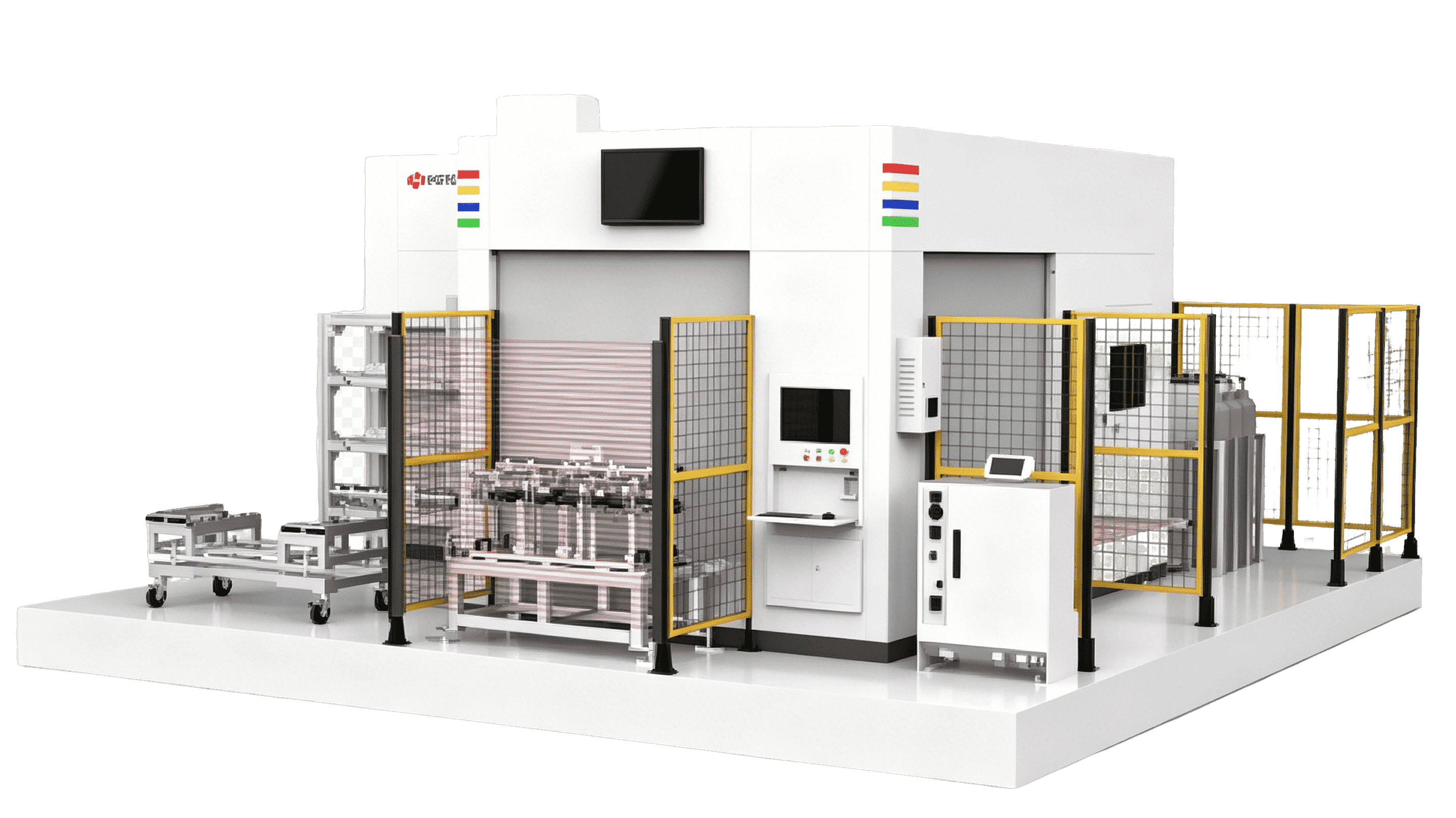
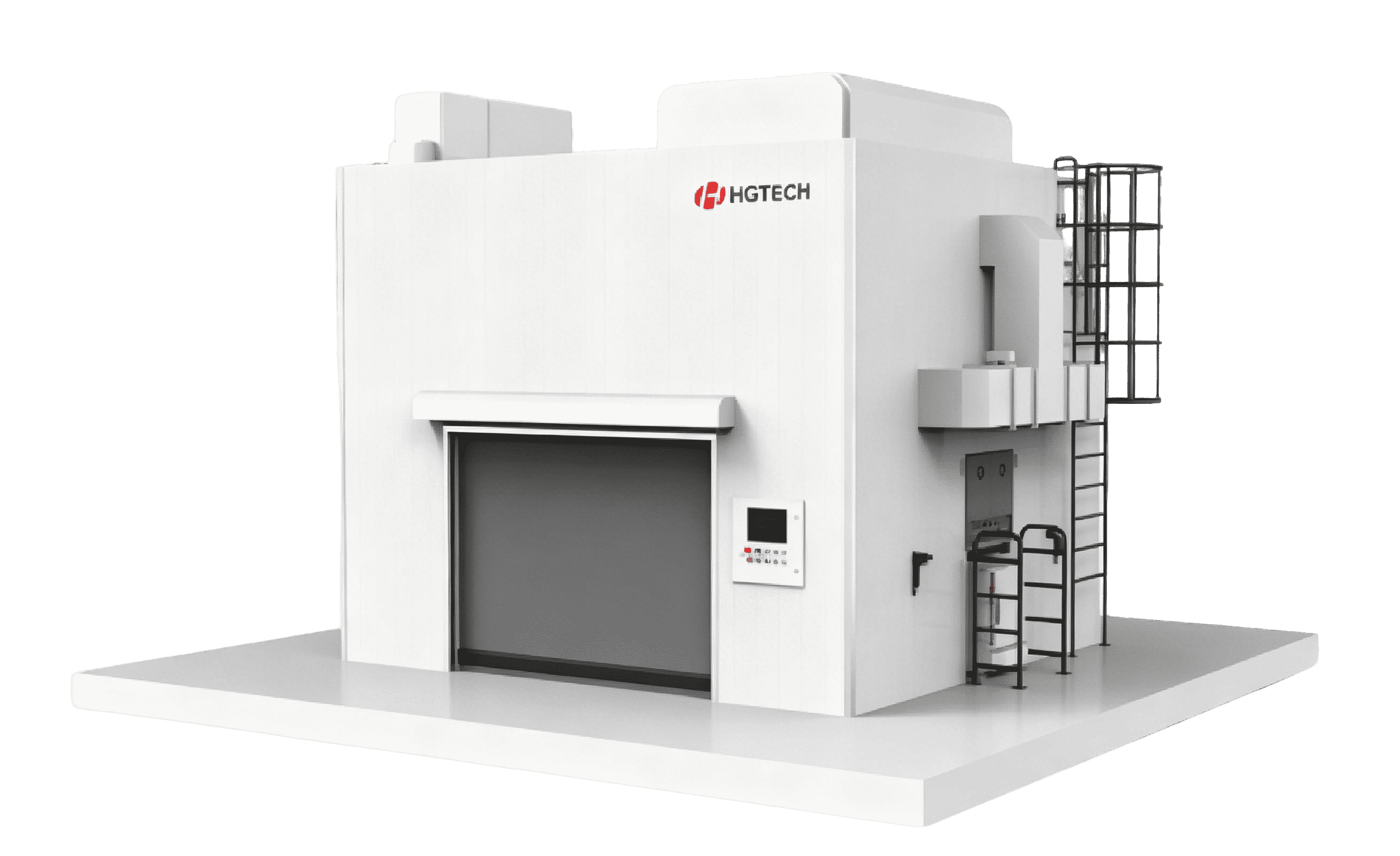
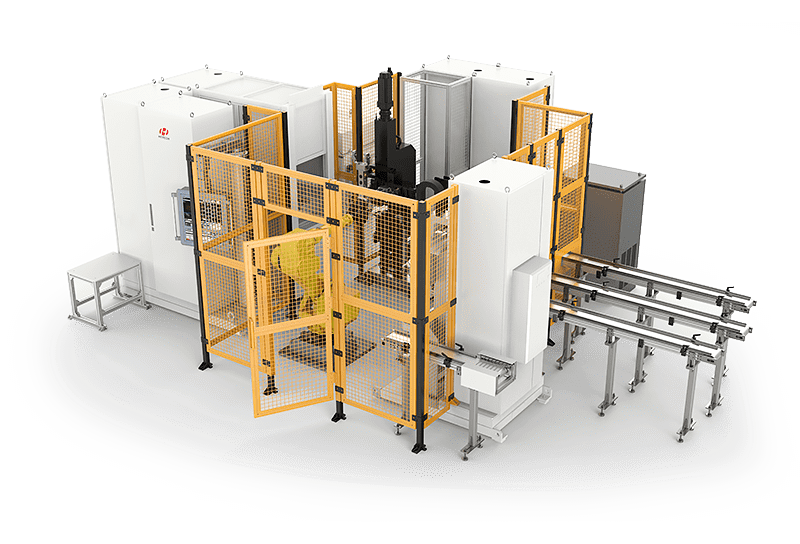
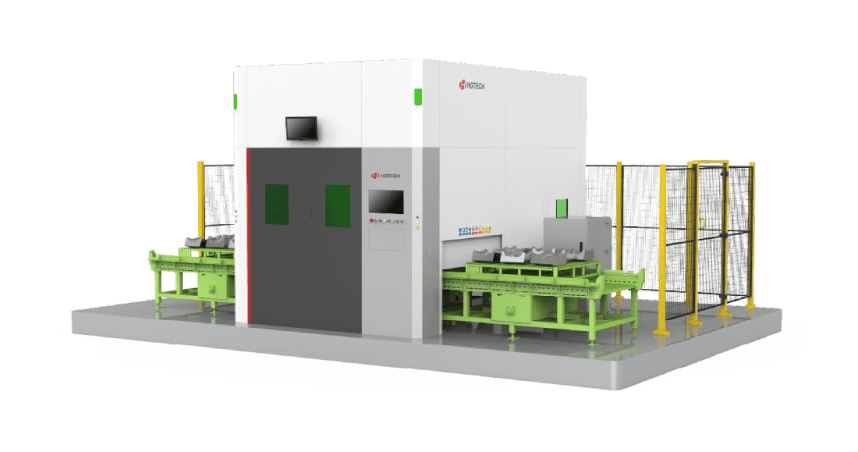
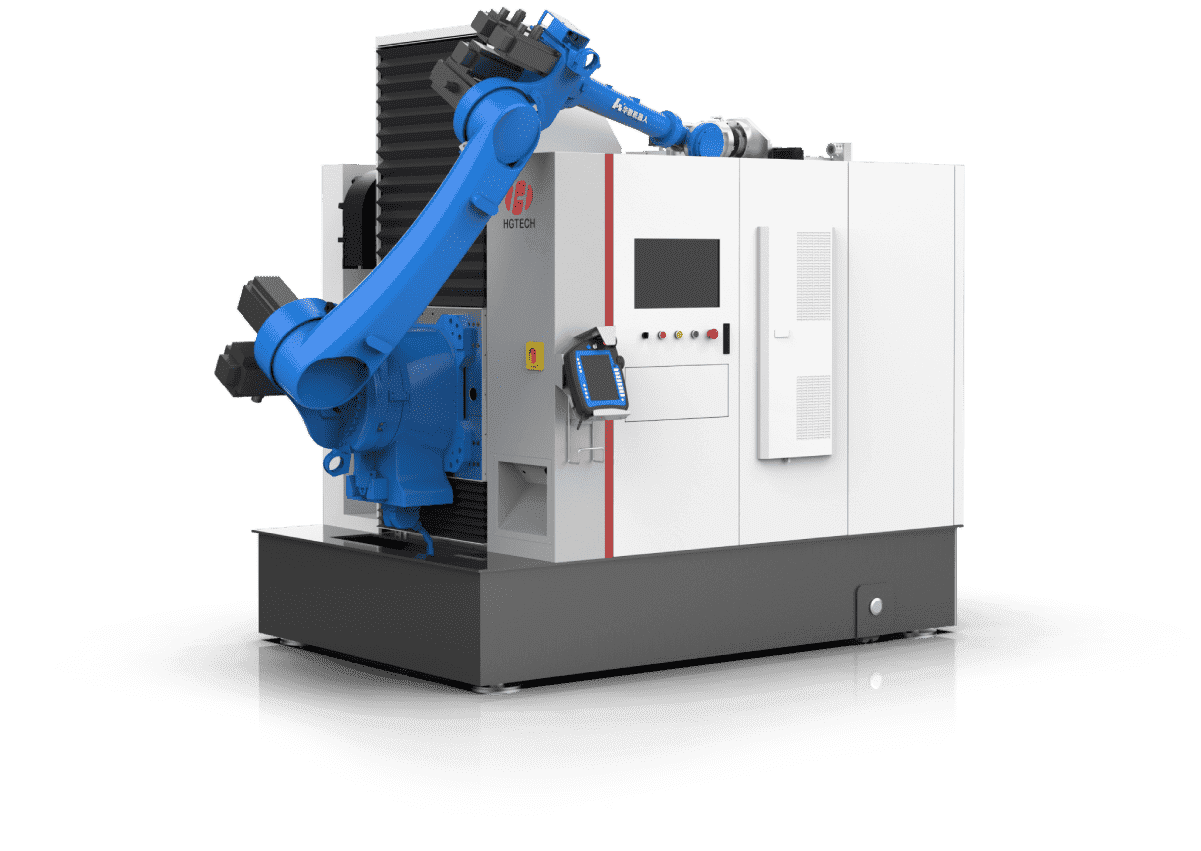
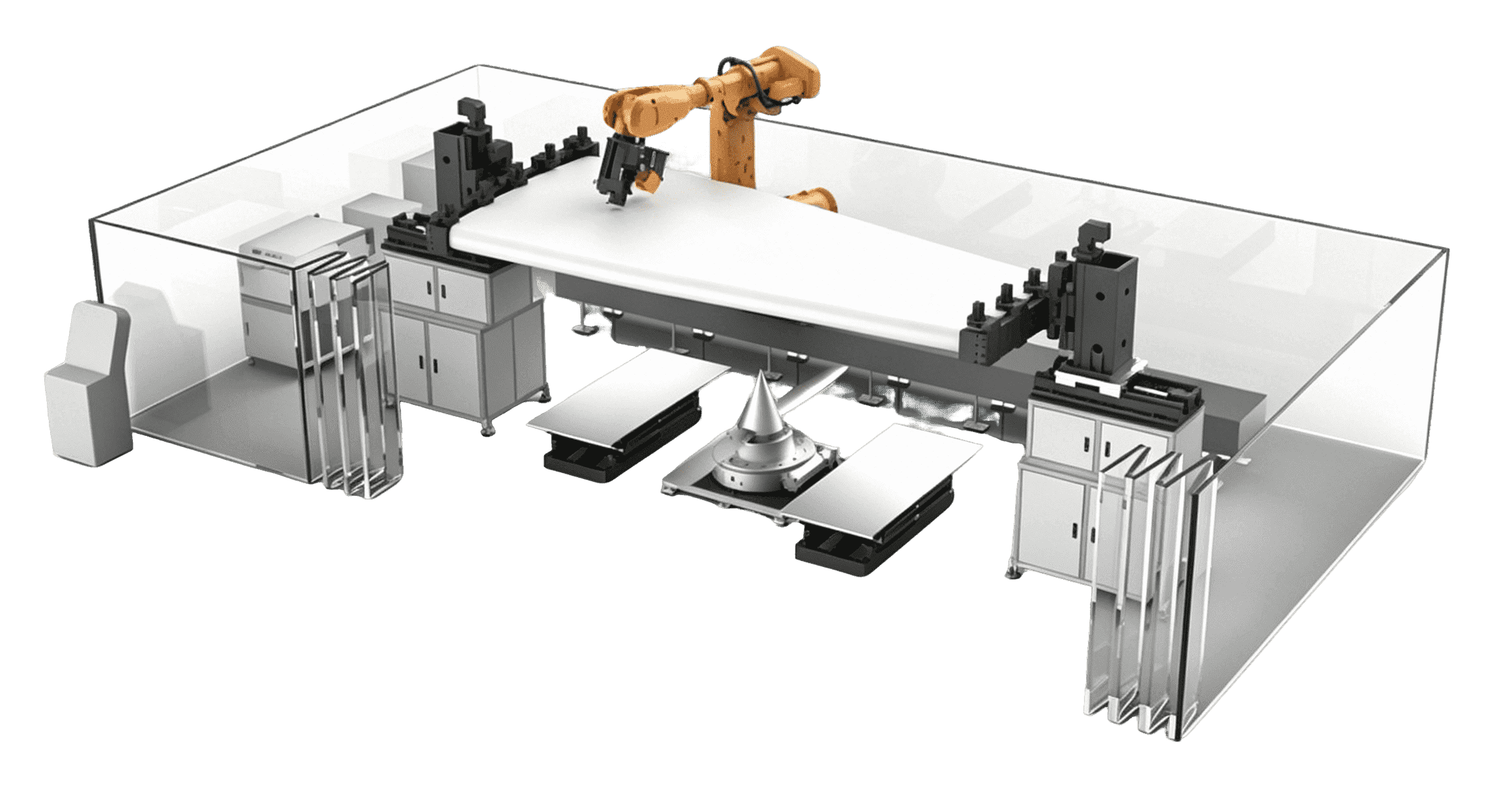
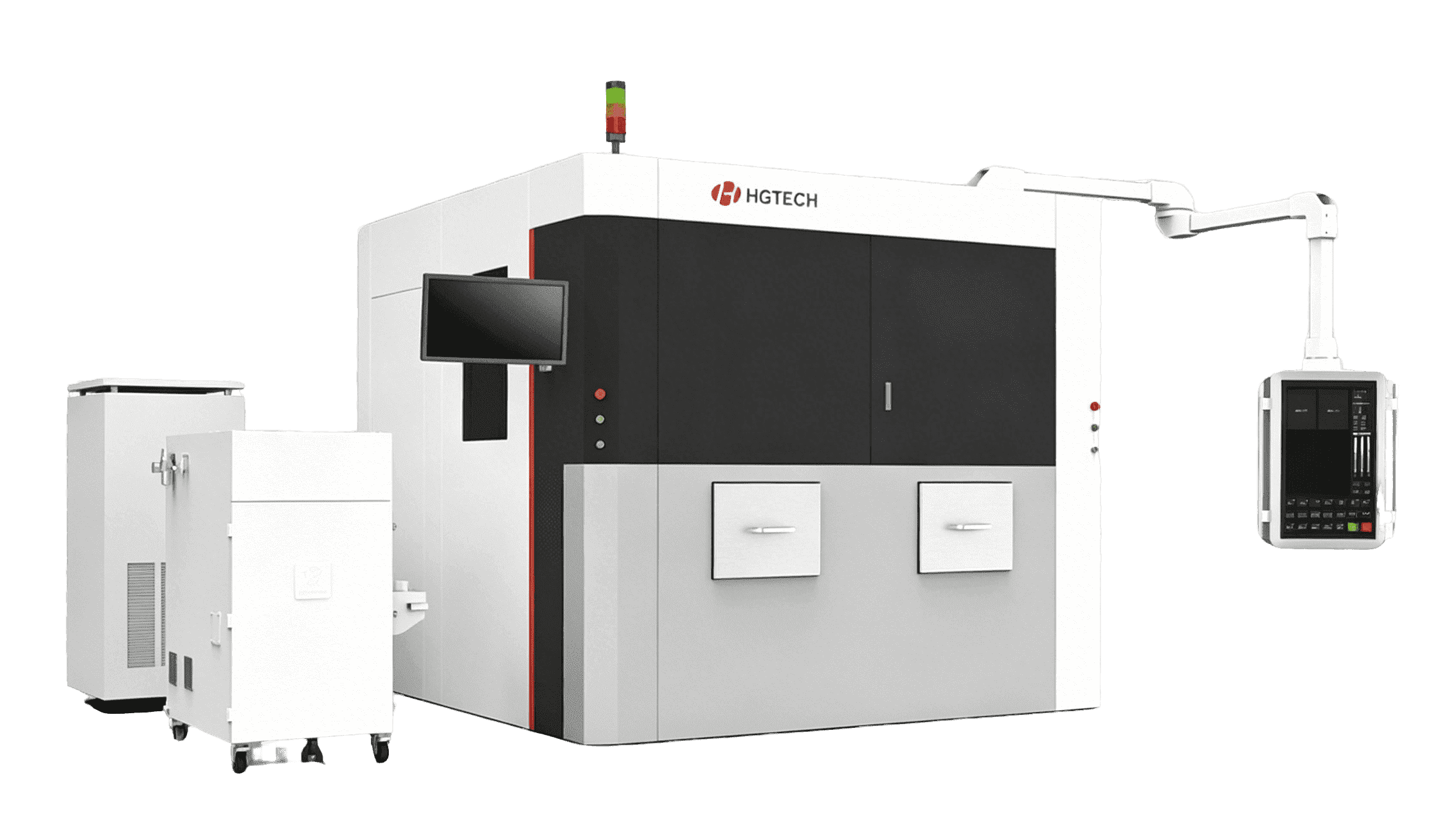
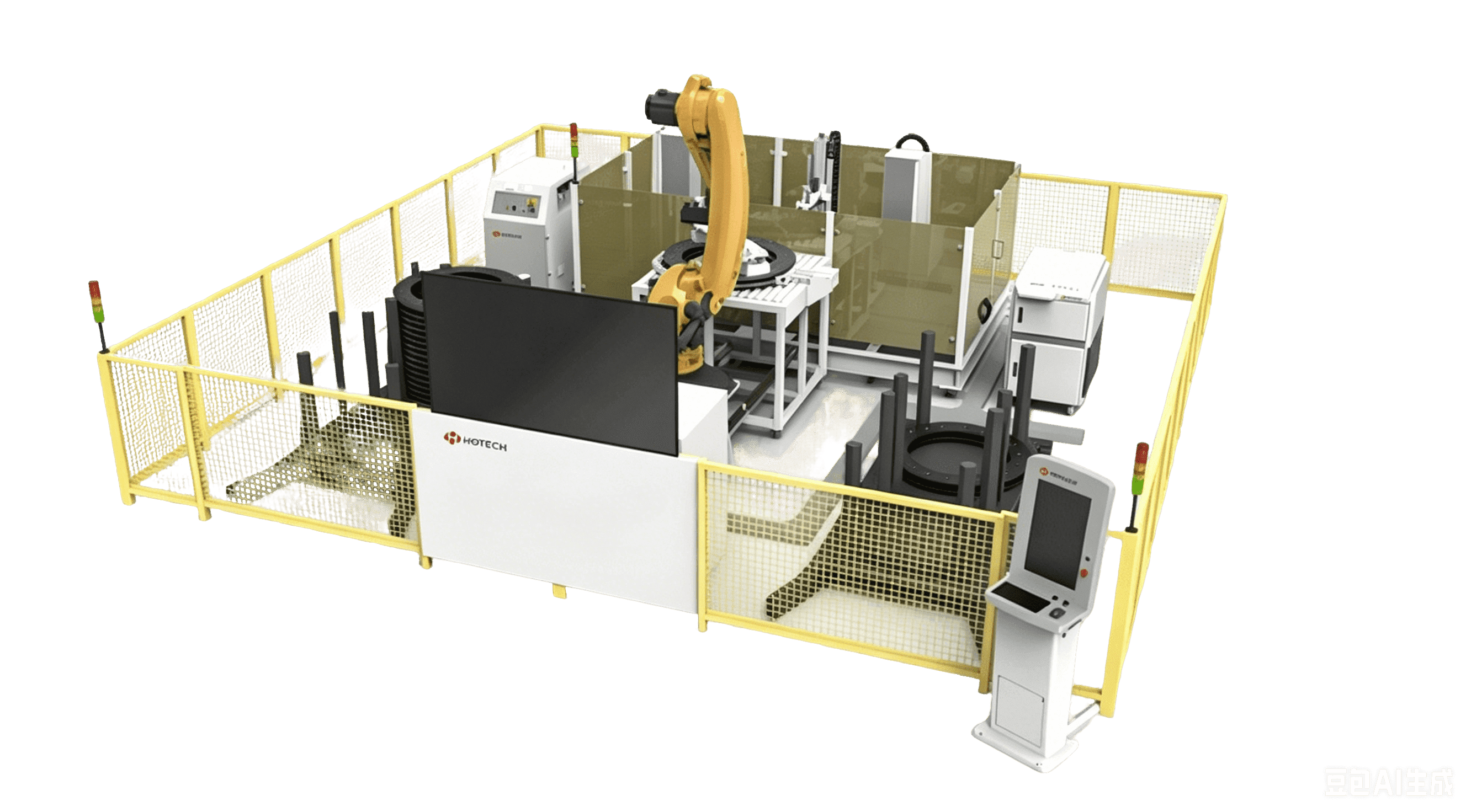
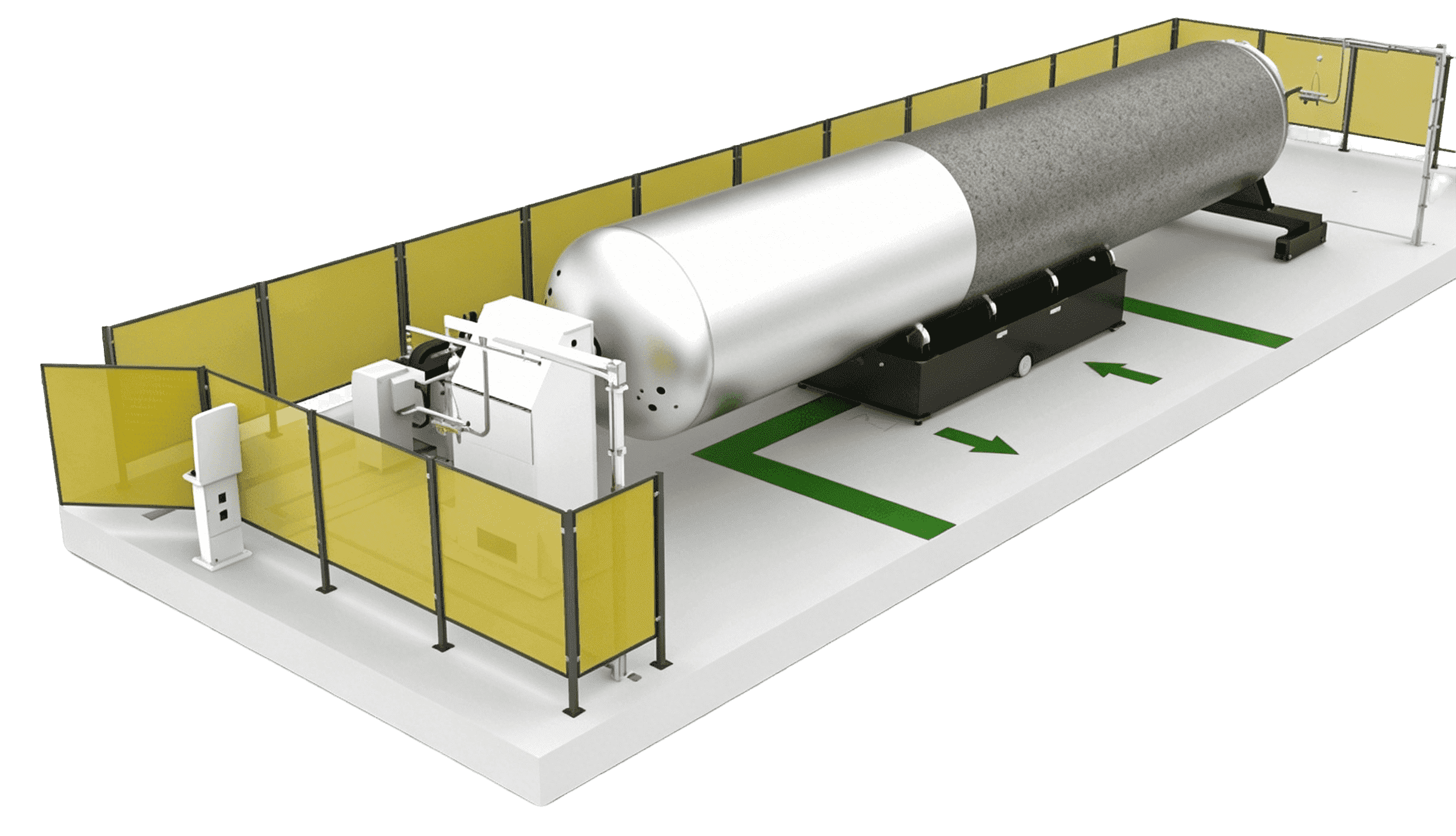
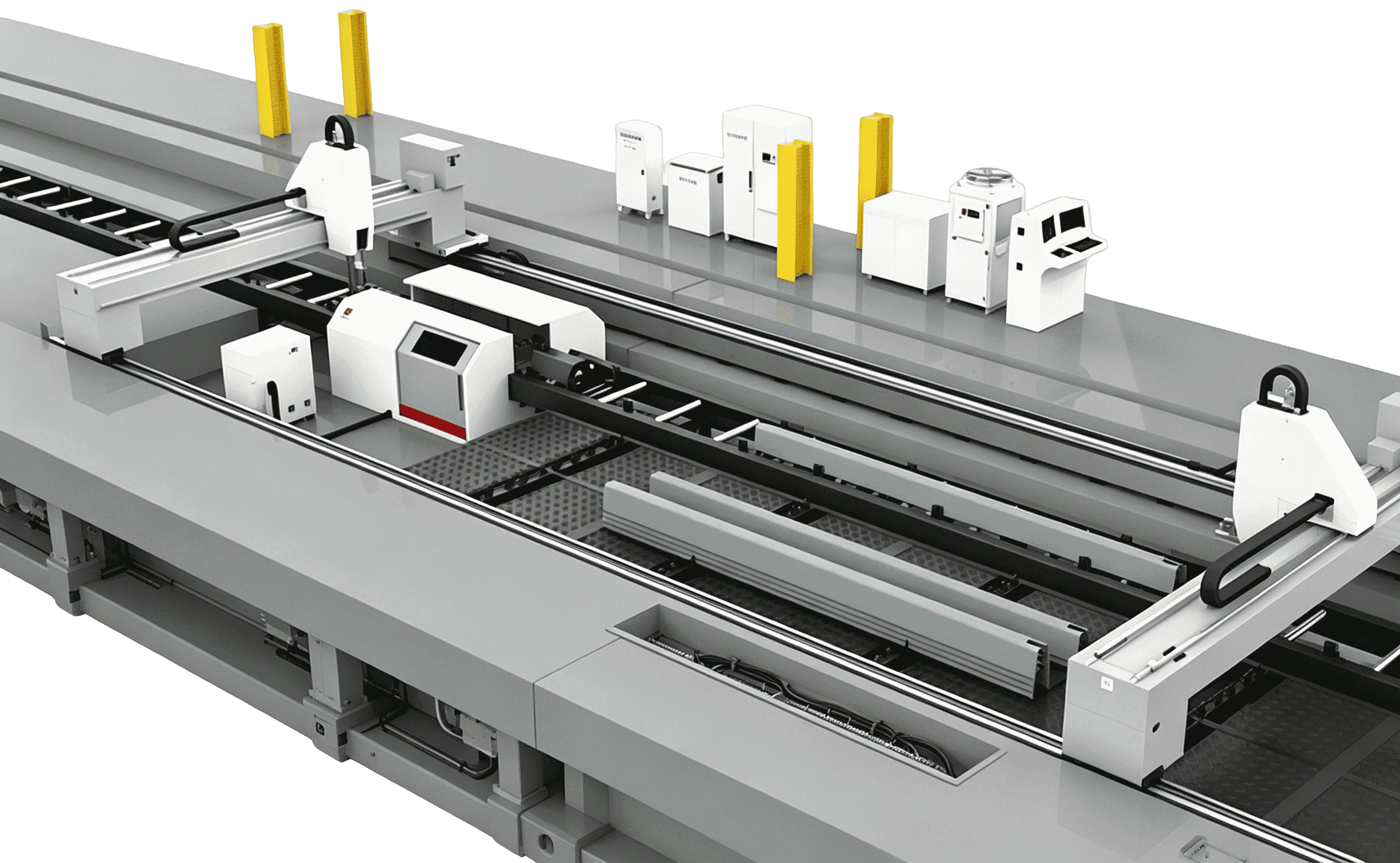
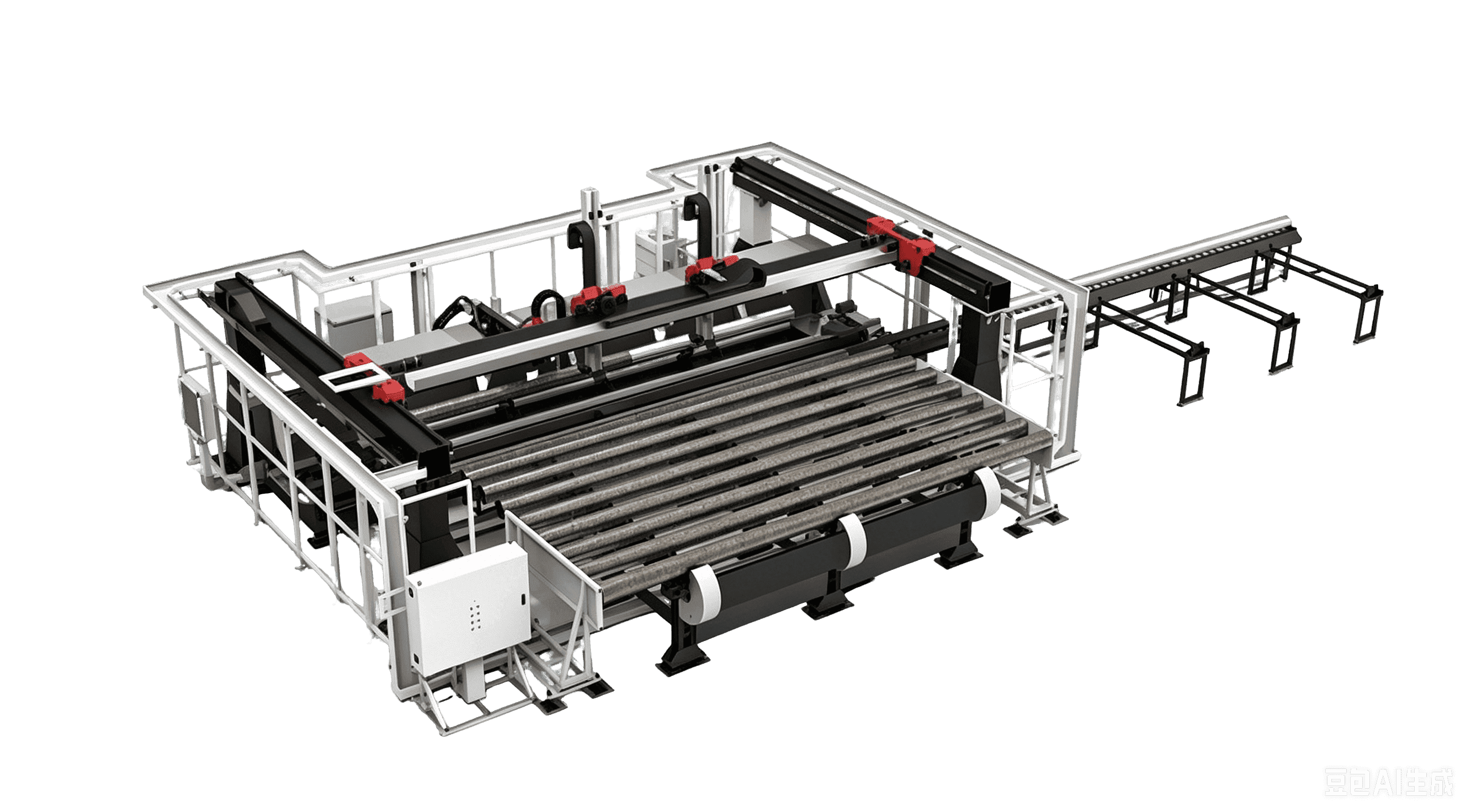
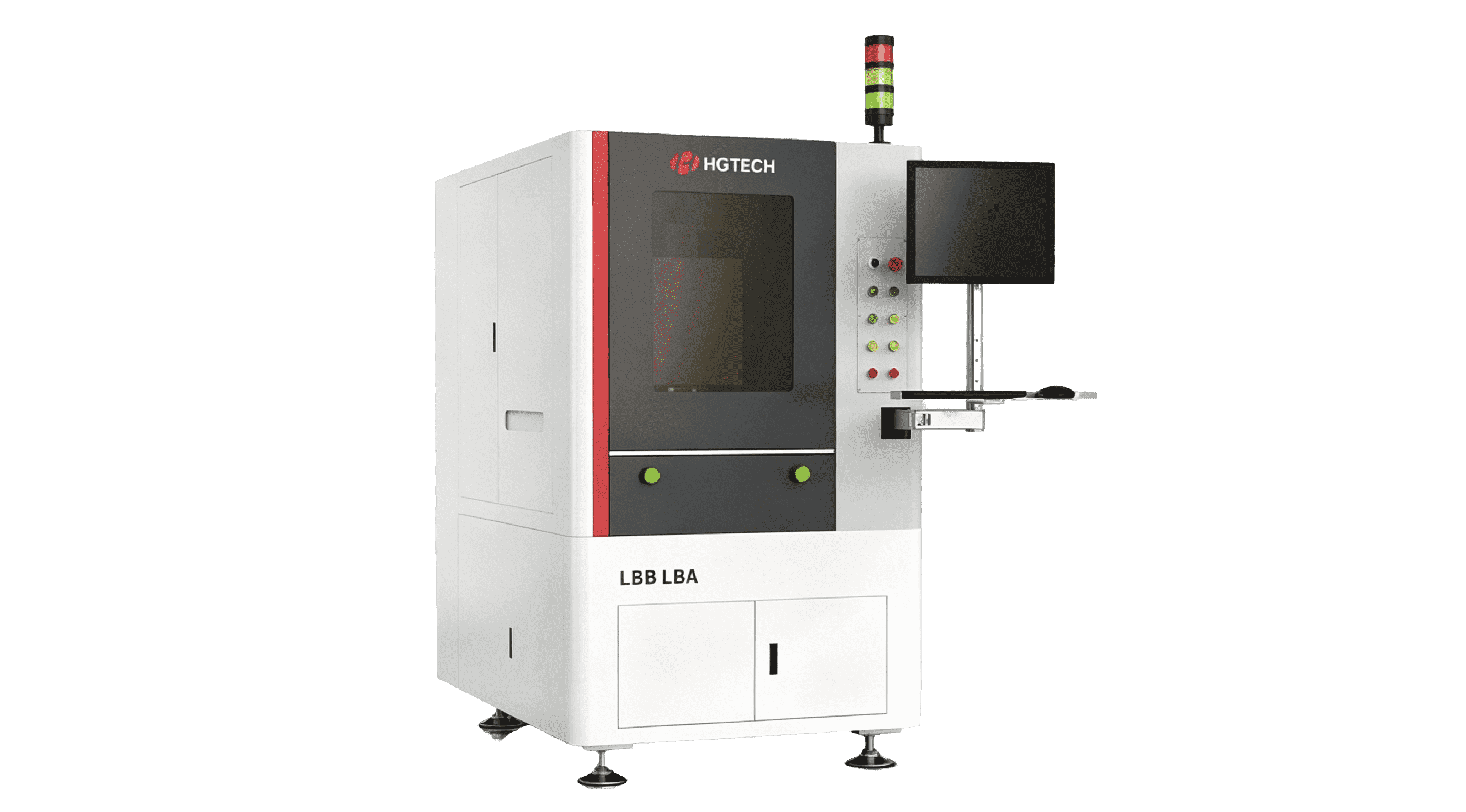
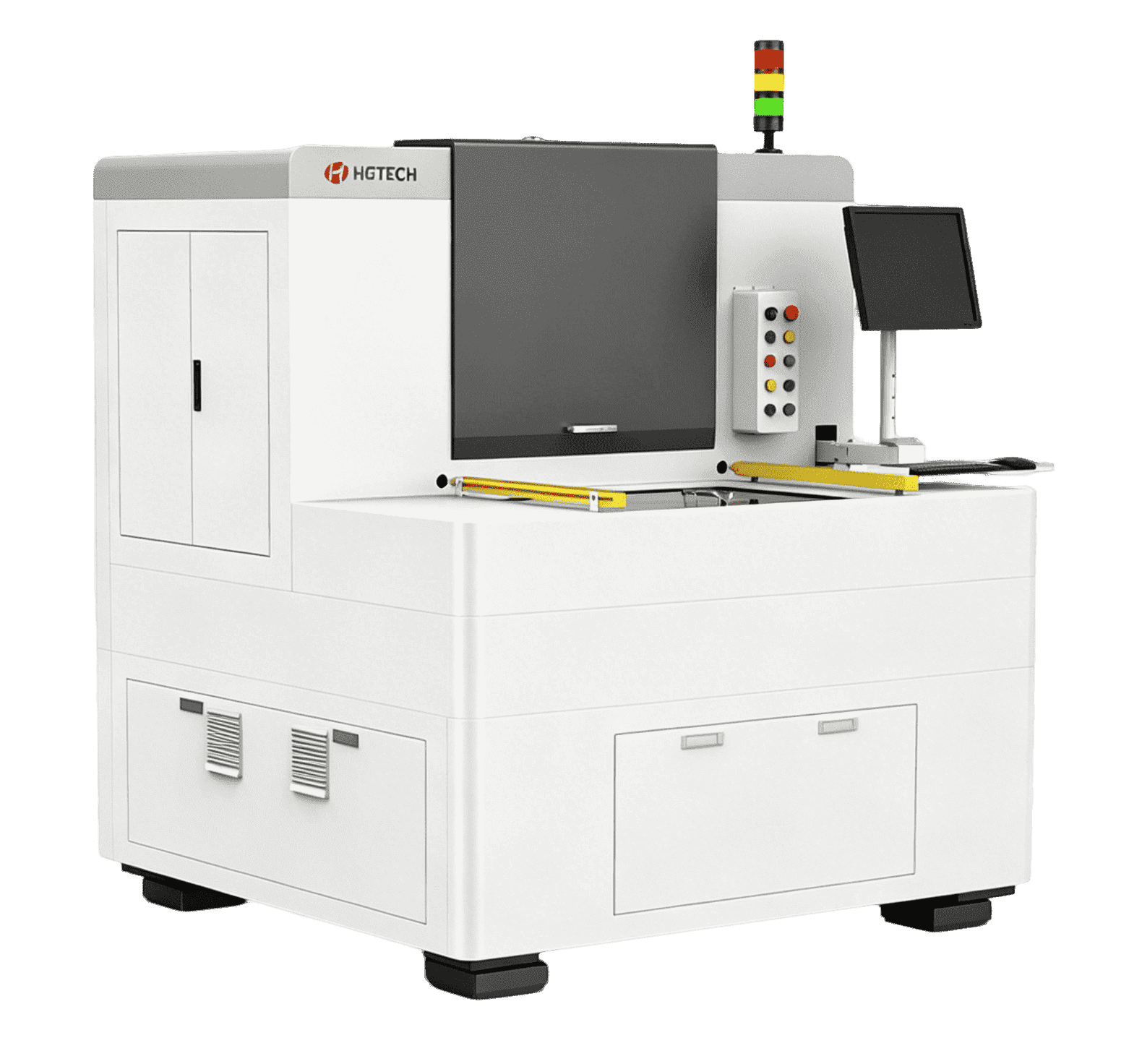
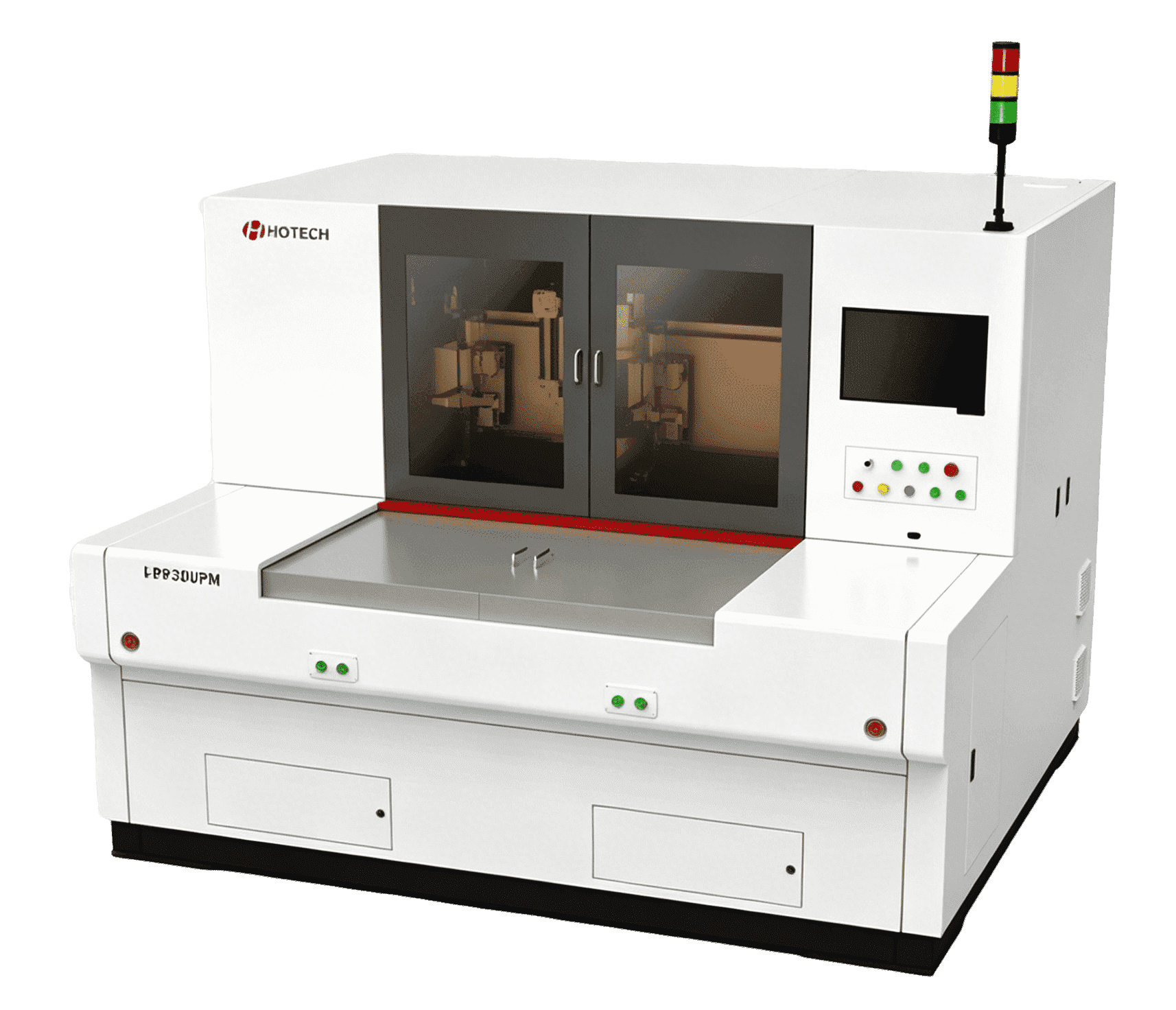
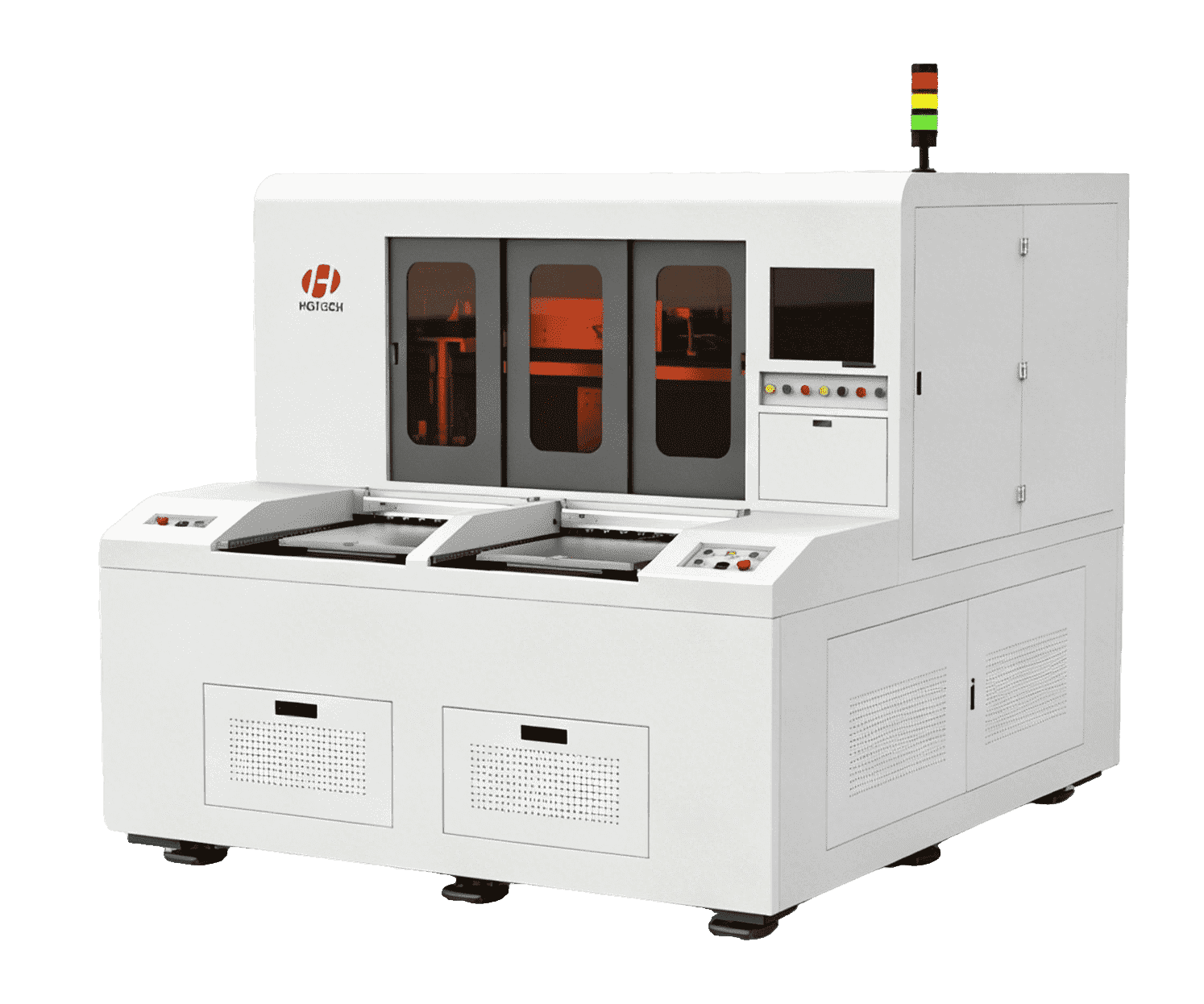
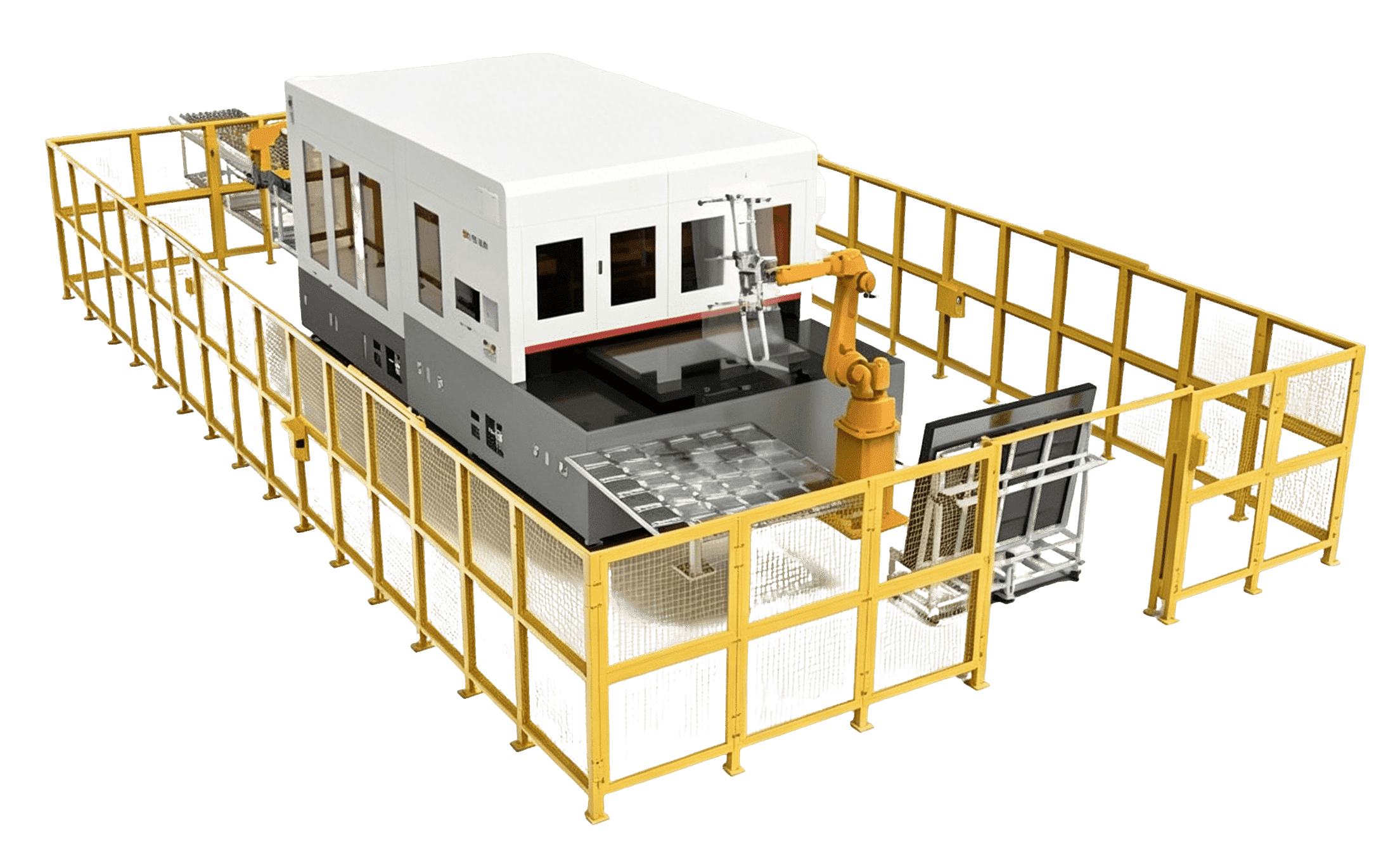
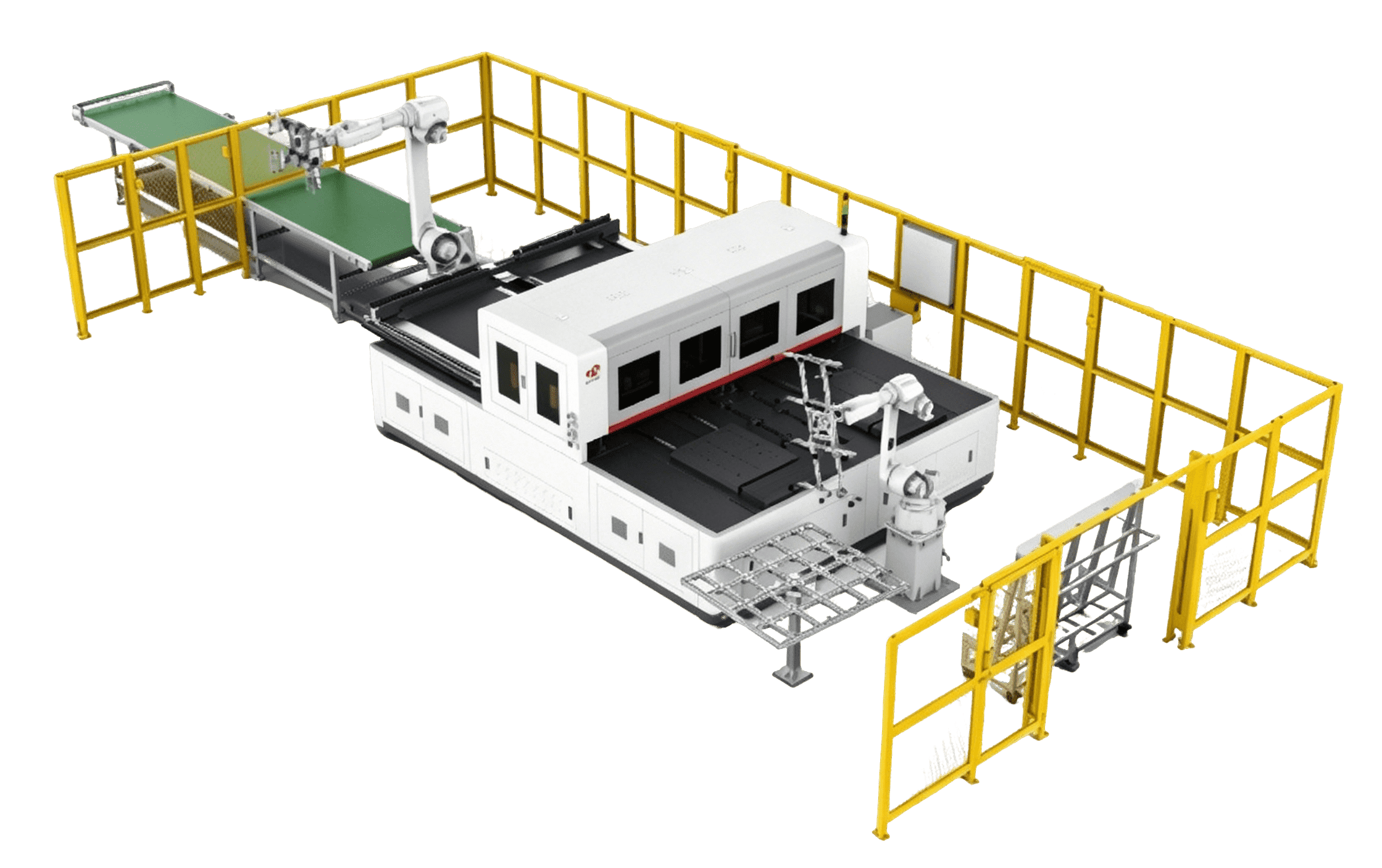
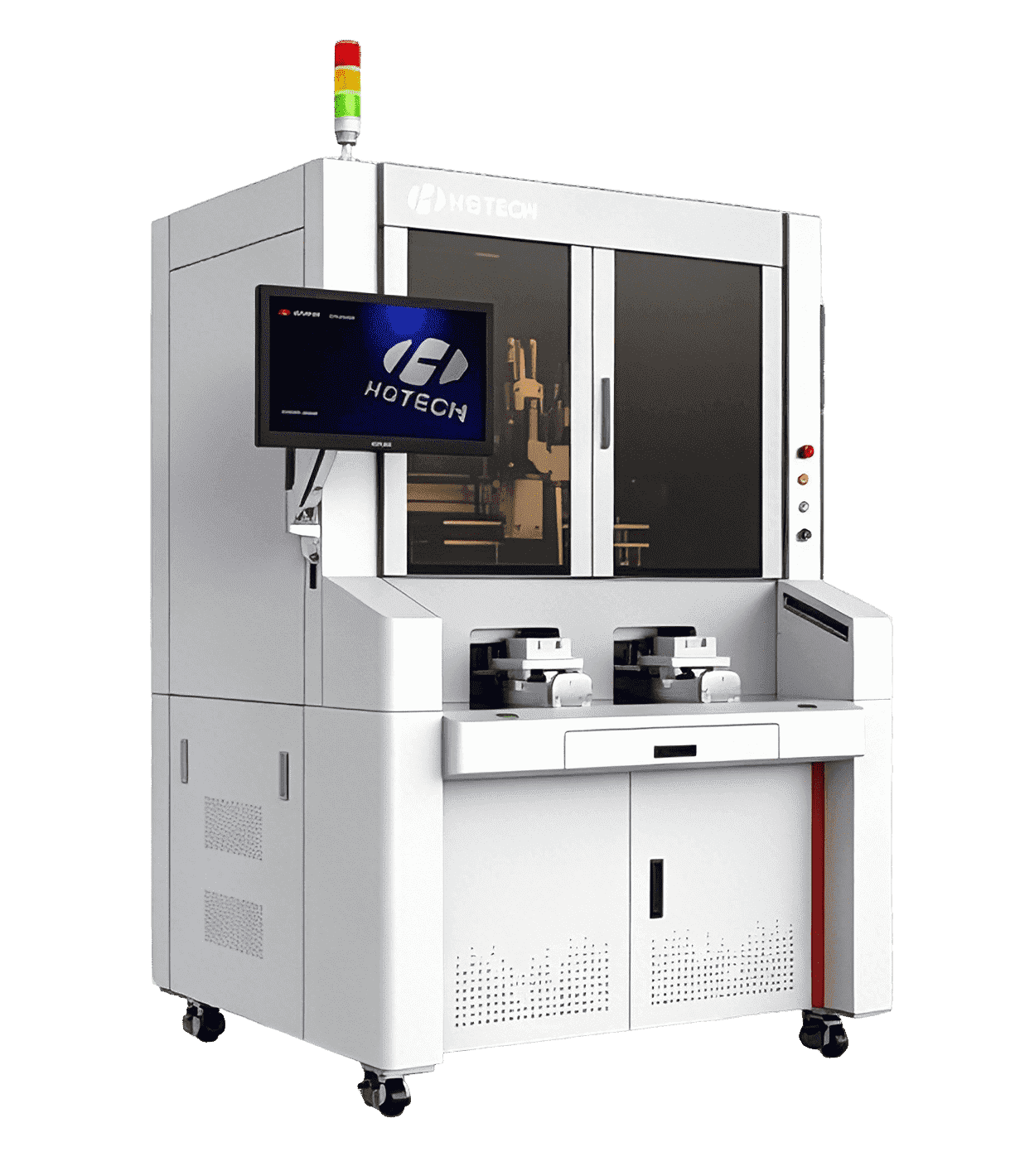
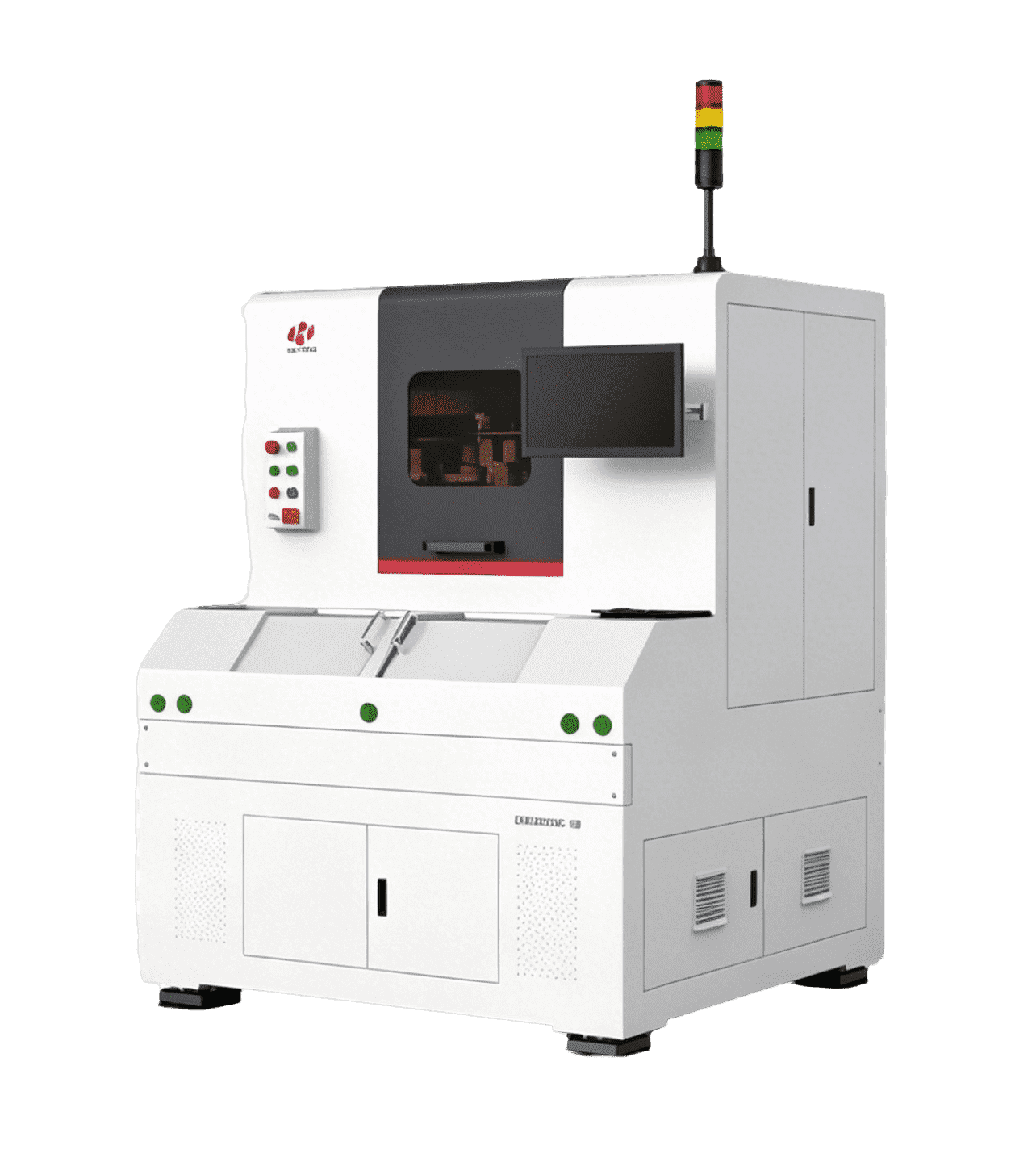
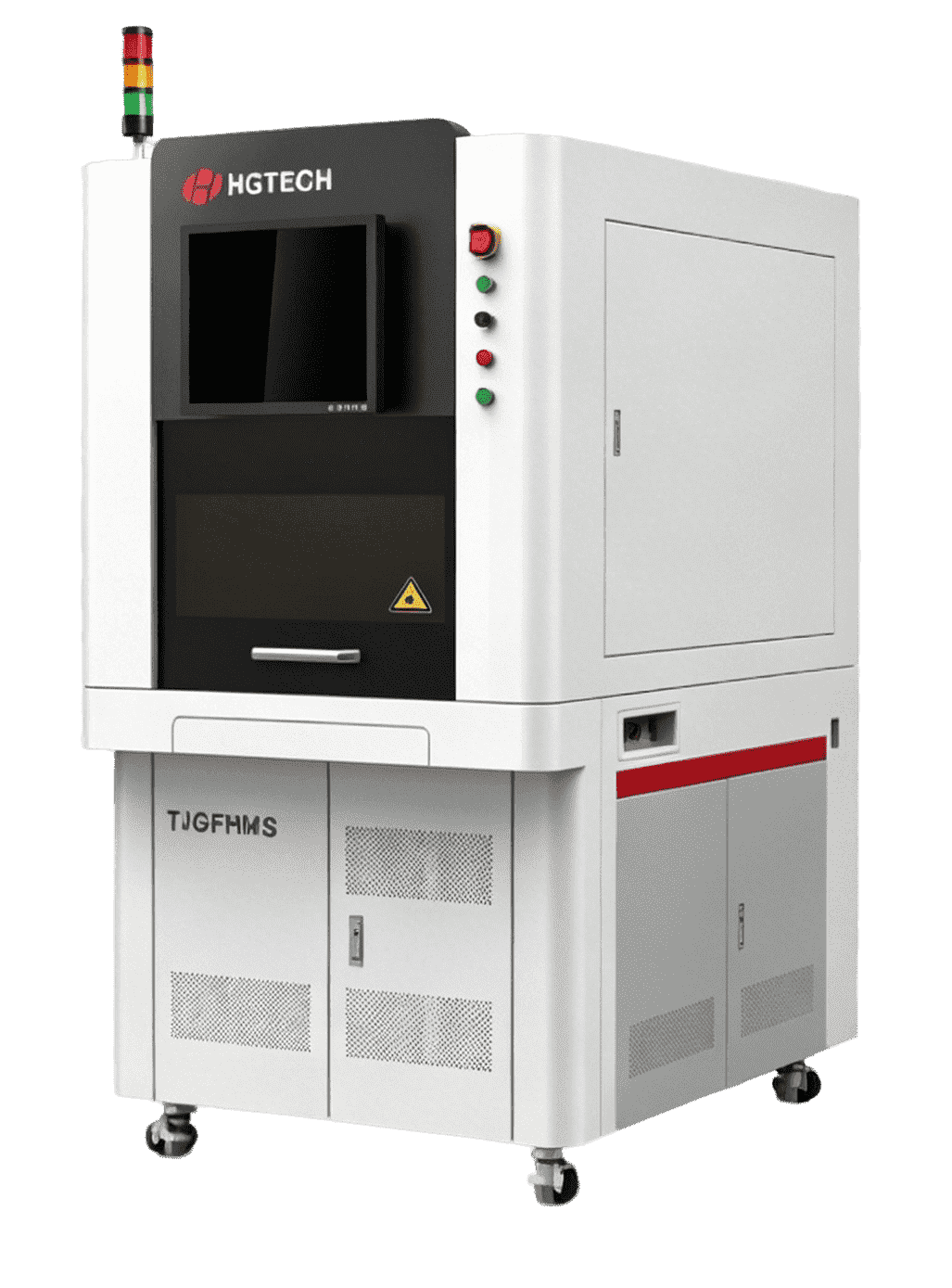
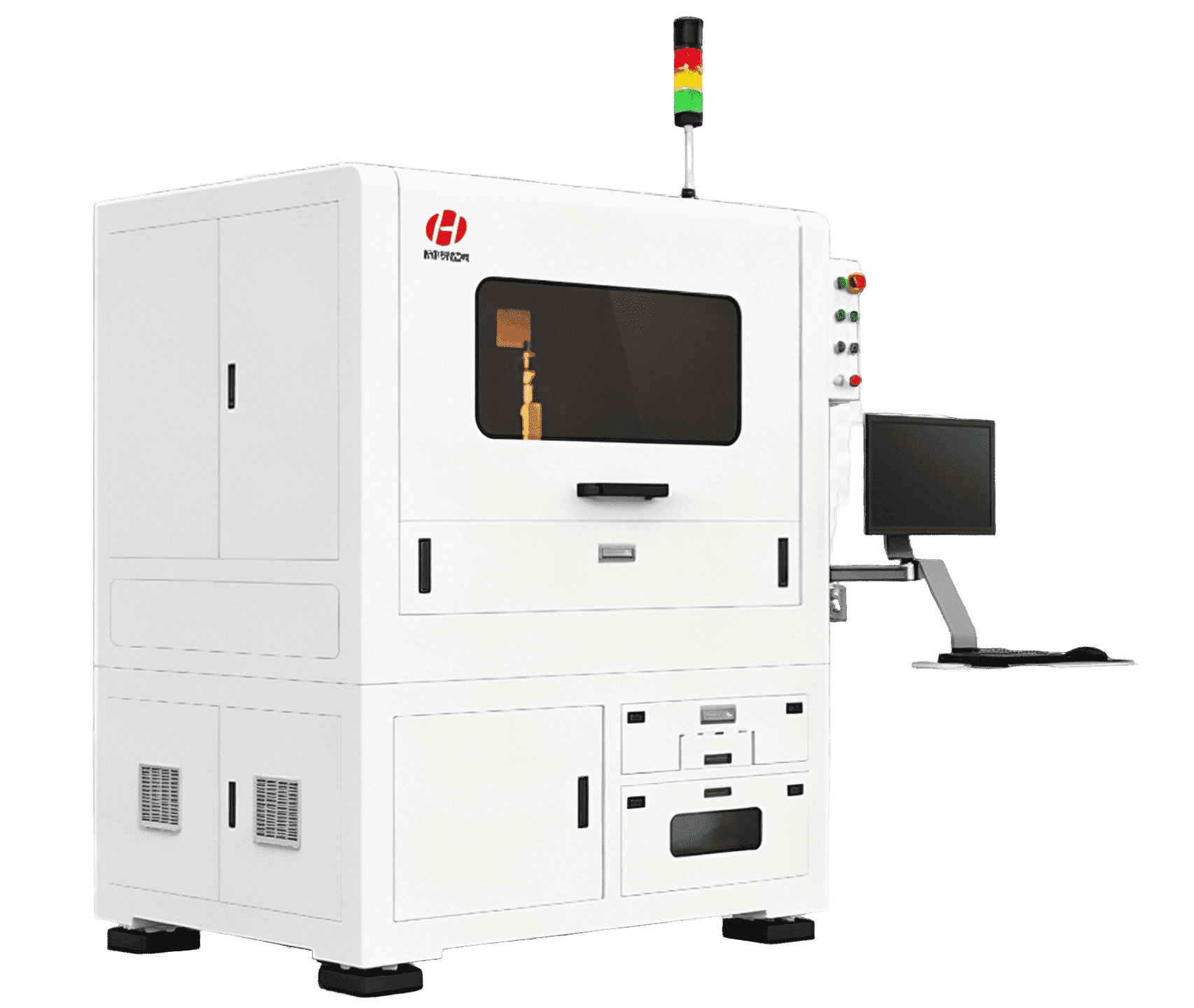
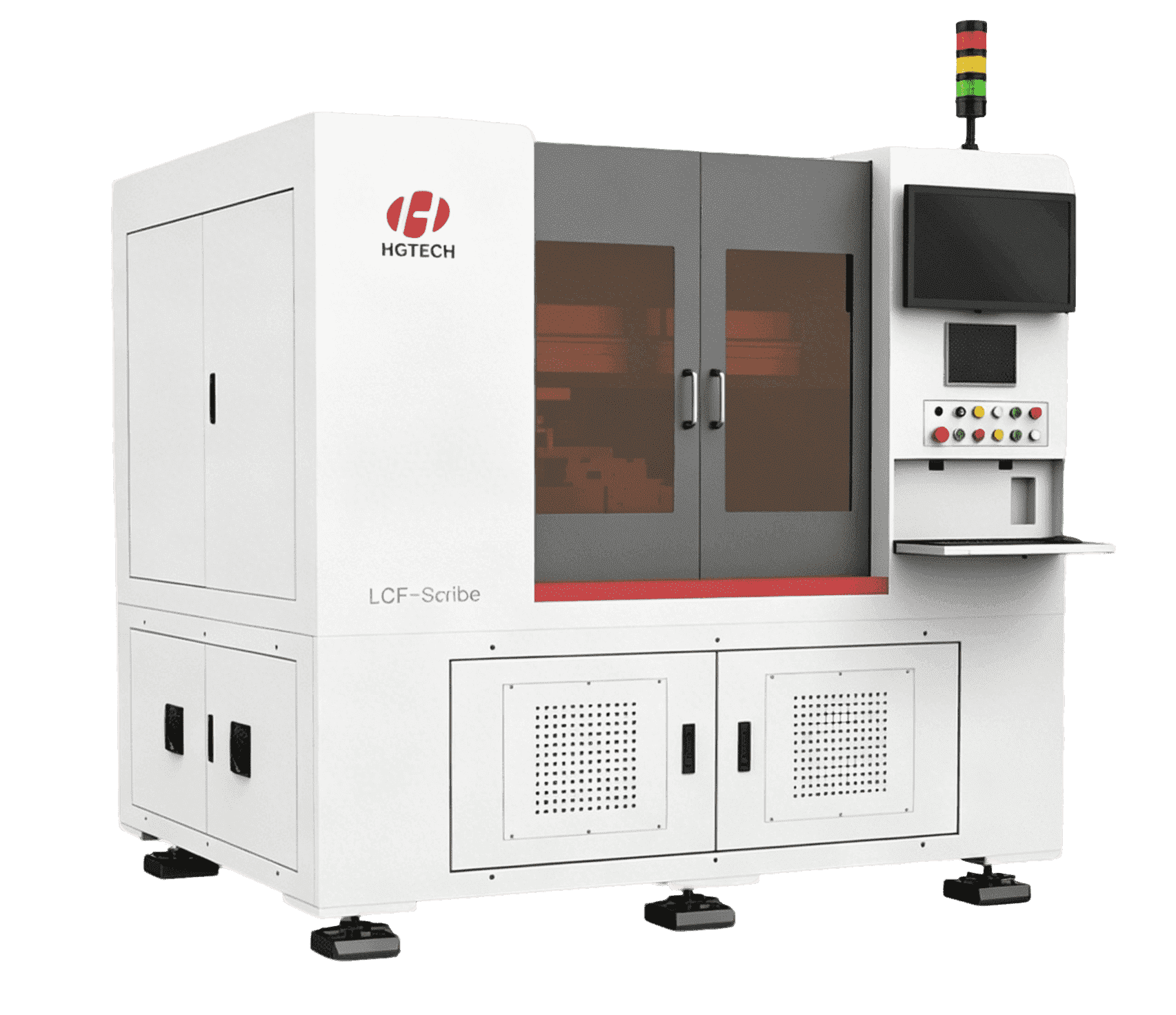
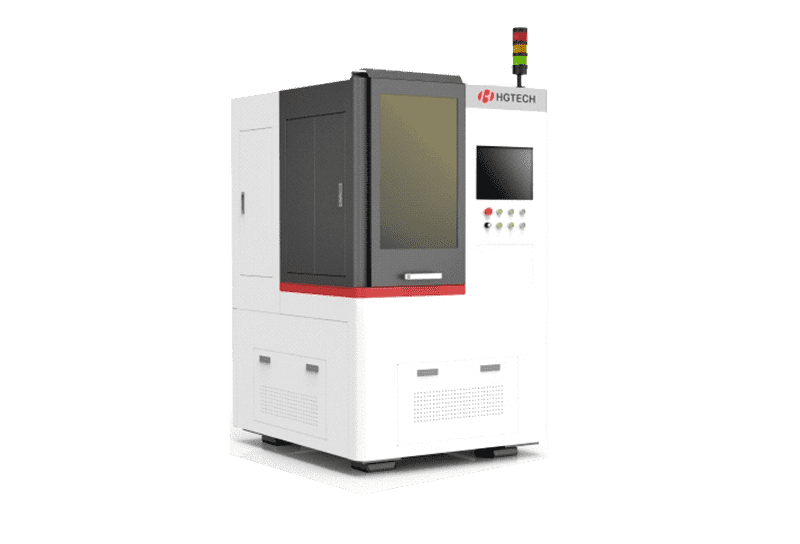
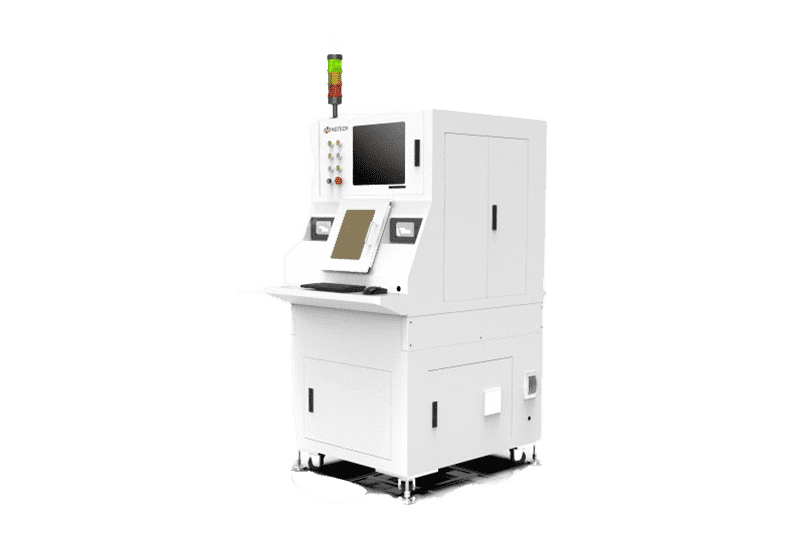
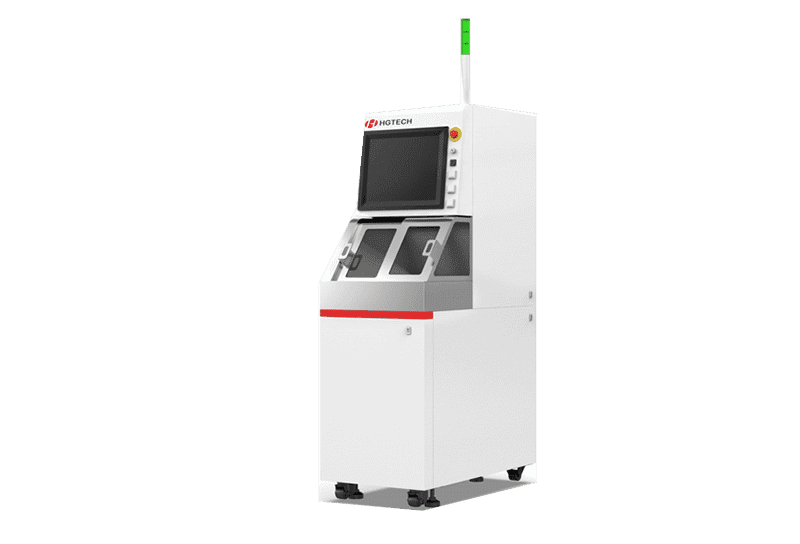
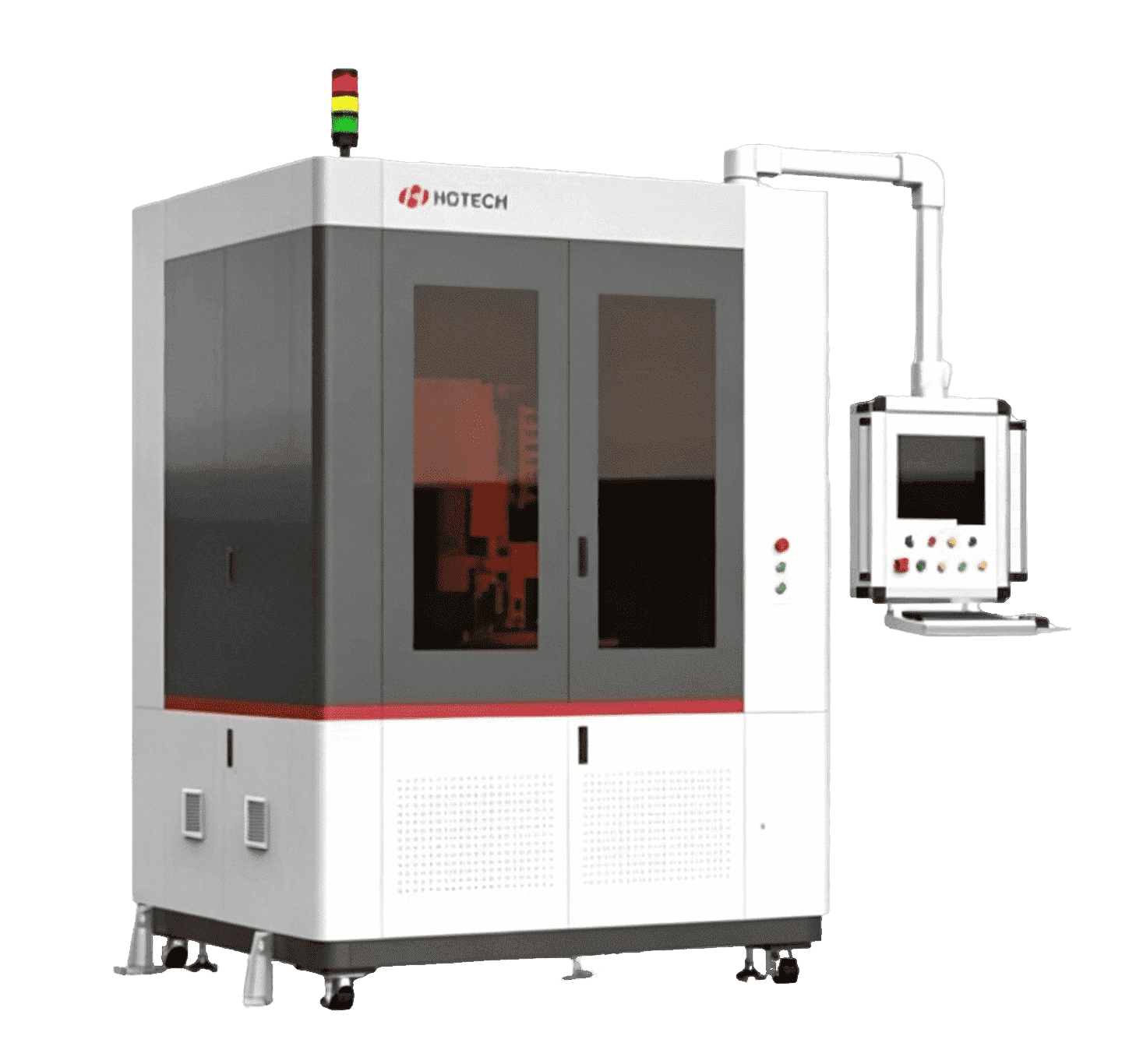
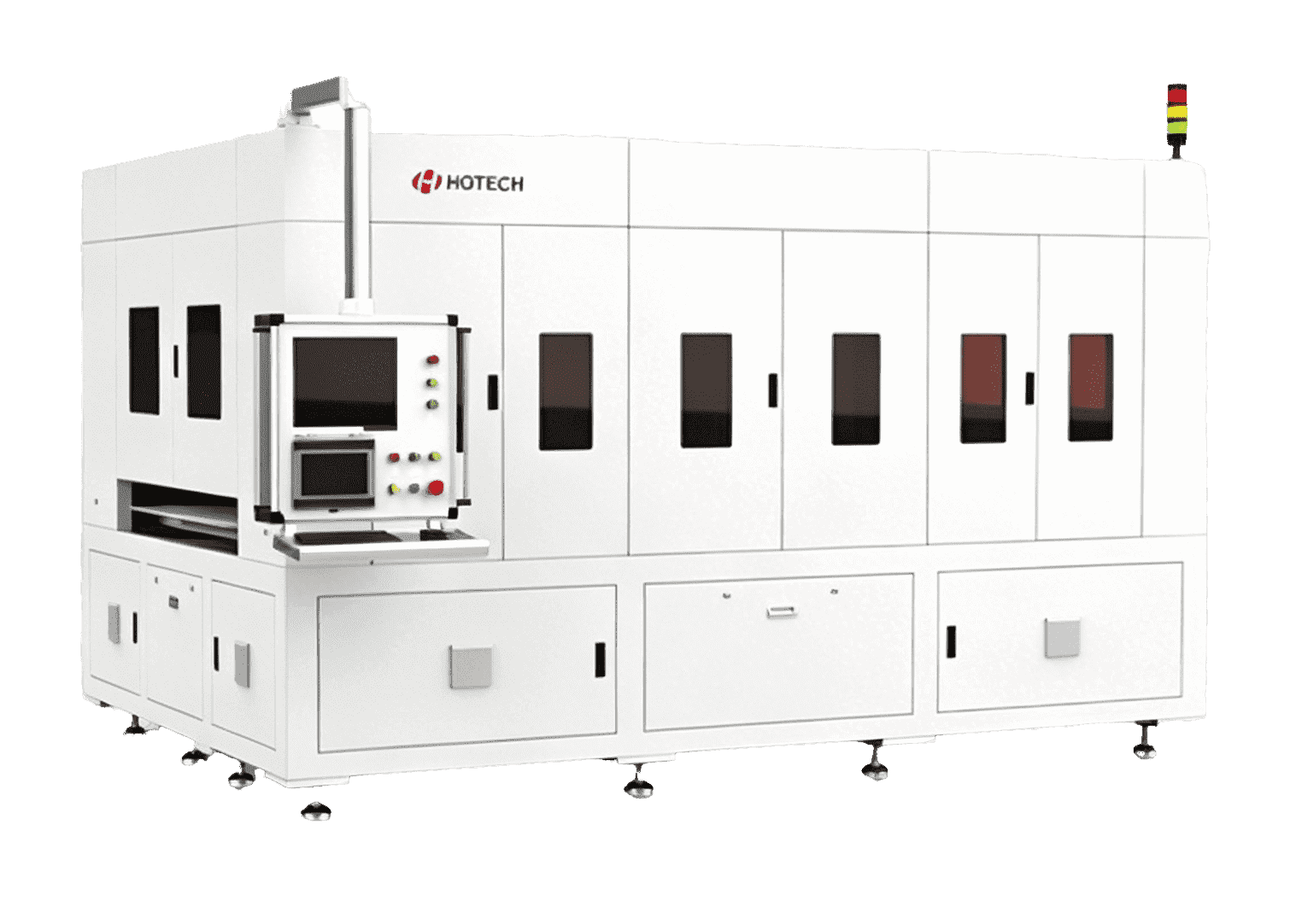
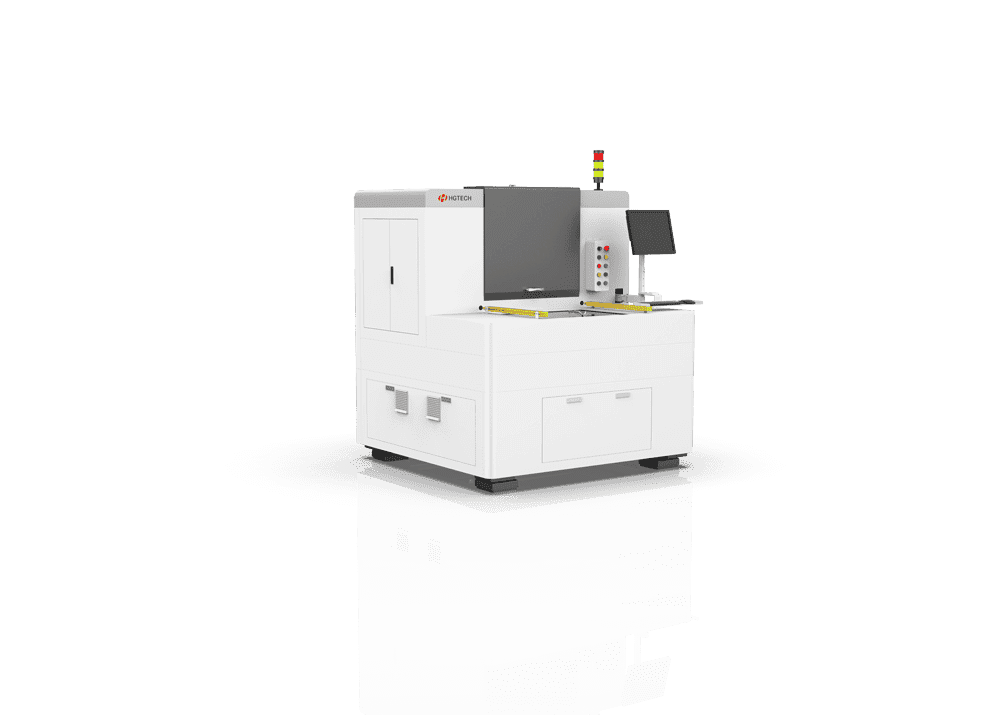
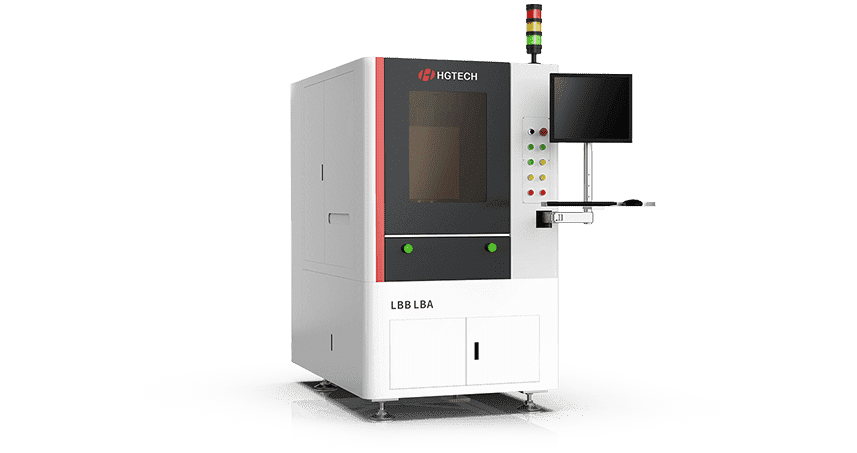
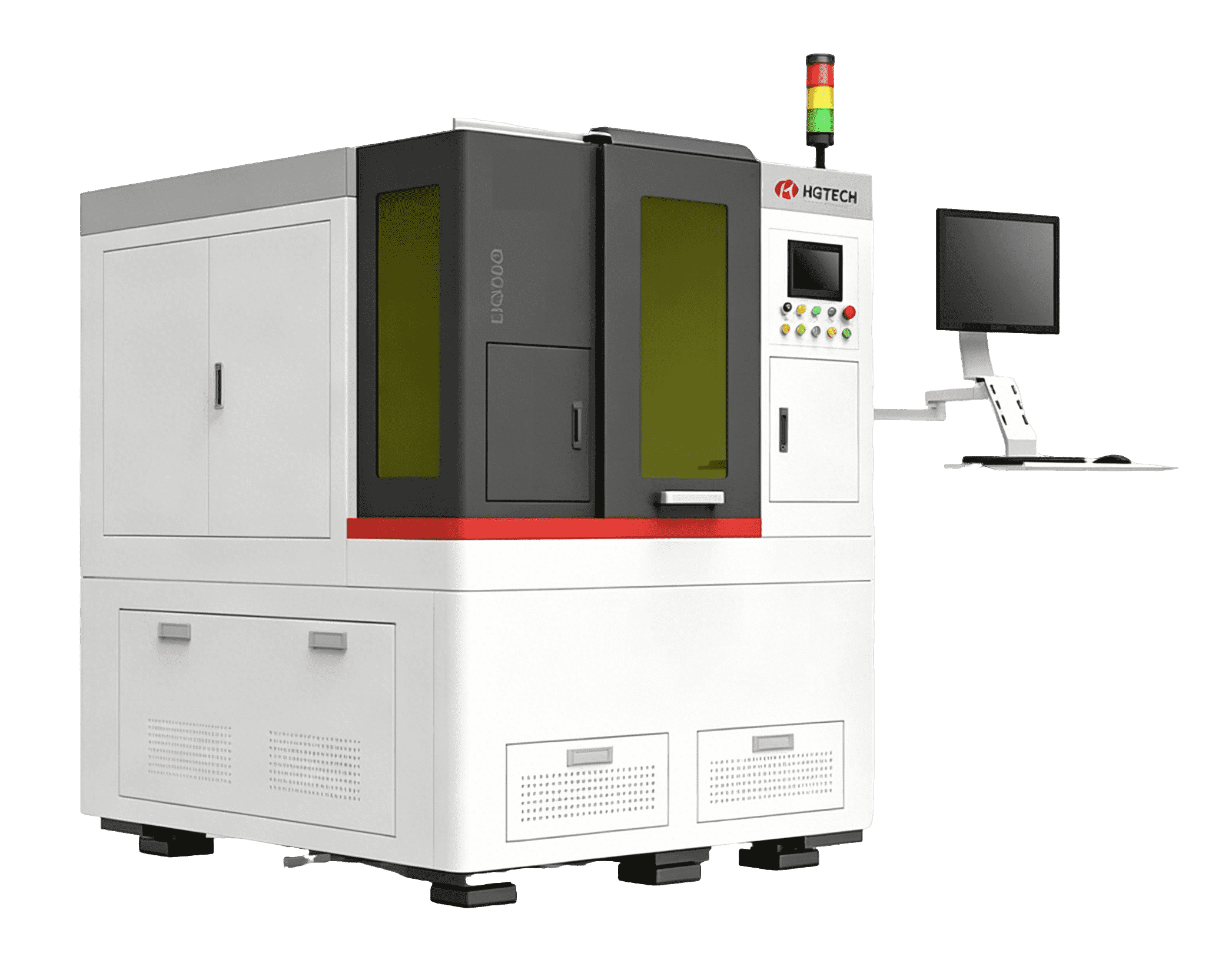
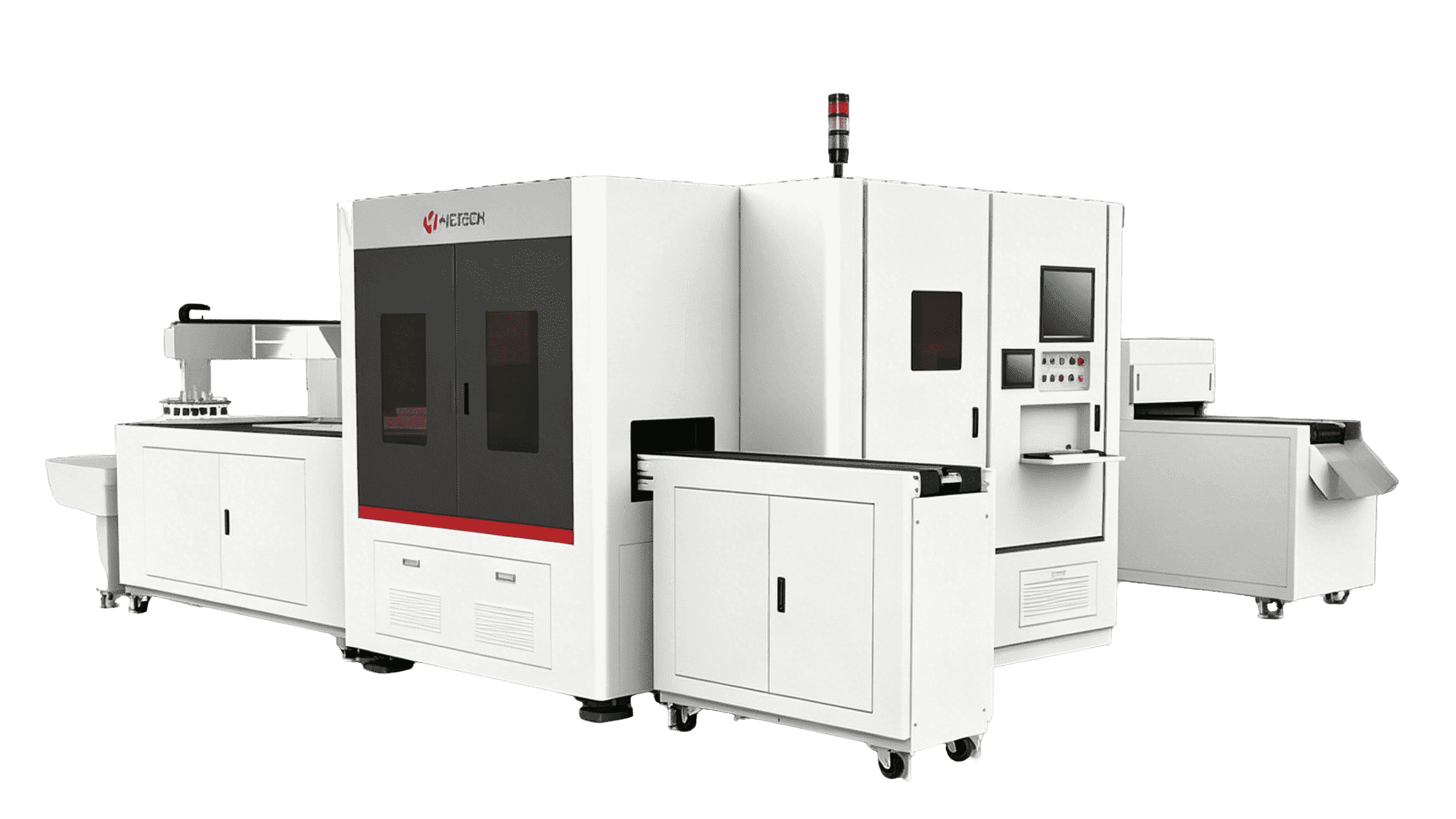
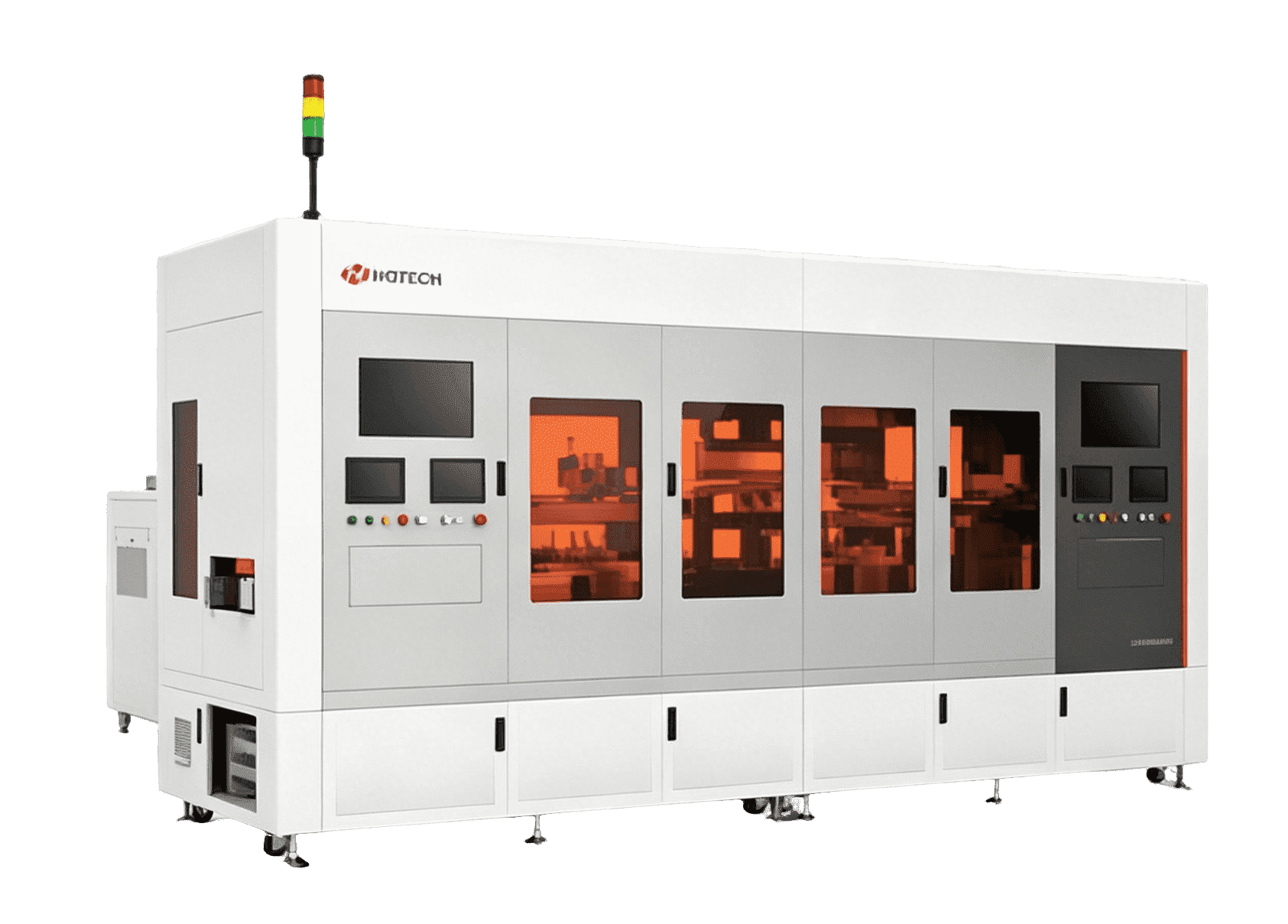
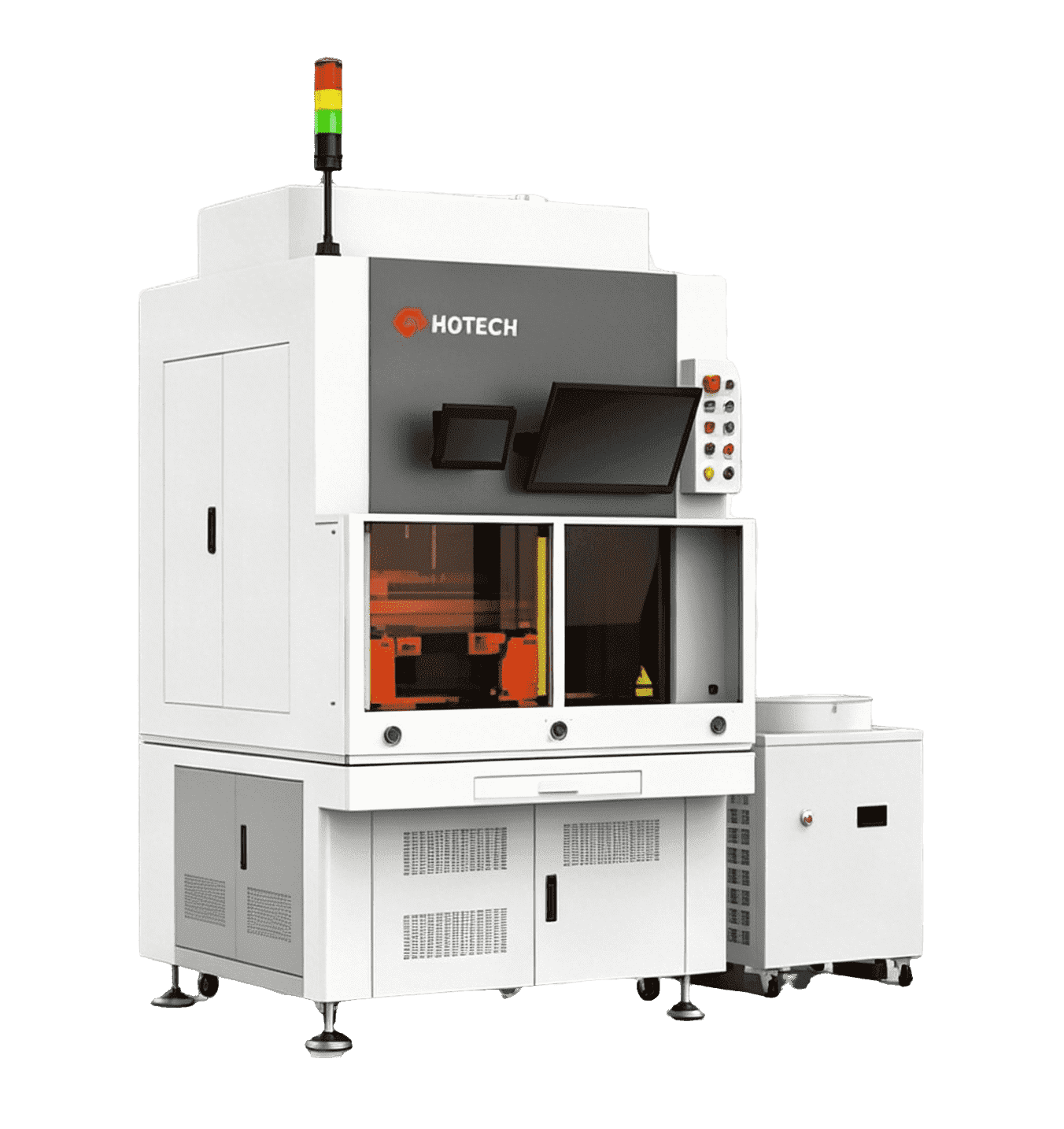
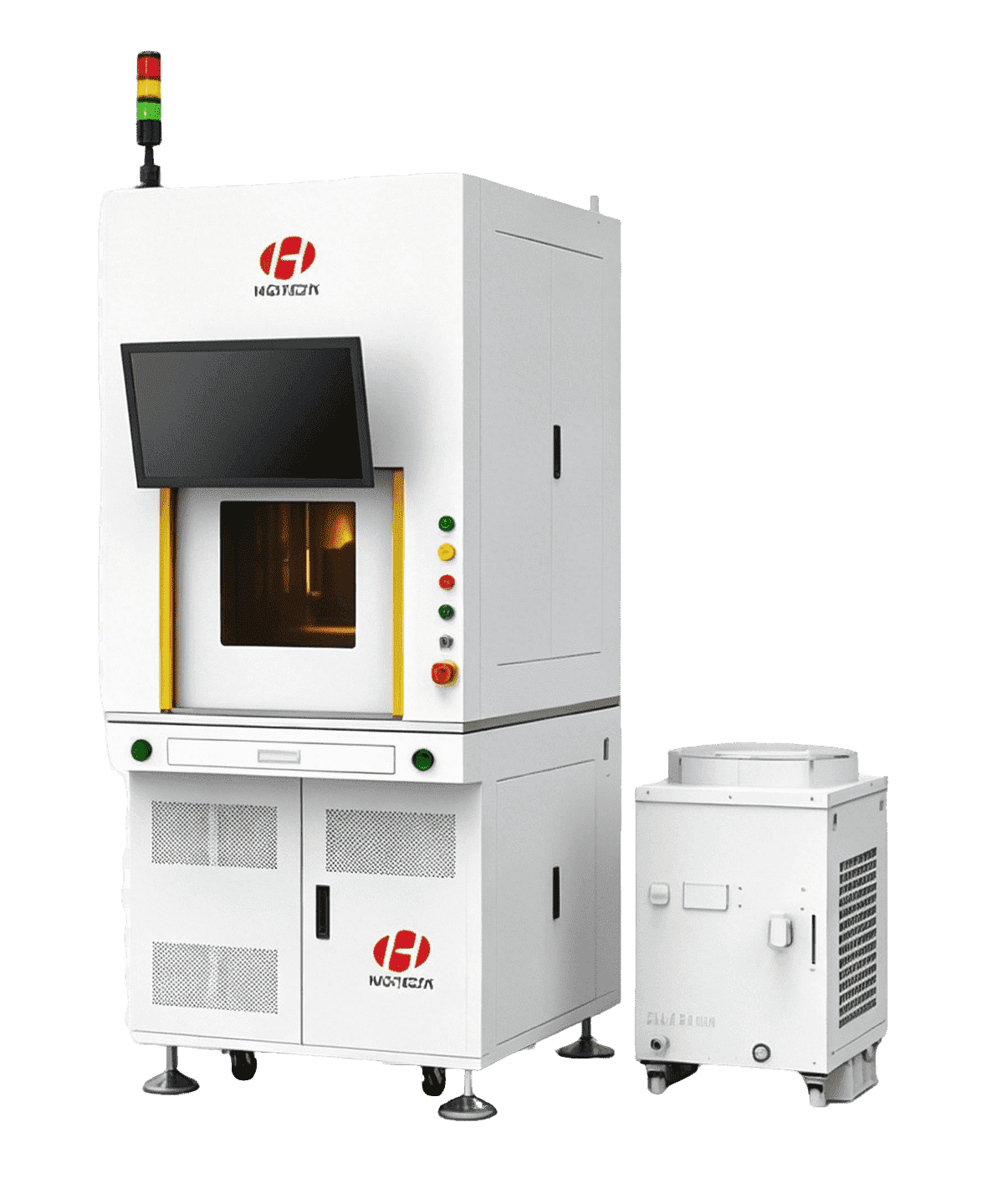
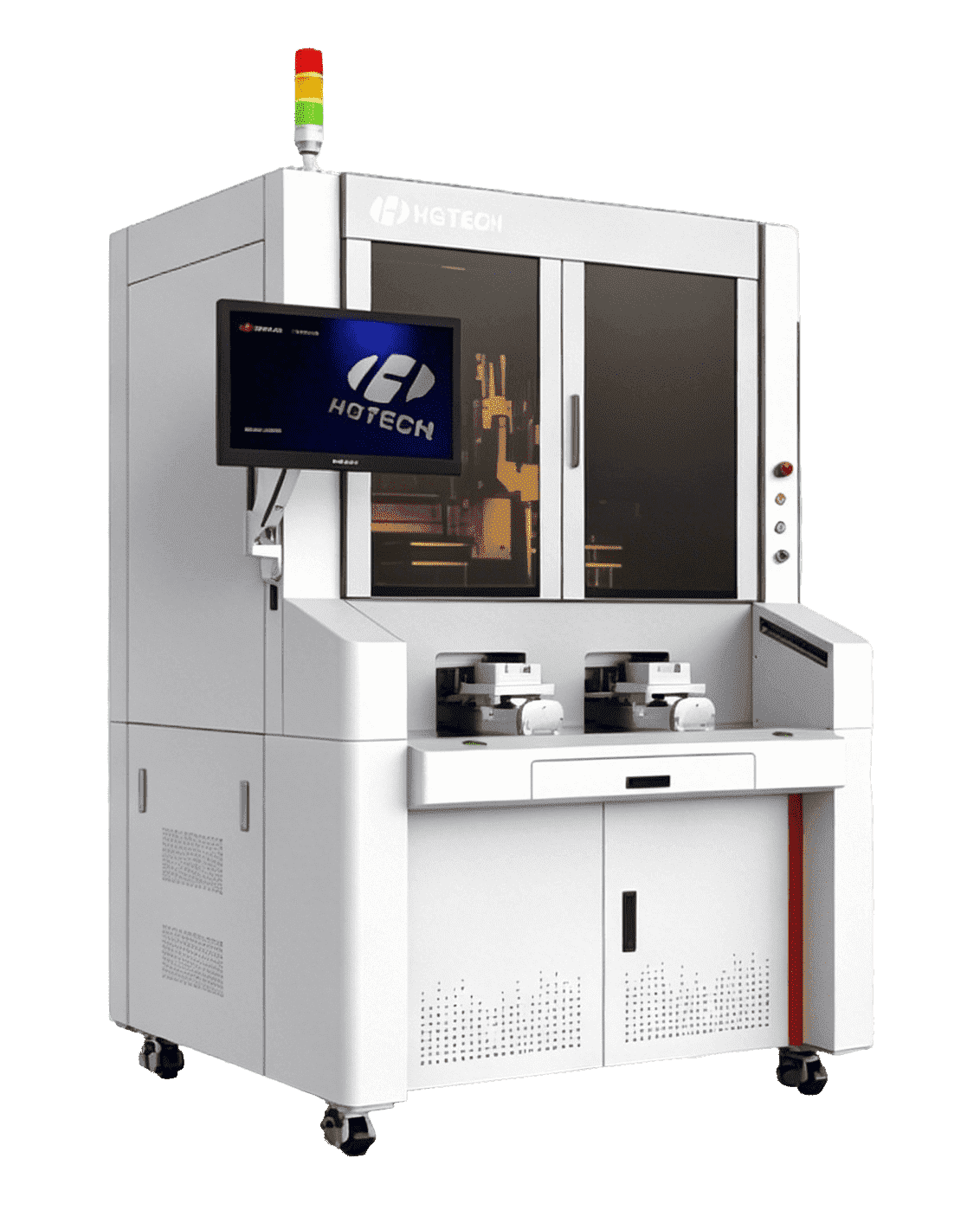
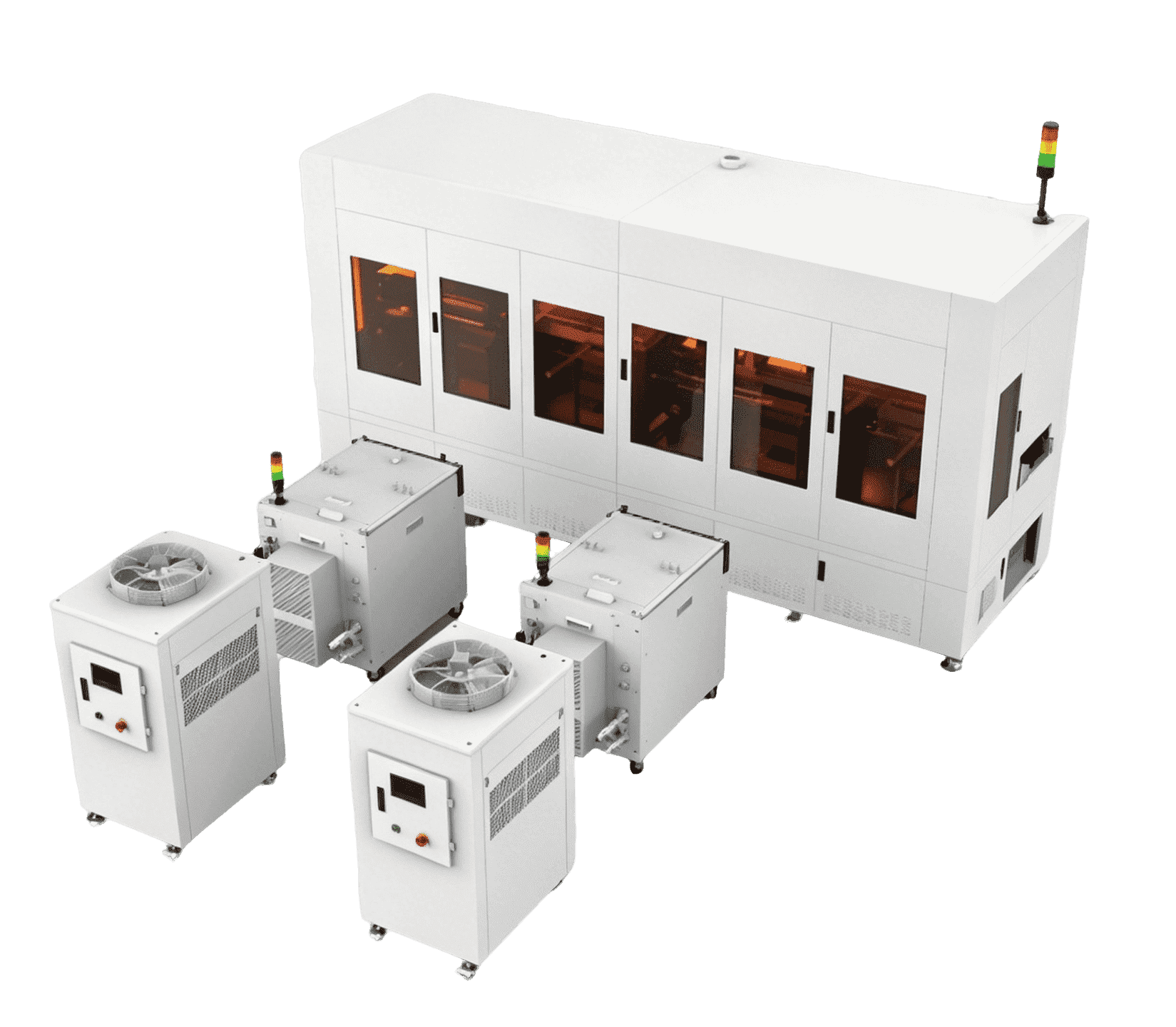
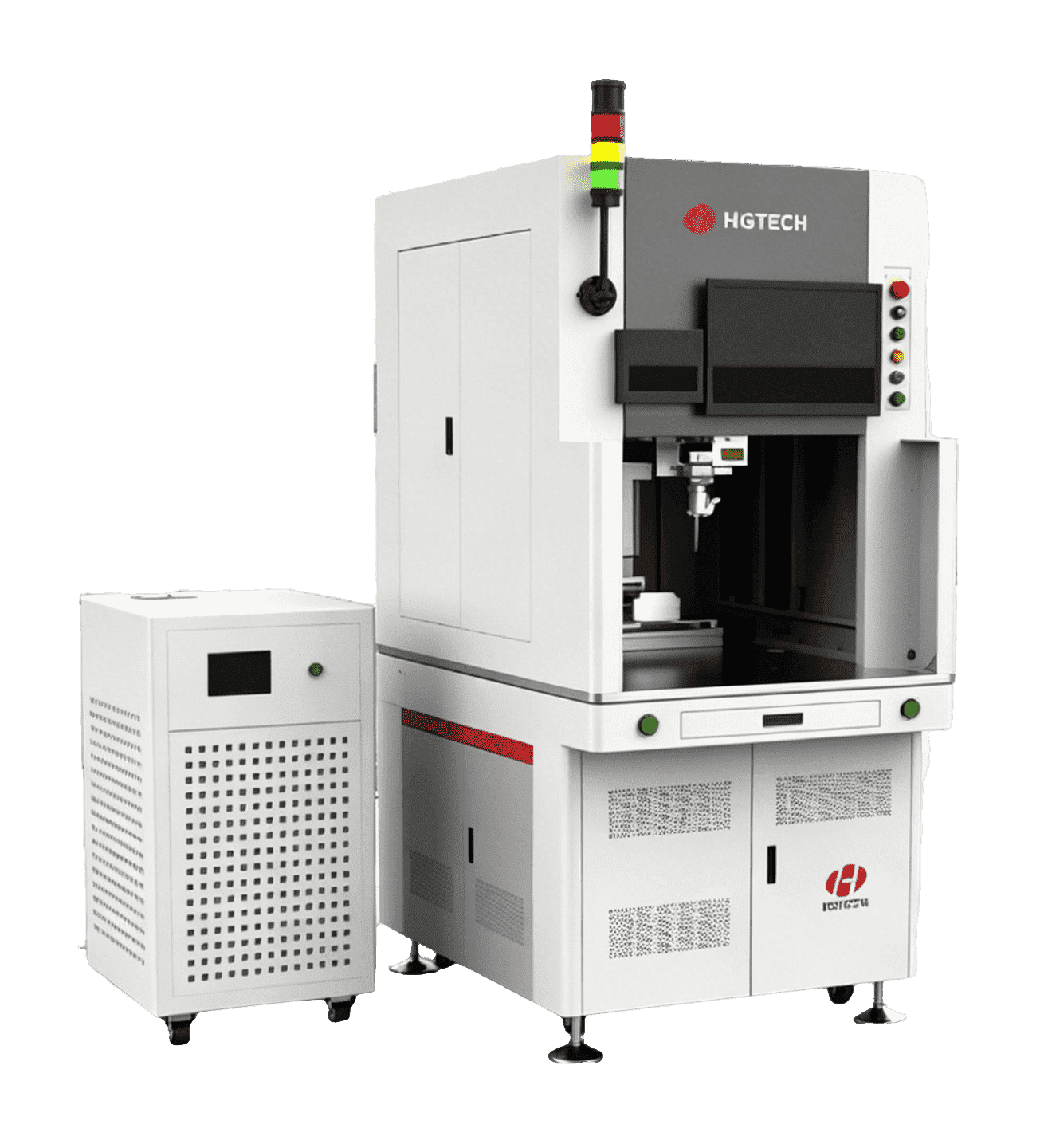
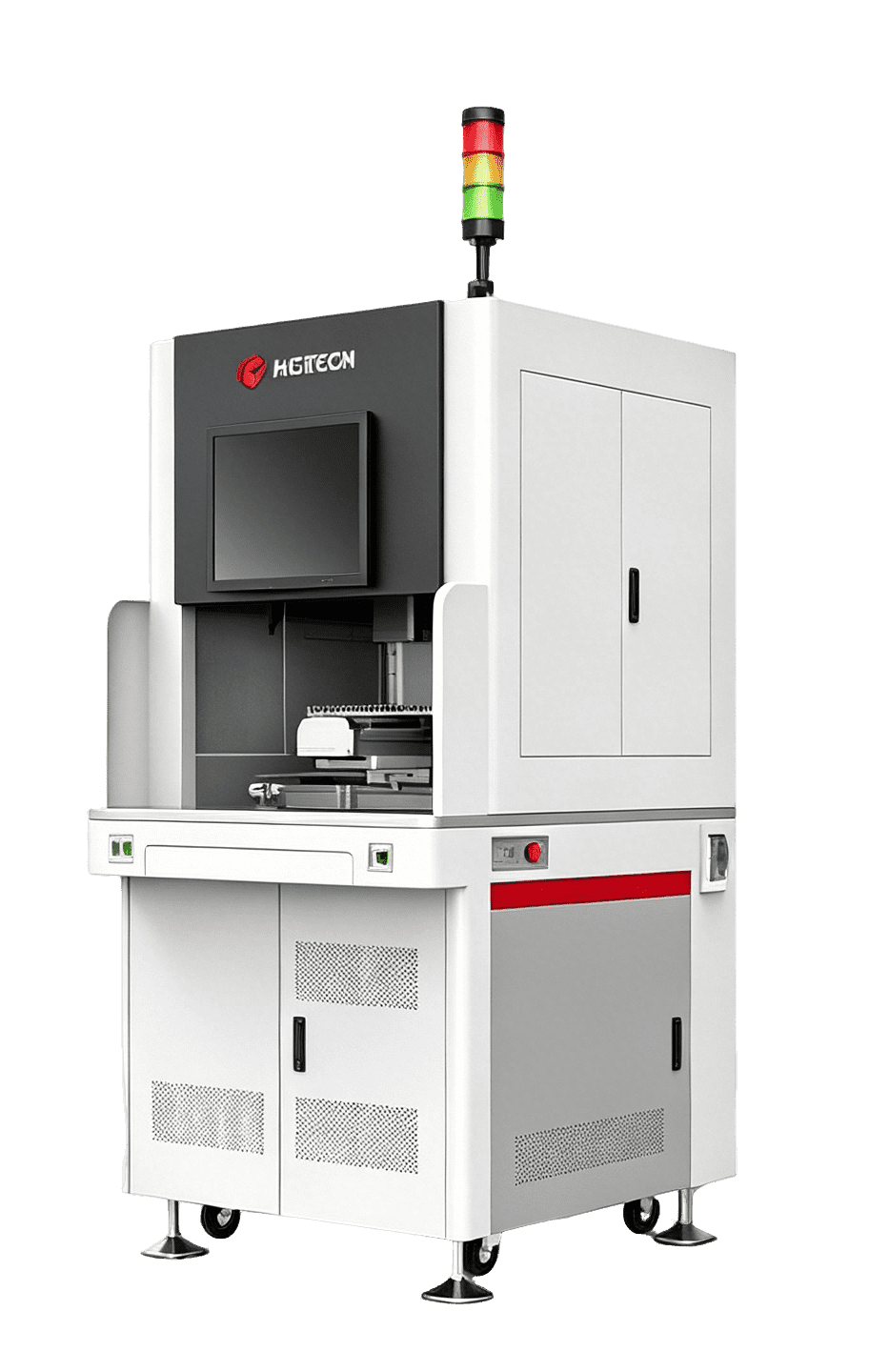
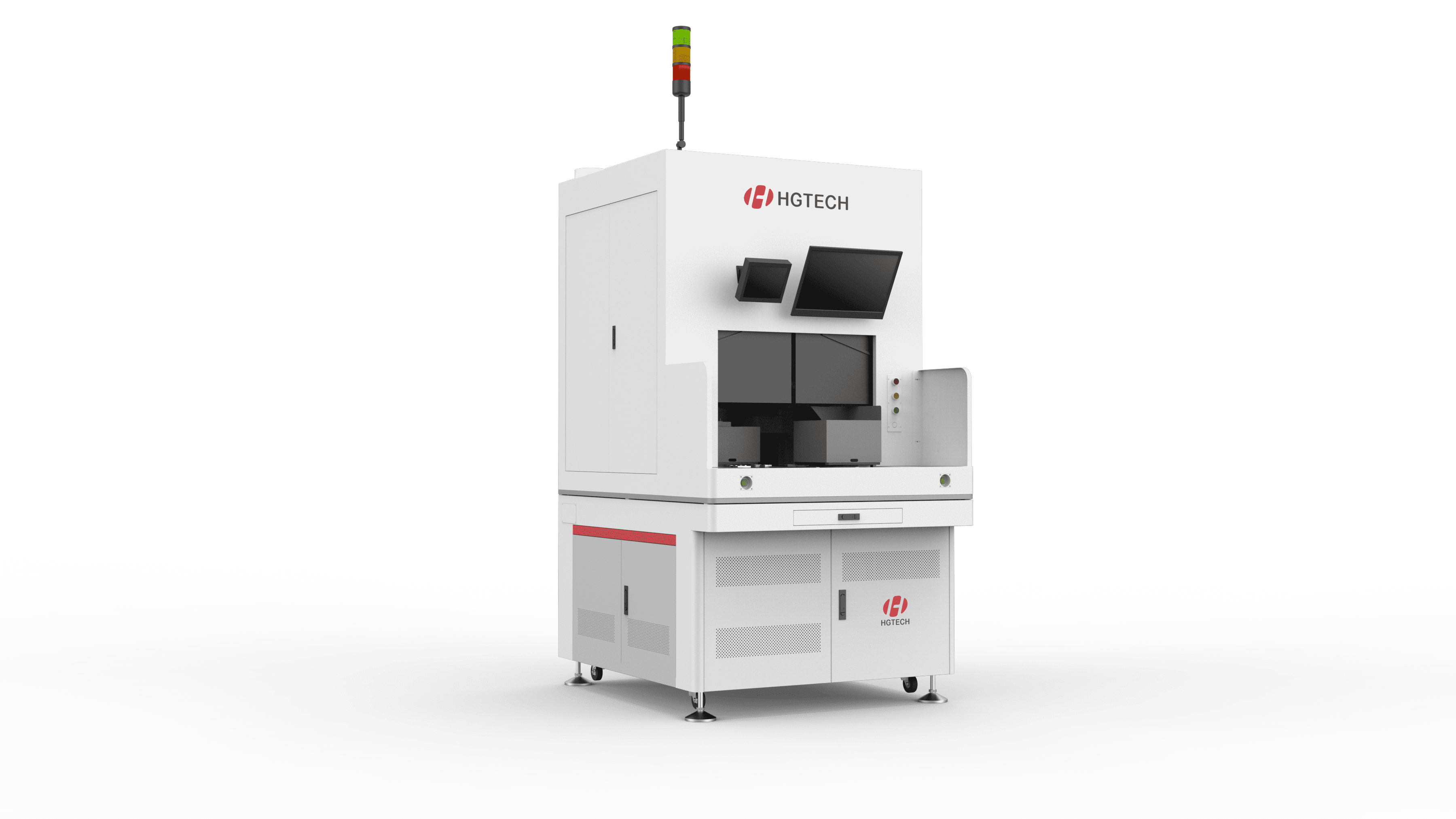
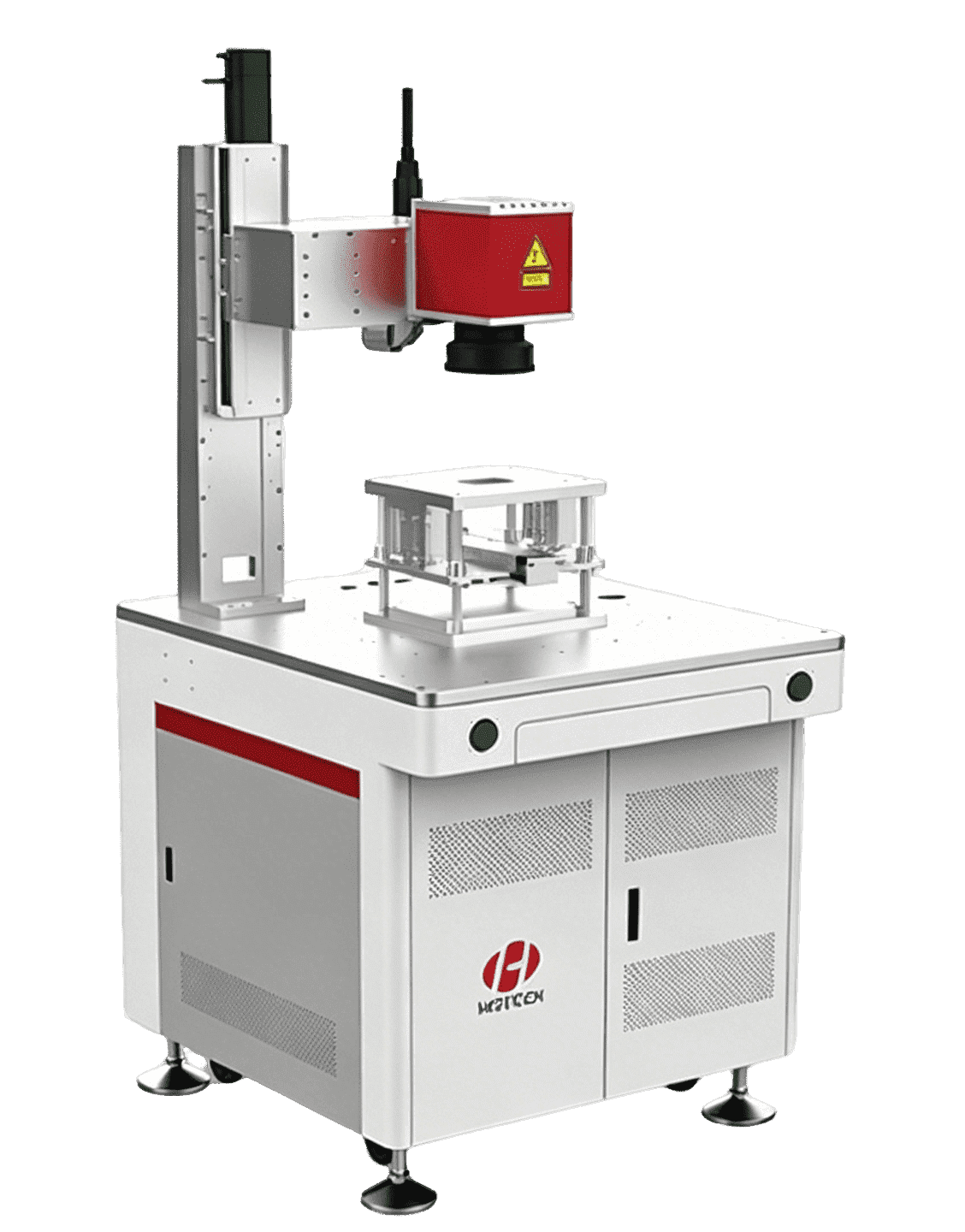
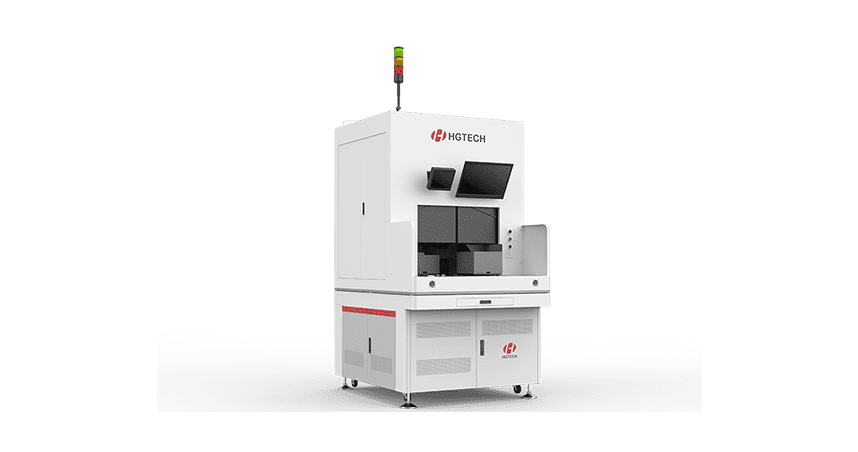
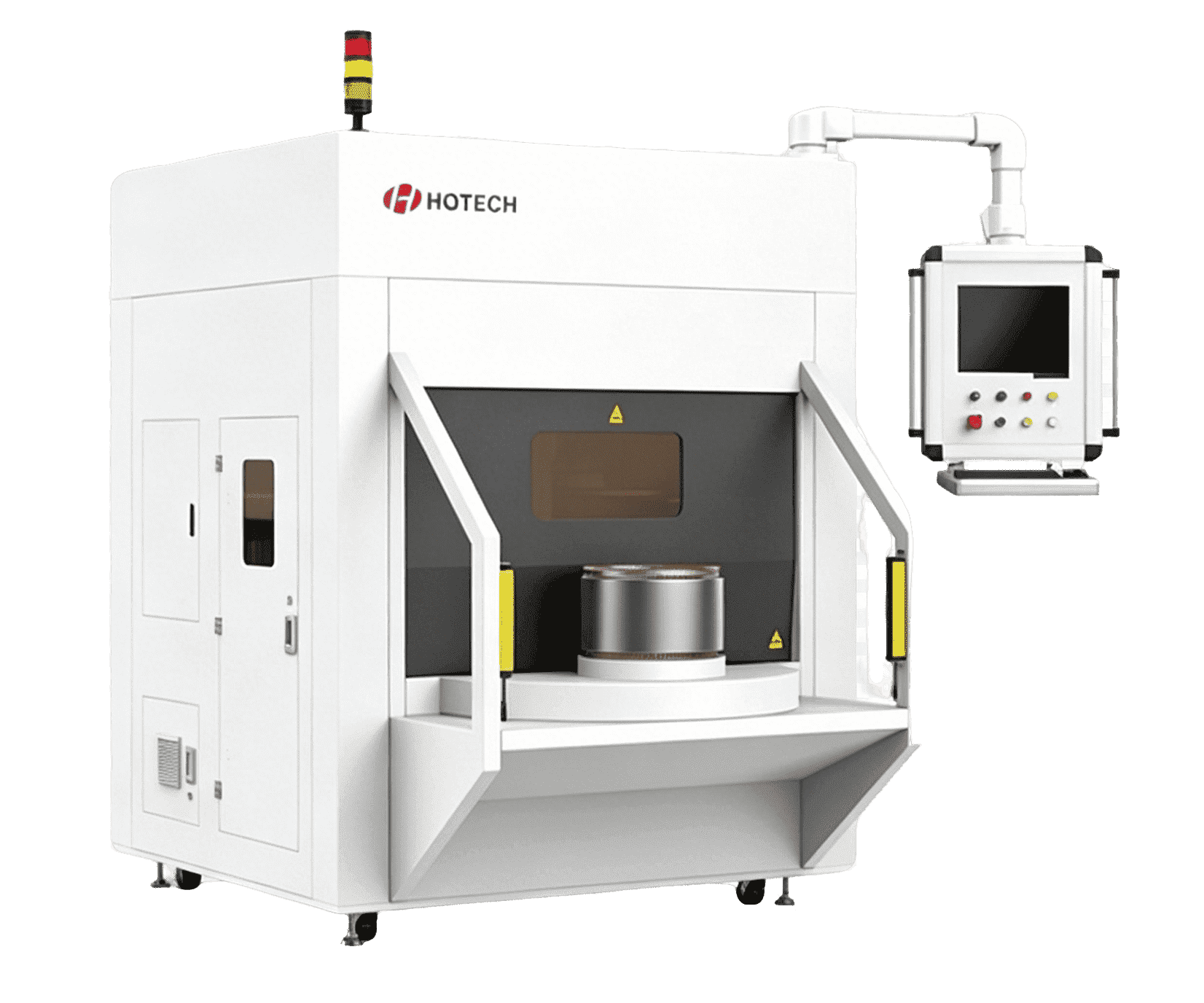
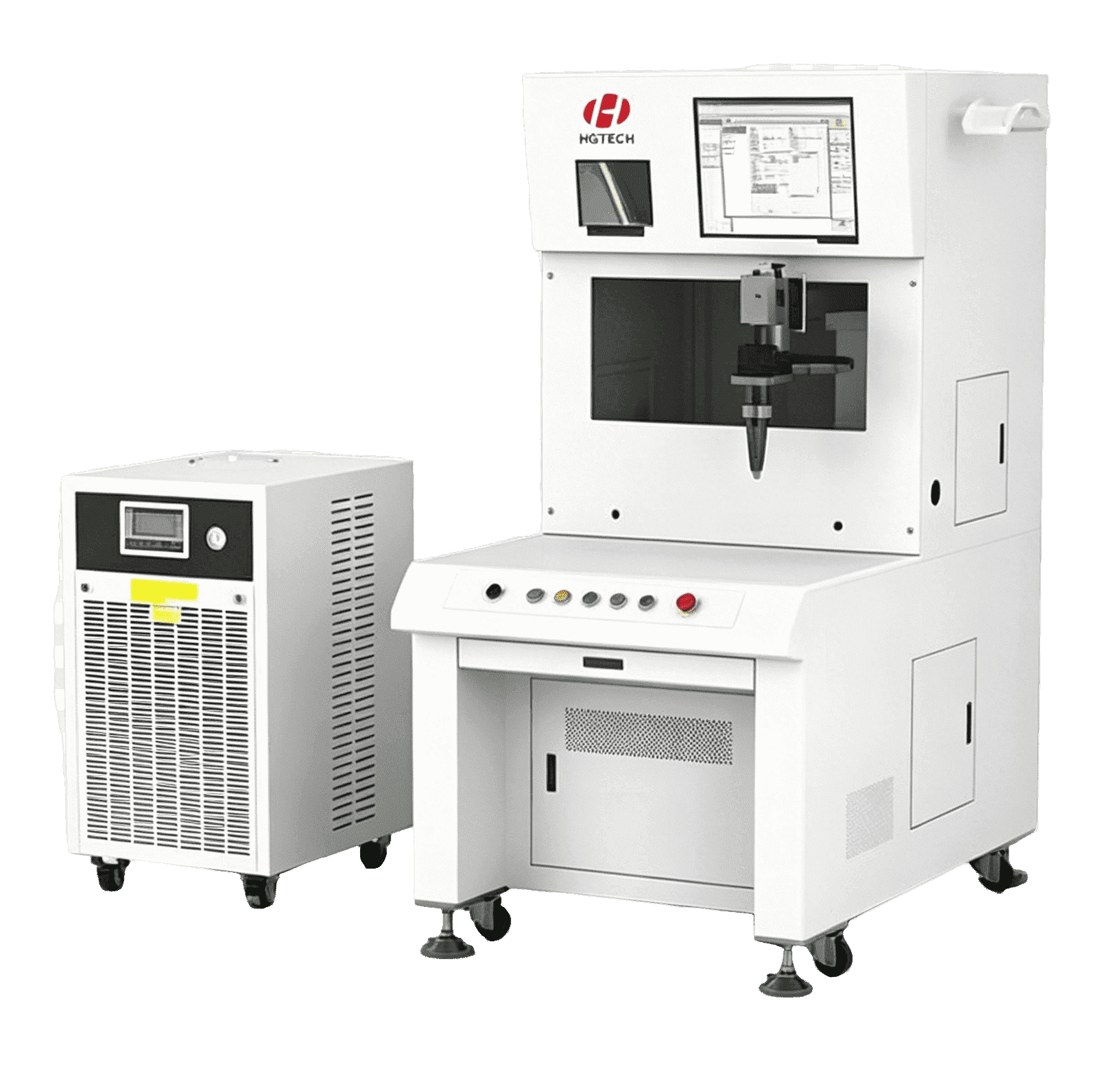
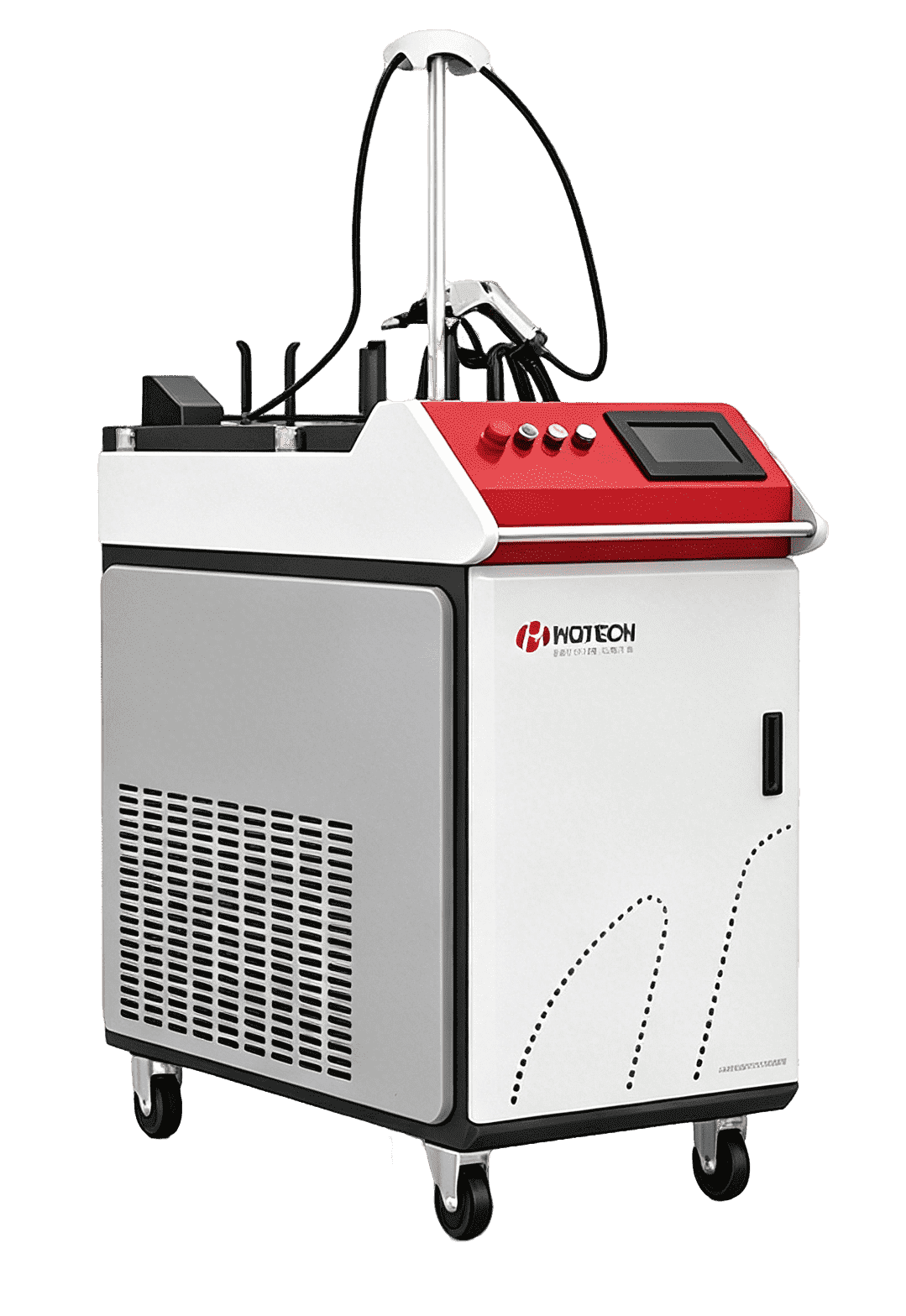
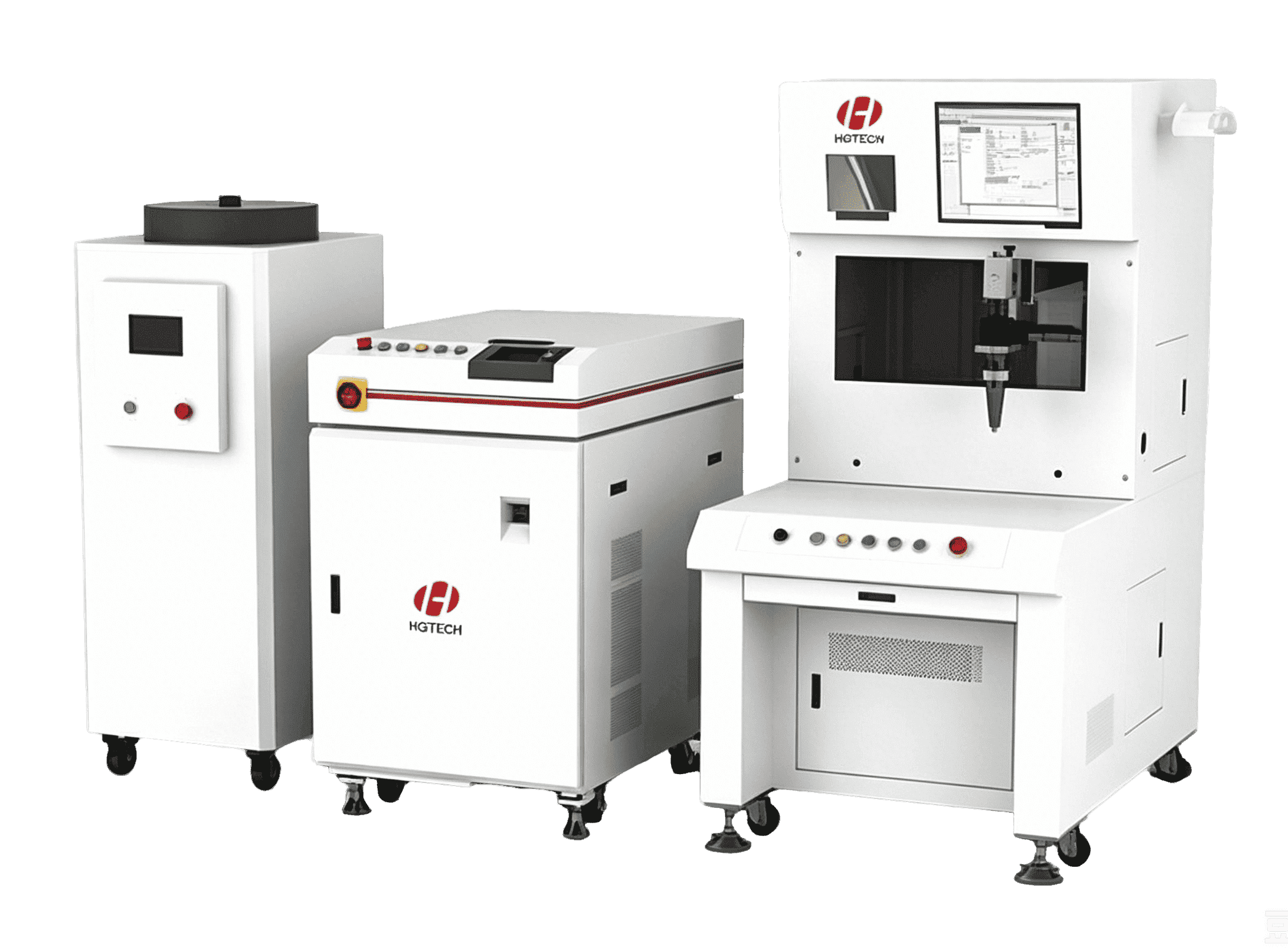
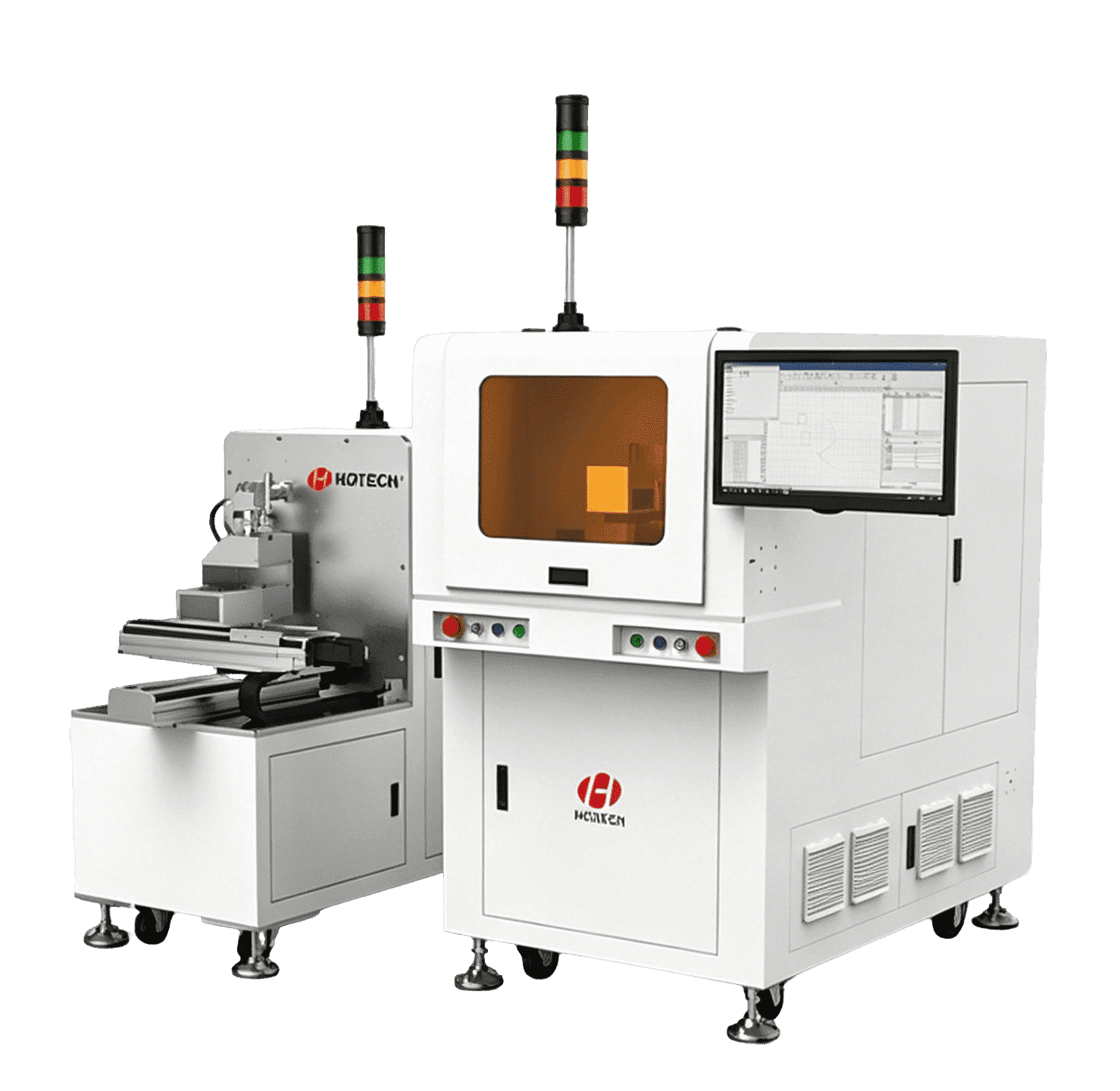
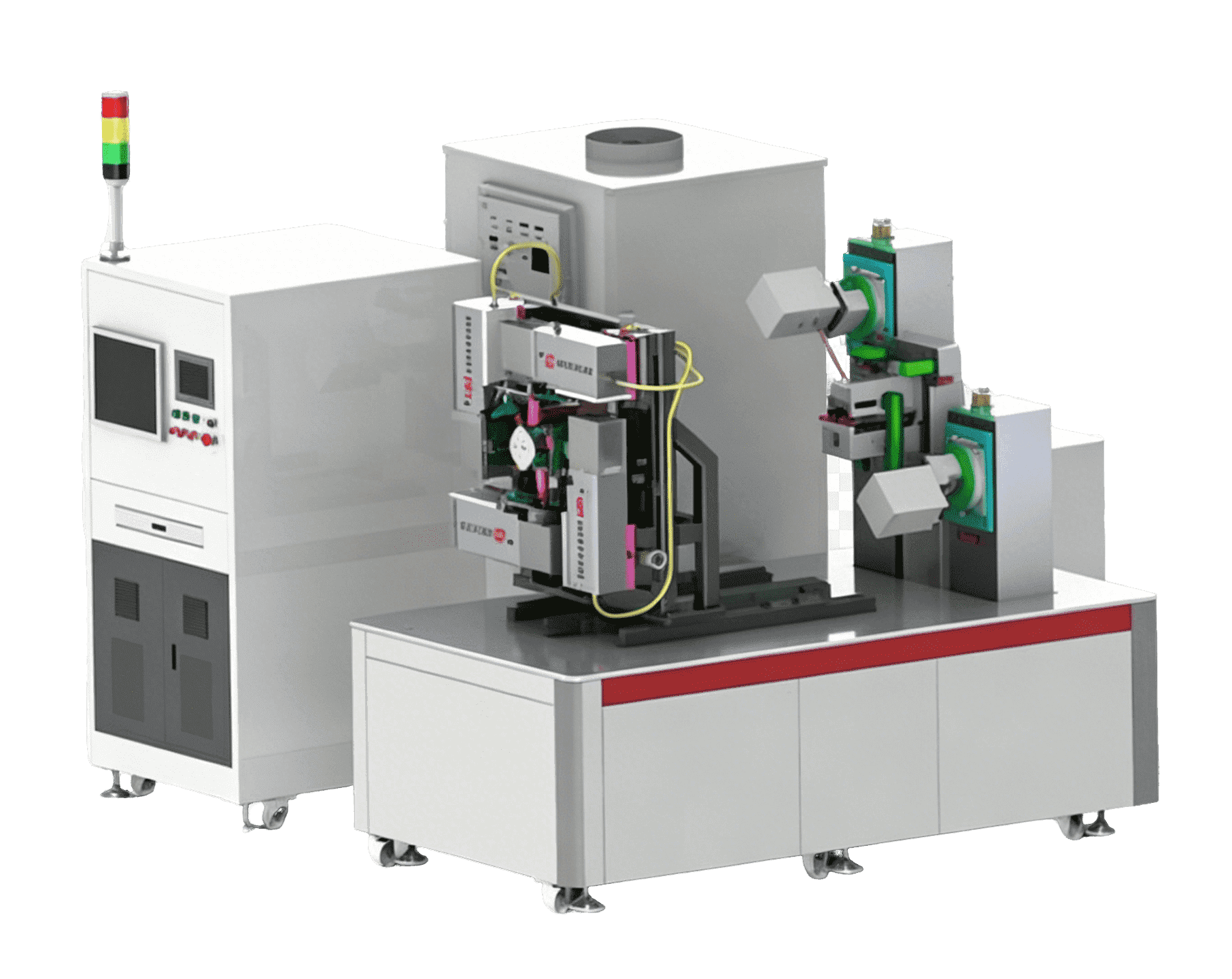
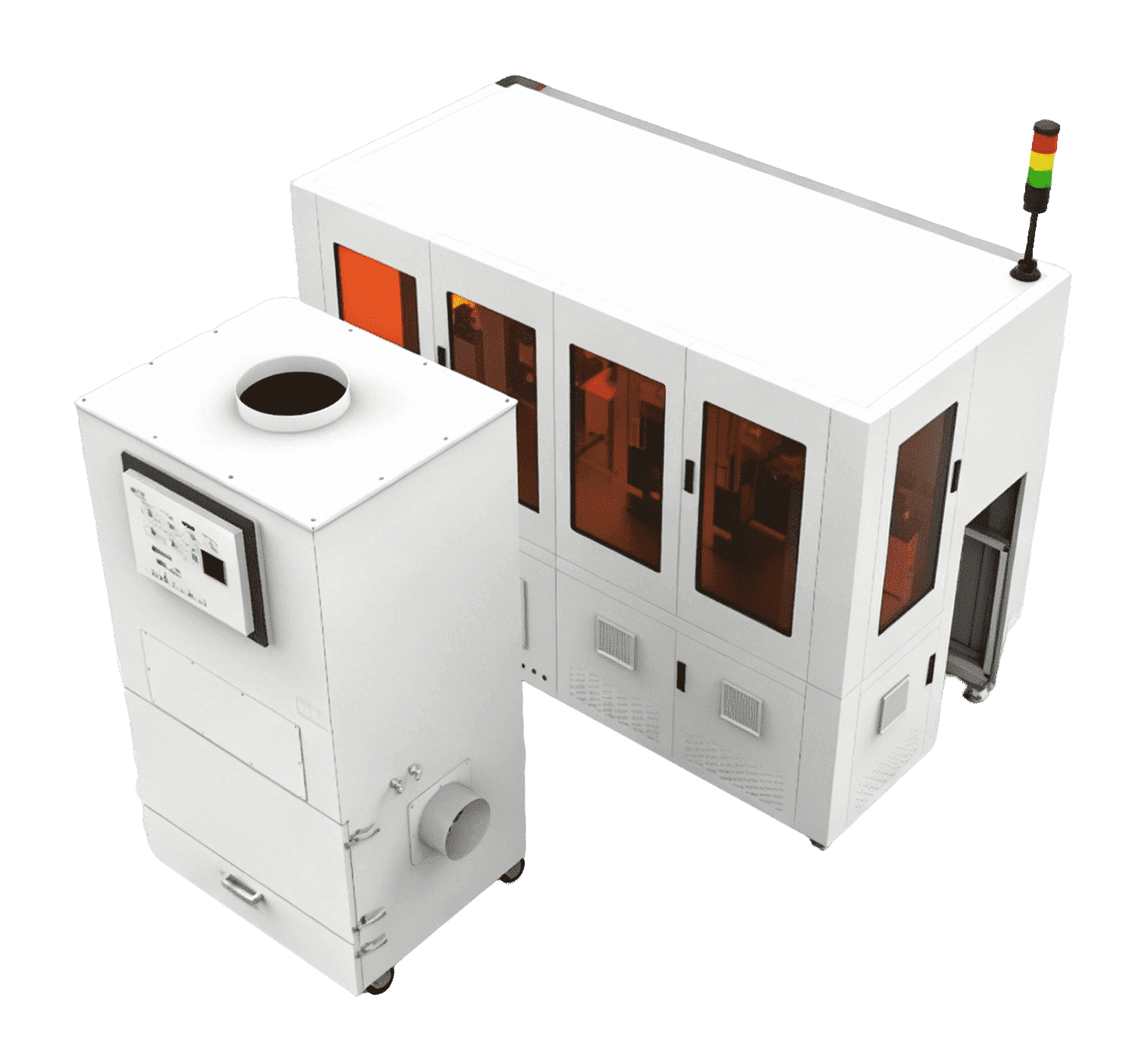
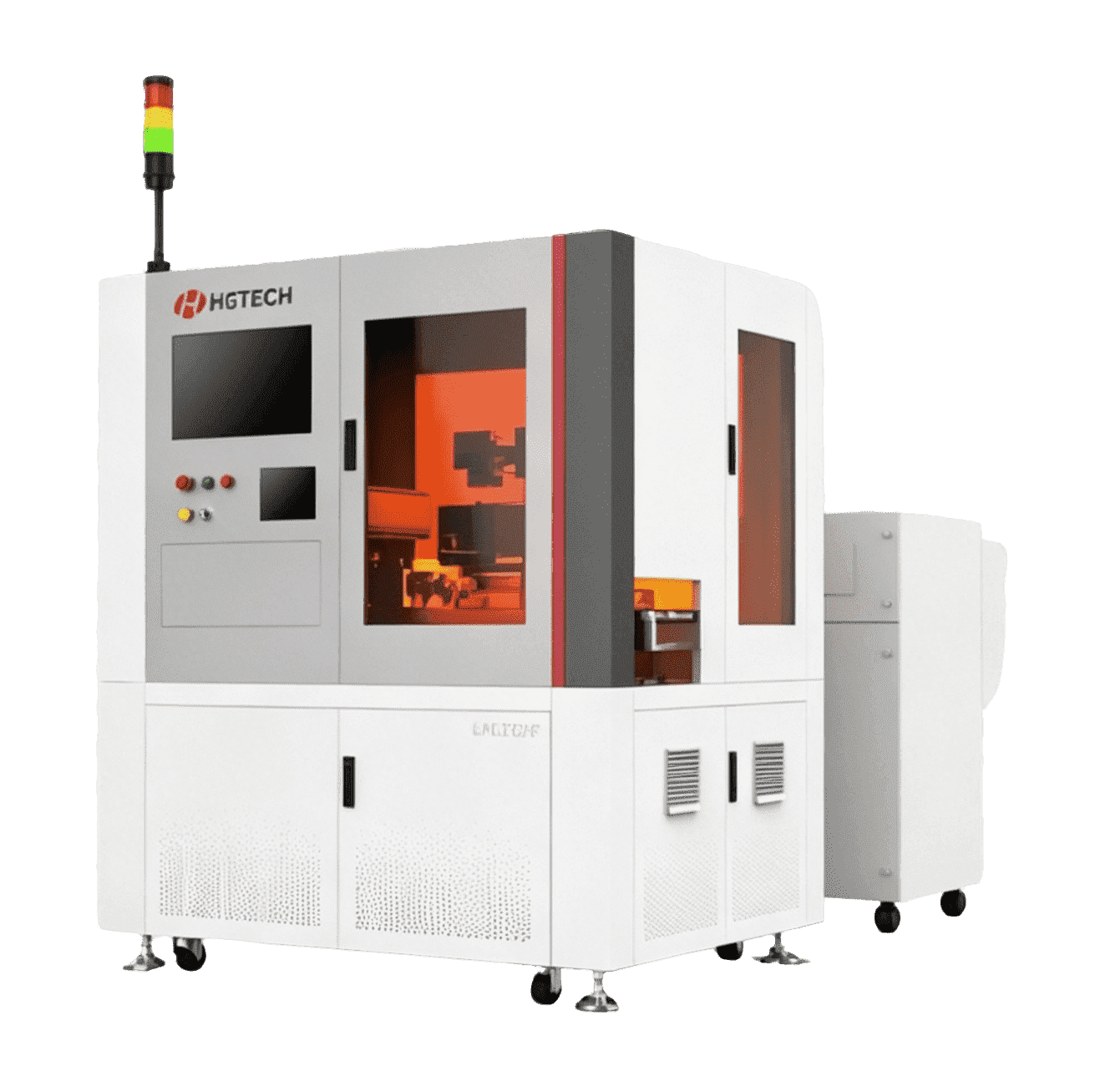
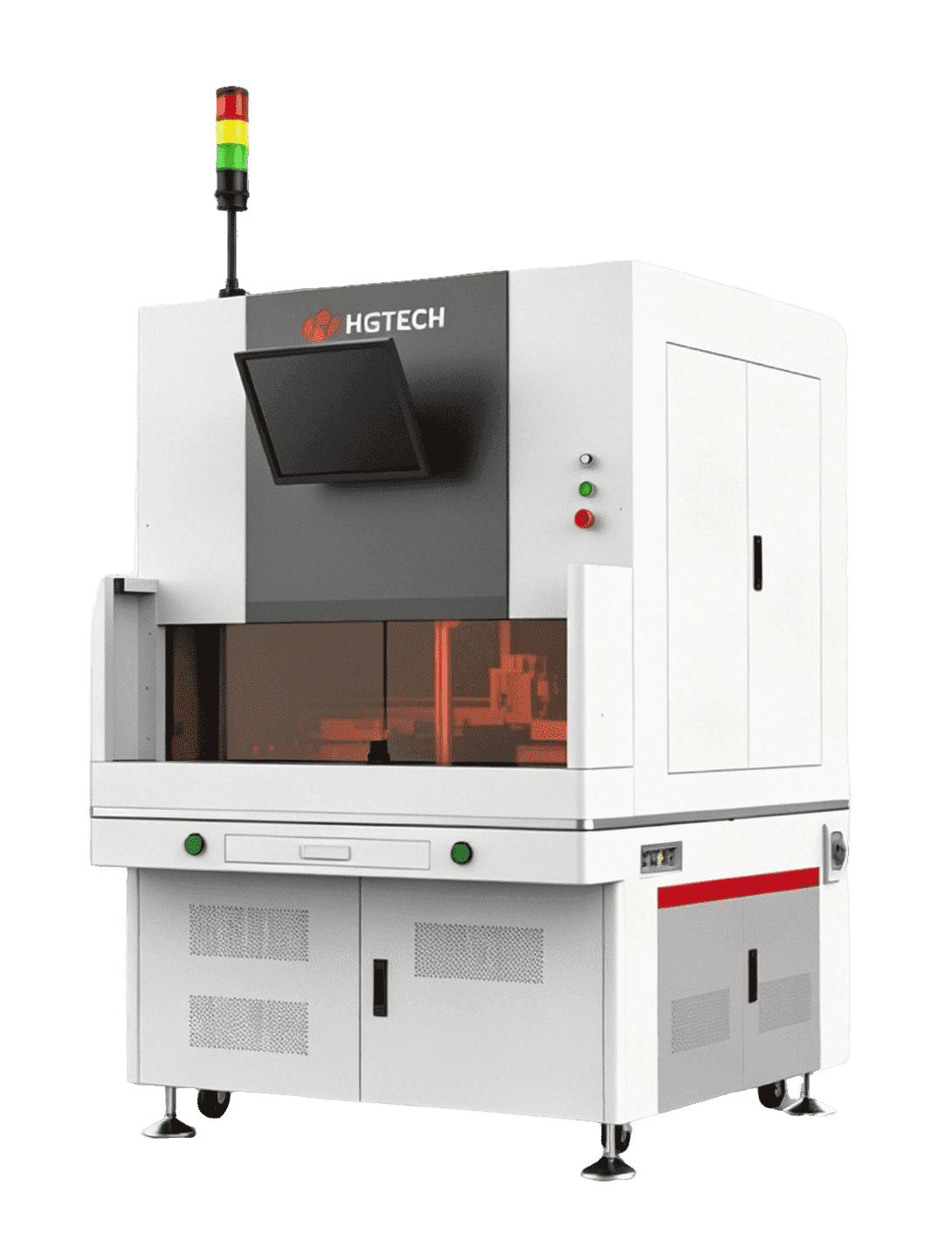
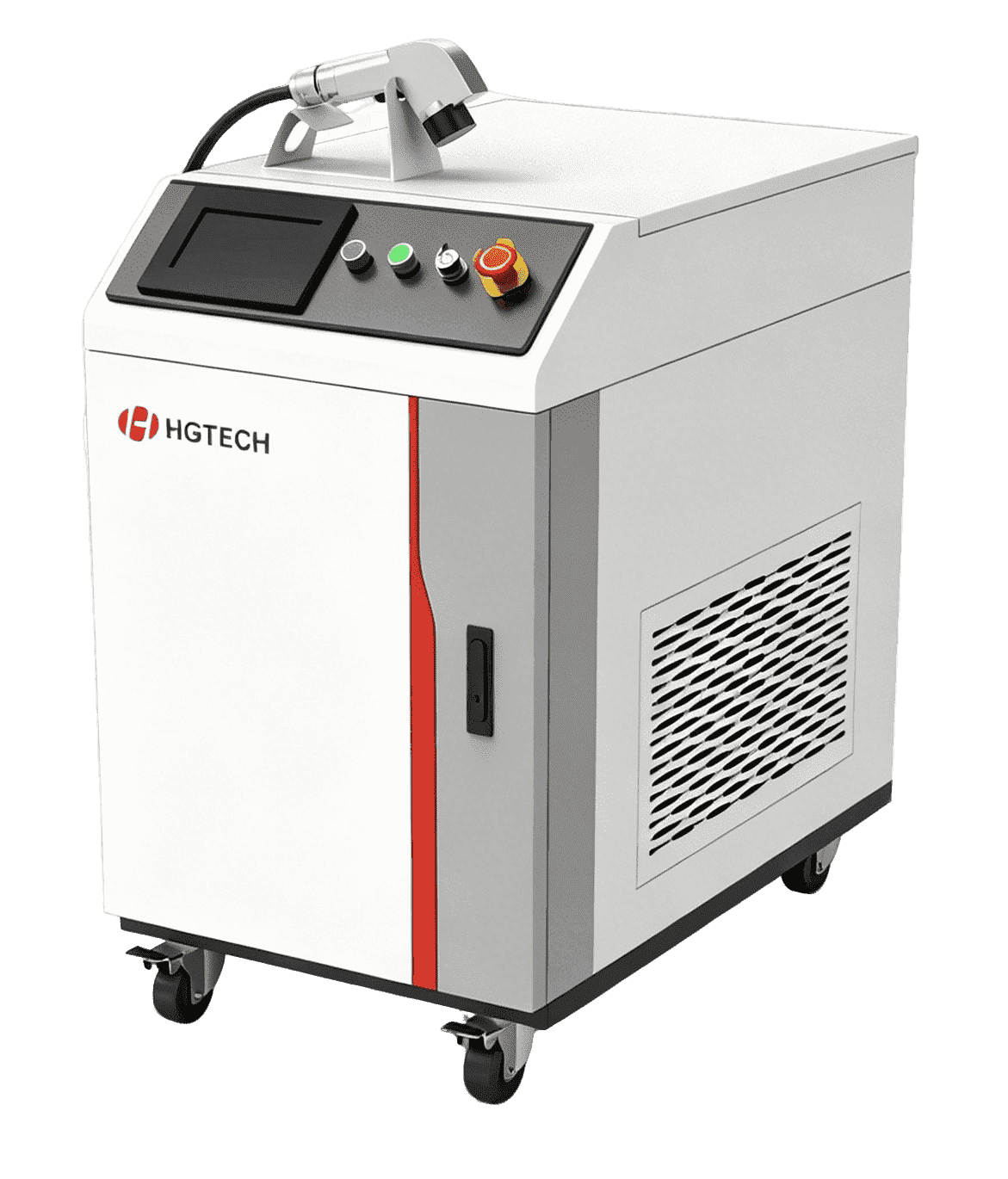
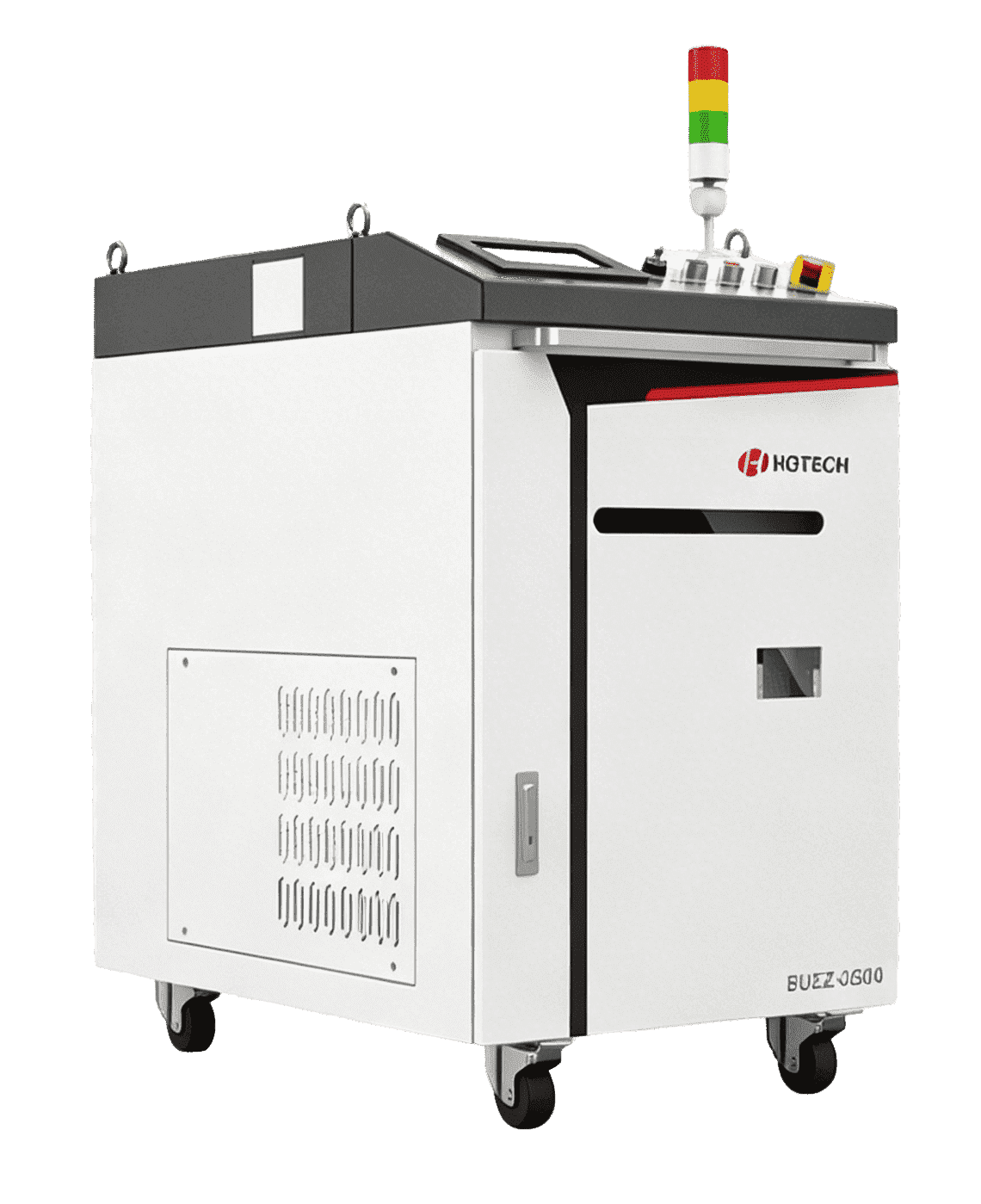
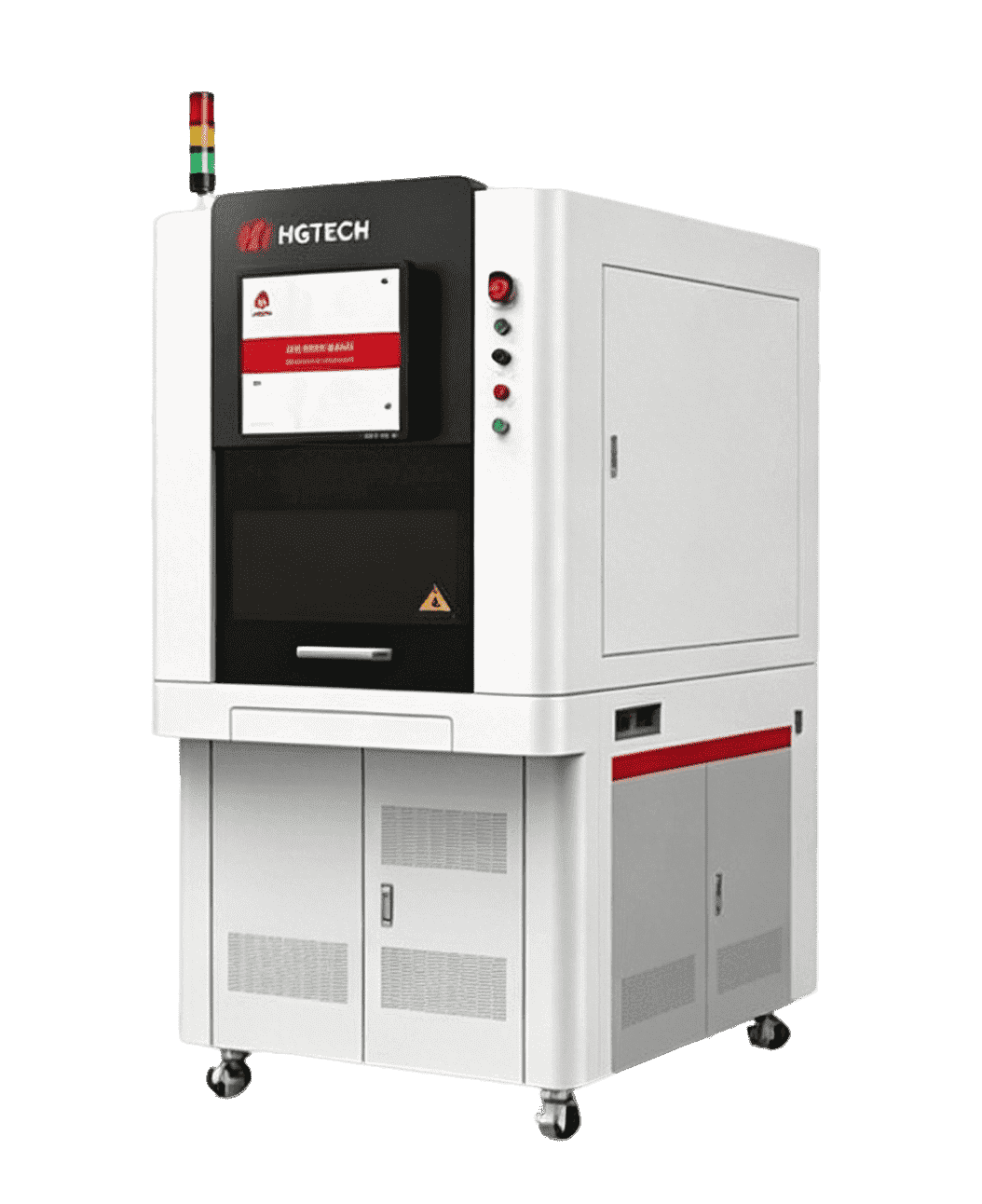
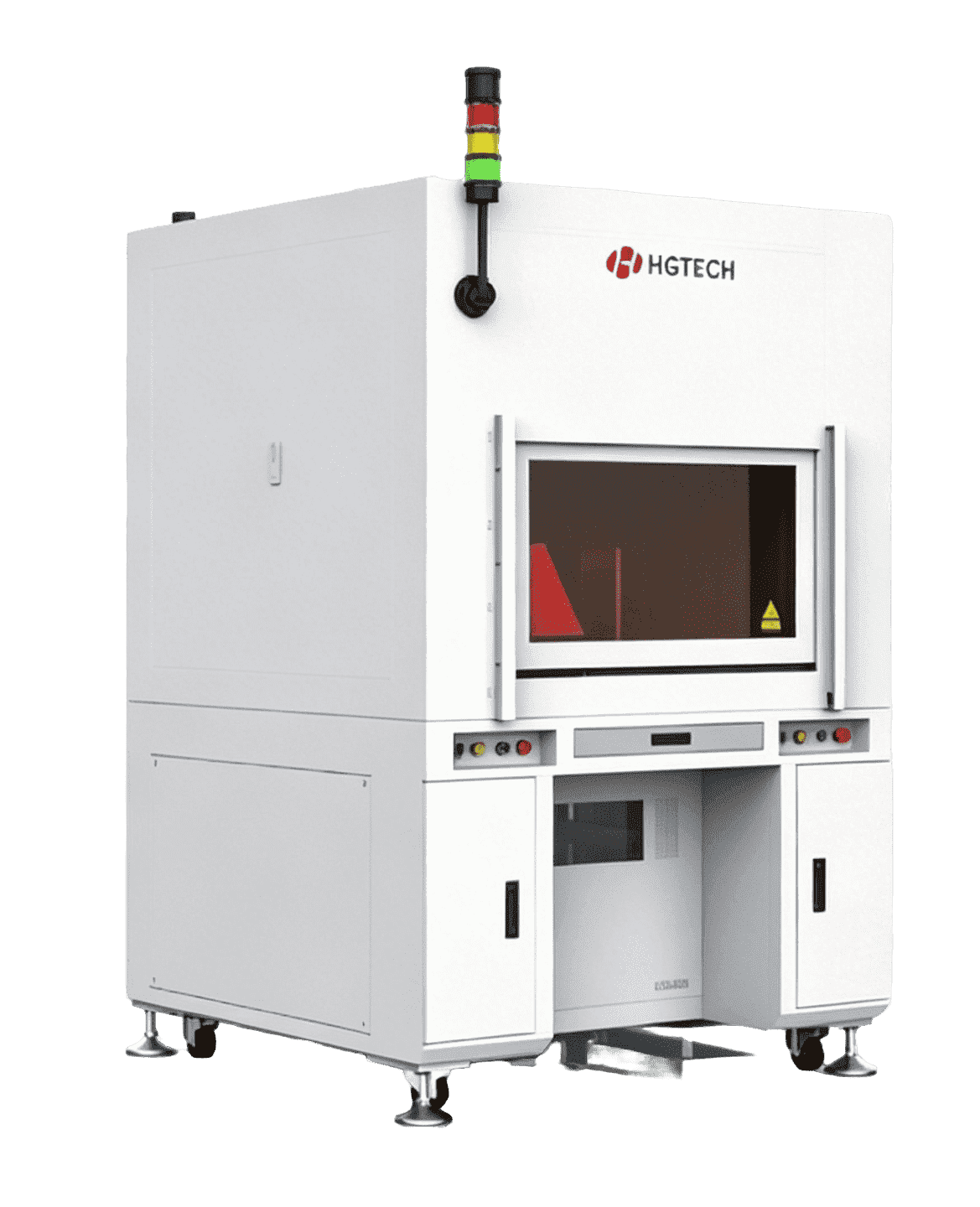
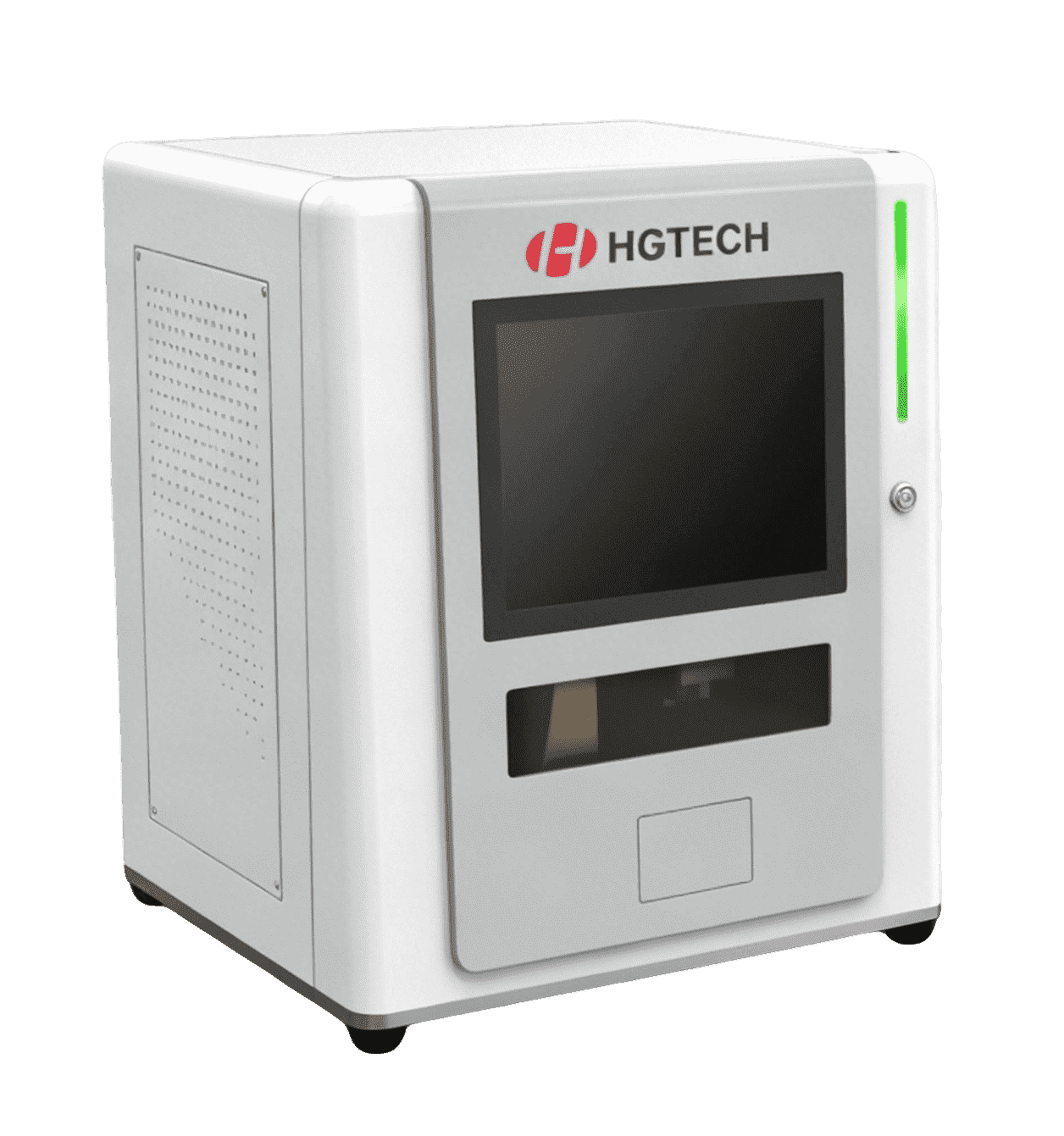
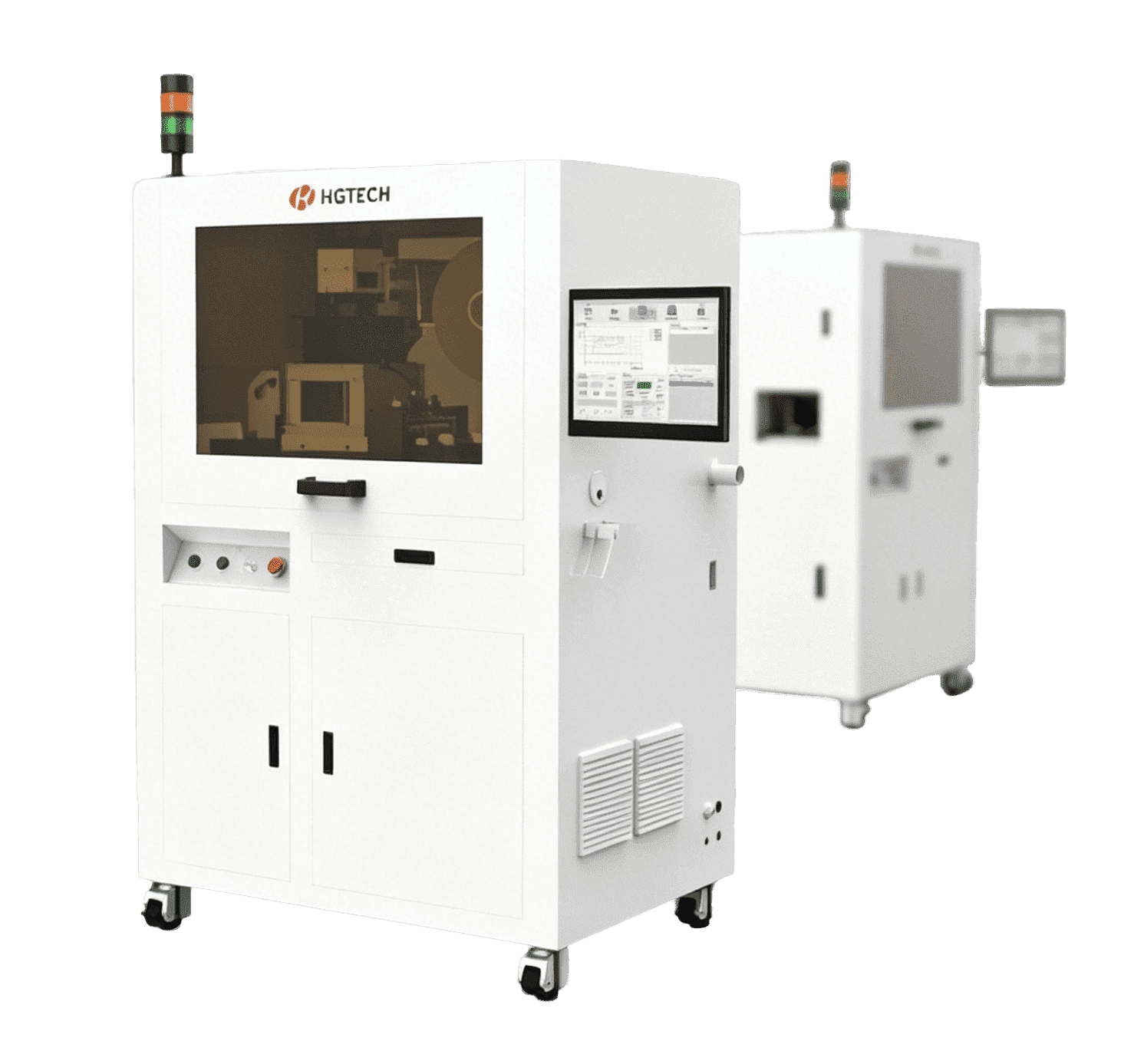
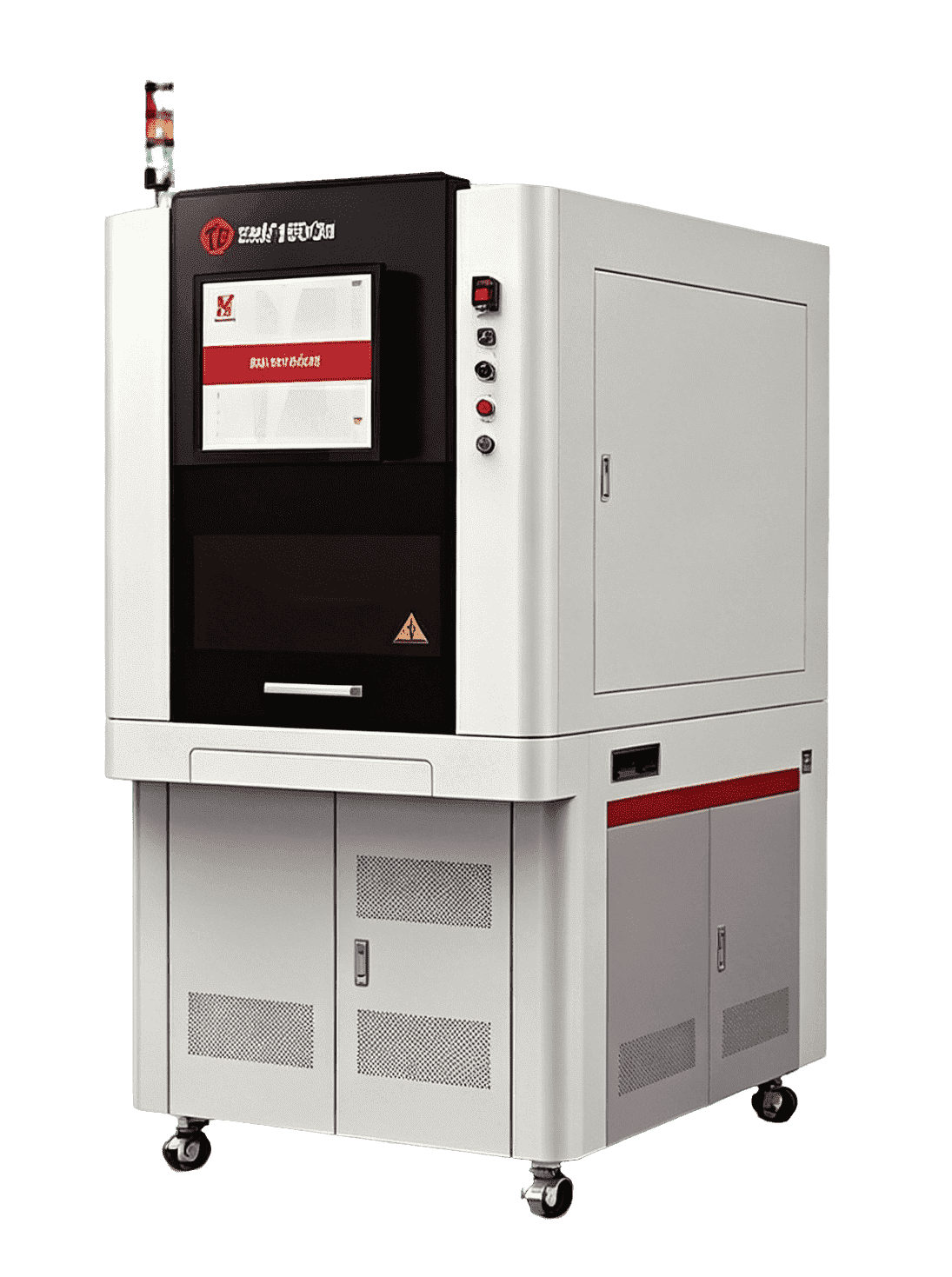
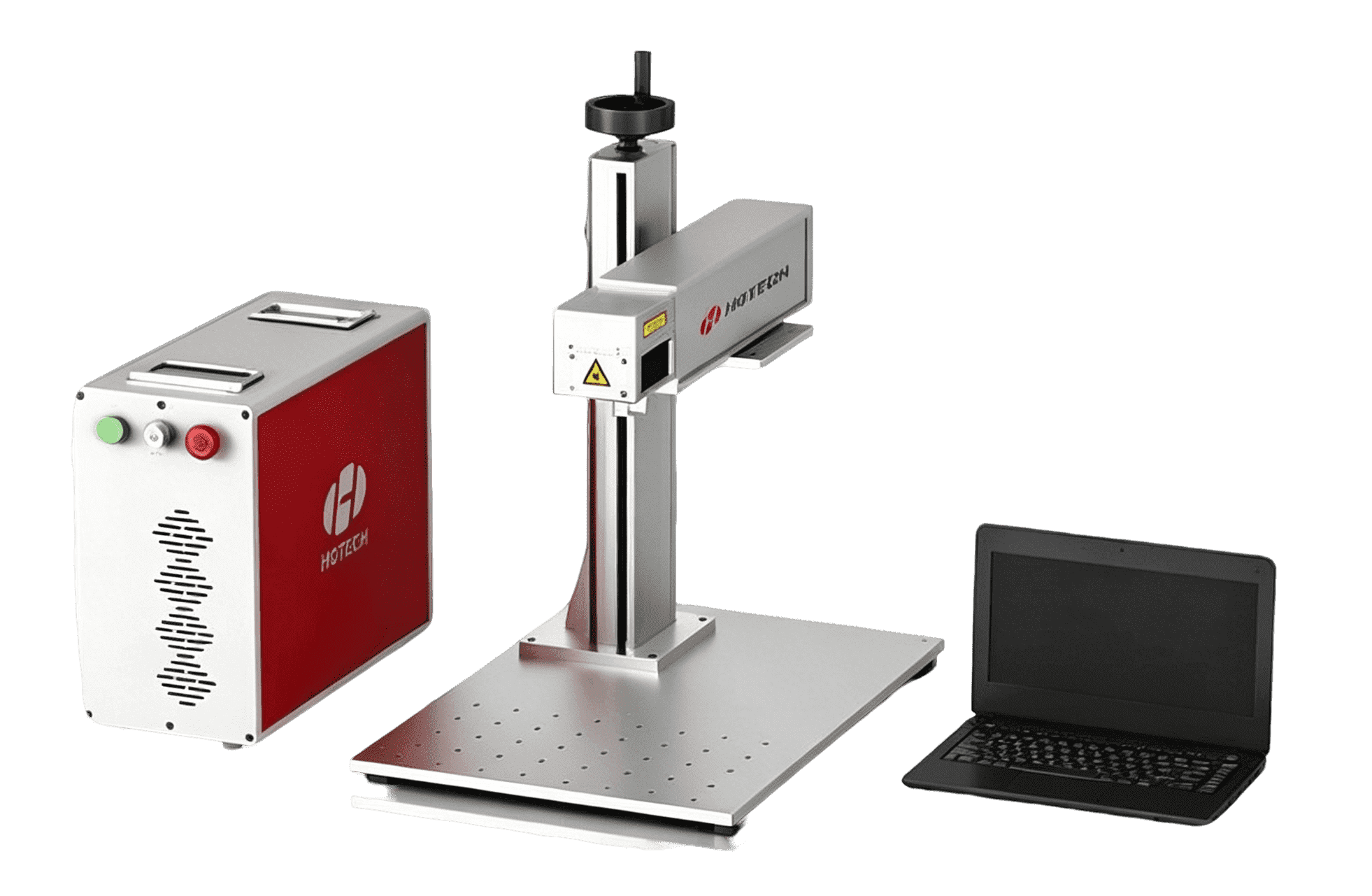
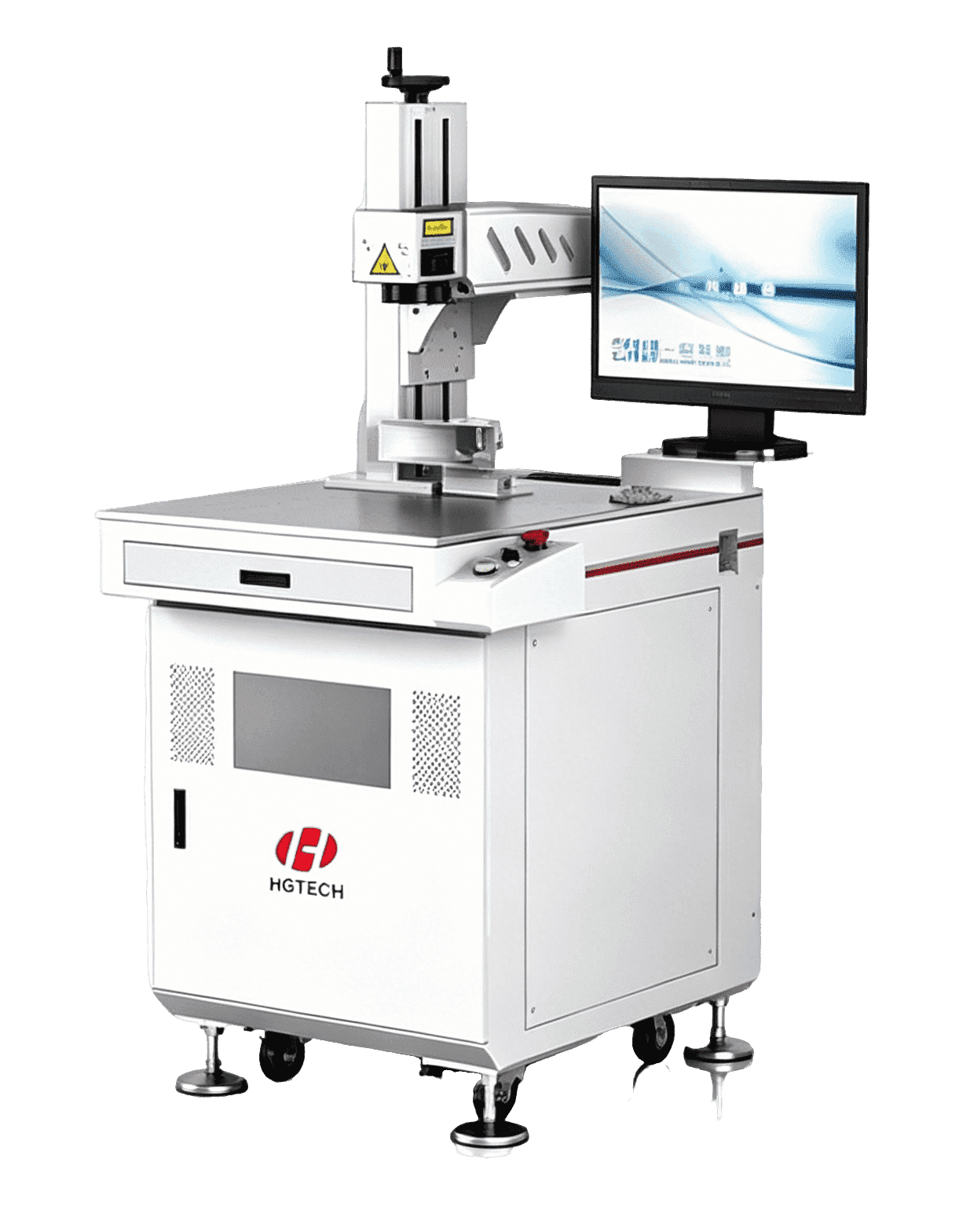
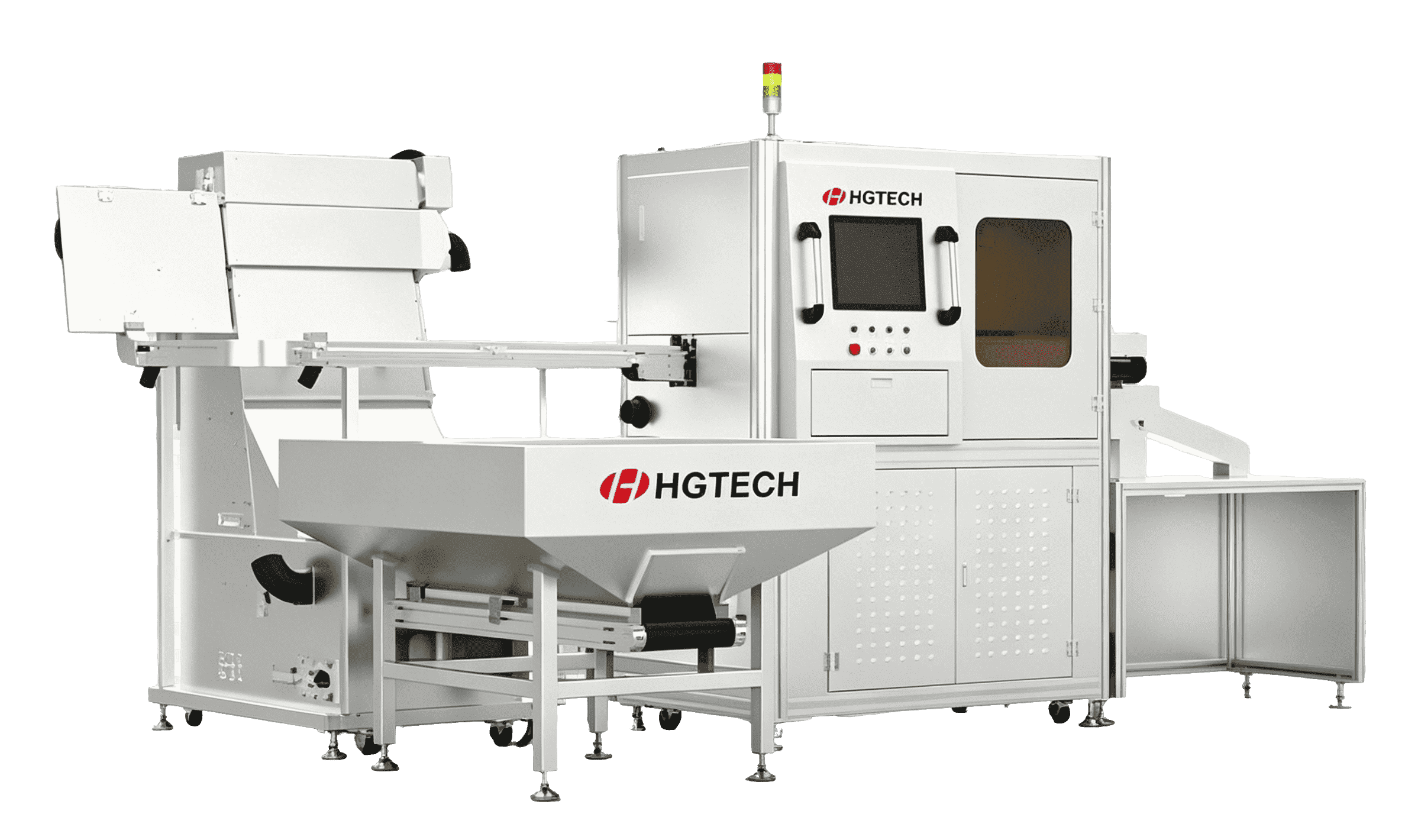
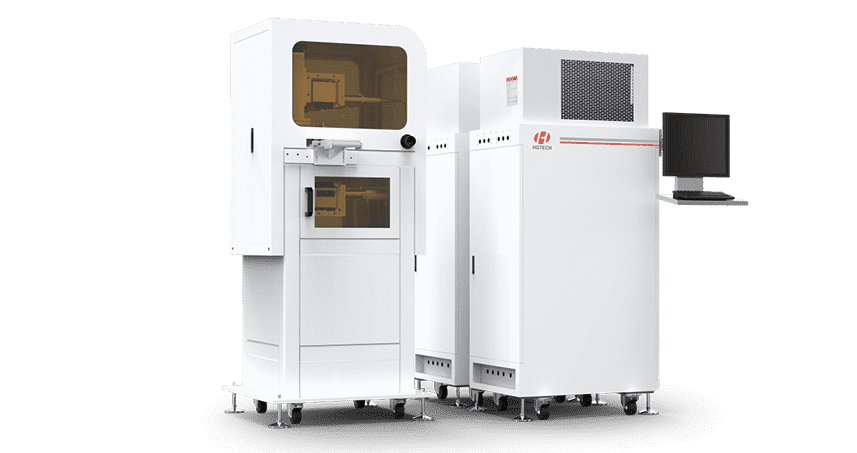
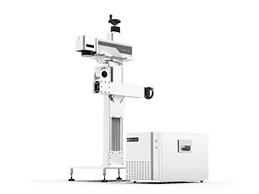
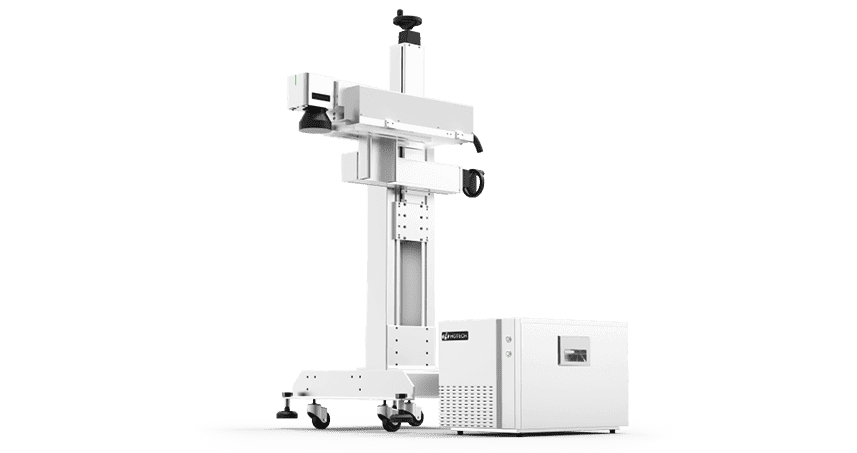
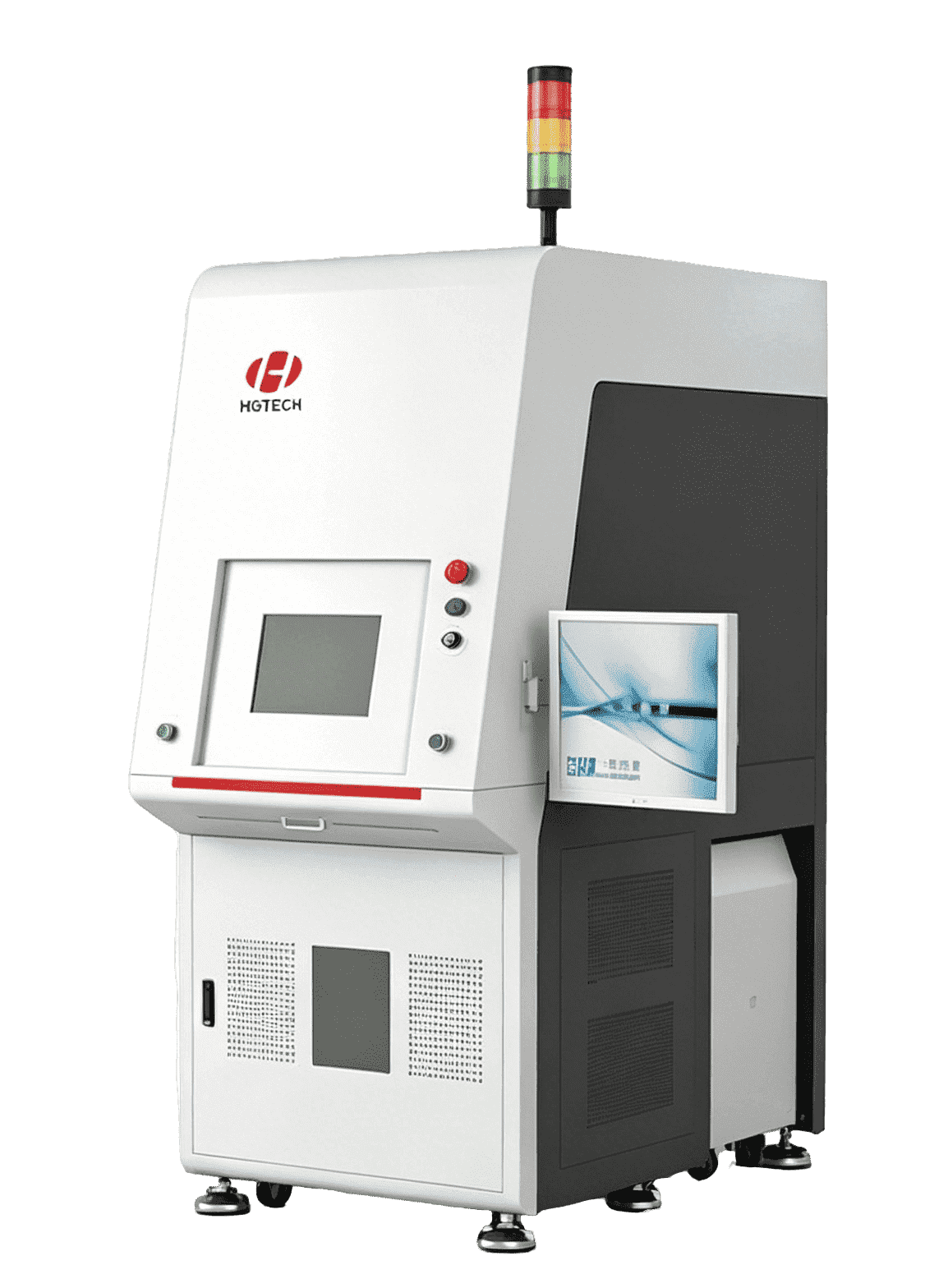
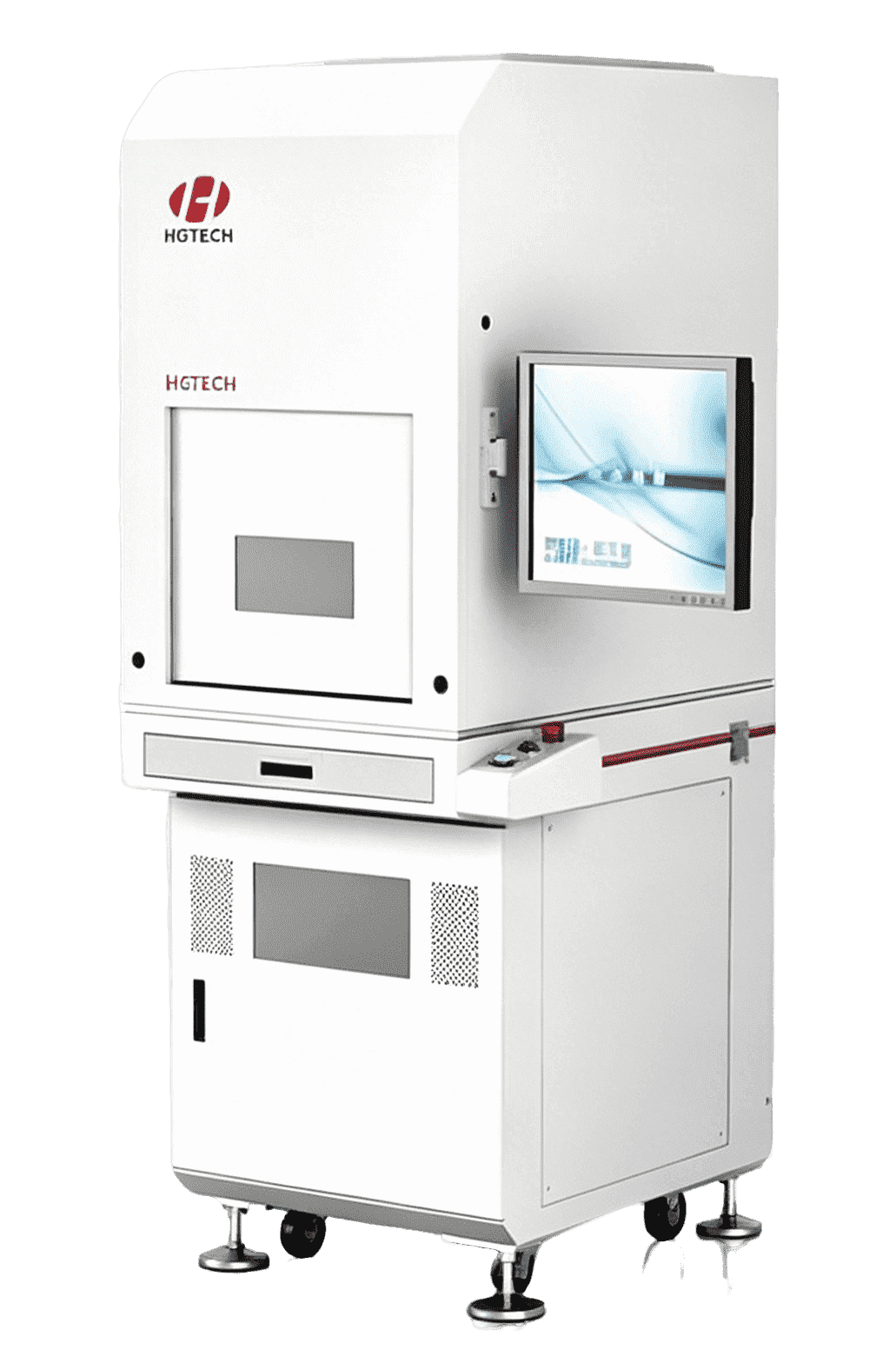
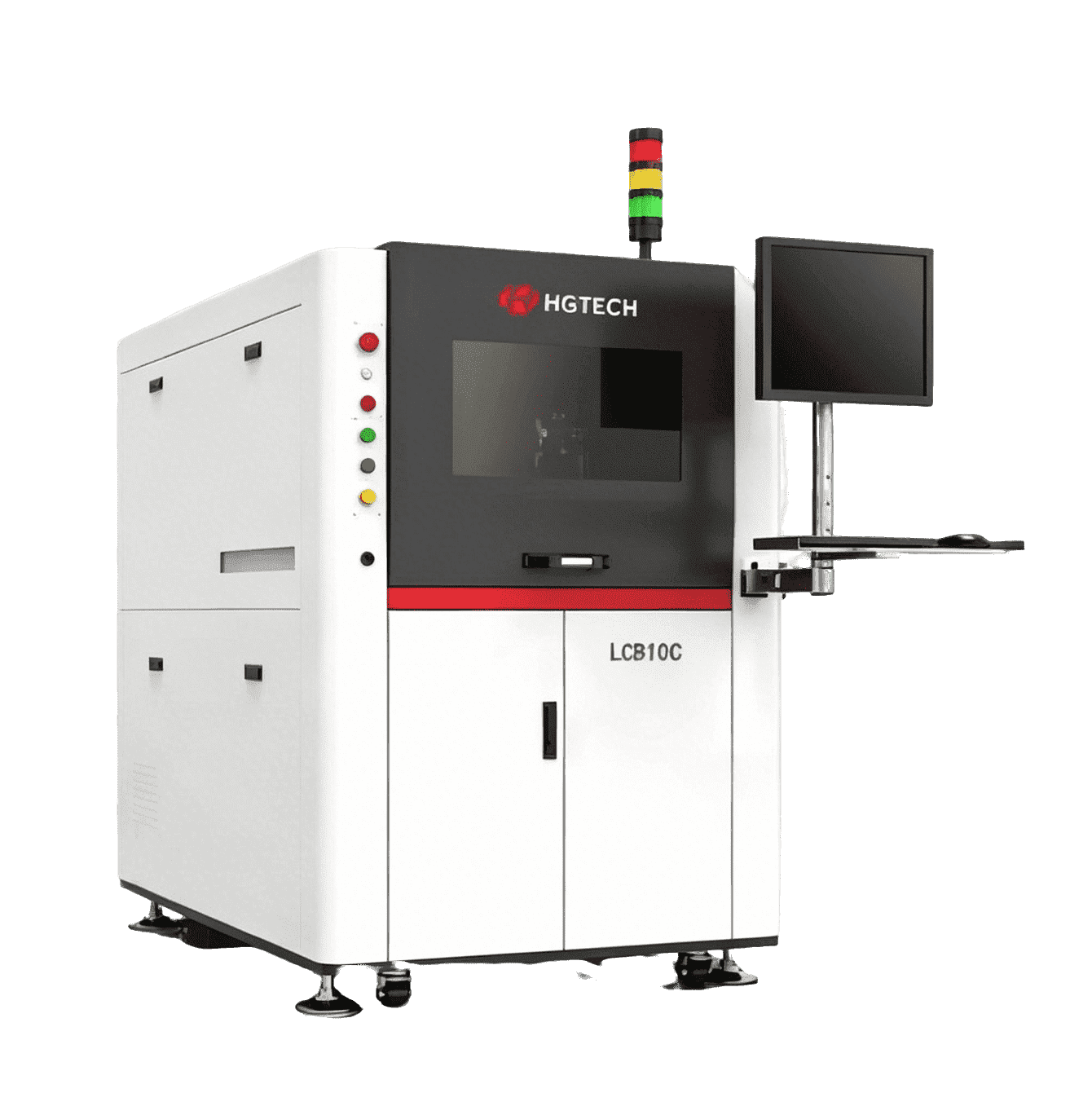
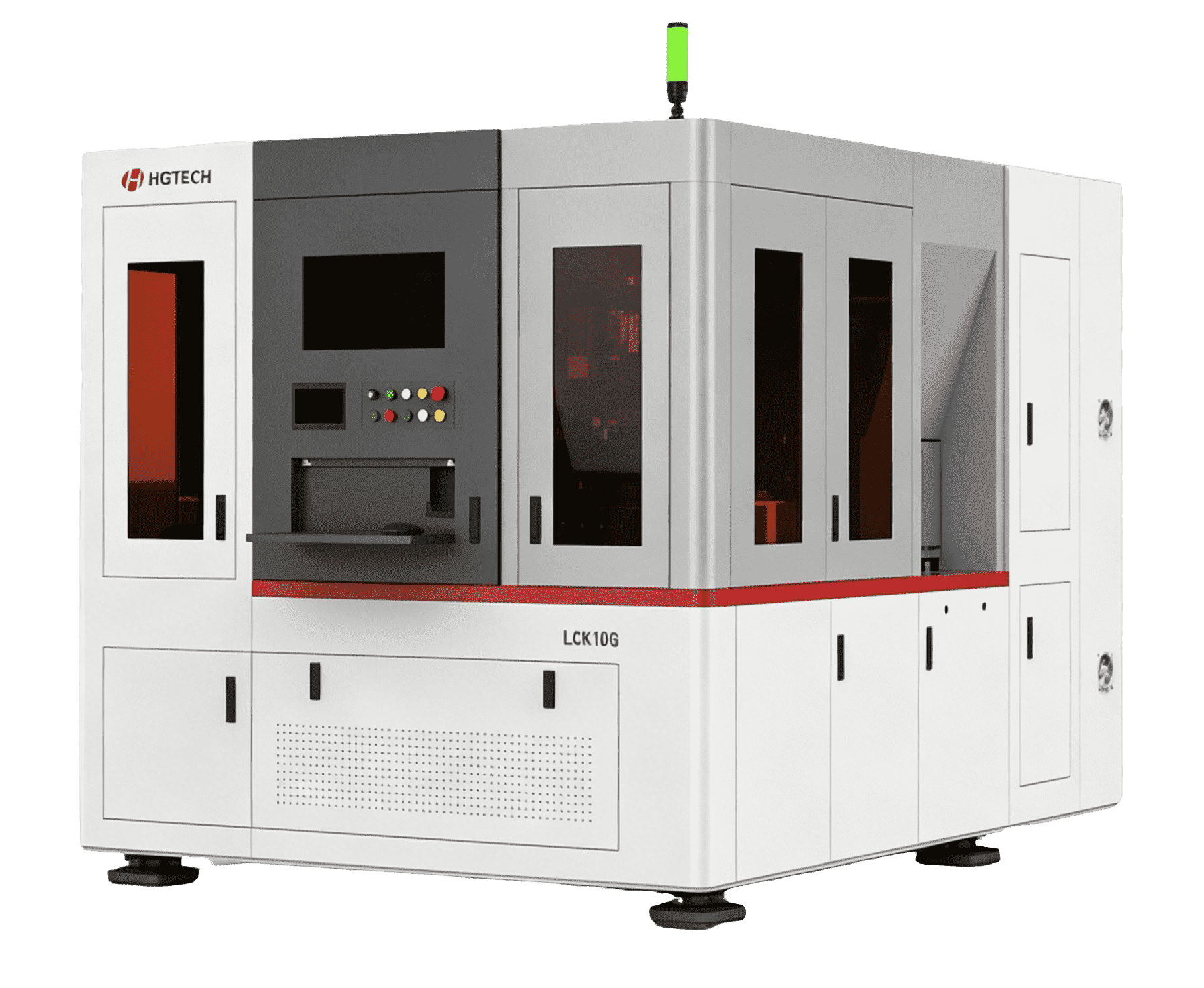
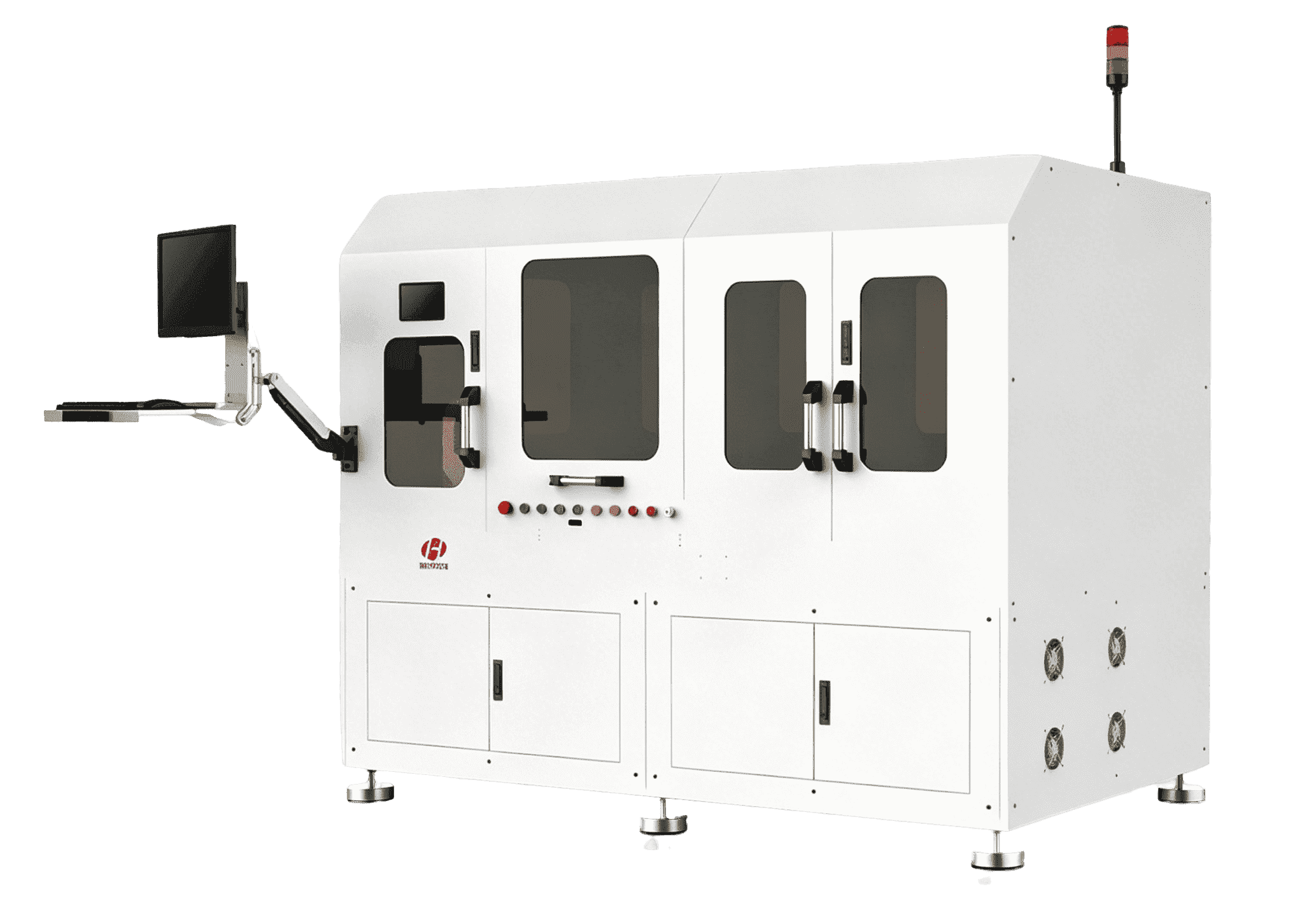
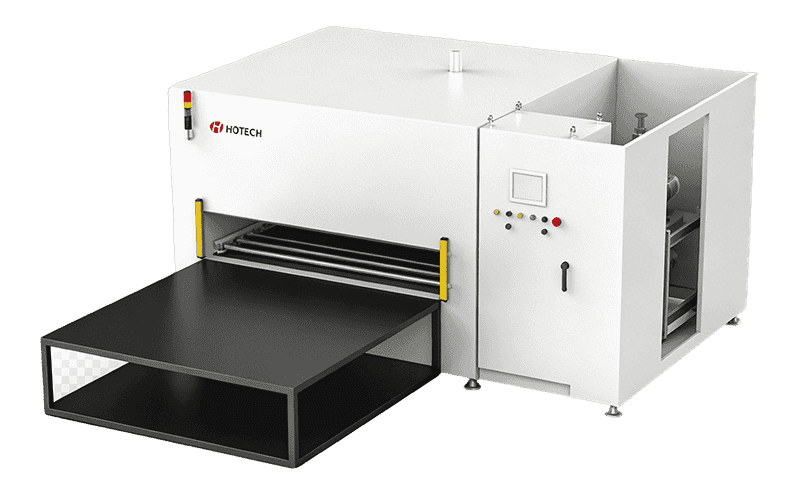
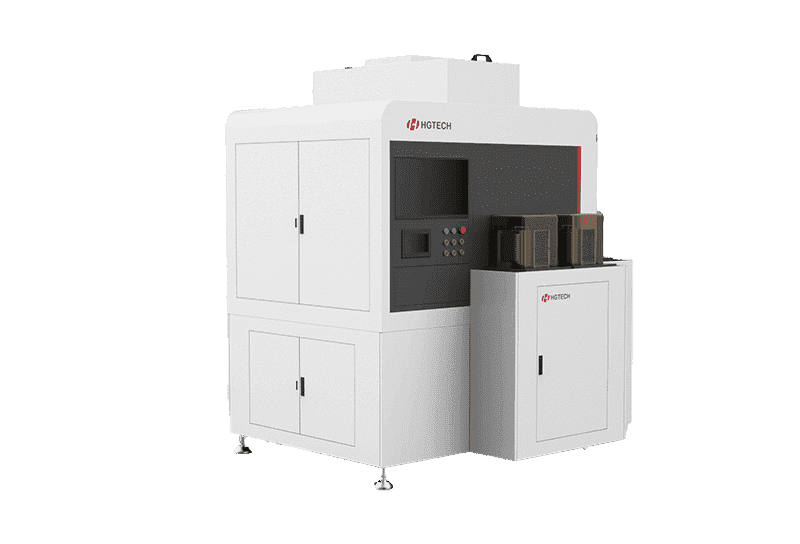
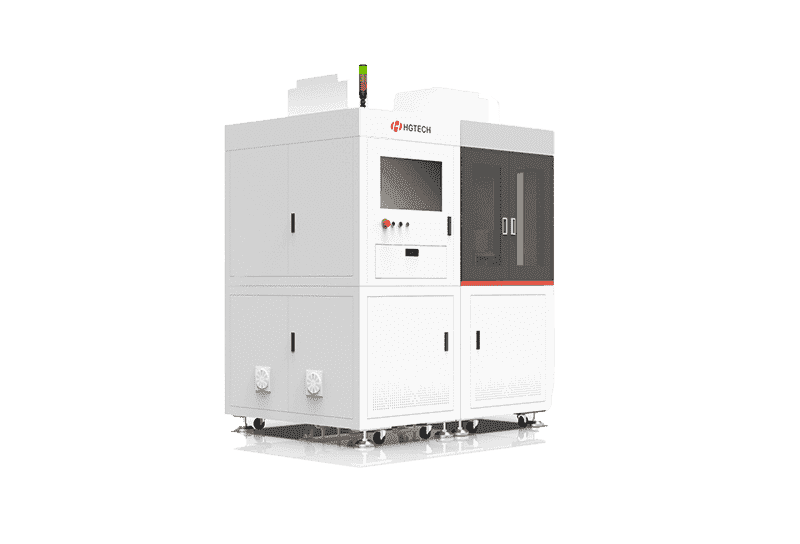
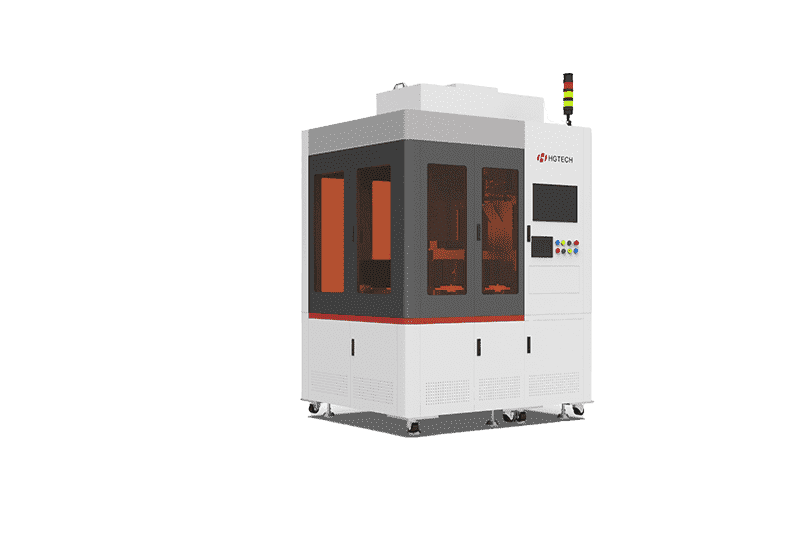
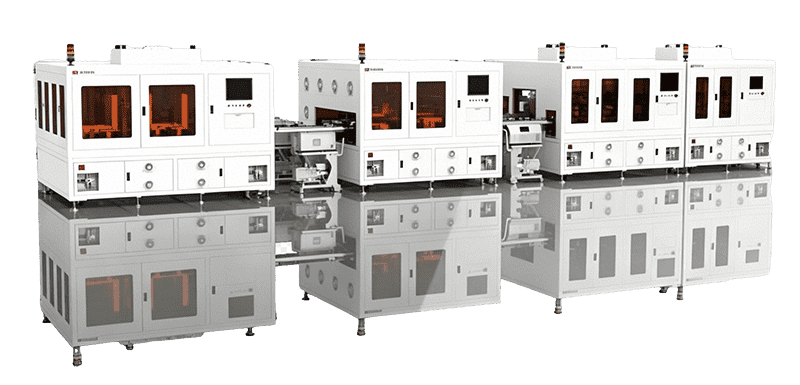
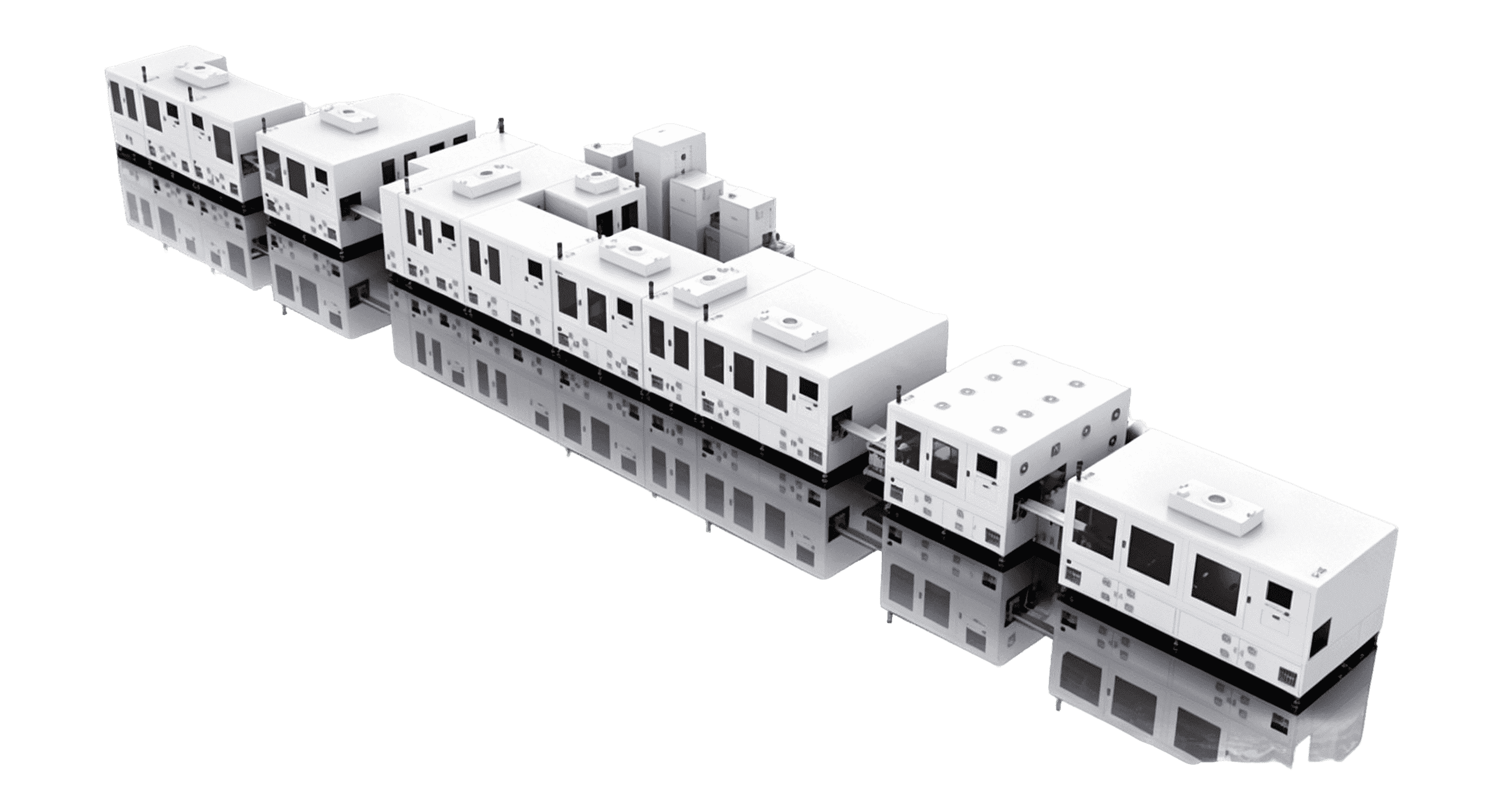
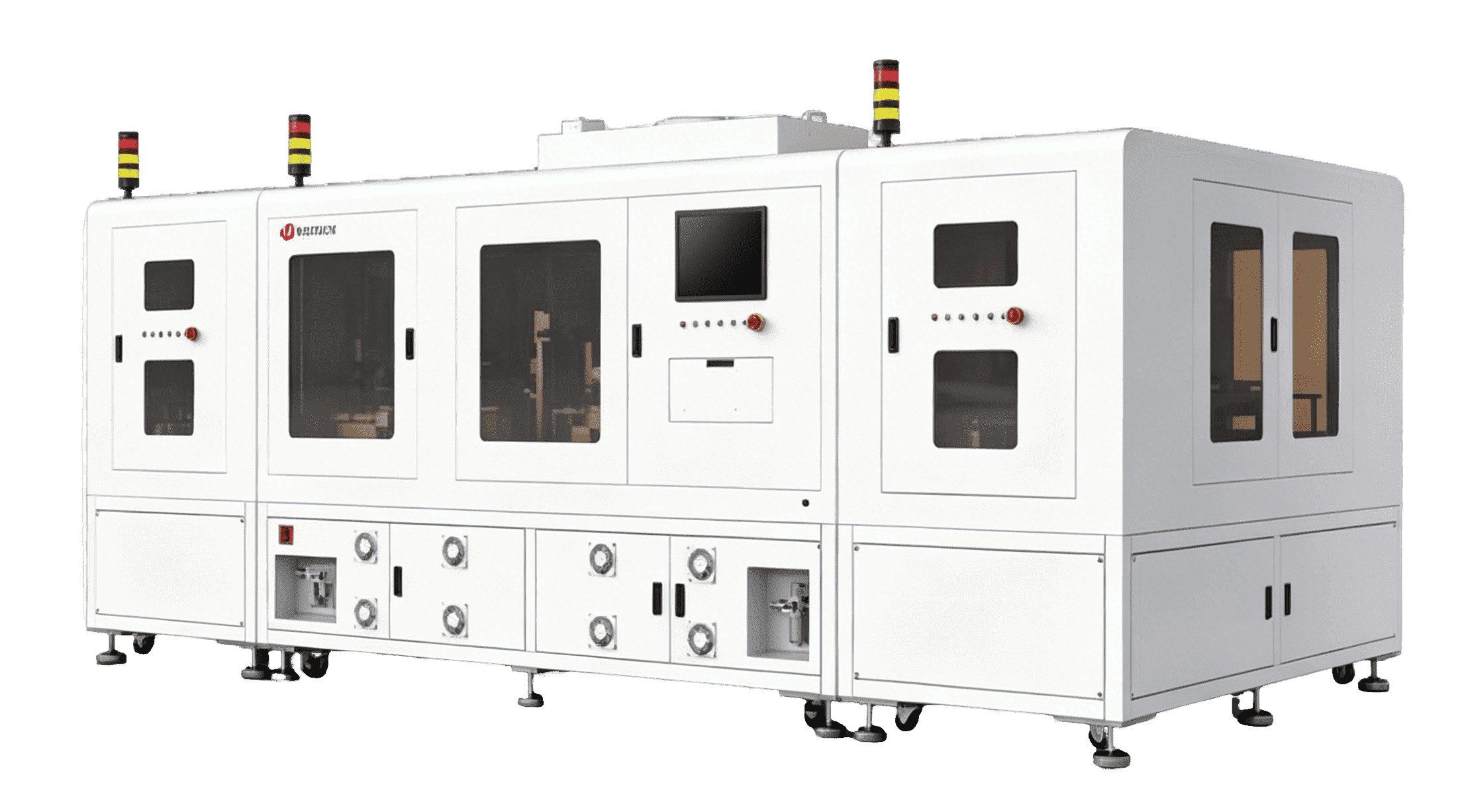
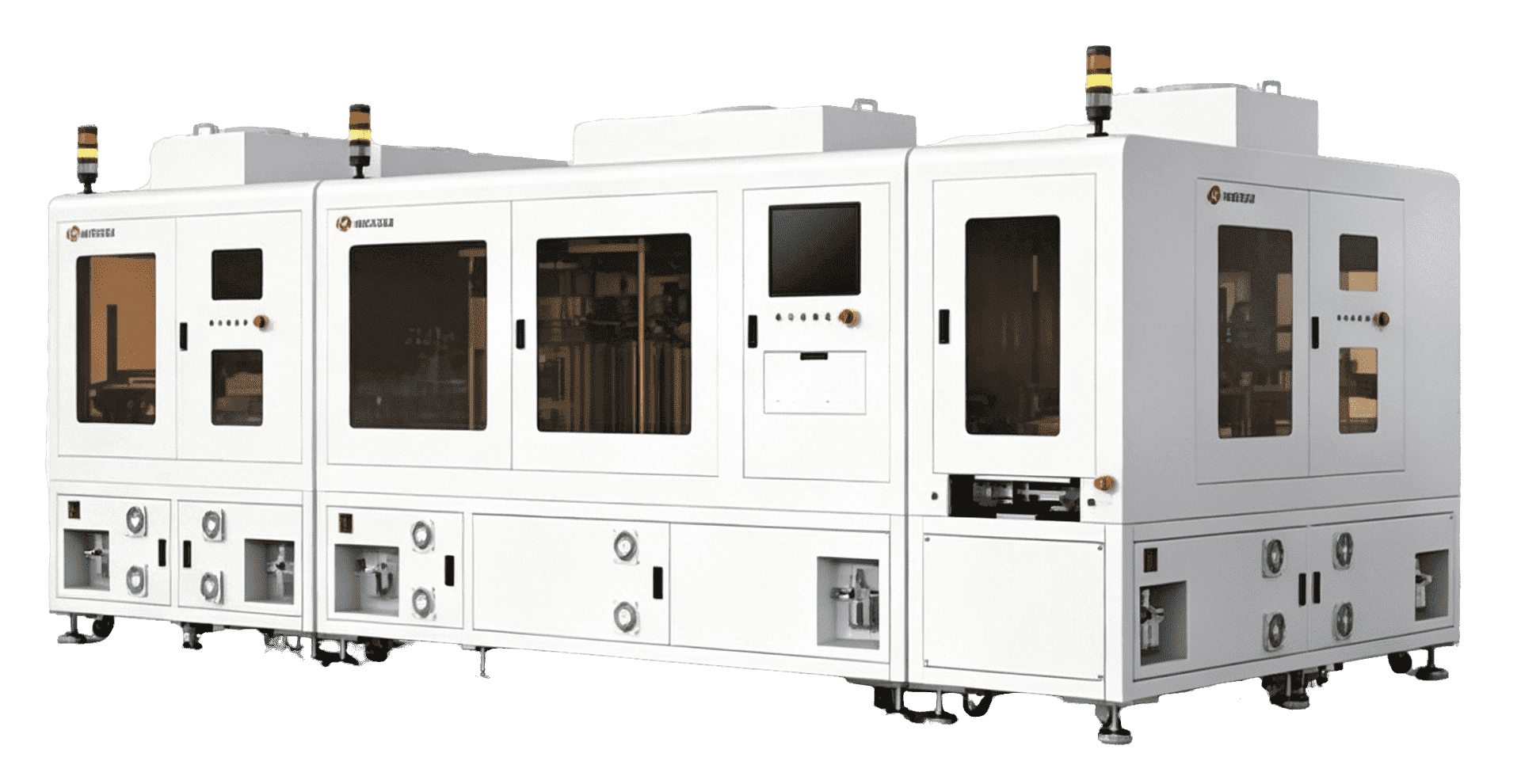
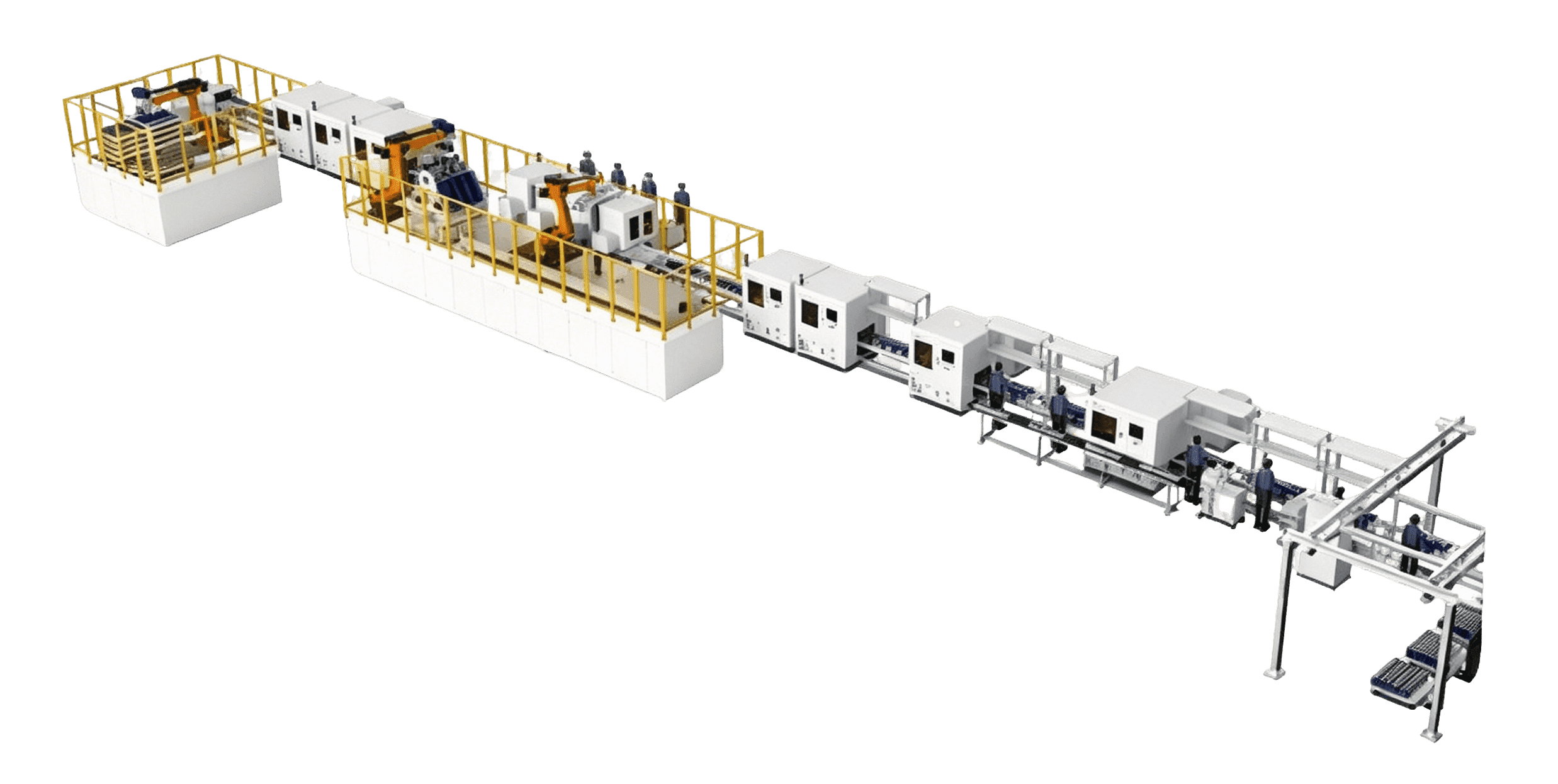
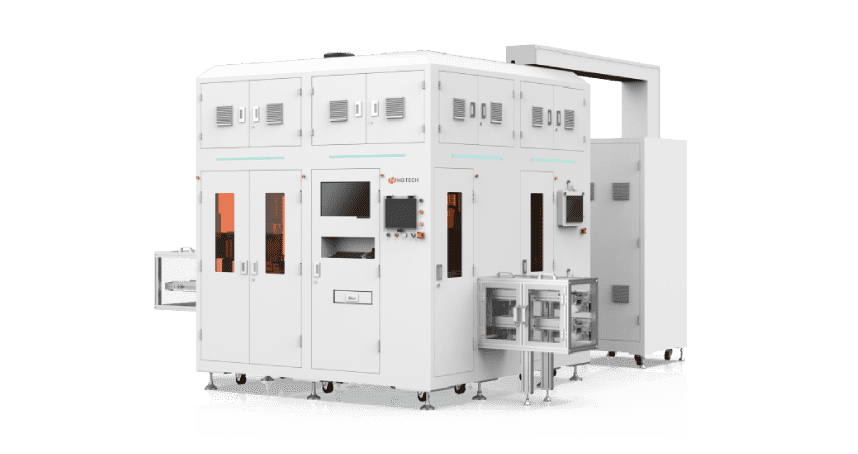
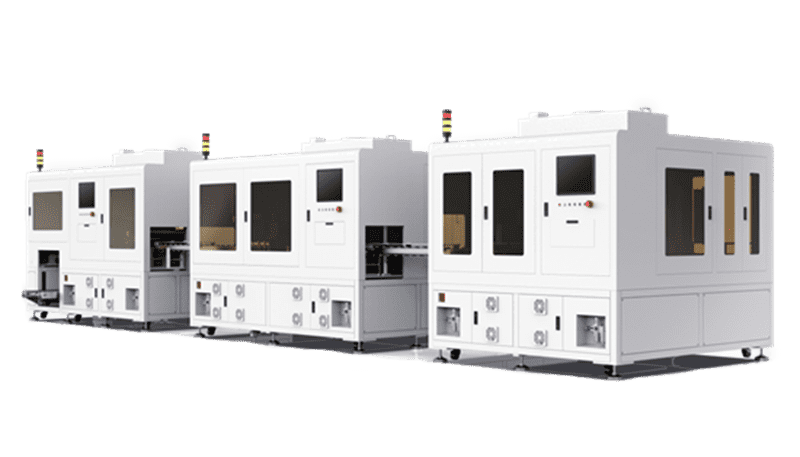
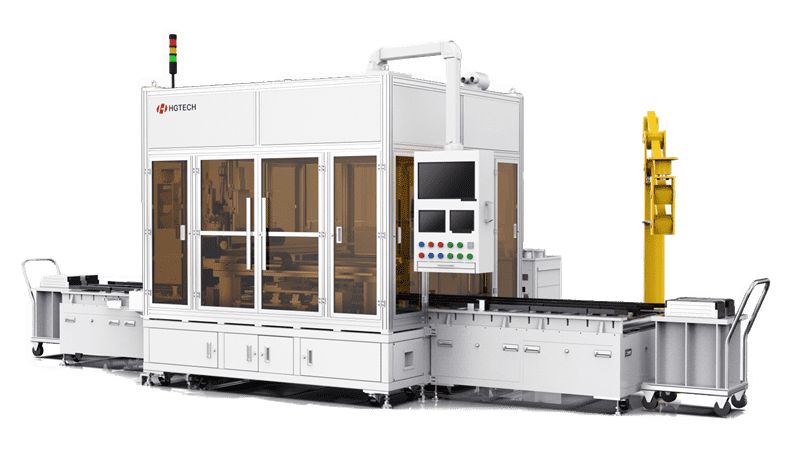
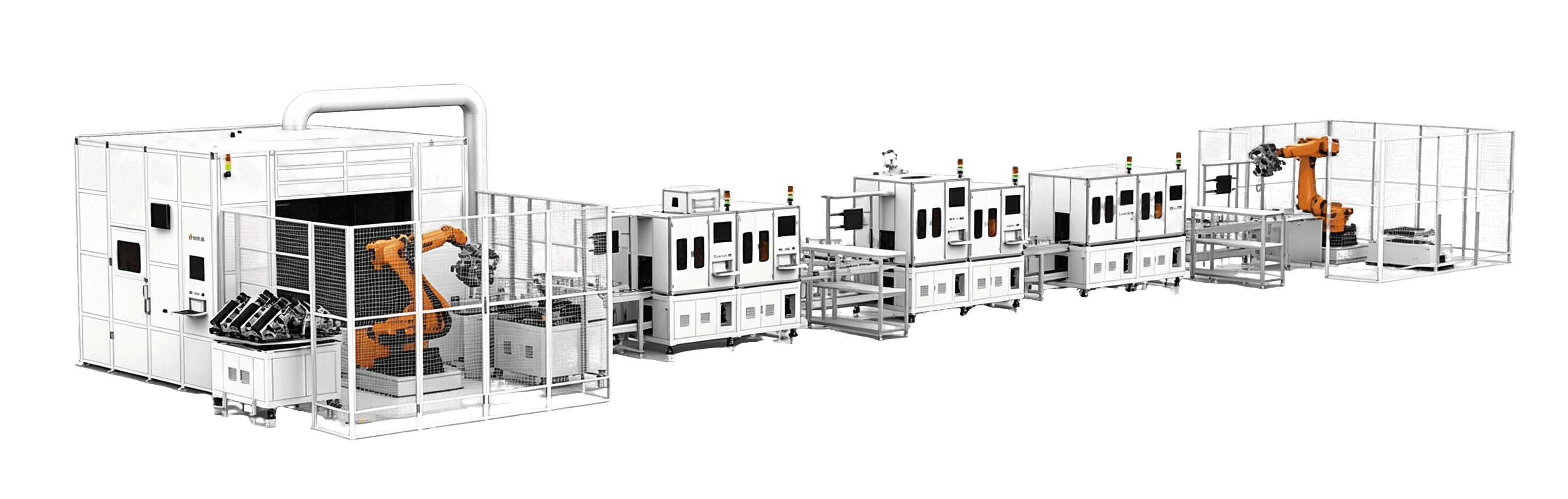
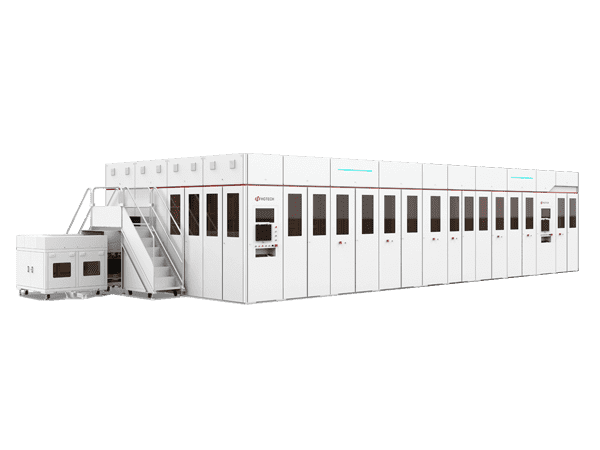
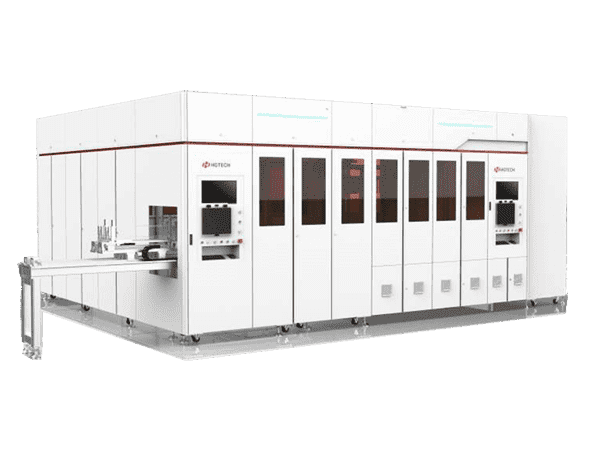
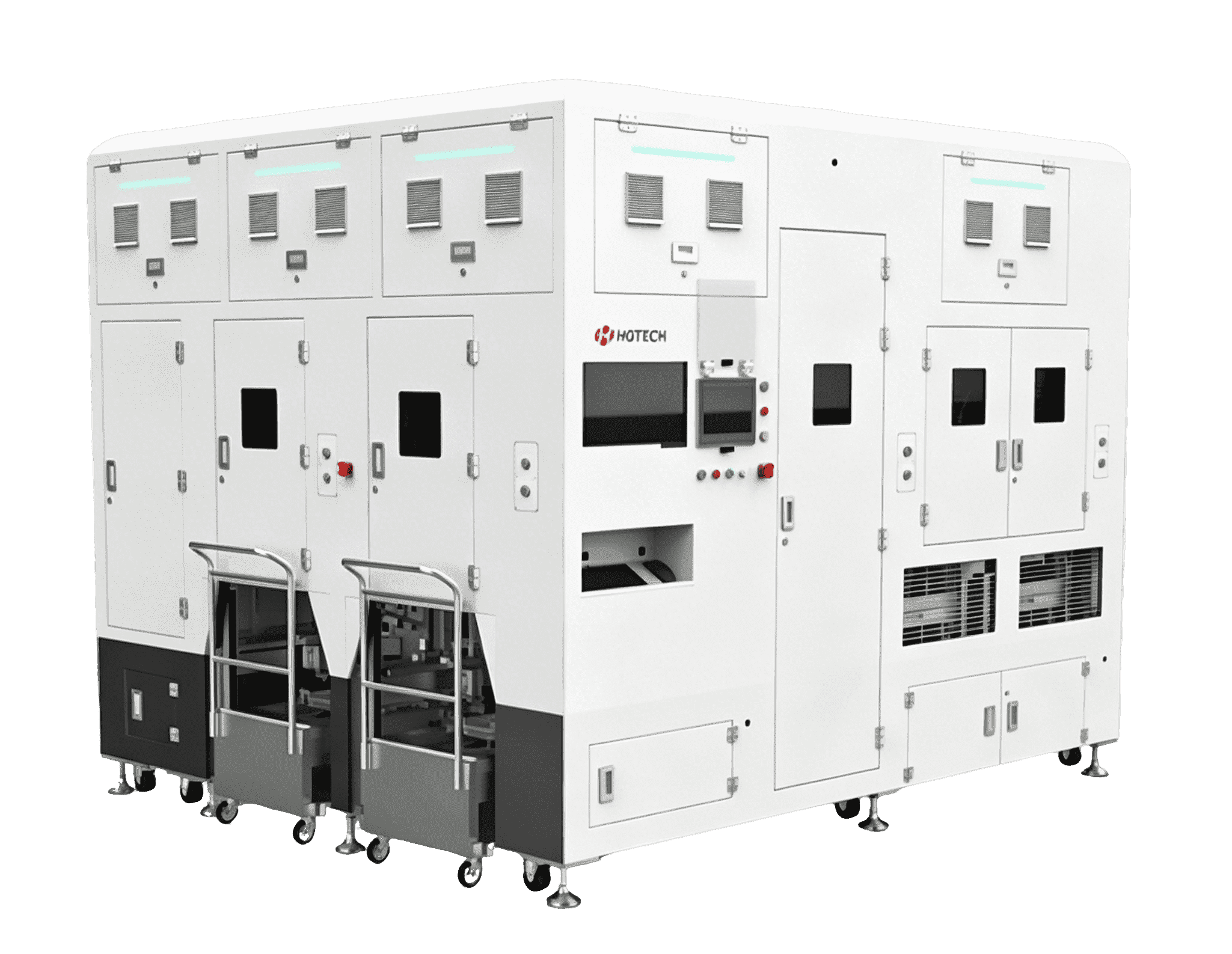
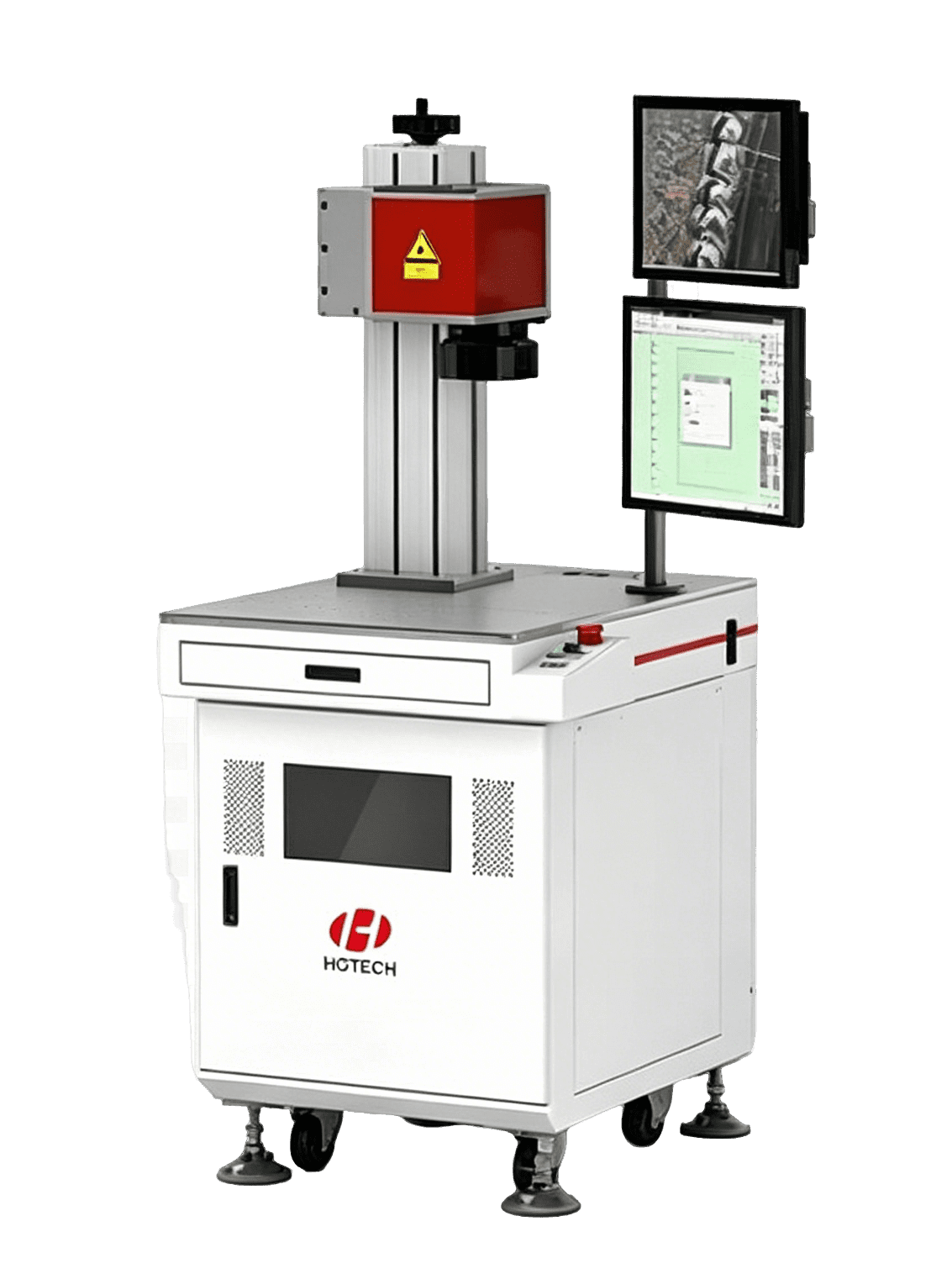
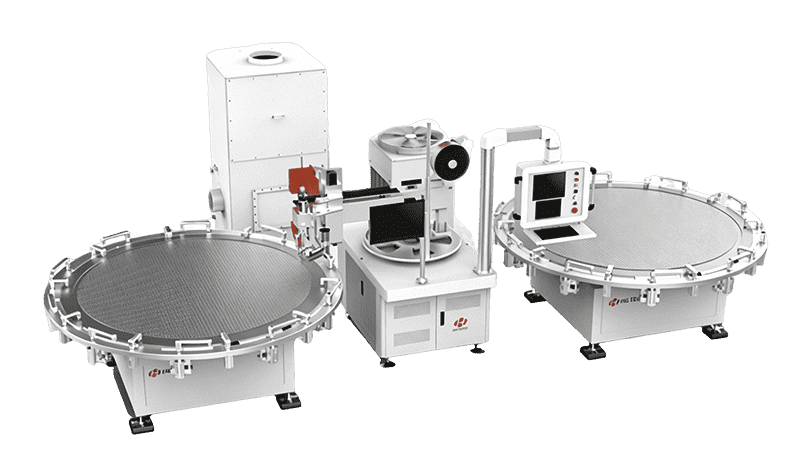
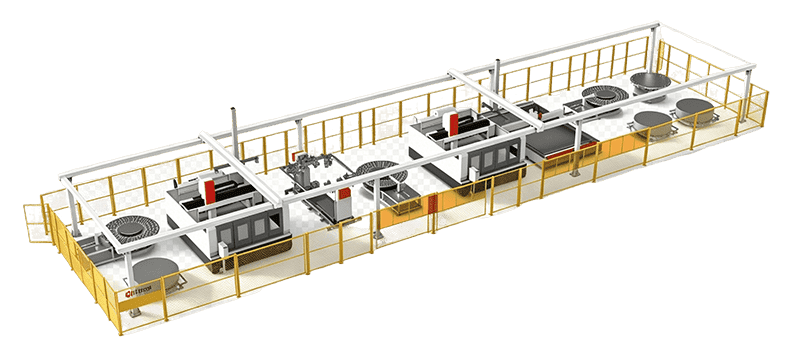
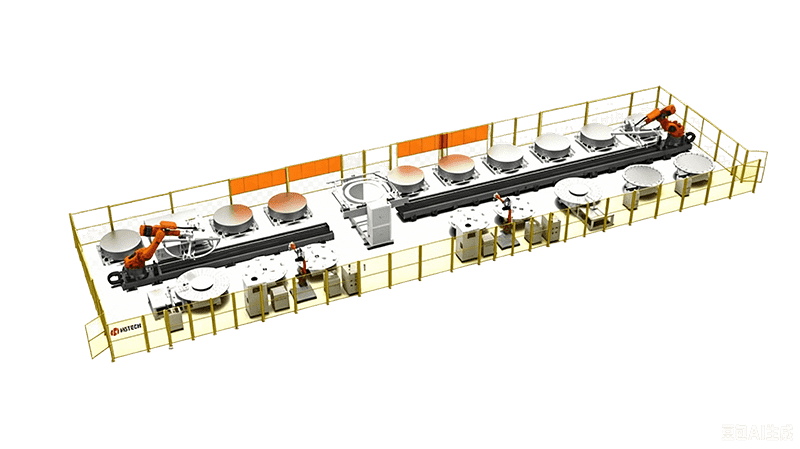
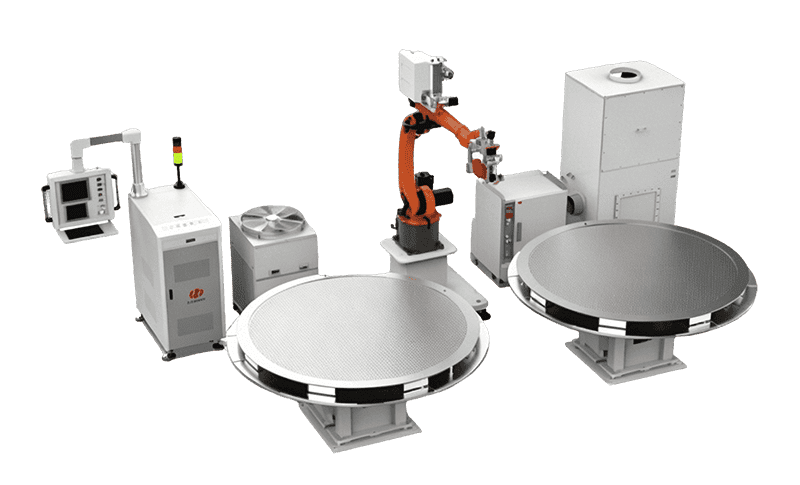
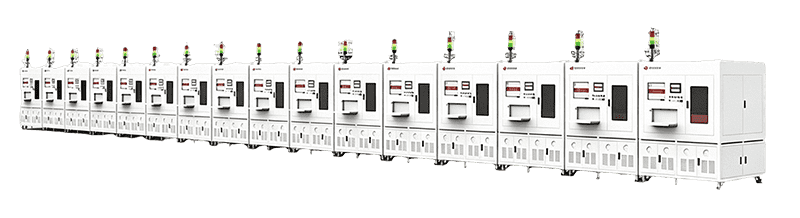
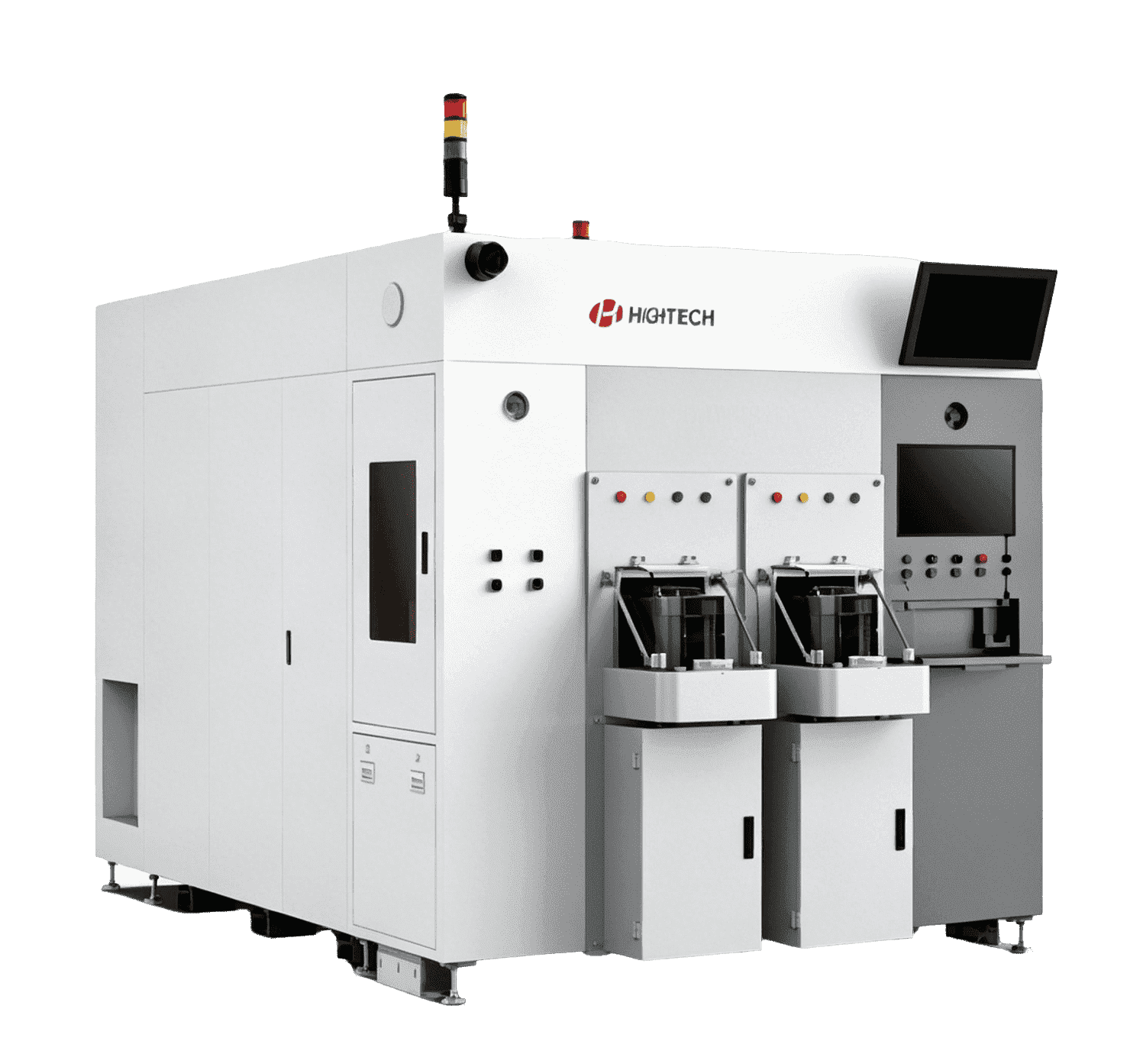
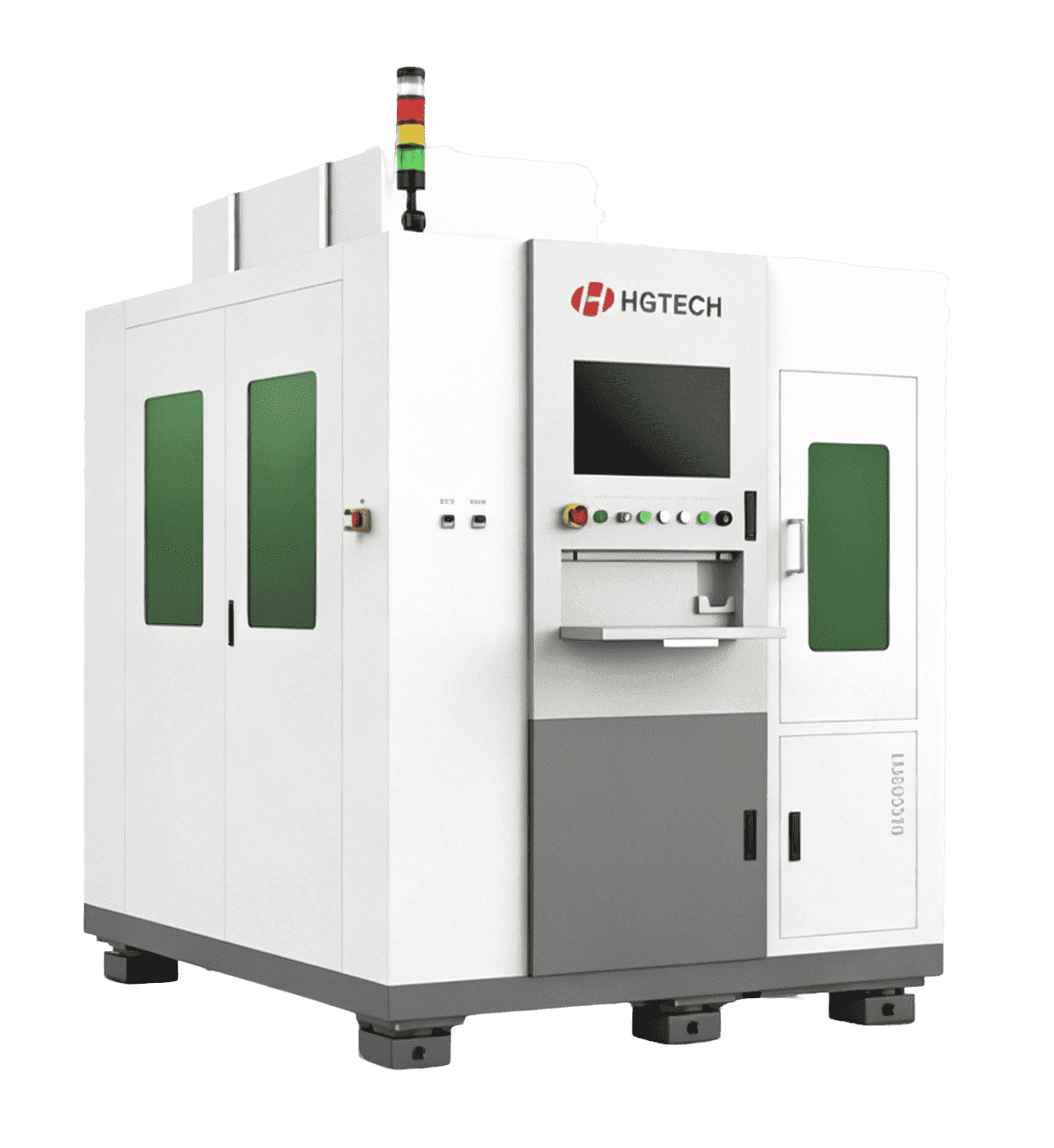
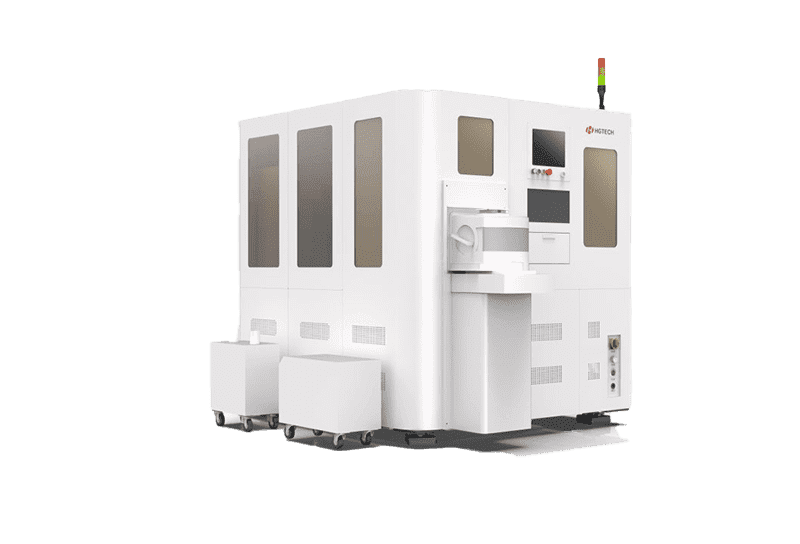
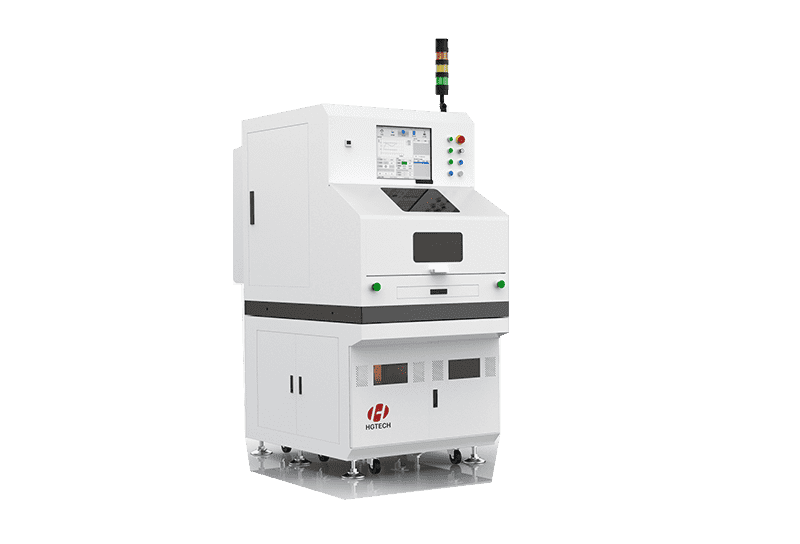
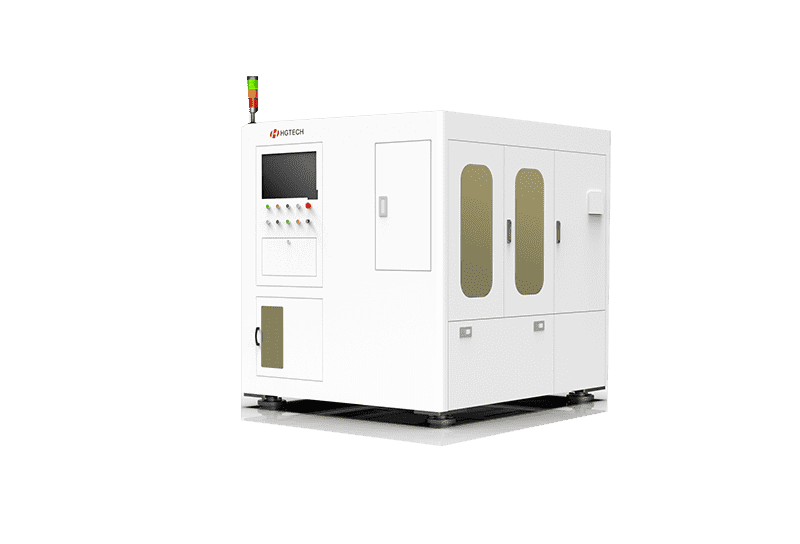
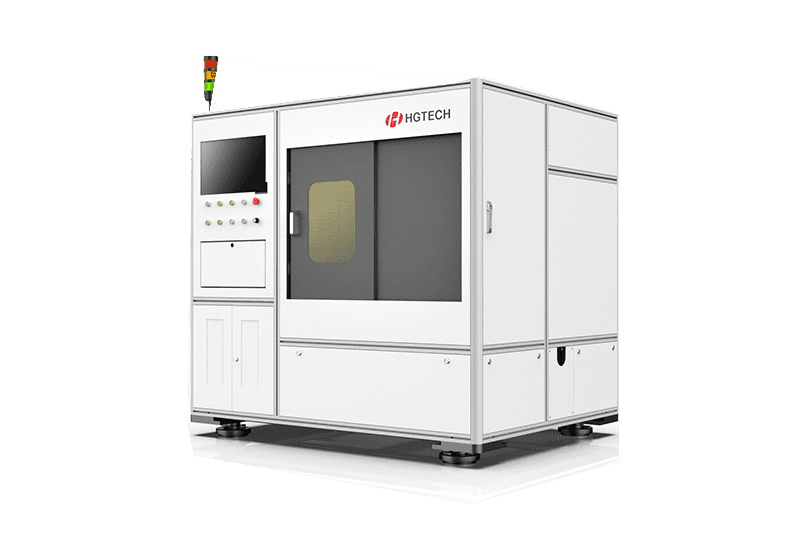
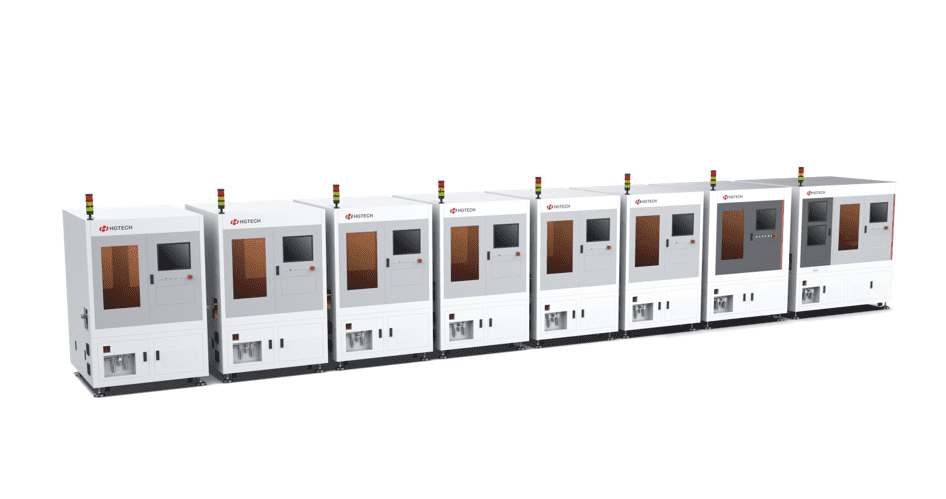
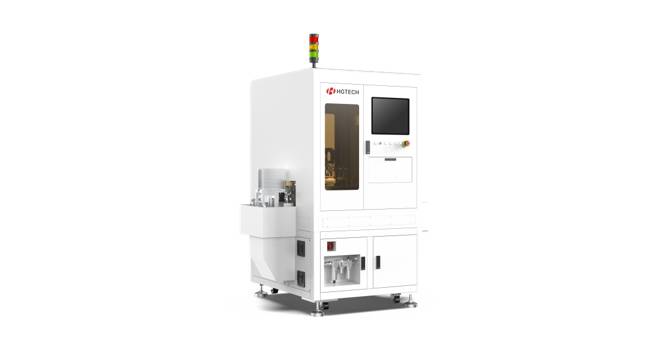
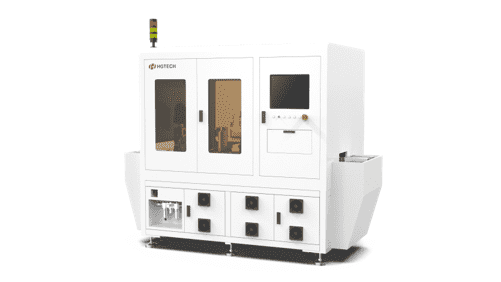
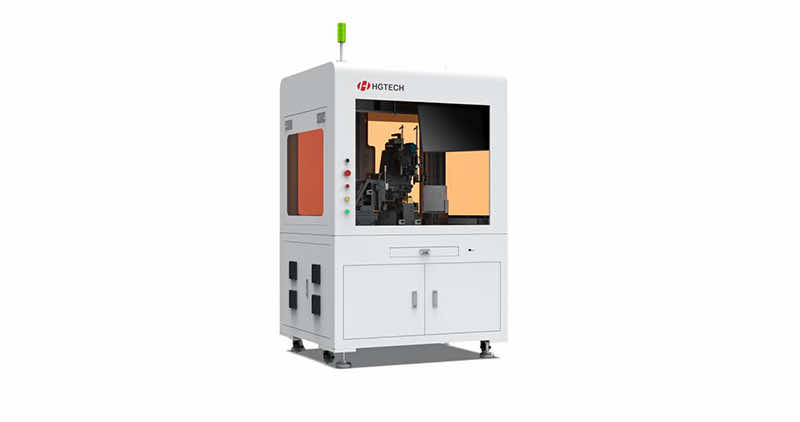
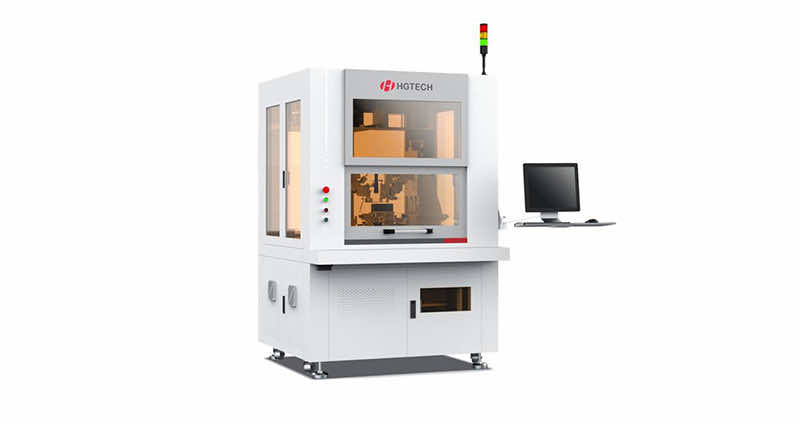
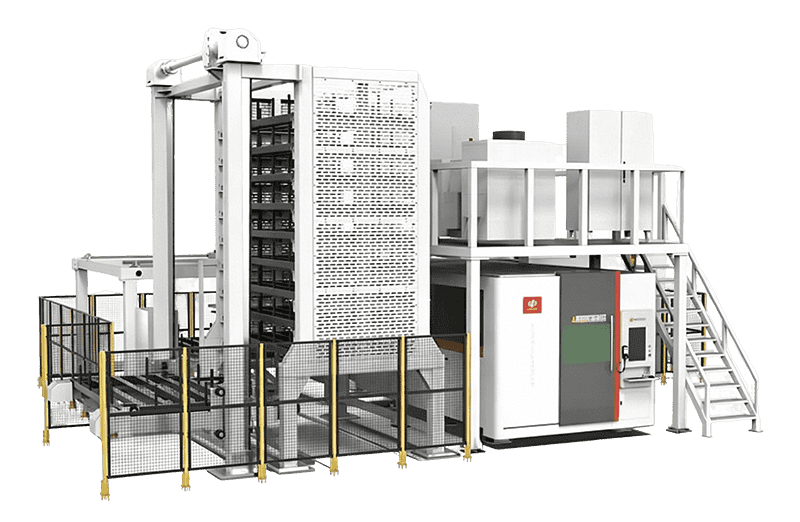
Hglaser laser quenching equipment is equipped with high-power fiber lasers, paired with a precision dynamic scanning system and independently developed intelligent control software, enabling rapid surface heating and self-induced cooling phase transformation of metal components. This process effectively enhances the surface hardness and wear resistance of carbon steel, mold steel, and other workpieces while fully preserving the inherent toughness of the substrate. It features a narrow heat-affected zone and minimal deformation, offering significant advantages. The equipment can adapt to a wide variety of complex-shaped workpieces for precise local strengthening, making it widely applicable in mainstream manufacturing fields such as automotive components, aerospace parts, precision molds, and heavy energy equipment. Leveraging programmable scanning trajectories and digital process parameter tuning, it enables customized and precise strengthening, greatly improving production efficiency and effectively extending the service life of components.
In conclusion, laser quenching is becoming the mainstream technology in industrial surface treatment due to its high precision, low deformation, efficiency, and controllability. Whether in the automotive, aerospace, or precision mold manufacturing industries, adopting laser quenching not only enhances component performance but also significantly improves production efficiency. As technology continues to advance and industrial demands grow, the application of laser quenching will become even broader and smarter. If you are looking to improve product quality and market competitiveness through advanced laser quenching technology, our professional team can provide customized industrial solutions to help your business stand out in a competitive market.
 share
share