Automobile Industry
Automotive Laser Manufacturing











 April 29, 2026
 115 Viewed
The transition from battery cell manufacturing to full-scale system integration represents a quantum leap in engineering complexity. While the individual cell holds the electrochemical potential, the true performance of an Electric Vehicle or Energy Storage System (ESS) is determined by the synergy of the Battery Module and PACK. For global manufacturers, implementing a rigorous testing framework is no longer an optional safety check; it is a fundamental pillar of competitive product development. Effective battery testing must address the intricate balance between energy density, thermal stability, and long-term durability. By shifting focus from simple voltage checks to comprehensive lifecycle analysis, engineers can identify latent defects before they escalate into costly field failures, thereby safeguarding both brand reputation and end-user safety.
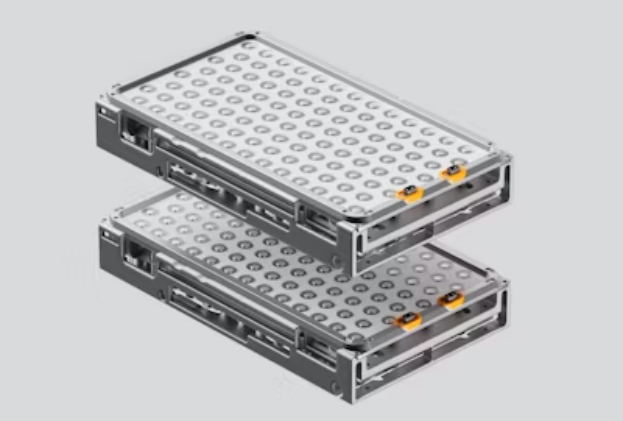
Battery module testing serves as the critical bridge between chemical energy and mechanical structure. At this stage, the focus intensifies on the electrical interconnects and the initial logic of the Battery Management System (BMS). A deep-dive testing protocol examines the consistency of internal resistance across series-parallel configurations, as even a minor milliohm variance can lead to uneven aging and premature capacity fade. Advanced testing rigs now utilize high-frequency data sampling to capture transient voltage drops during high-current pulses, providing a granular view of the module’s health that standard cyclers often miss. This level of scrutiny ensures that the balancing circuits within the BMS are perfectly calibrated to maintain equilibrium, extending the usable life of the entire battery system.
When modules are integrated into a final Battery PACK, the complexity shifts toward environmental resilience and thermal management. A robust testing strategy must simulate the extreme stress of real-world drive cycles, where the PACK is subjected to simultaneous electrical loads and fluctuating ambient temperatures. The primary engineering challenge lies in verifying that the liquid cooling or air-cooling systems can maintain a uniform temperature gradient across all cells, preventing the localized hotspots that lead to thermal runaway. Deep-level validation involves synchronized testing within climatic chambers to verify that the PACK’s structural integrity and sealings remain intact under thermal expansion and contraction. This holistic approach ensures that the "heart" of the vehicle remains stable, whether operating in sub-zero arctic conditions or the intense heat of a high-performance discharge.
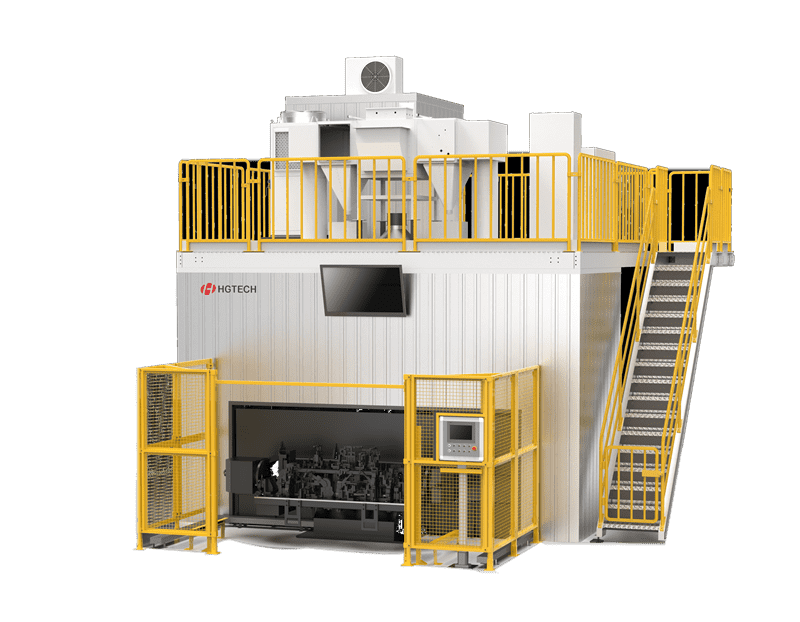
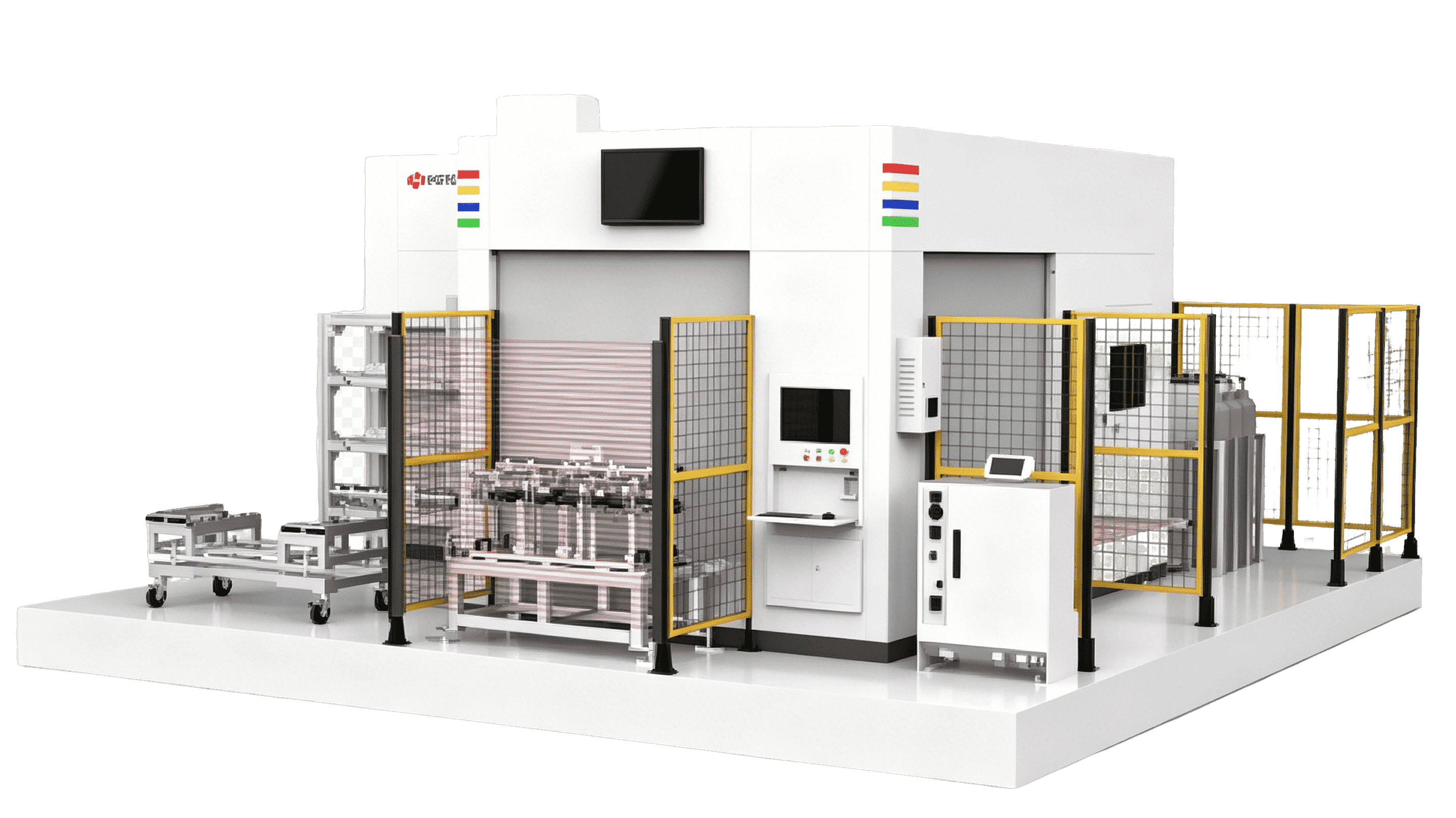
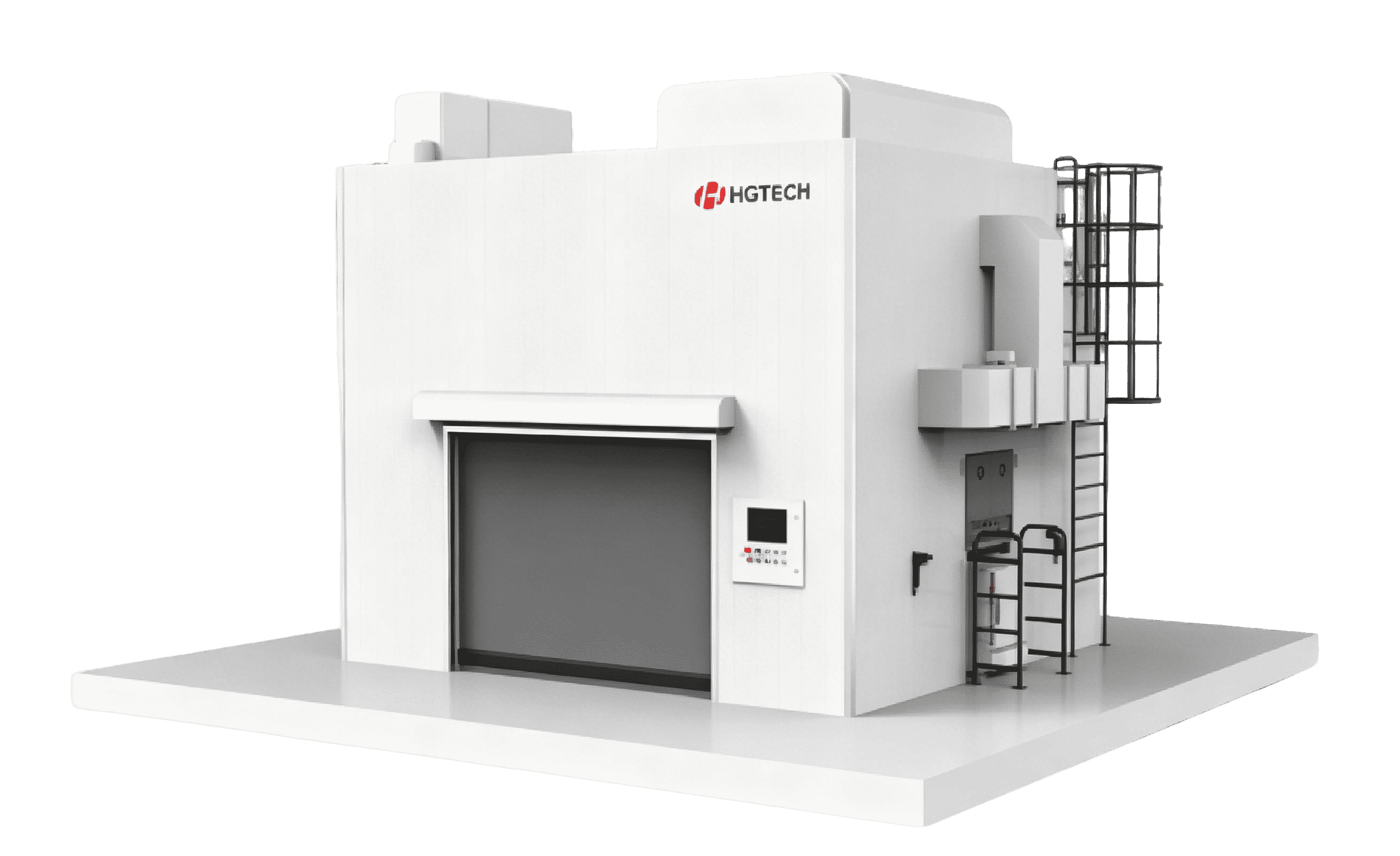
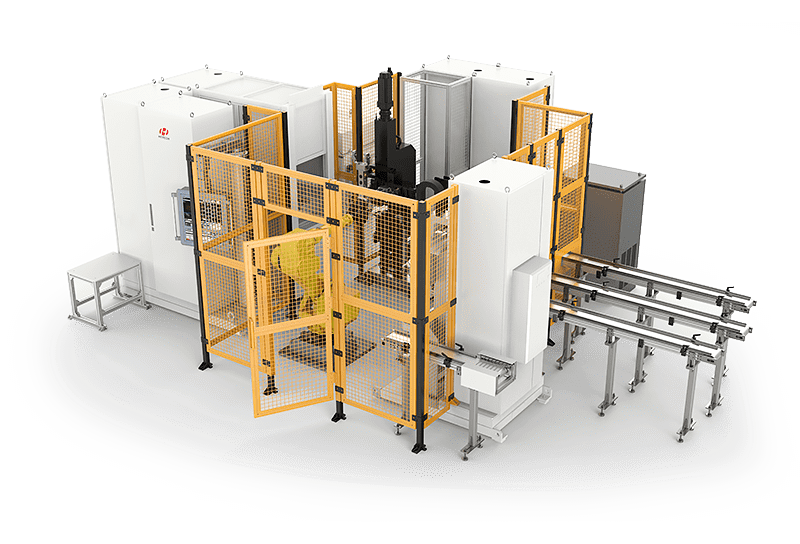
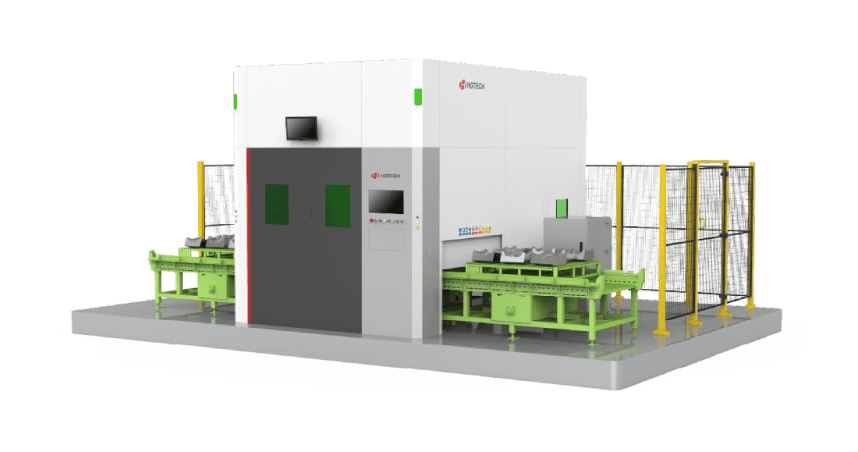
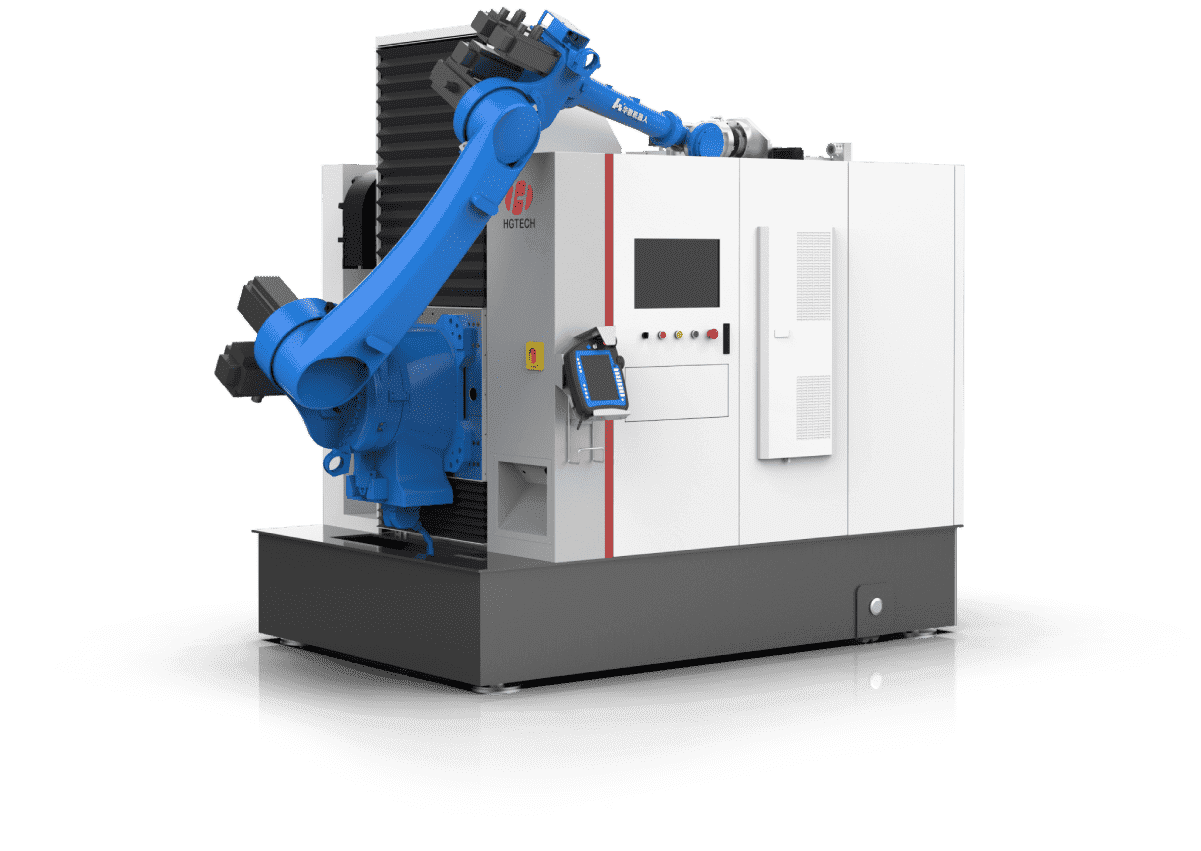
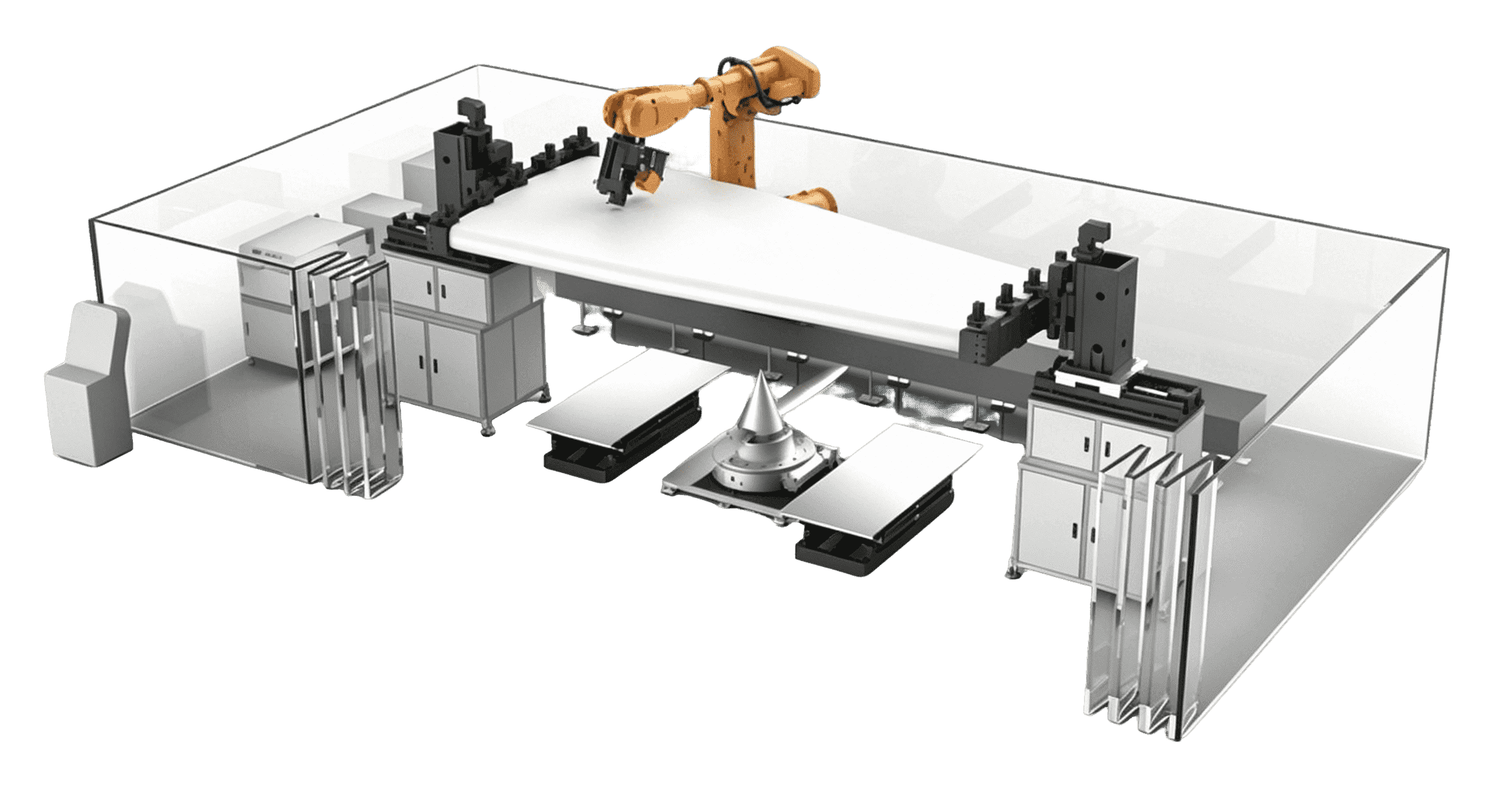
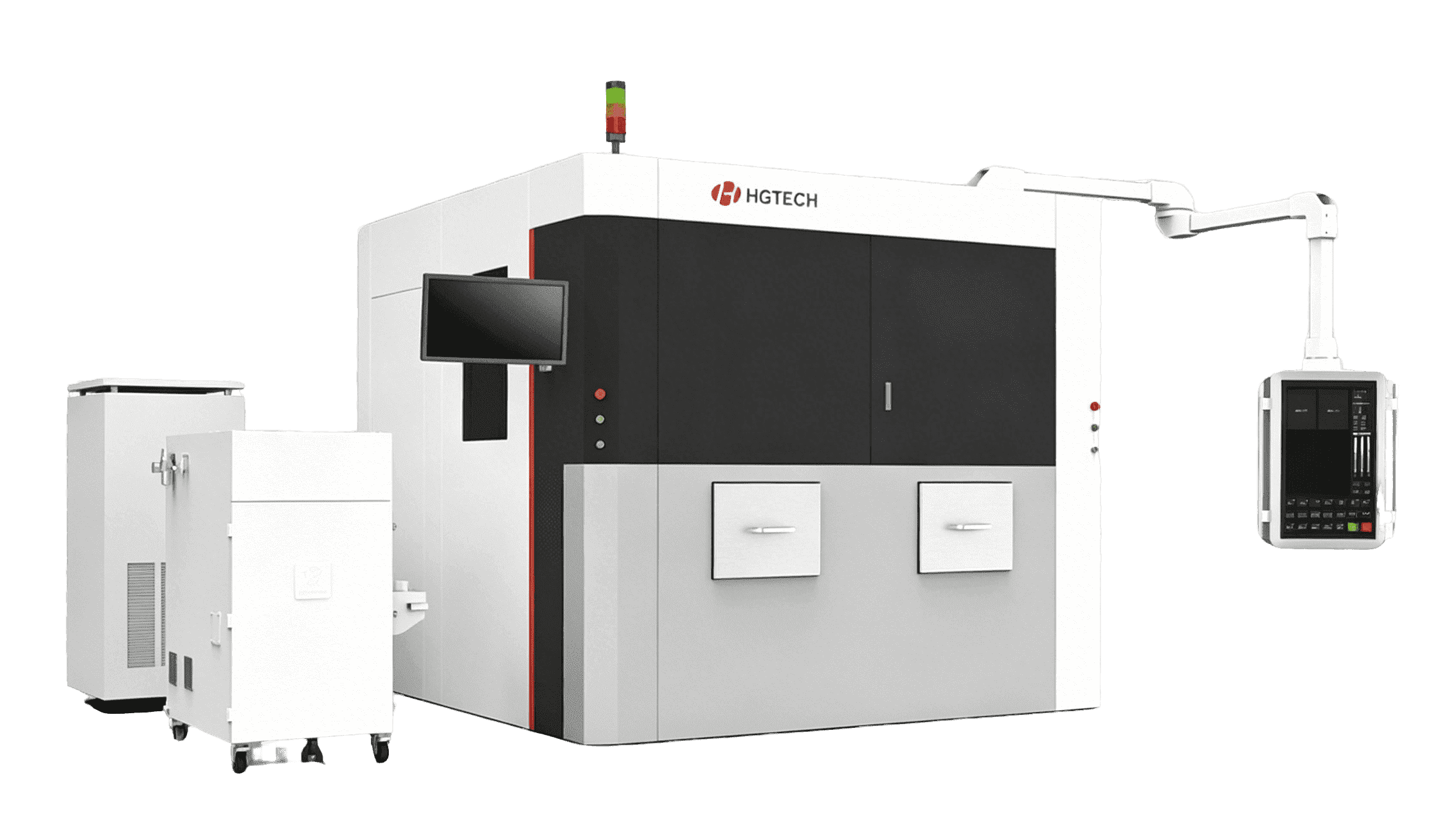
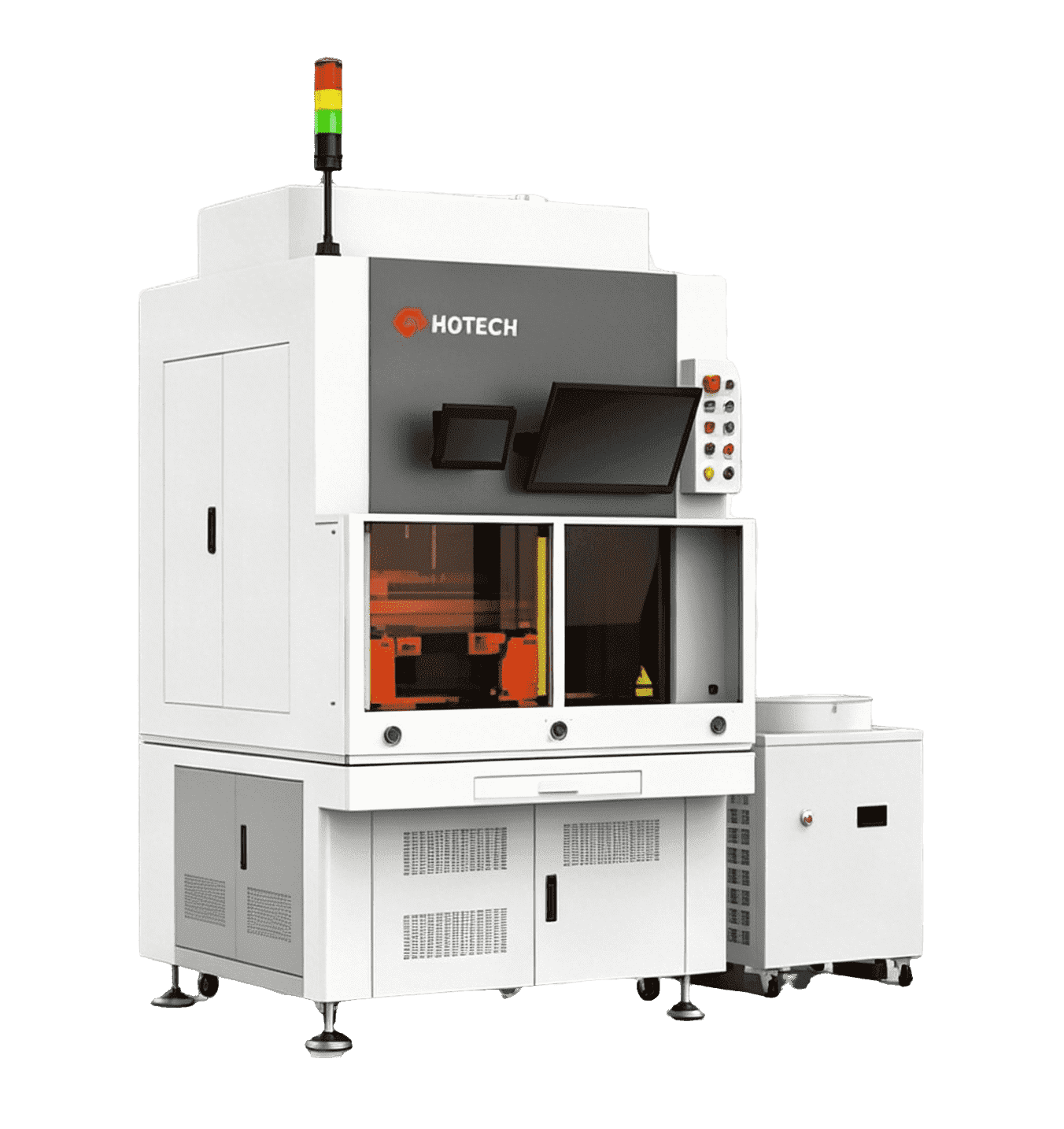
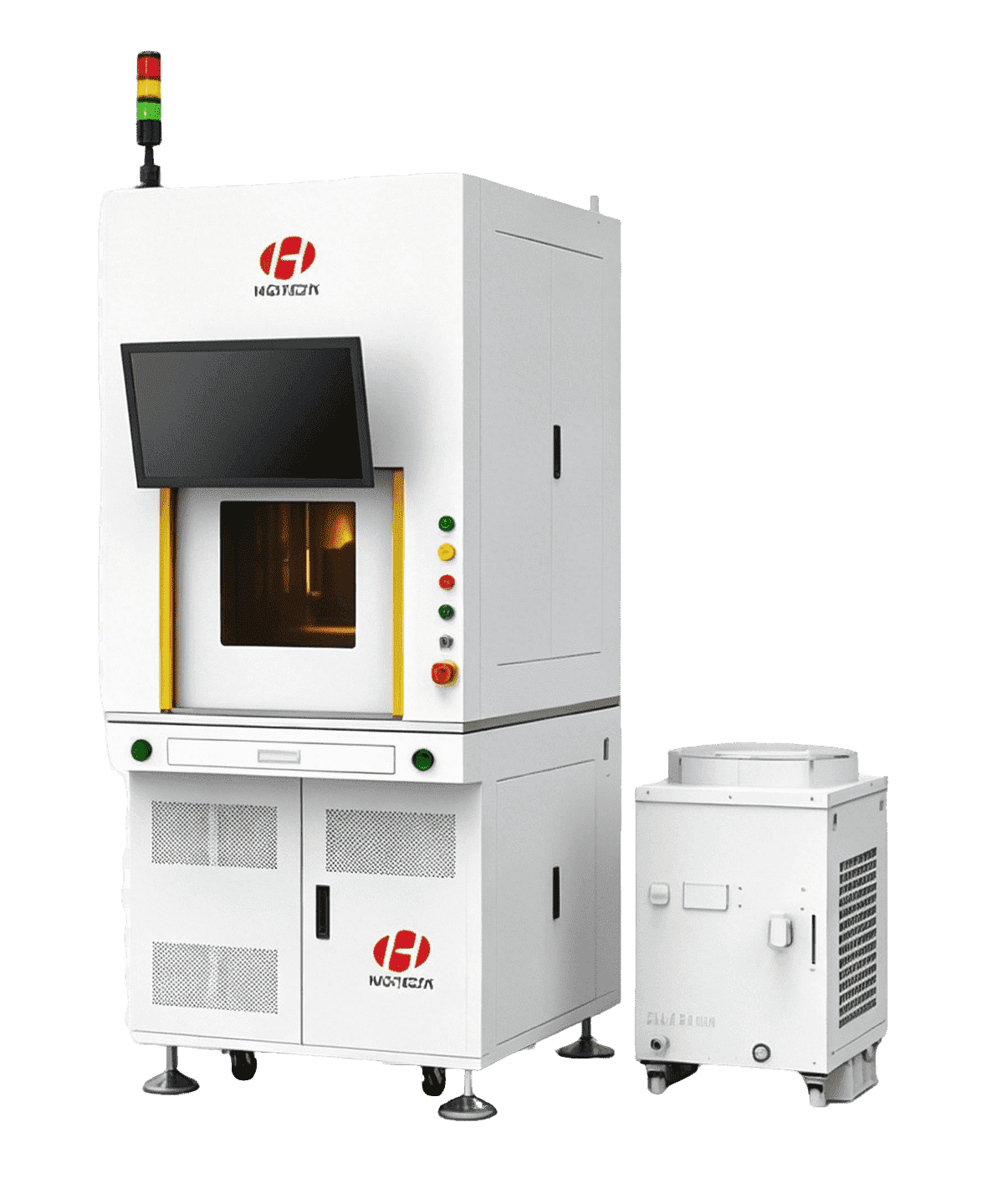
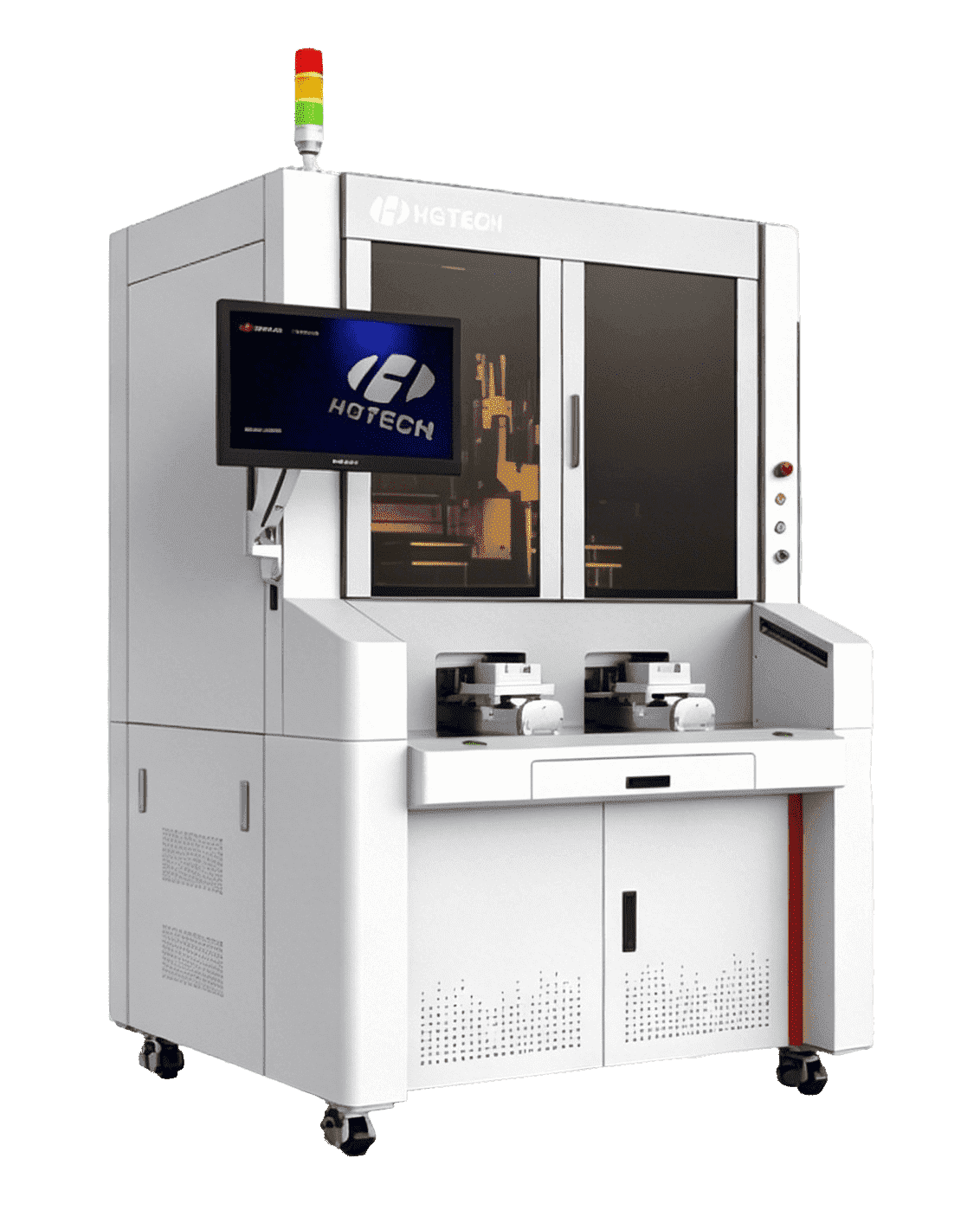
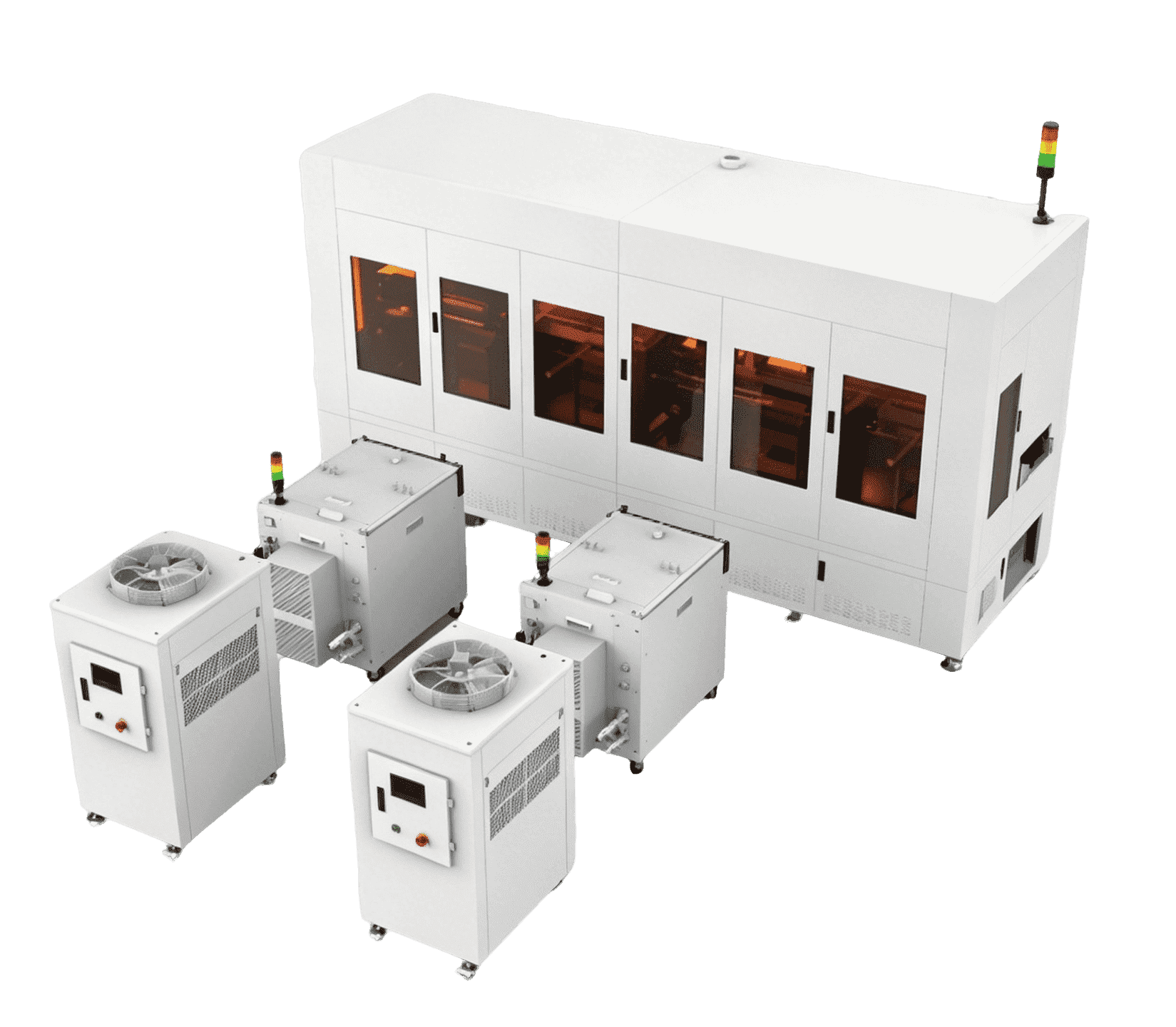
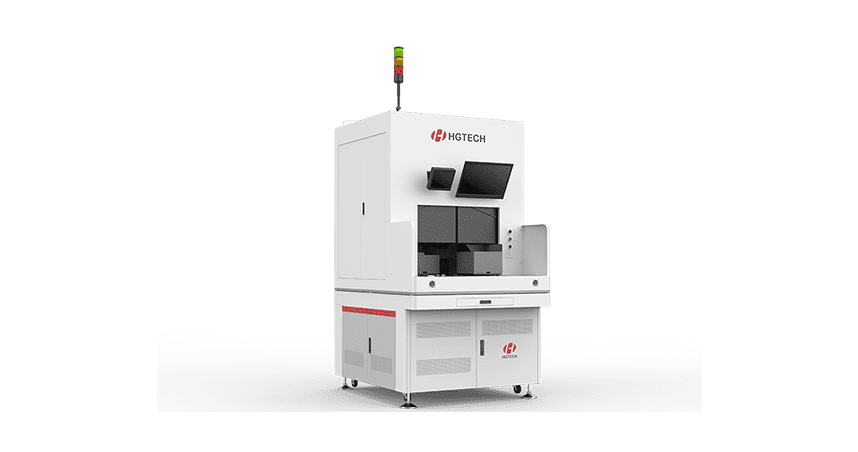
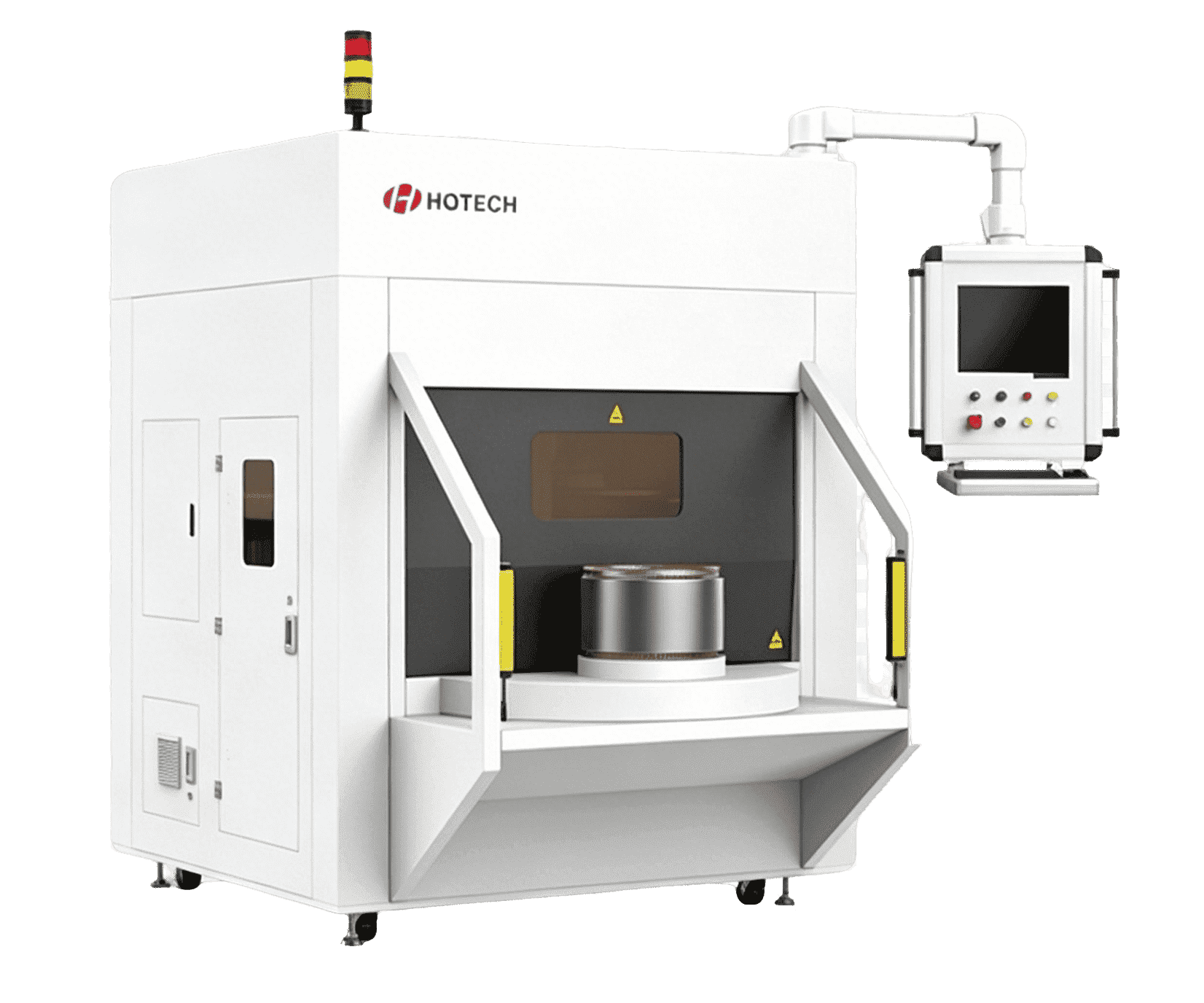
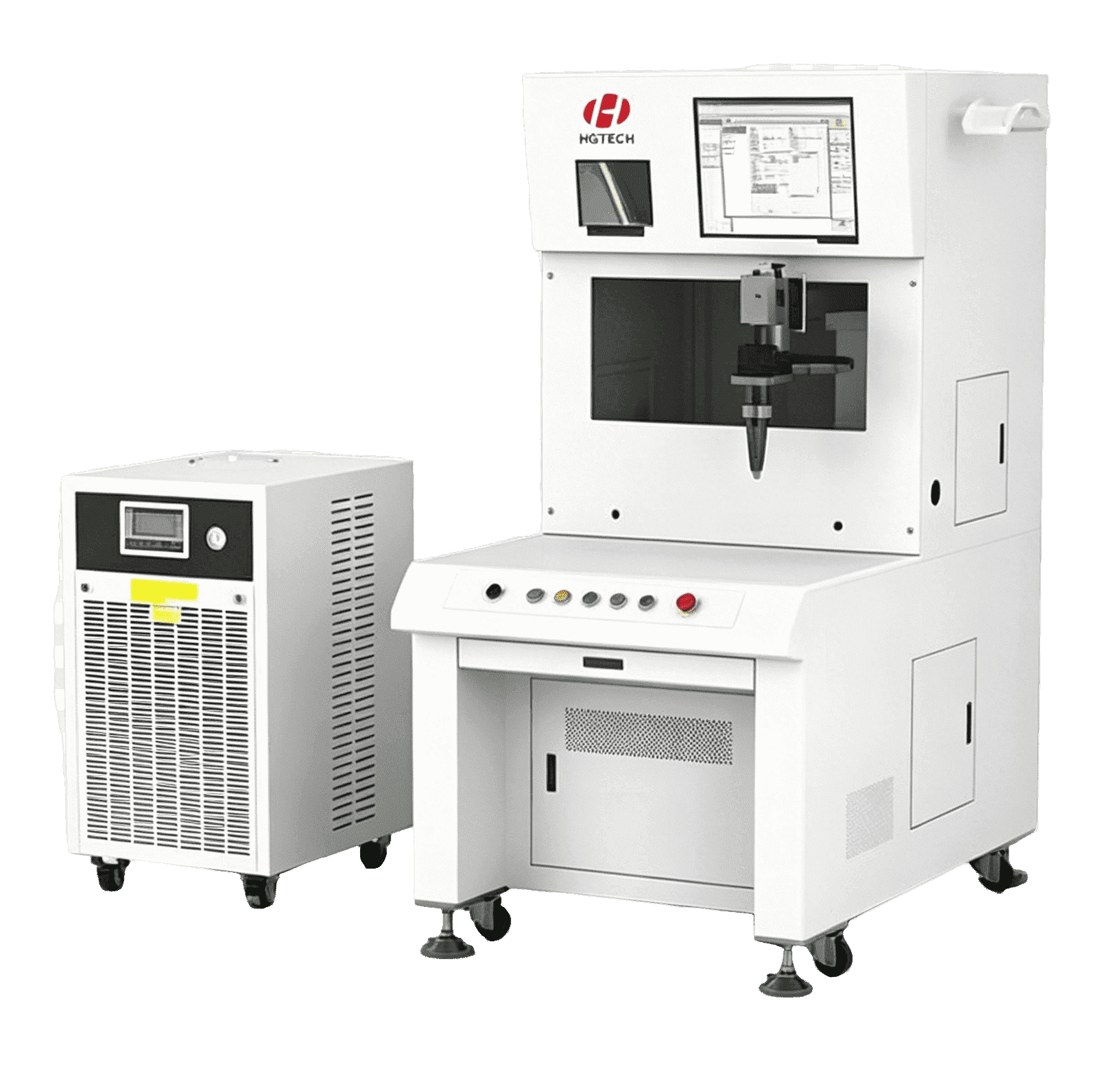
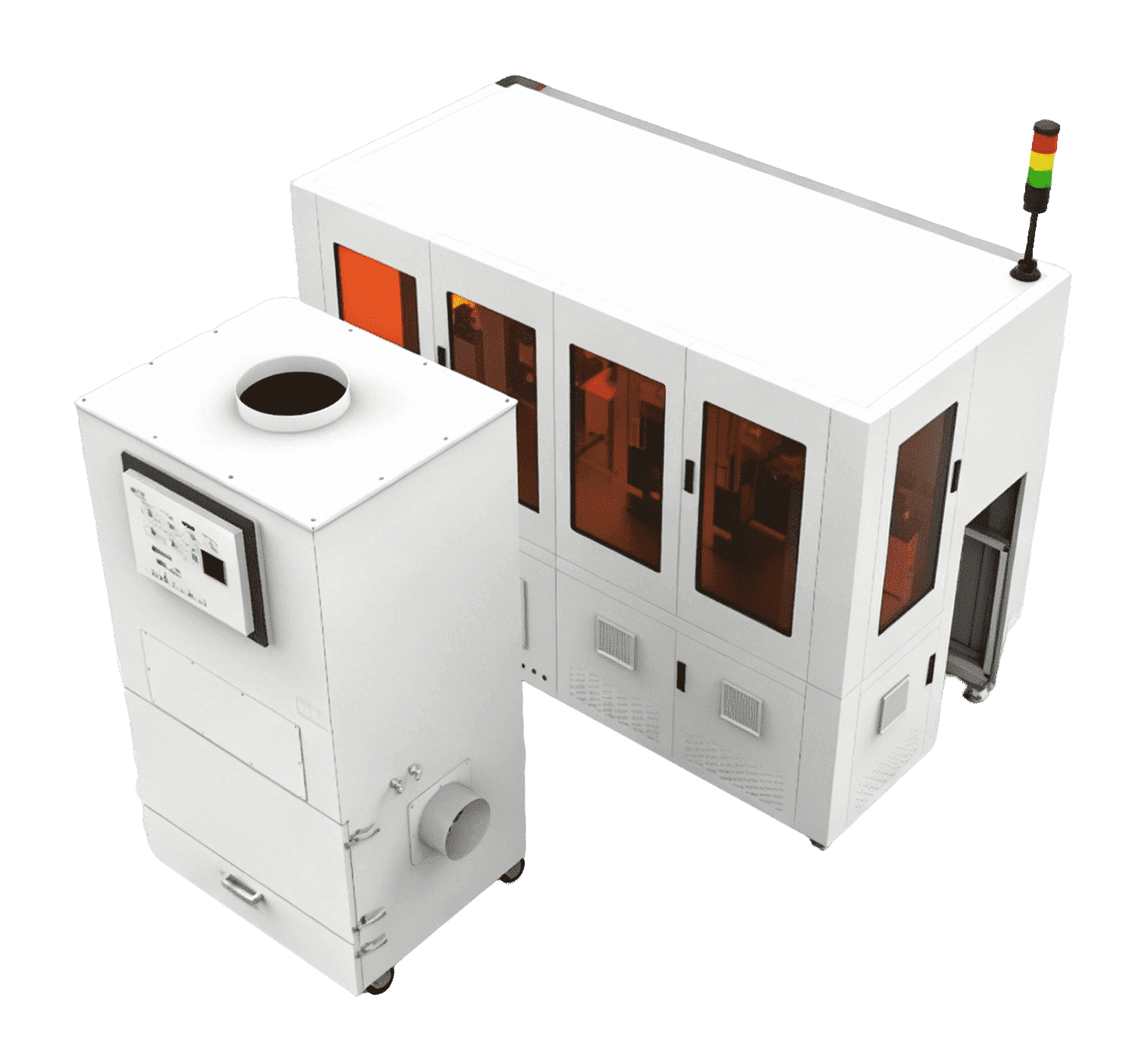
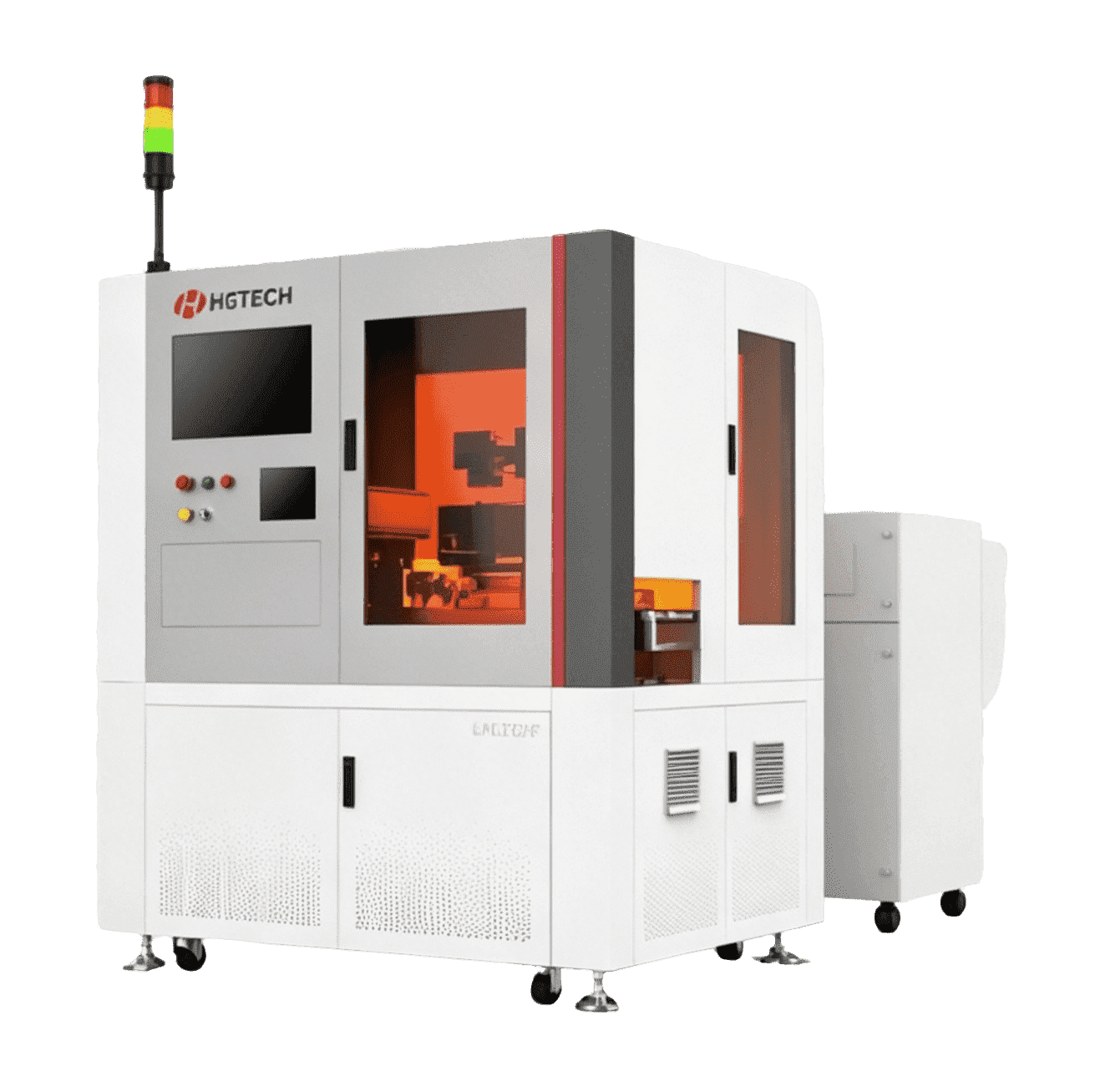
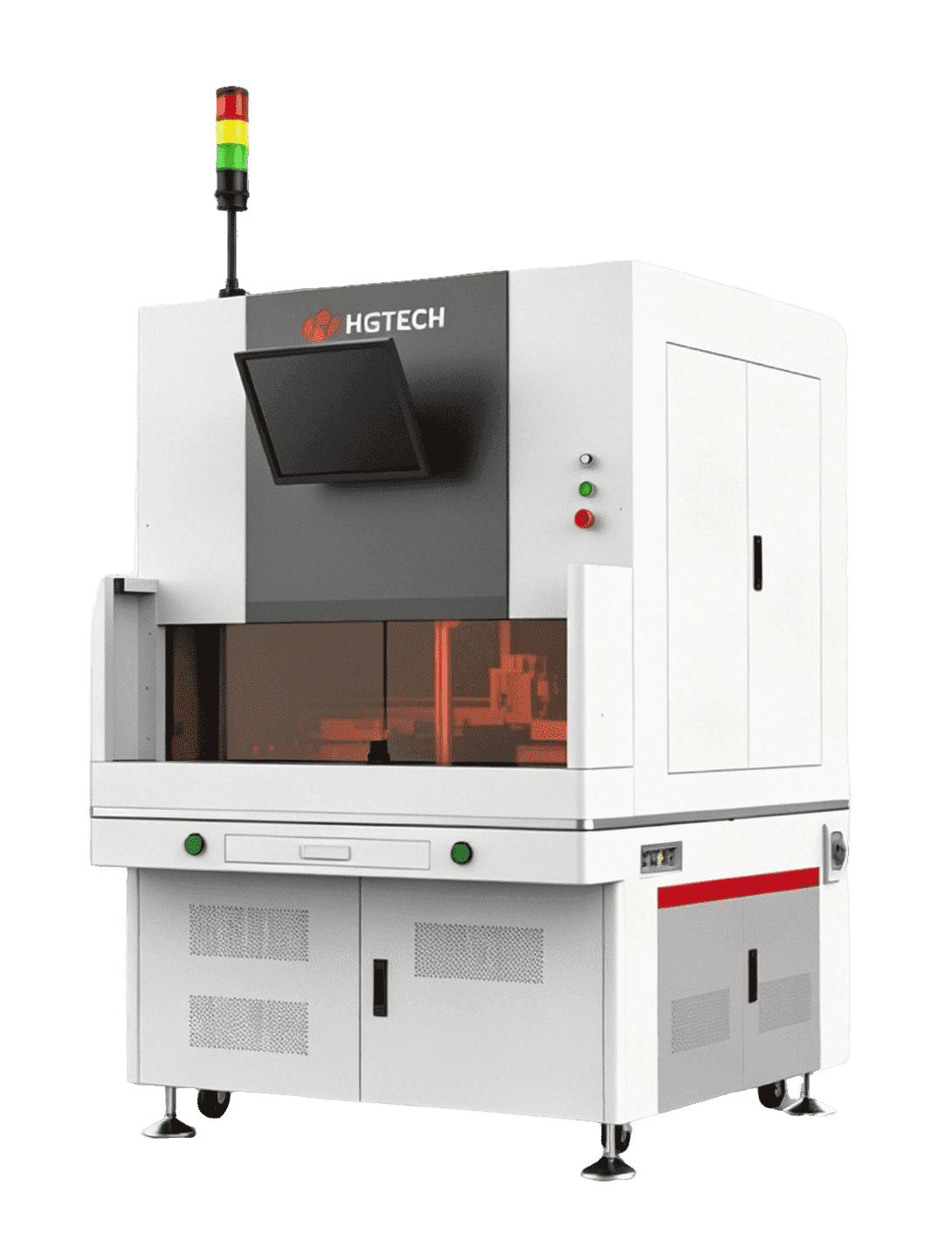
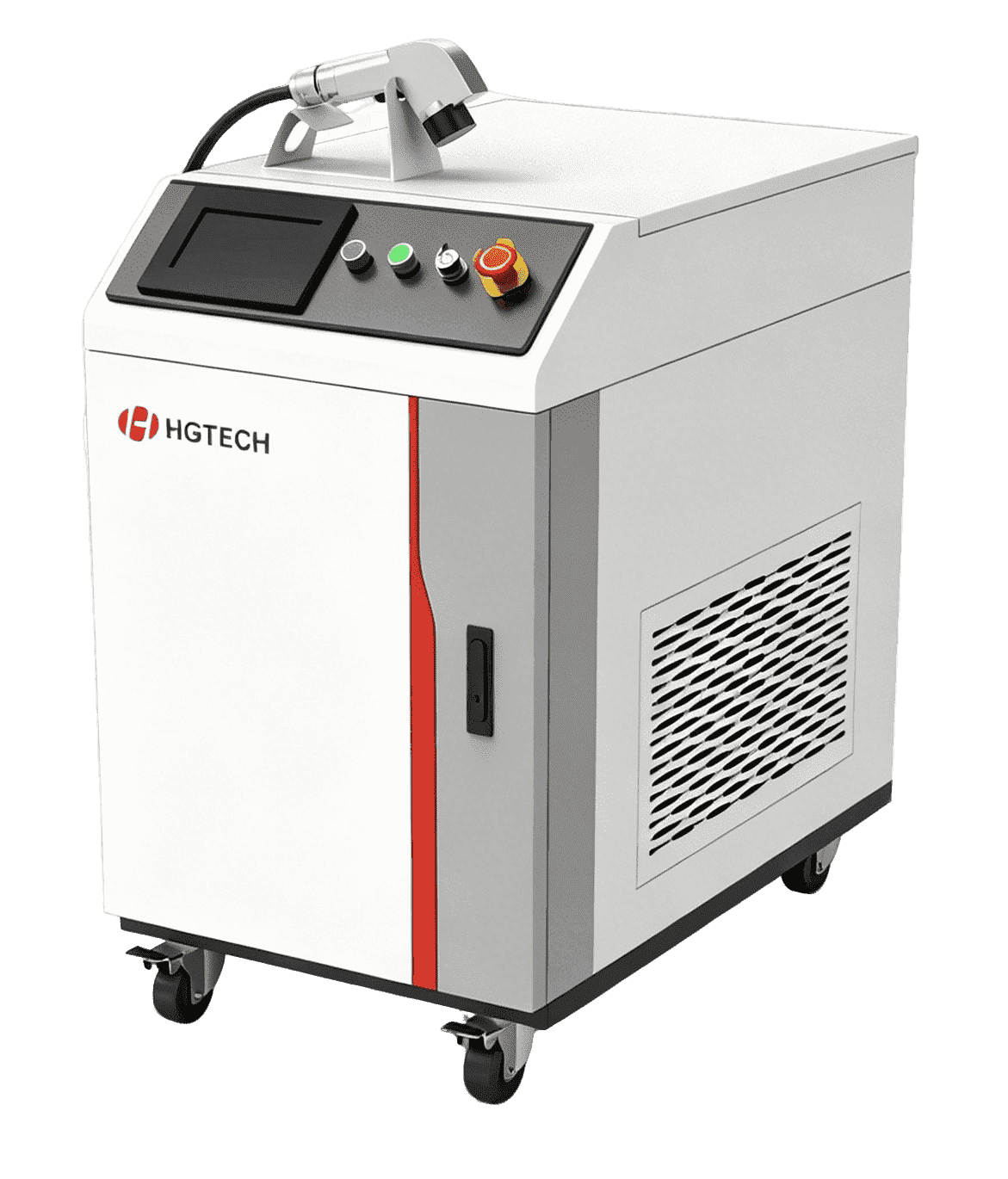
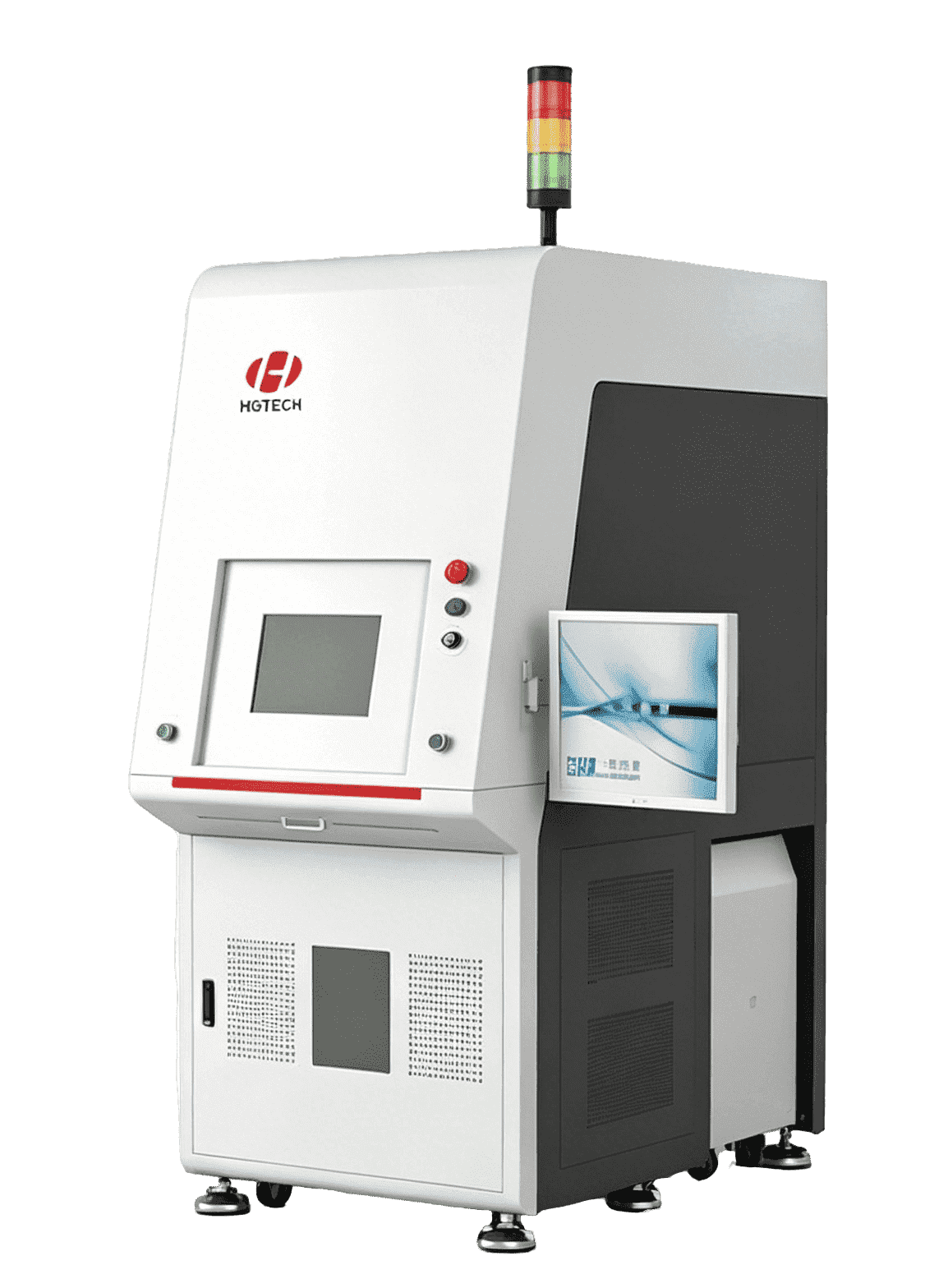
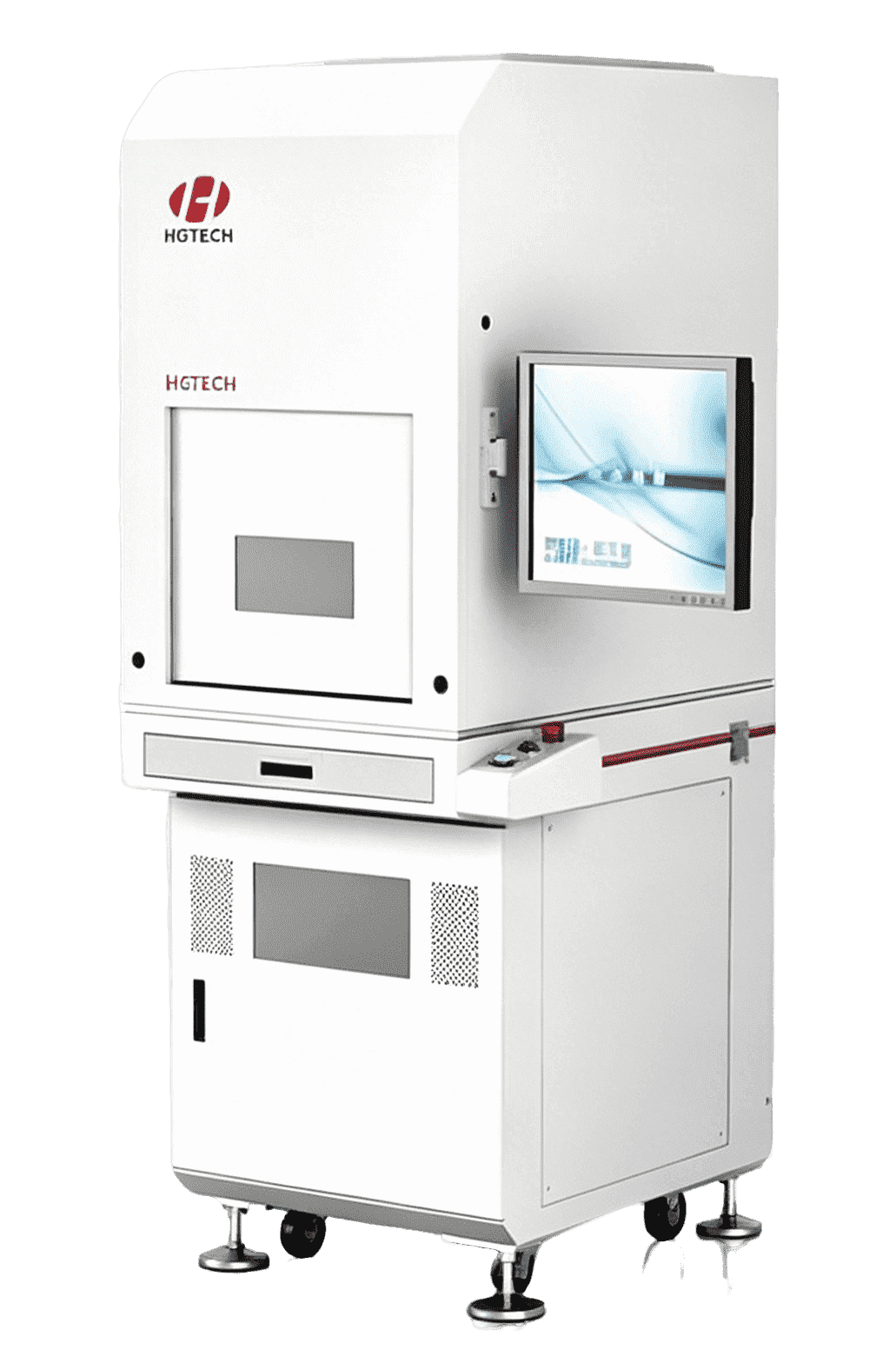
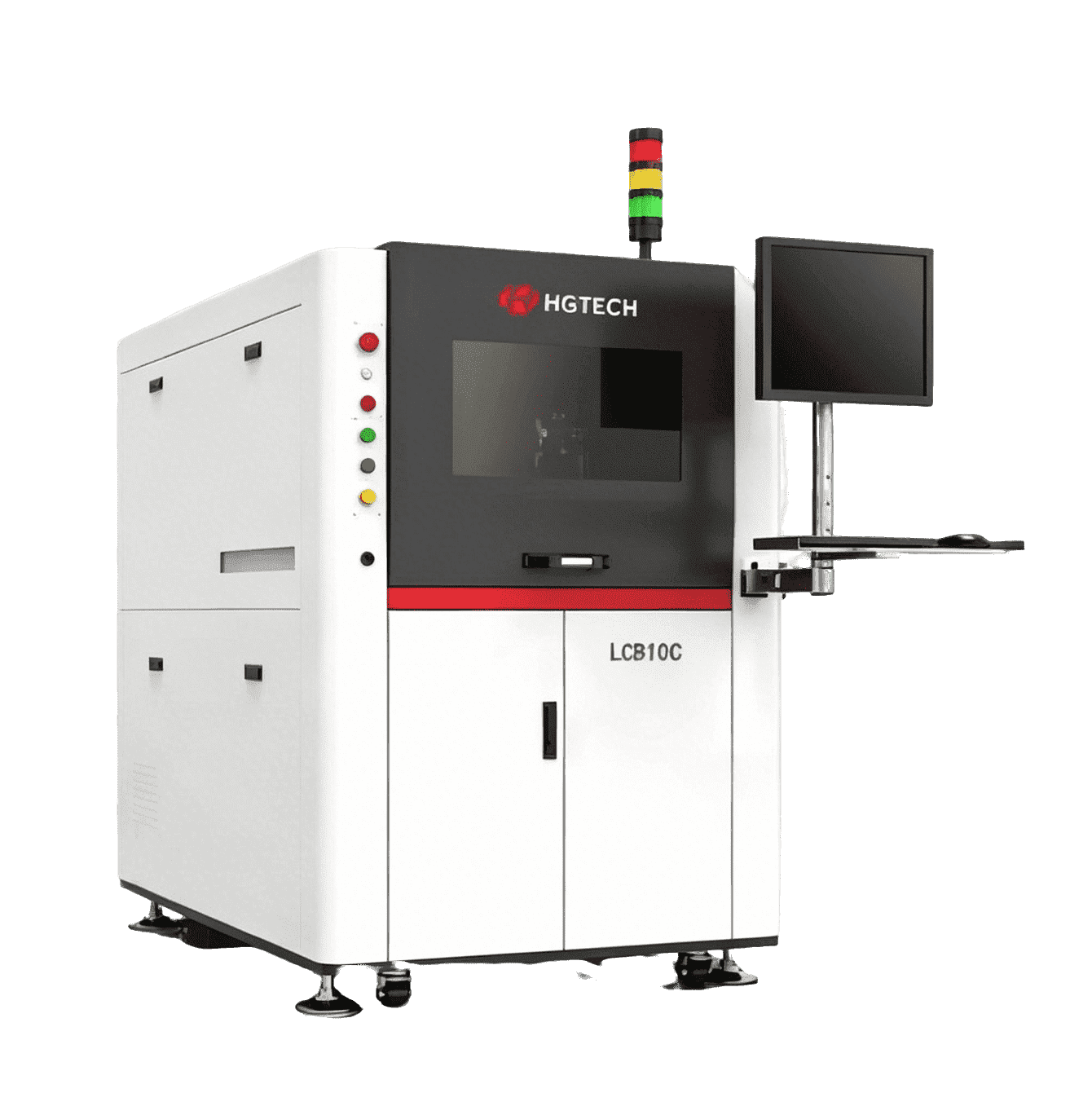
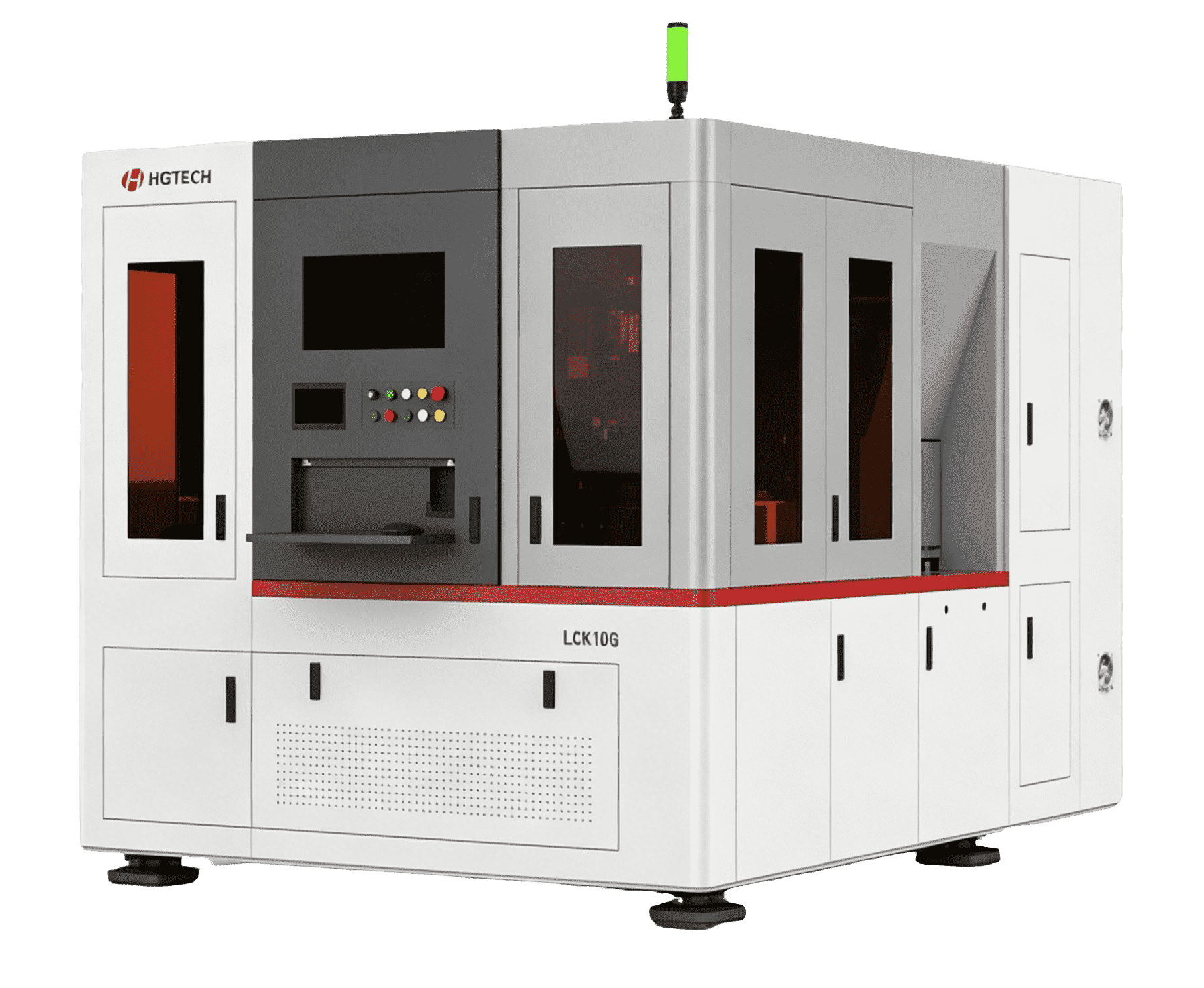
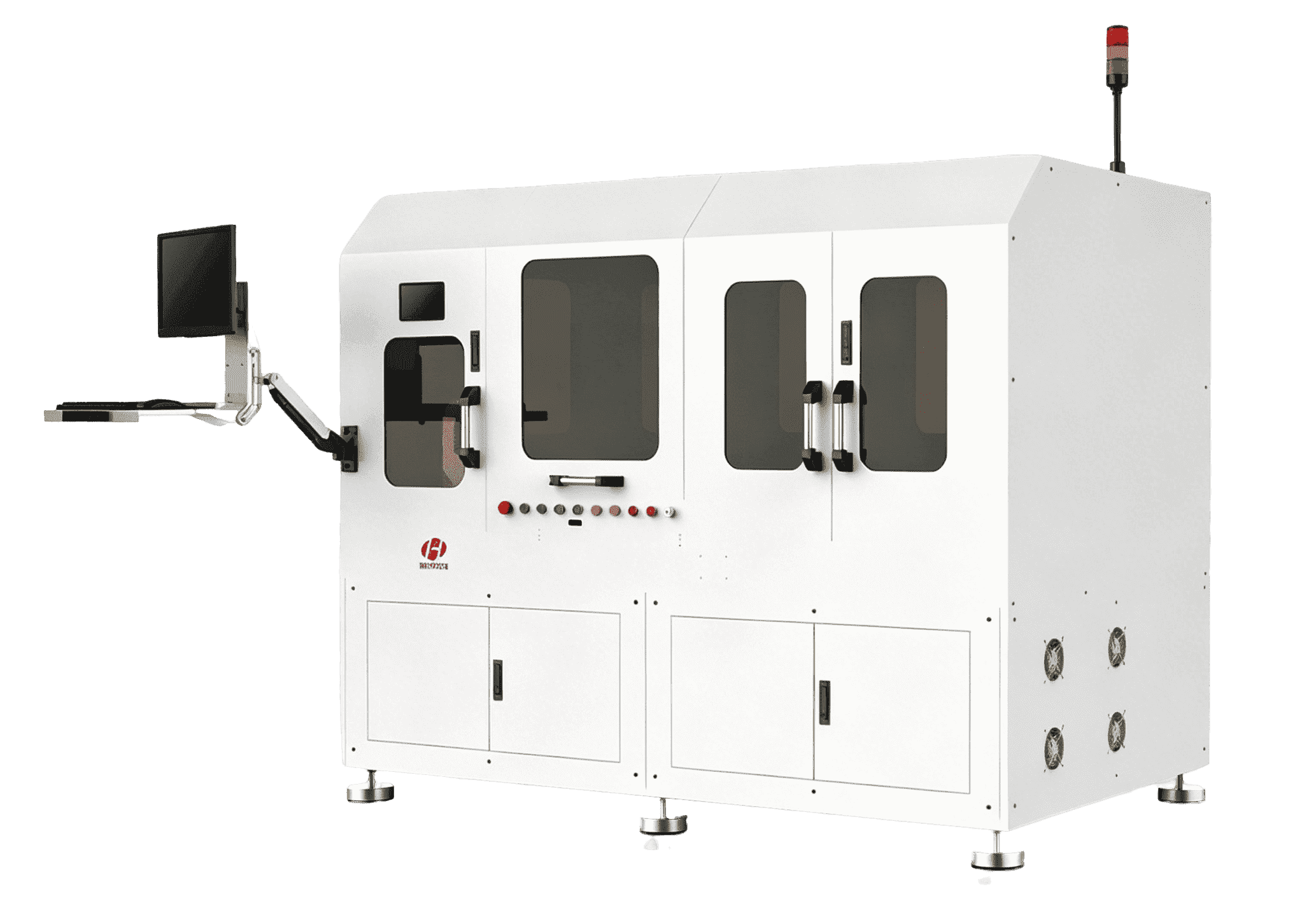
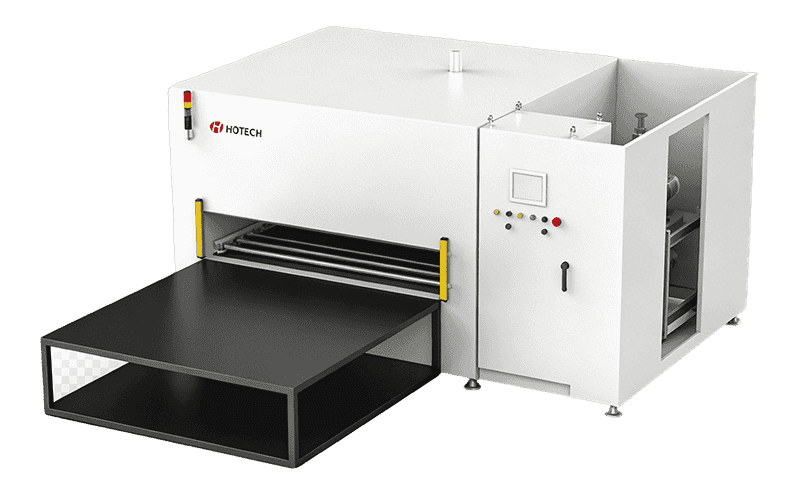
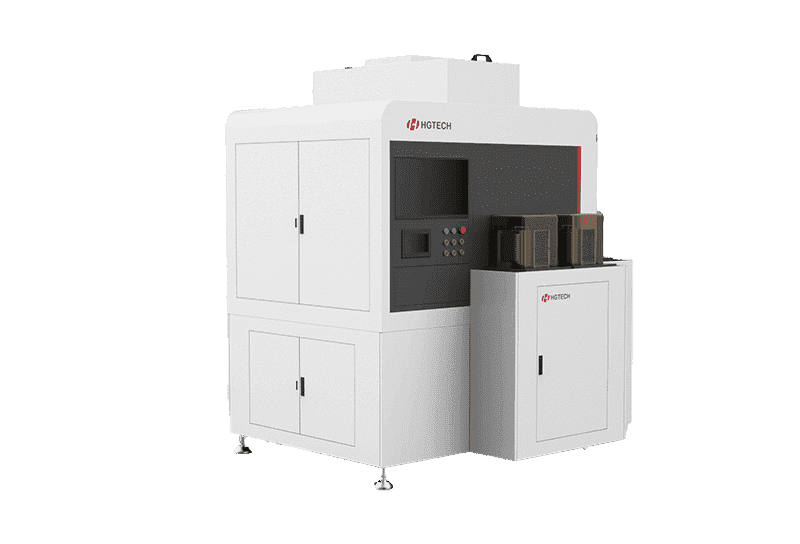
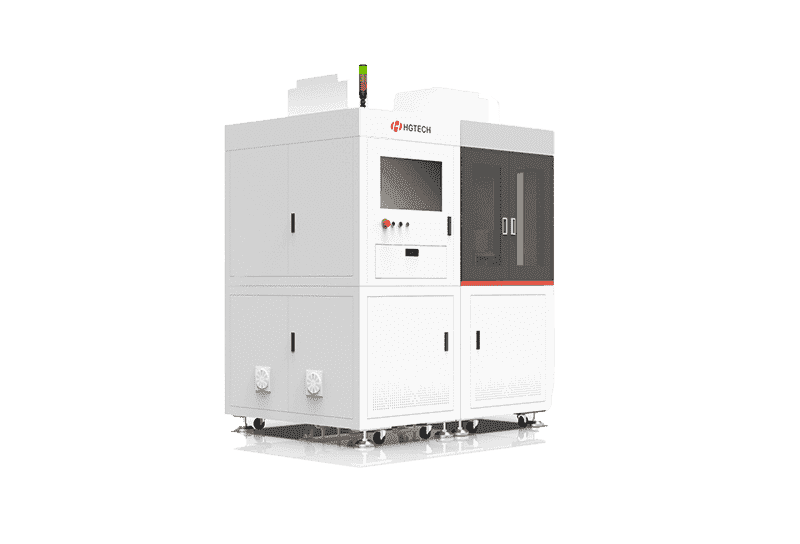
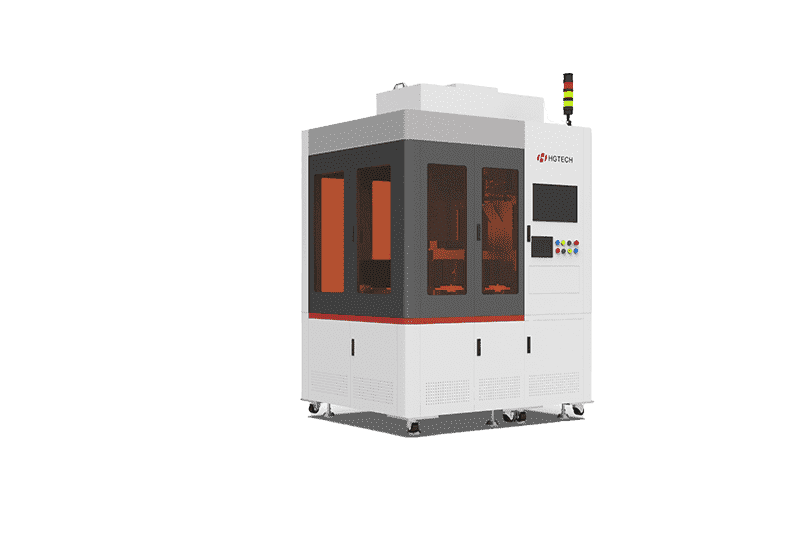
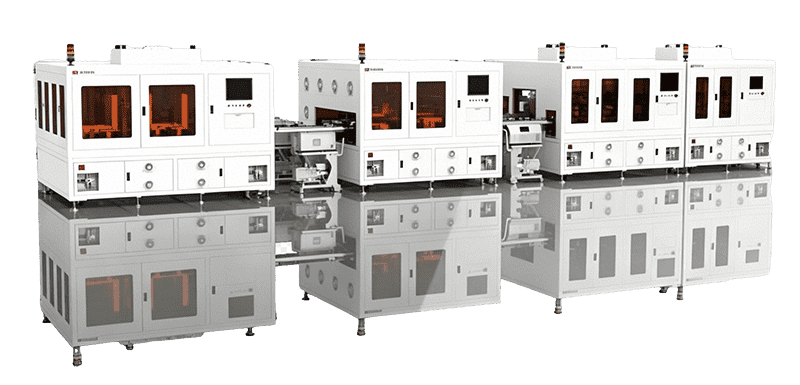
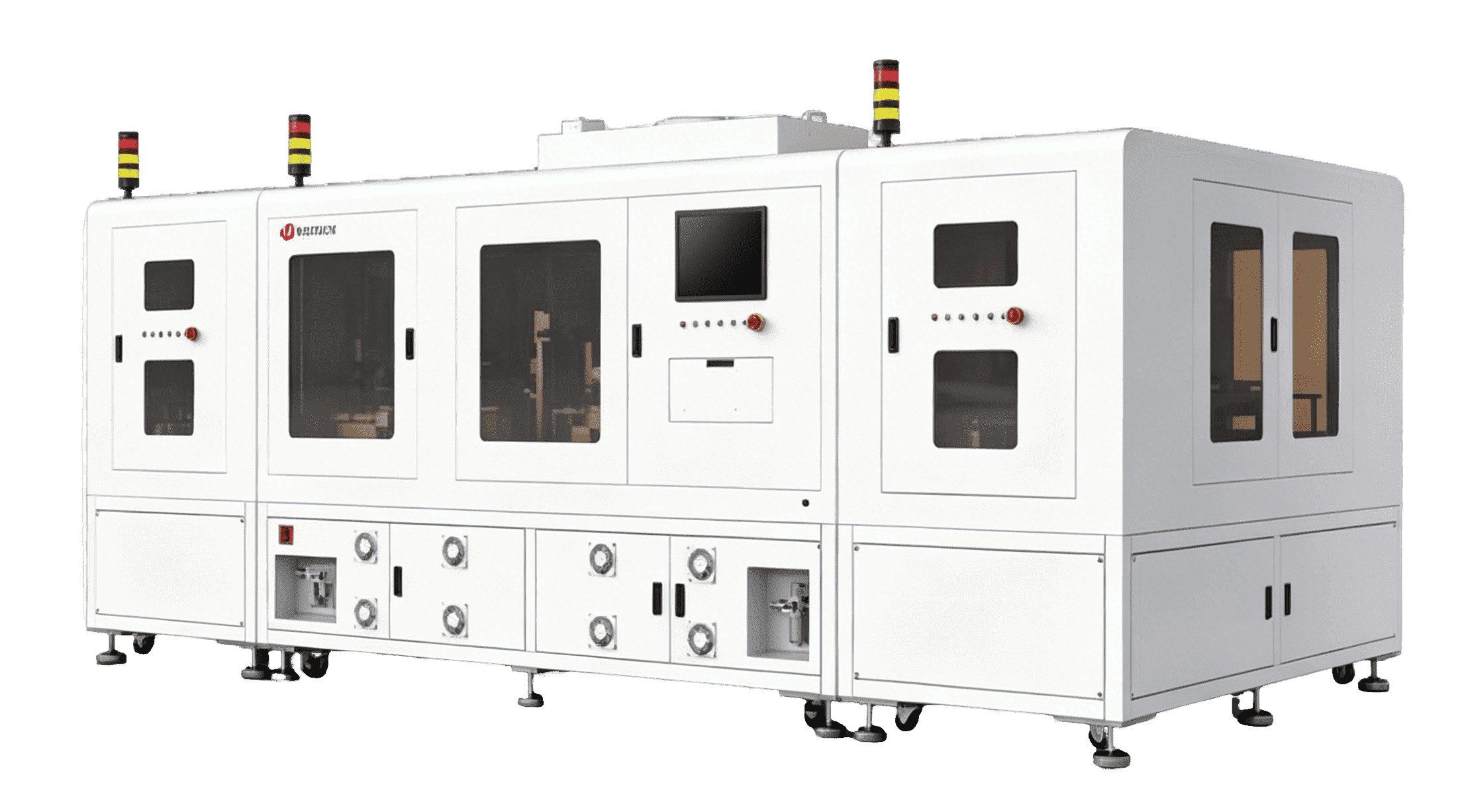
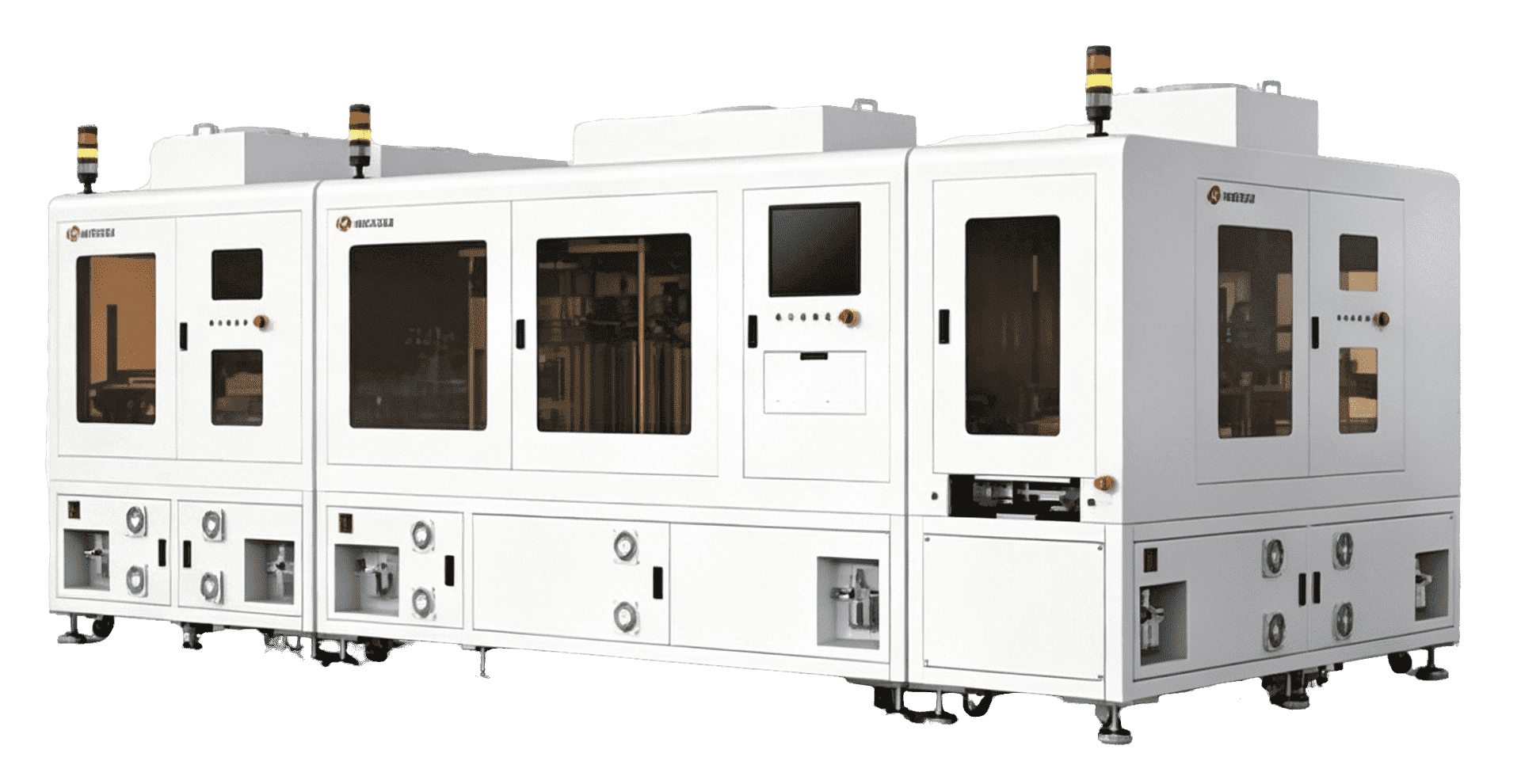
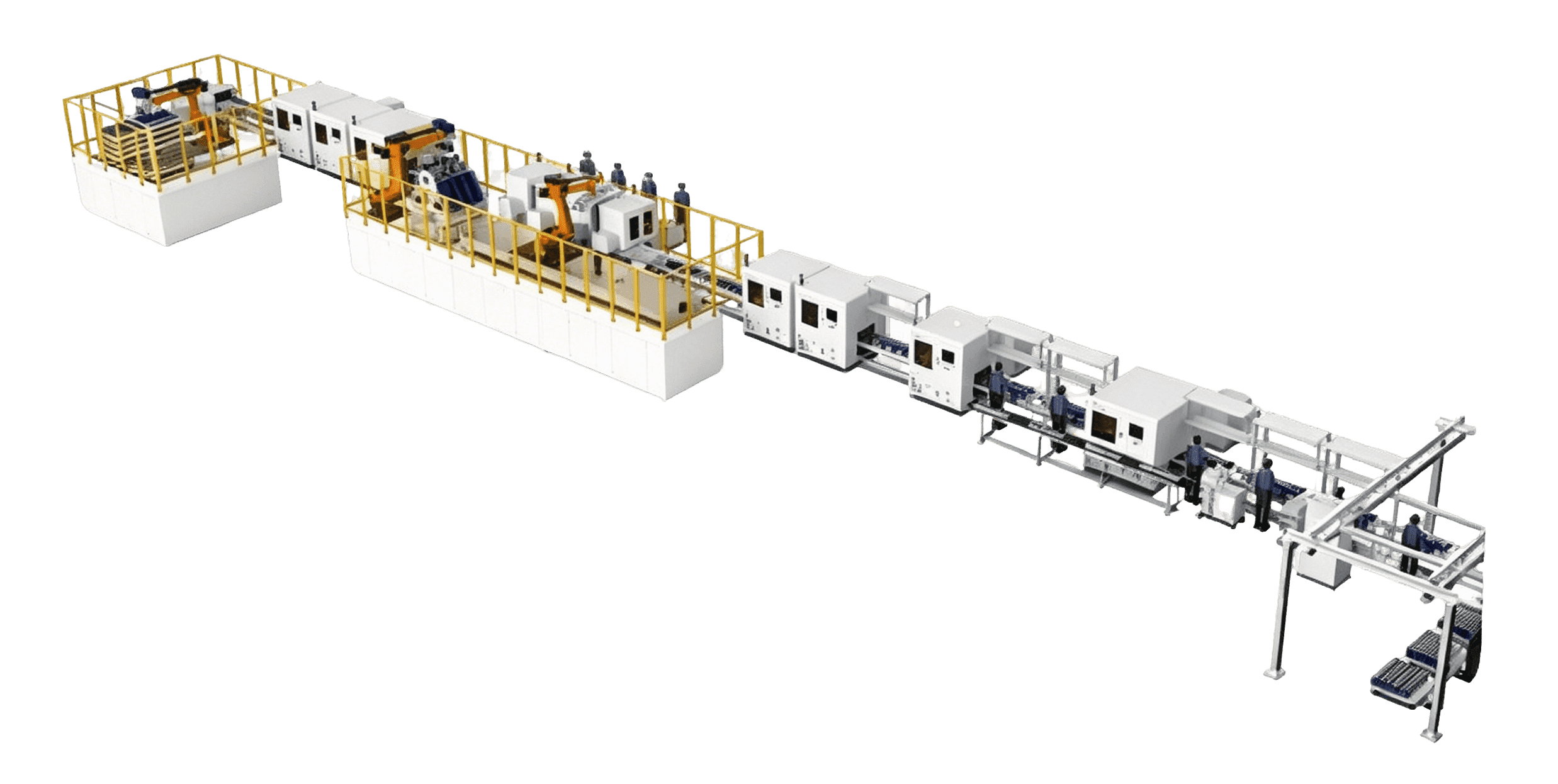
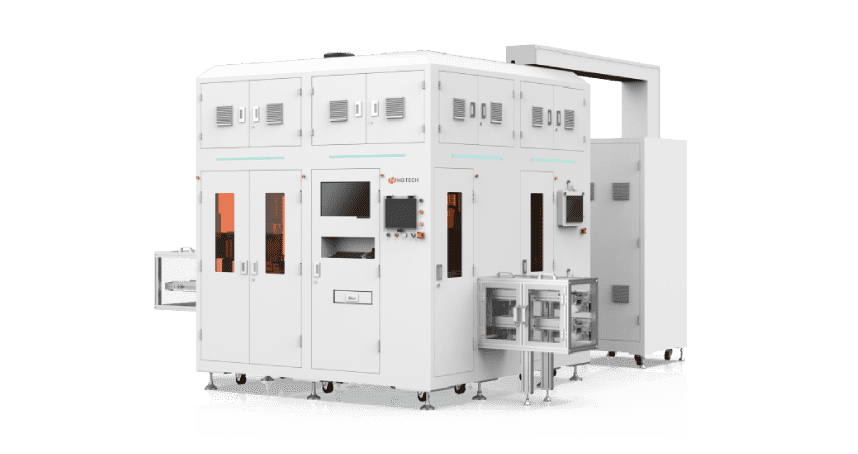
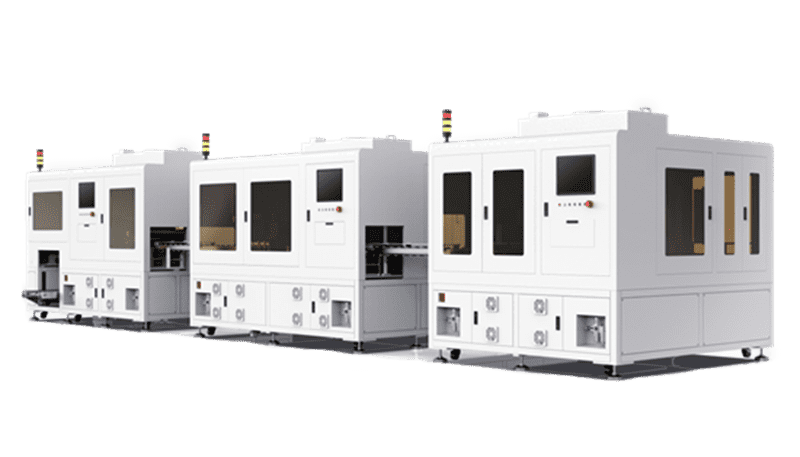
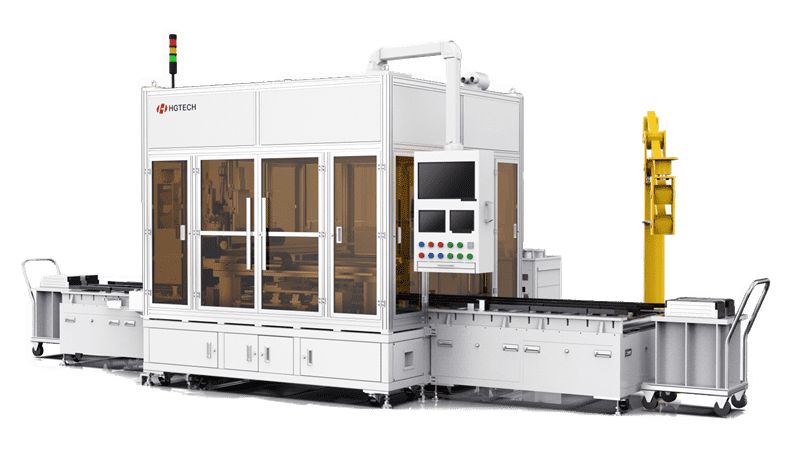
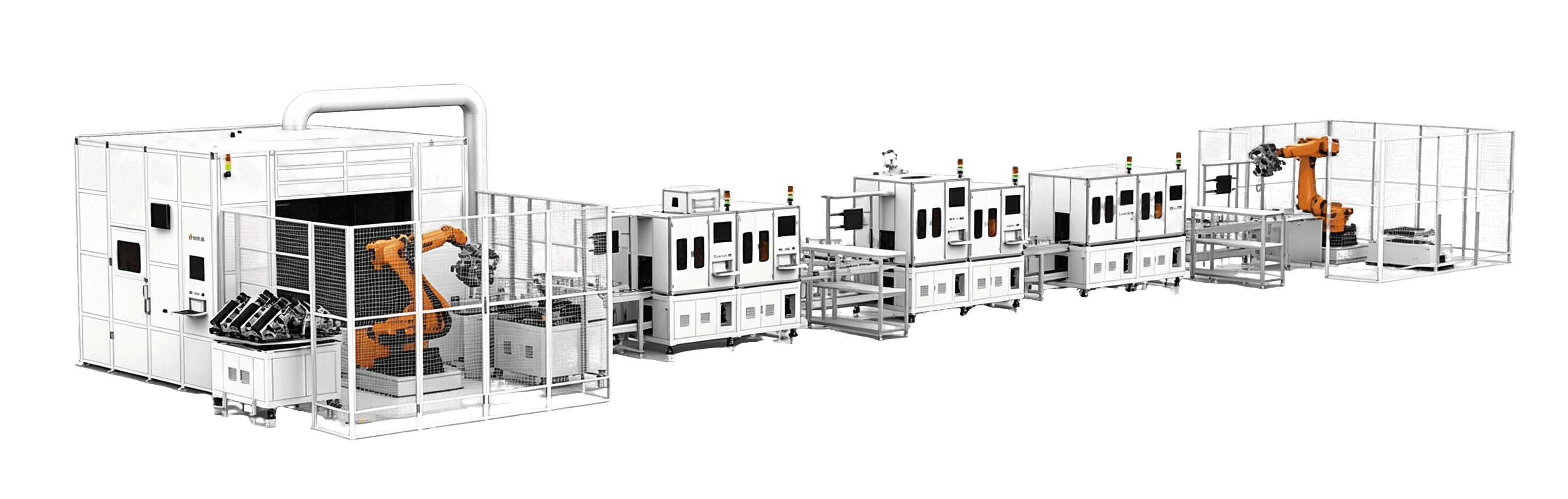
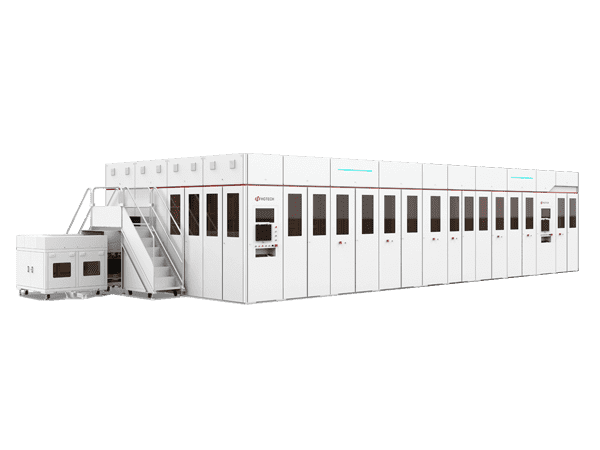
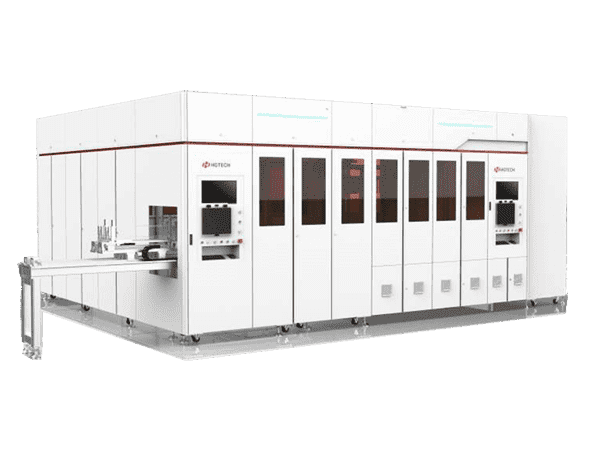
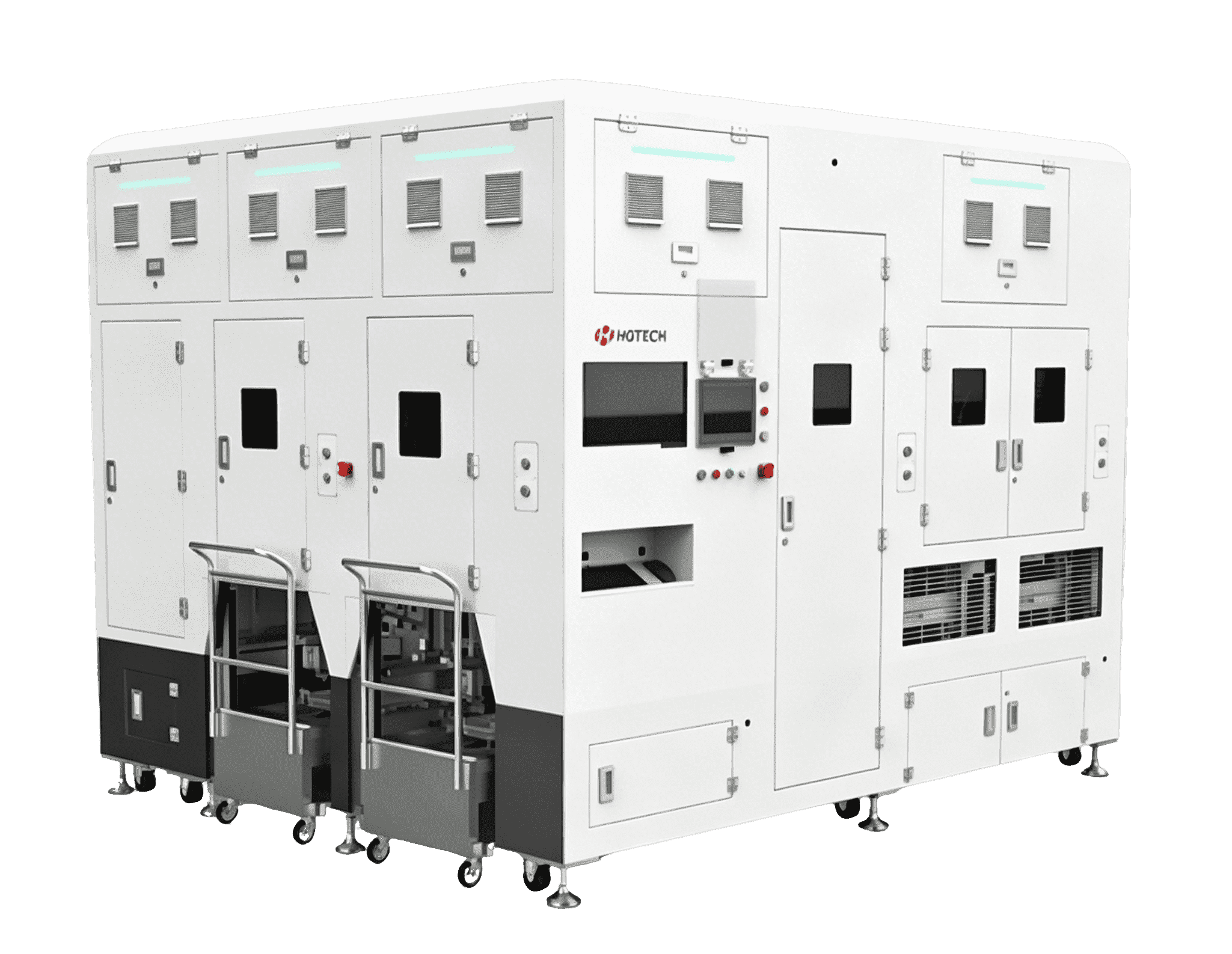
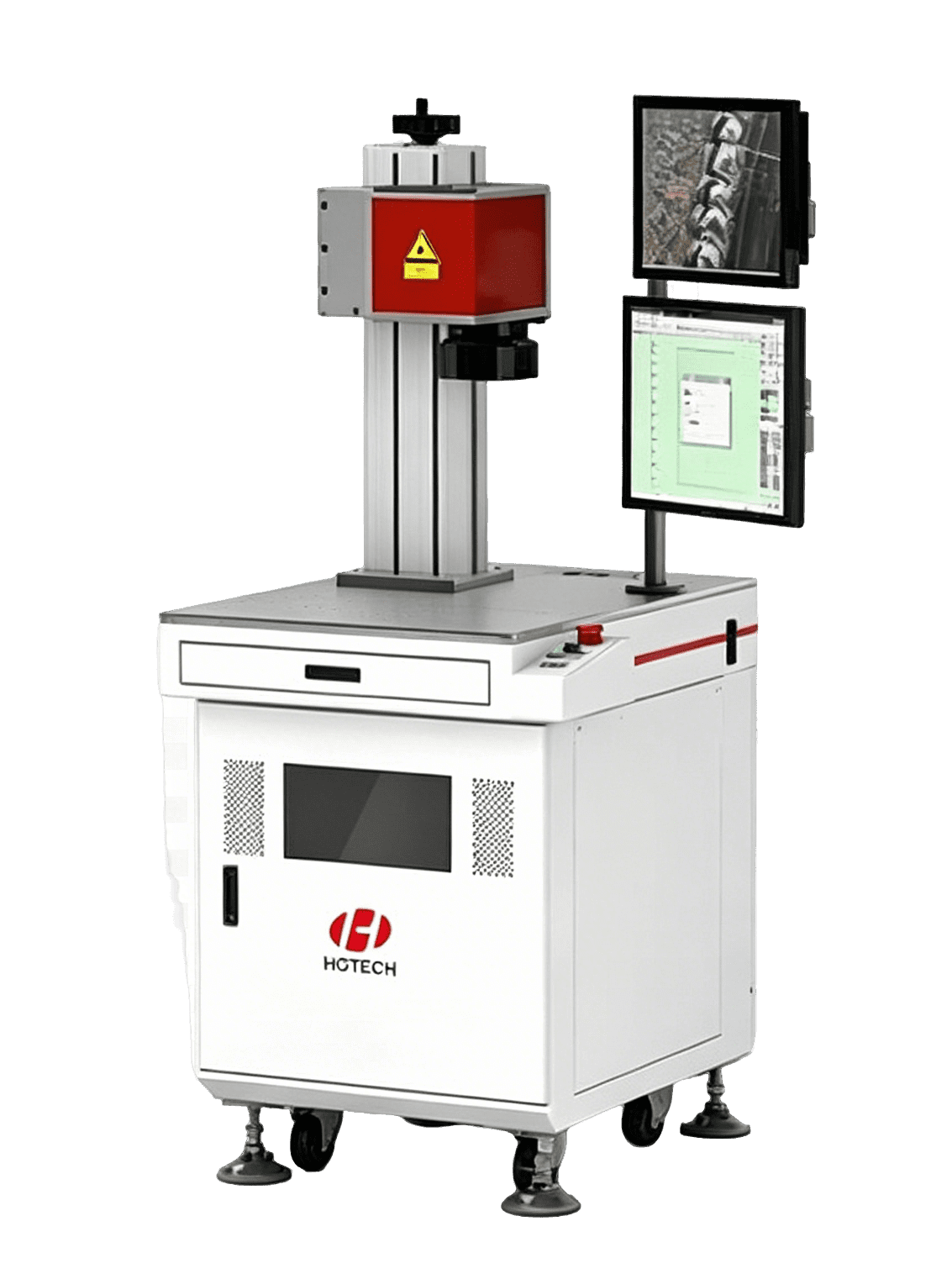
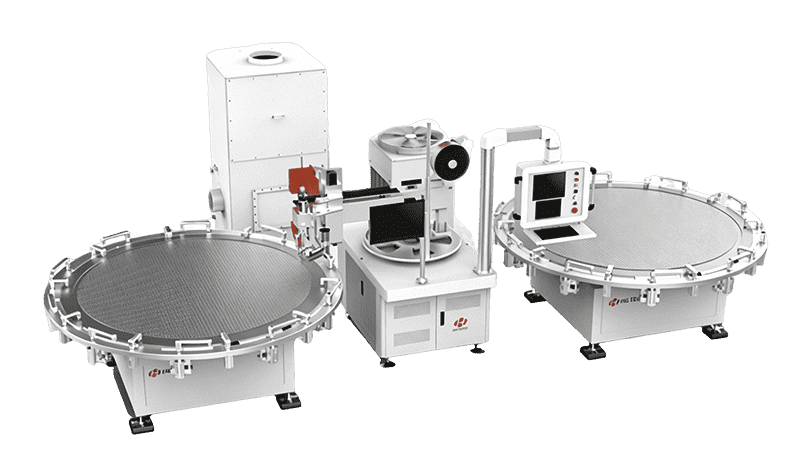
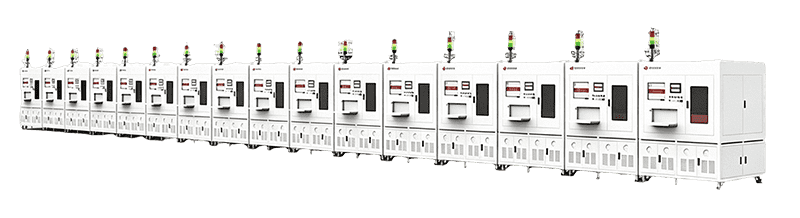
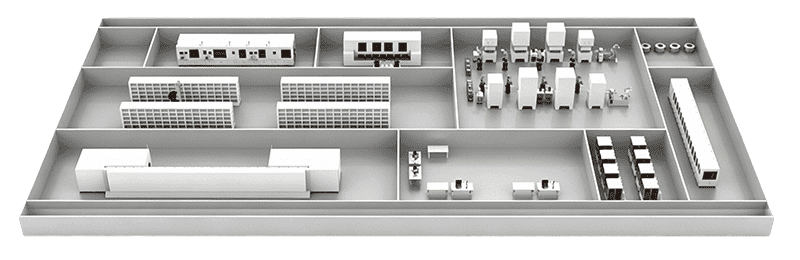
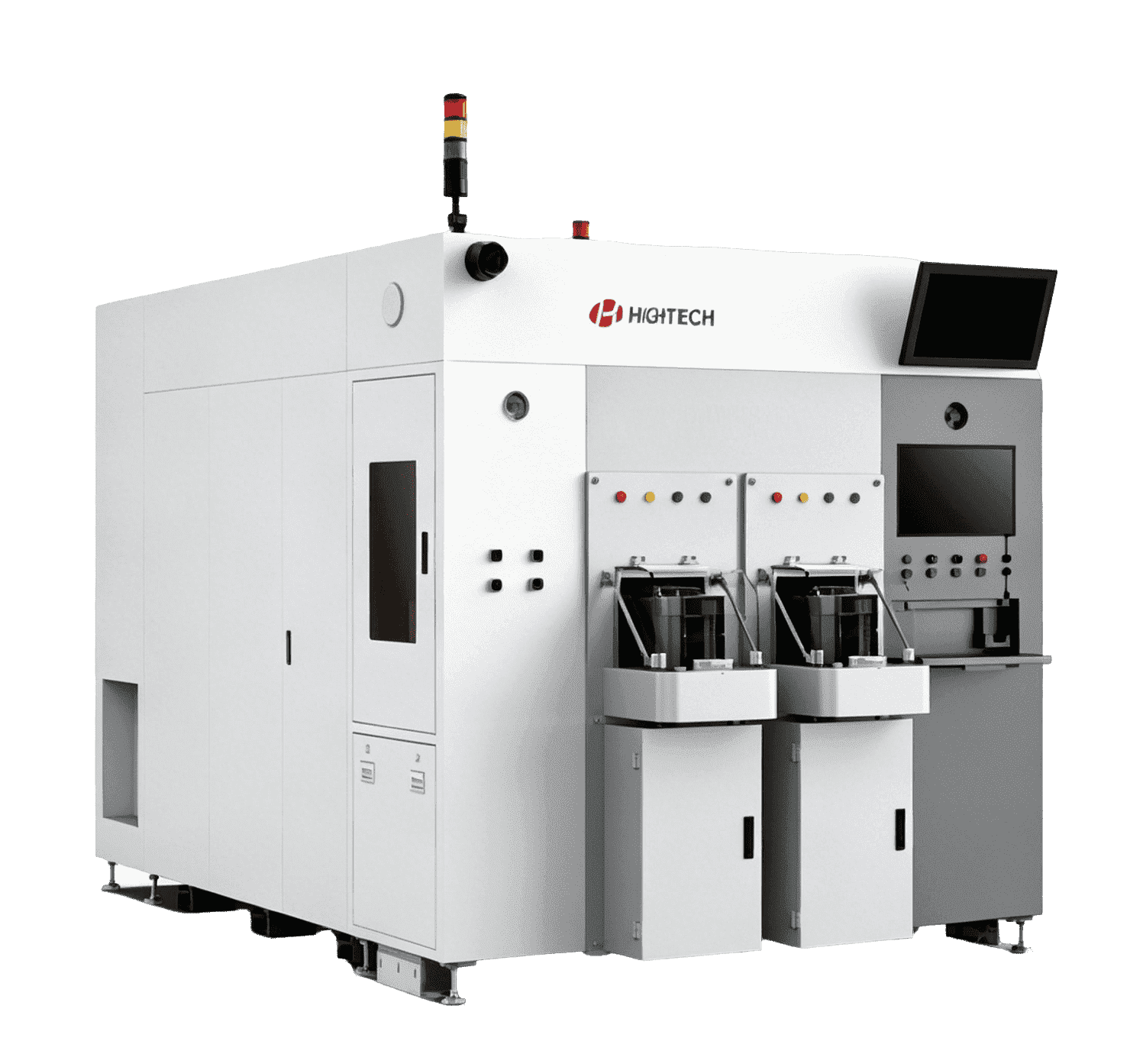
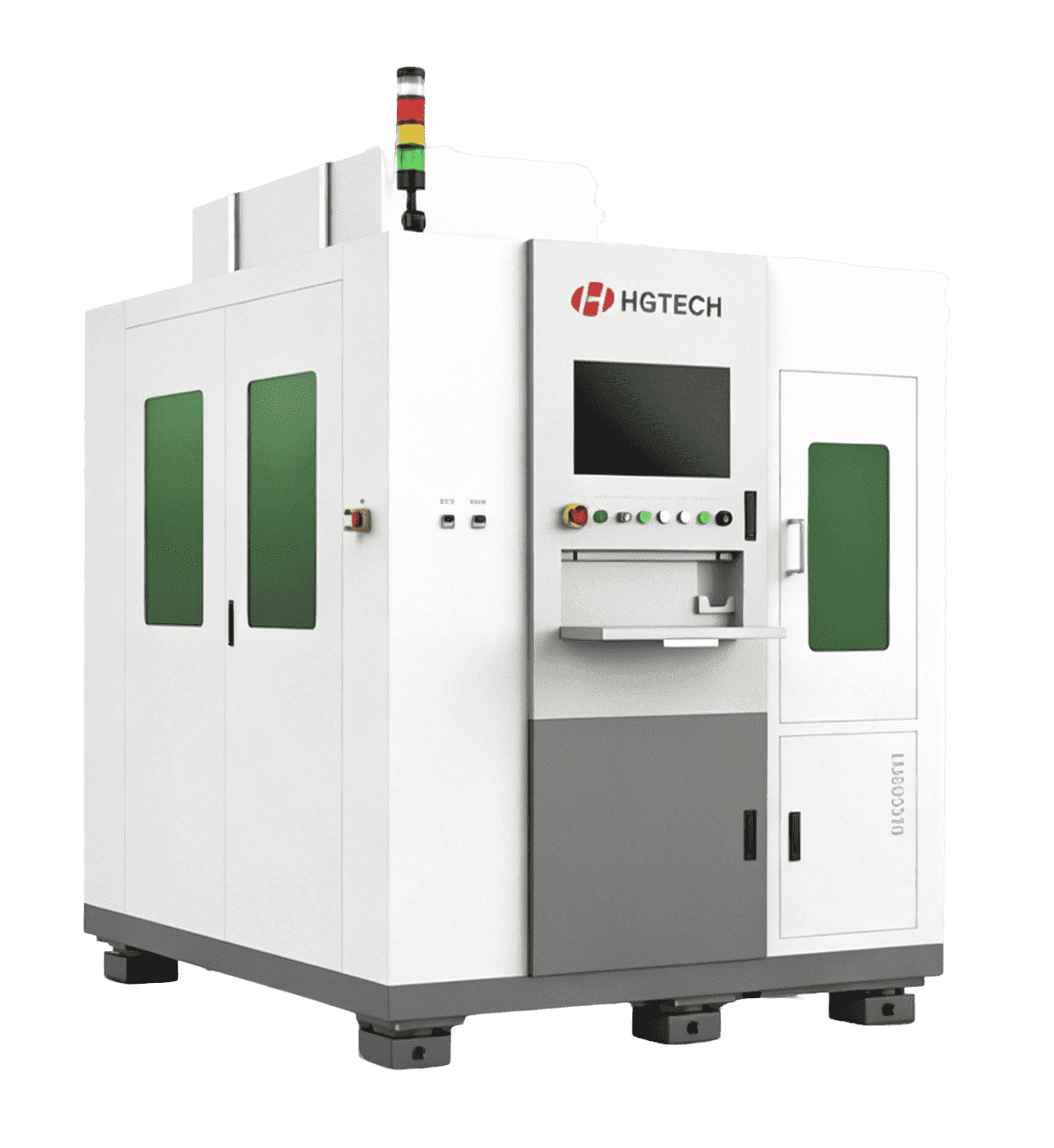
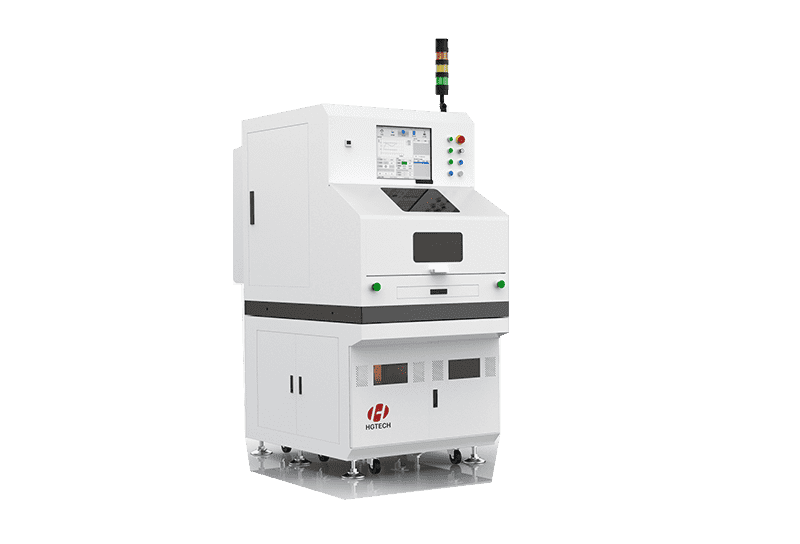
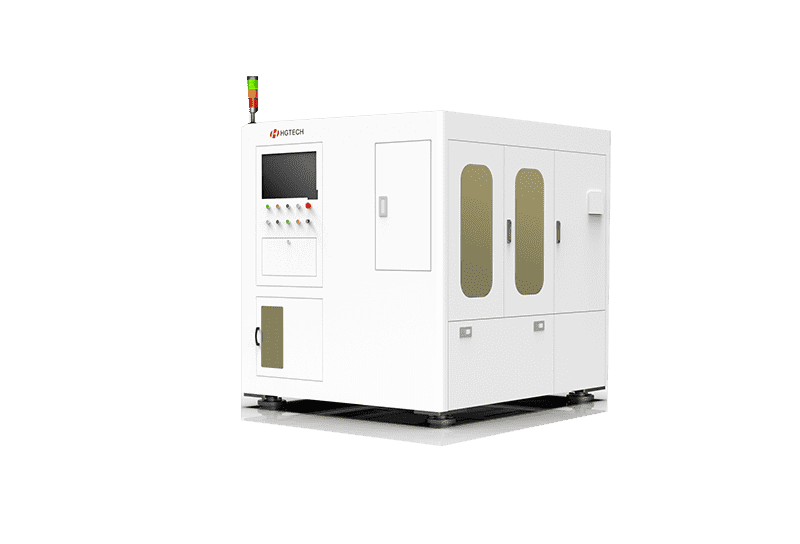
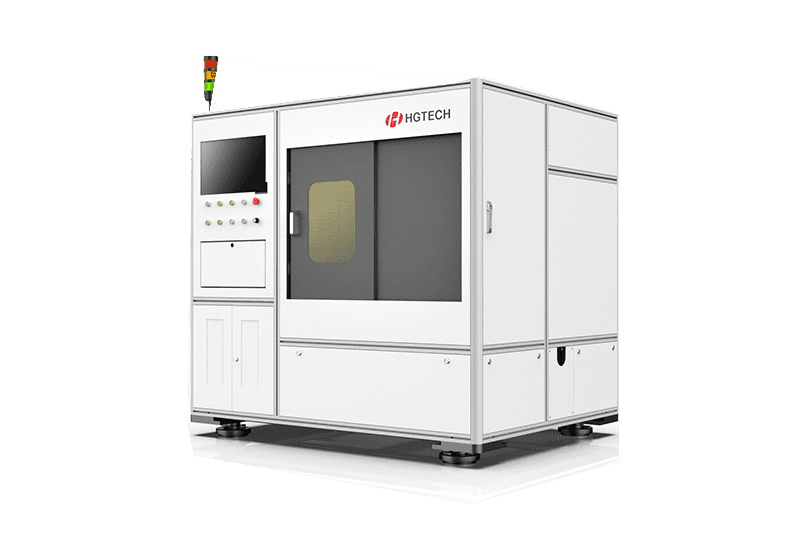
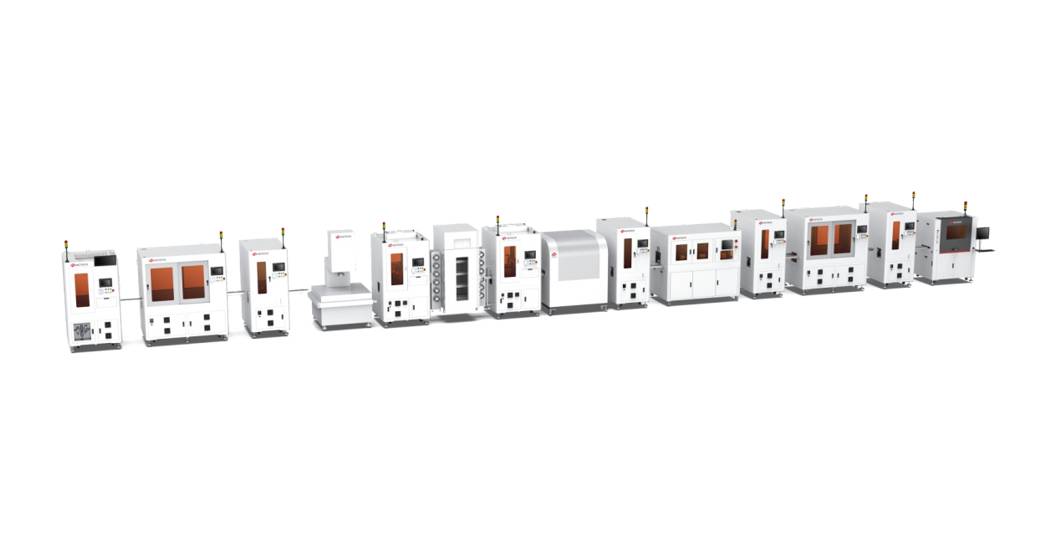
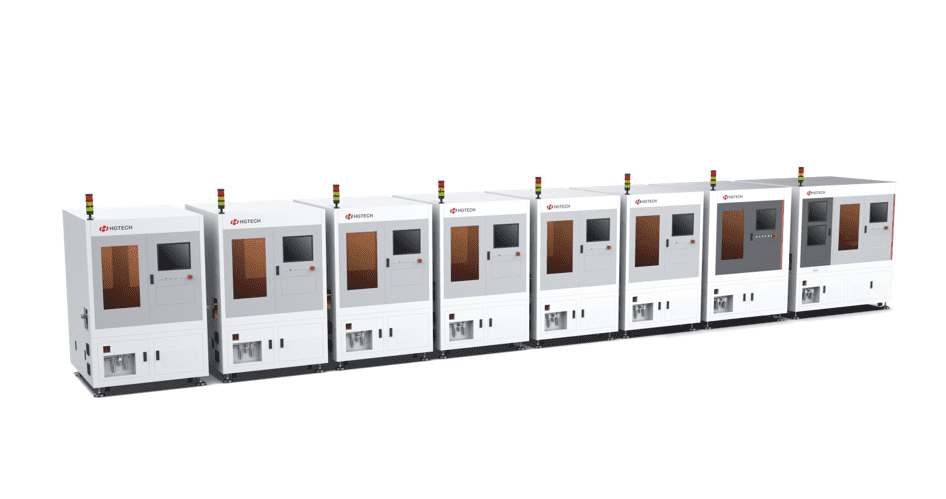
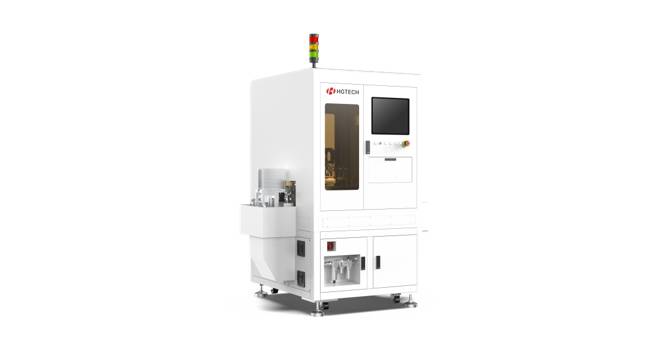
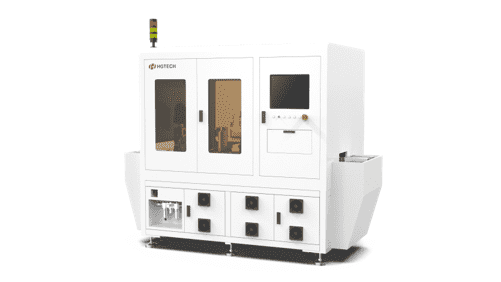
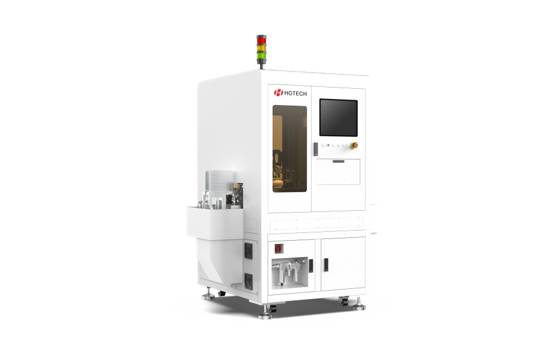
HGTECH provides integrated testing solutions for cells, modules and battery packs. Cell testing covers capacity, rate performance, internal resistance and cycle aging. Module testing focuses on cell consistency, insulation, pressure resistance, temperature rise and assembly reliability. PACK testing includes electrical performance, BMS communication, air tightness, thermal management and temperature adaptability. Highly automated and traceable, the full-range solutions meet R&D verification and mass production quality control needs for new energy batteries.
In the modern landscape of energy storage, the value of testing lies in the data it generates. Professional Battery PACK testing should yield a comprehensive digital twin of the battery's performance, allowing for predictive modeling of state-of-health (SoH) over thousands of cycles. This data-centric methodology is essential for meeting international safety standards such as UN38.3, IEC 62619, and UL 2580, which are mandatory for global market access. By integrating automated test sequences that mimic specific regulatory protocols, manufacturers can streamline the certification process and reduce time-to-market. Ultimately, the goal of high-depth testing is to transform raw data into actionable intelligence, ensuring that every battery system delivered is a masterpiece of safety, efficiency, and reliability.
 share
share