Automobile Industry
Automotive Laser Manufacturing



 April 23, 2026
 150 Viewed
As the automotive industry pivots toward more stringent safety ratings and aggressive lightweighting goals, the integrated laser-welded door ring has emerged as a critical structural innovation. Moving away from traditional spot-welding and multi-part assemblies, leading OEMs are now adopting laser-welded blanks (LWB) to create a seamless, high-strength safety cage.
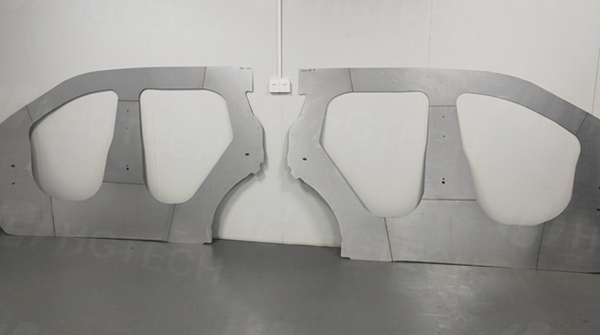
Traditionally, an A-pillar, B-pillar, roof rail, and sill were separate components reinforced with heavy gussets. Today, the laser-welded hot-stamped door ring integrates these parts into a single, continuous component. By utilizing fiber laser welding technology, manufacturers can join dissimilar thicknesses and grades of ultra-high-strength steel (UHSS), such as Usibor® 1500 and 2000, before the hot-stamping process.
Laser welding allows for the precise joining of materials with different mechanical properties. For instance, the B-pillar section can be engineered for maximum tensile strength to prevent intrusion during a side impact, while the crumple zones utilize more ductile steel to absorb energy. This "tailored" approach reduces vehicle weight by 15-20% compared to traditional cold-stamped assemblies.
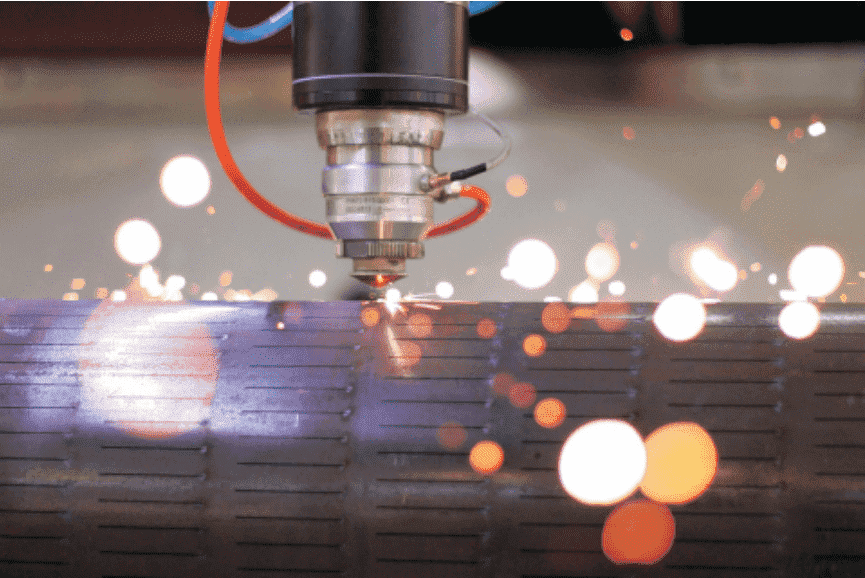
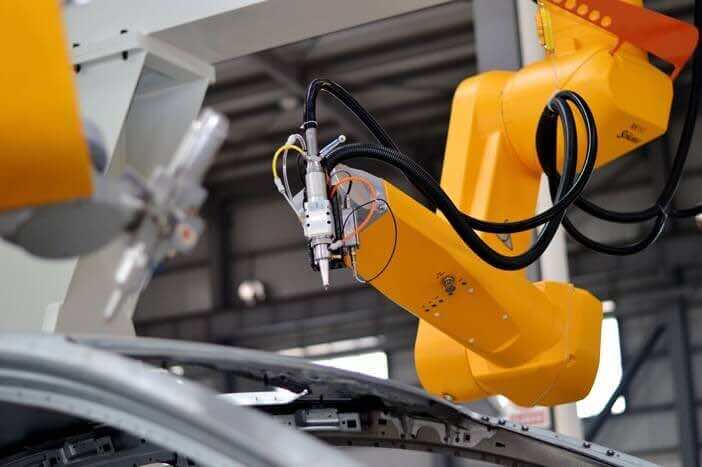
Using high-power fiber lasers (typically 6kW to 10kW), the welding process achieves deep penetration with a minimal Heat Affected Zone (HAZ). This is crucial for maintaining the metallurgical integrity of Al-Si coated boron steels. Advanced systems now incorporate ablation technology to remove the aluminum-silicon coating at the weld seam, ensuring zero embrittlement and a high-quality joint that meets global crash-test standards.
Laser welding operates with non-contact, high-speed precision. When integrated with robotic vision systems and real-time seam tracking, the process ensures micron-level accuracy. This consistency reduces "spring-back" issues during subsequent stamping, leading to tighter body-in-white (BIW) tolerances and improved wind noise (NVH) performance.
For Tier-1 suppliers, the transition to laser-welded door rings is not merely a safety choice but an economic one.
Material Savings: Reduced overlap joints and the elimination of heavy reinforcements lower the total bill of materials.
Production Speed: Laser welding speeds often exceed 5-10 meters per minute, significantly outperforming traditional joining methods.
Sustainability: Lower vehicle mass directly translates to reduced $CO_2$ emissions and extended range for Electric Vehicles (EVs).
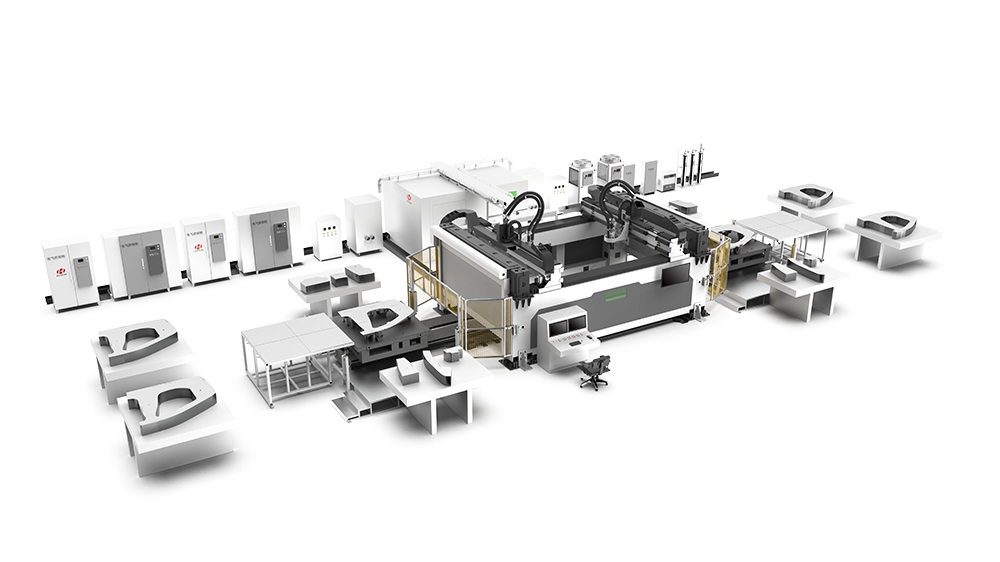
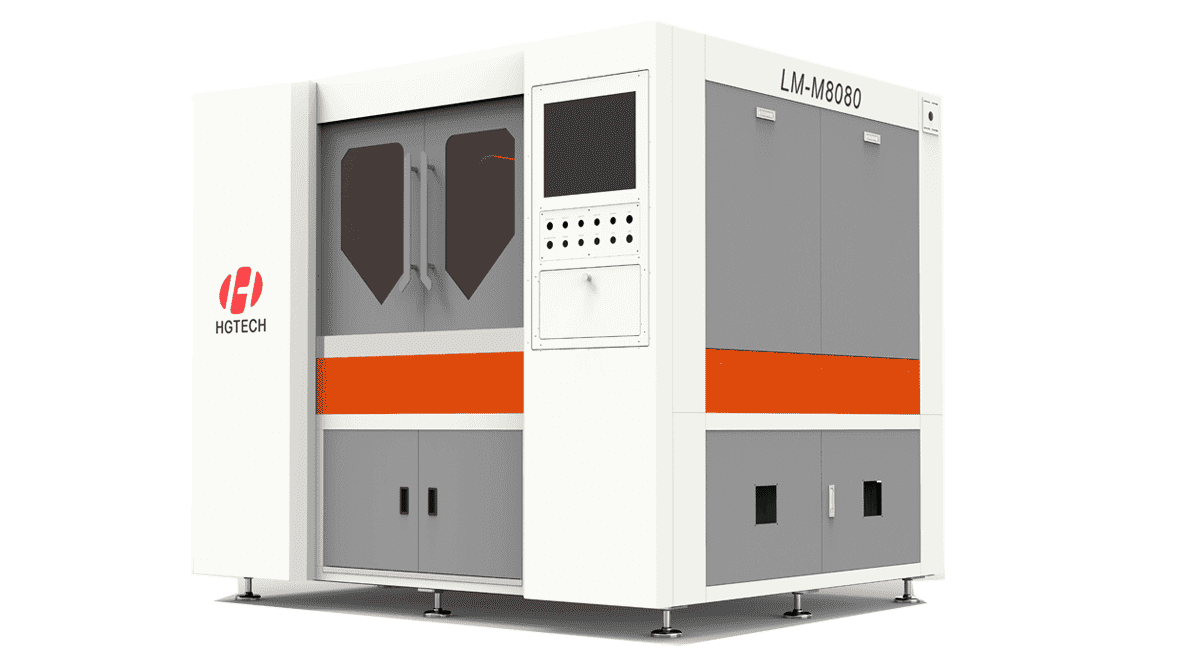
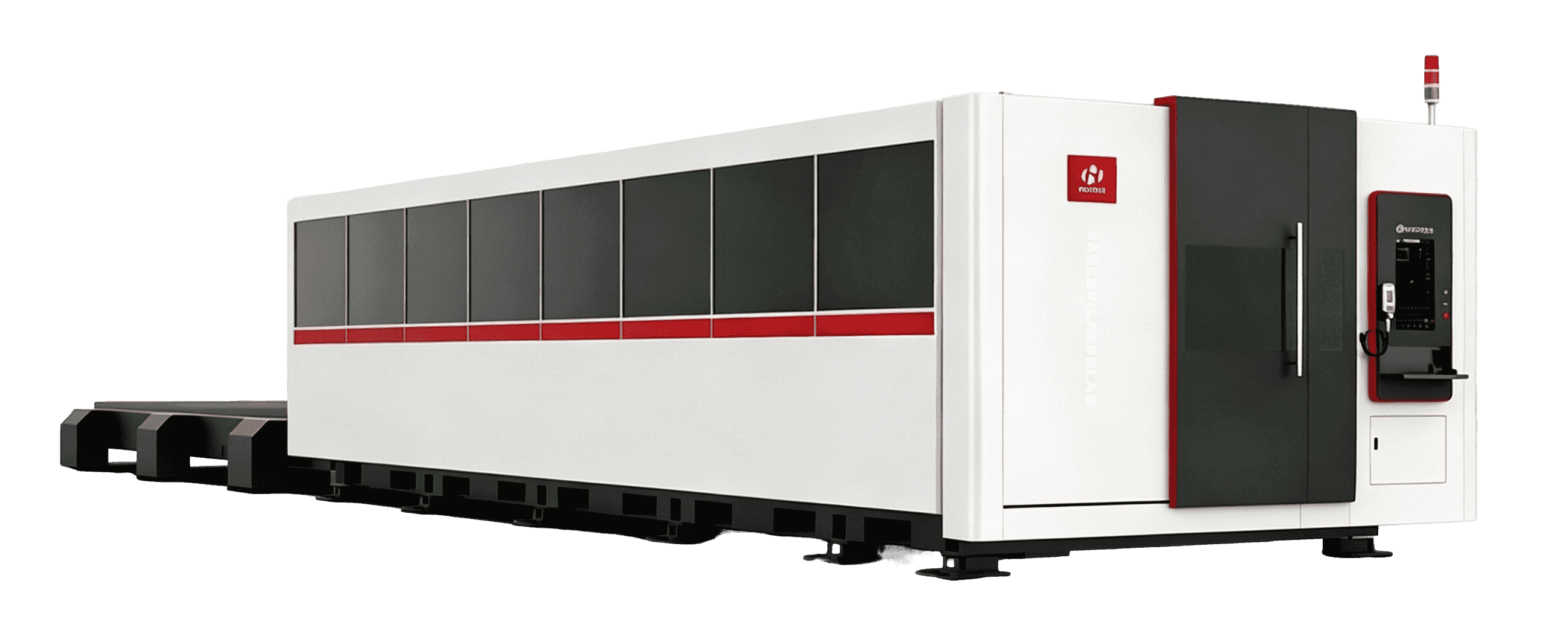
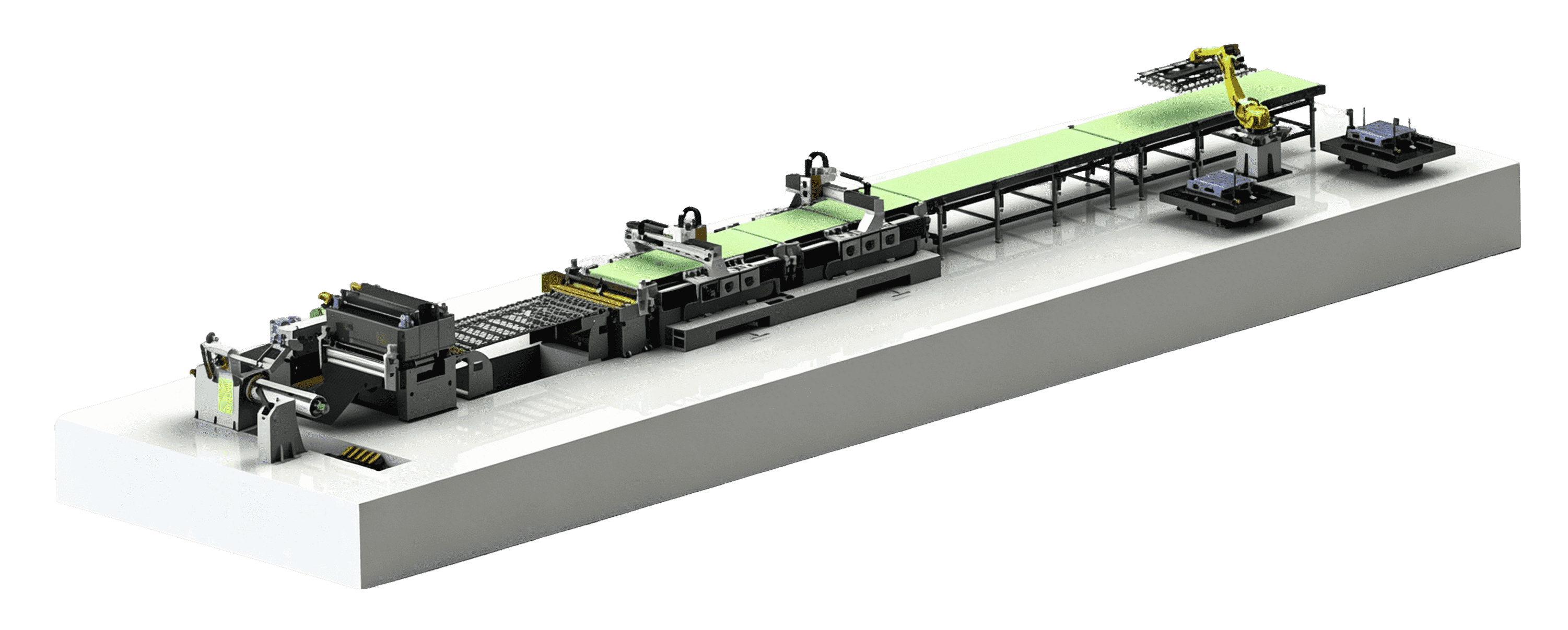
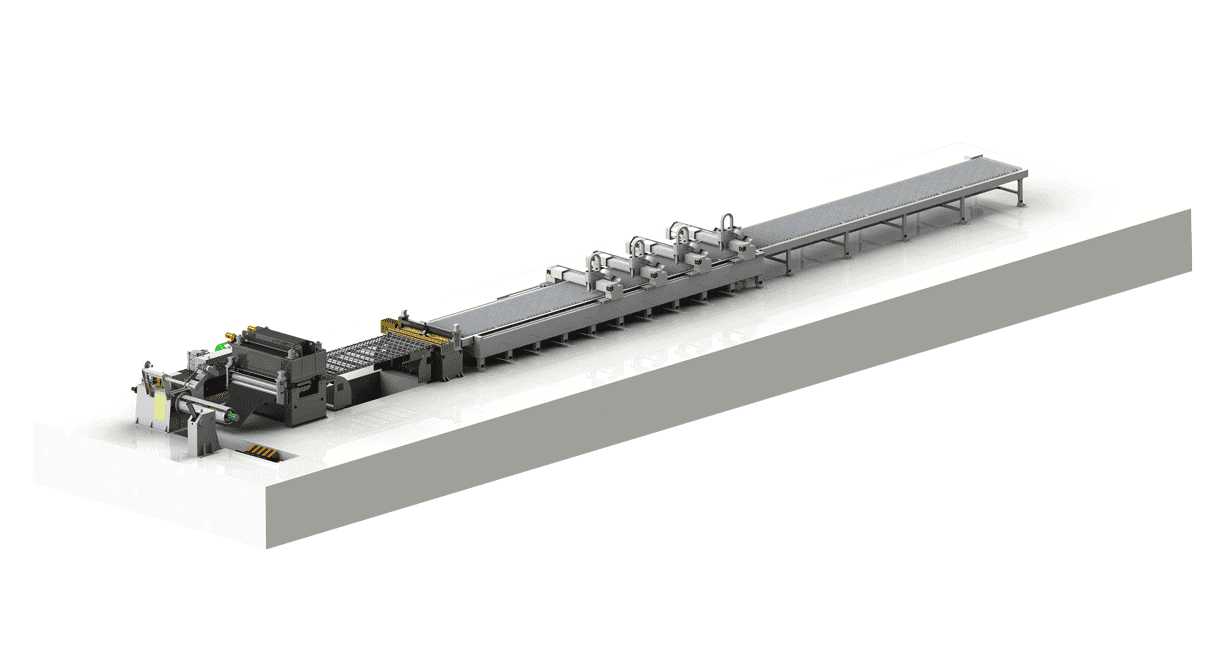
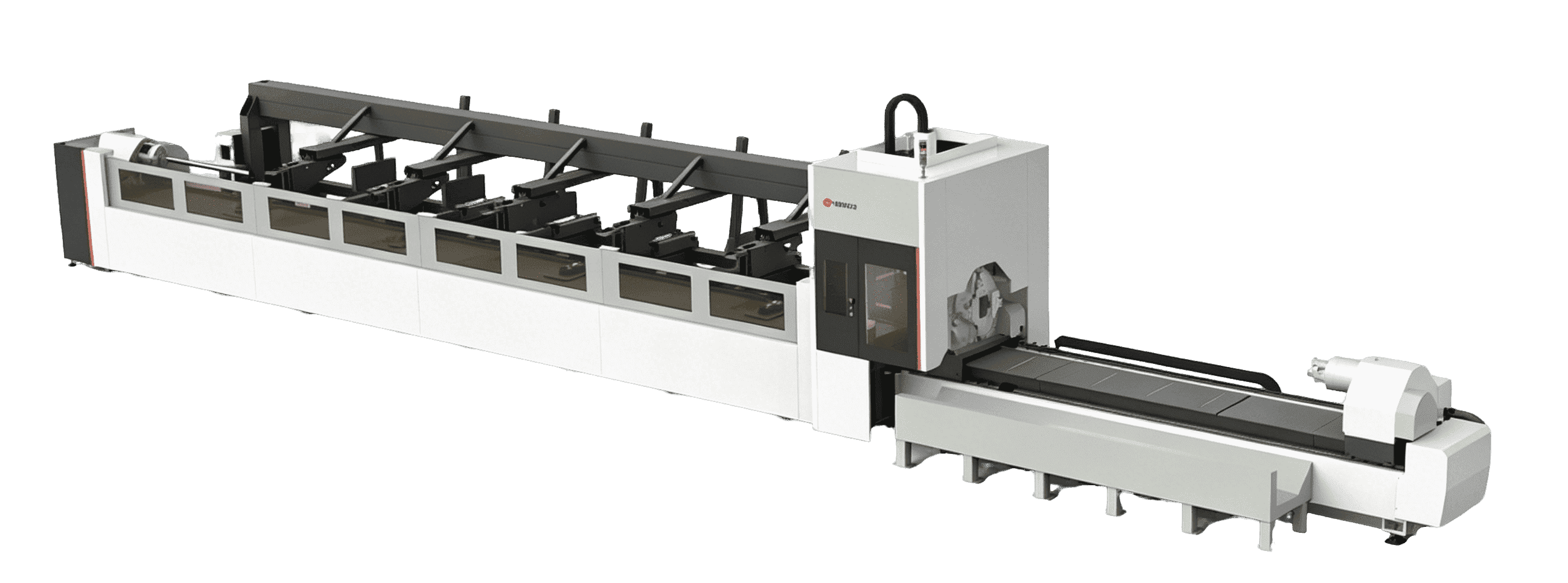
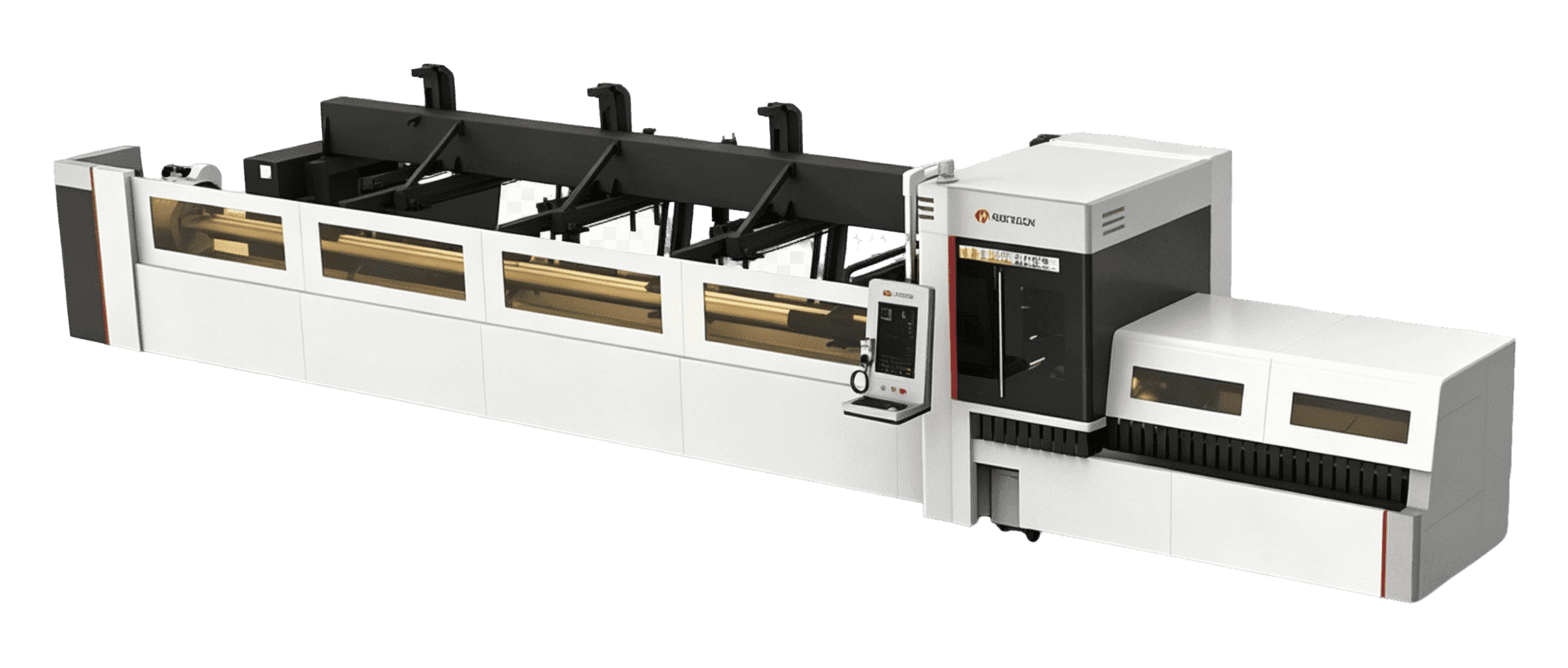
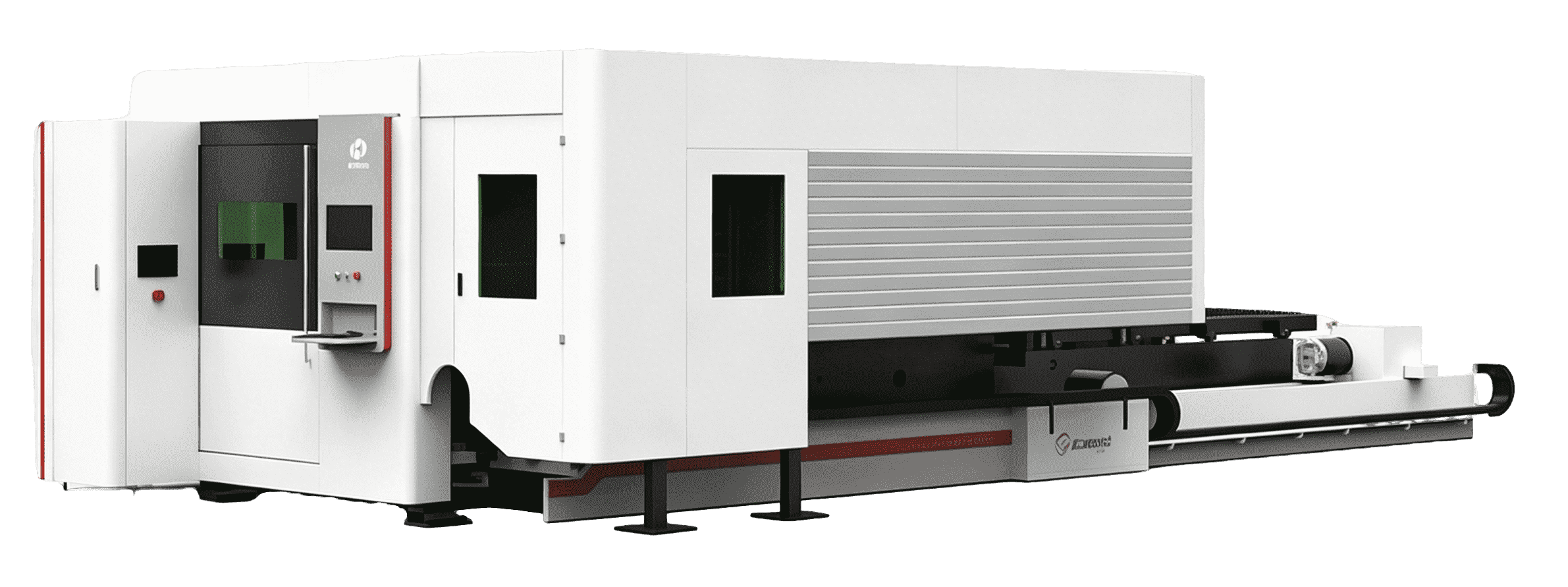
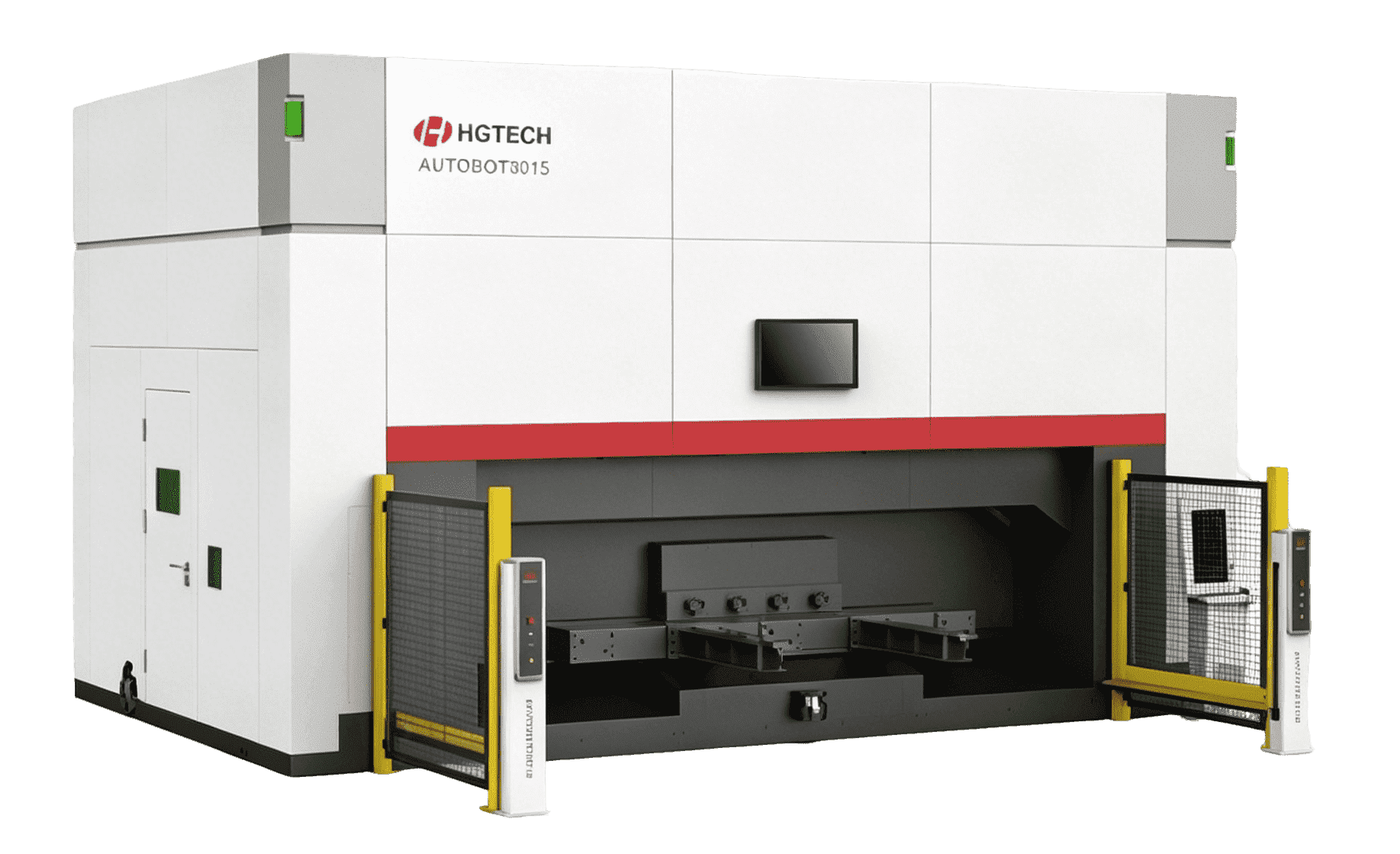
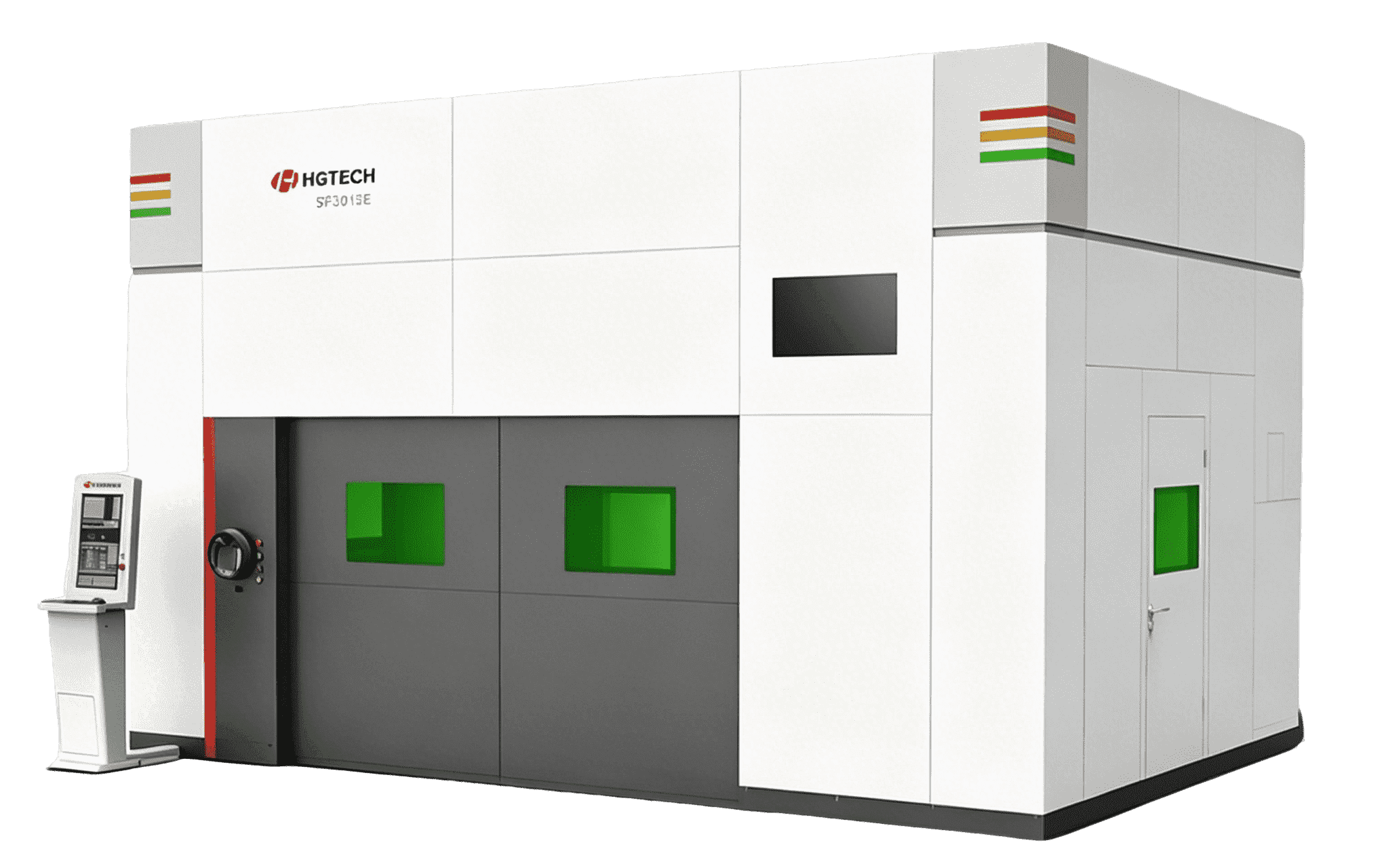
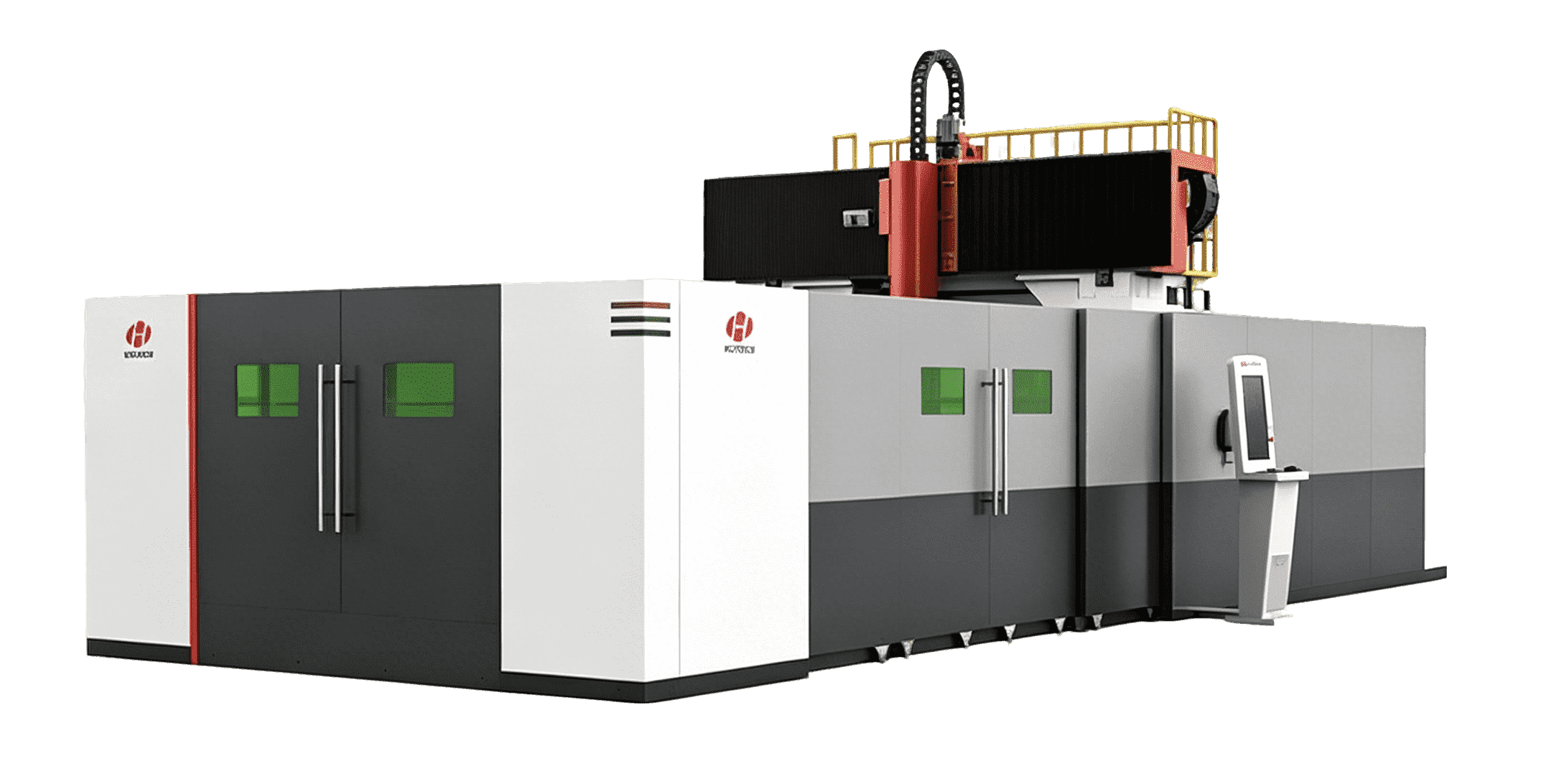
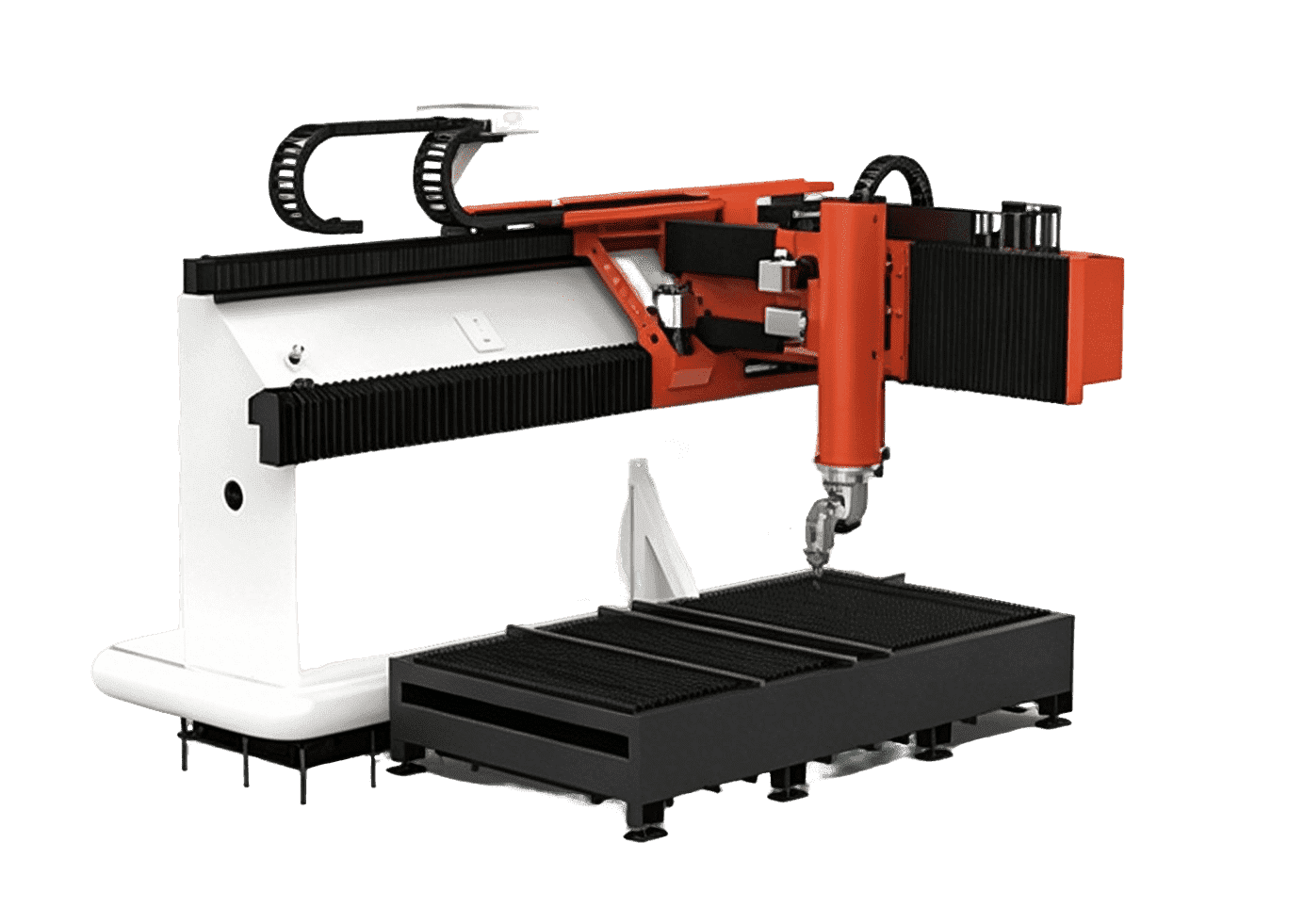
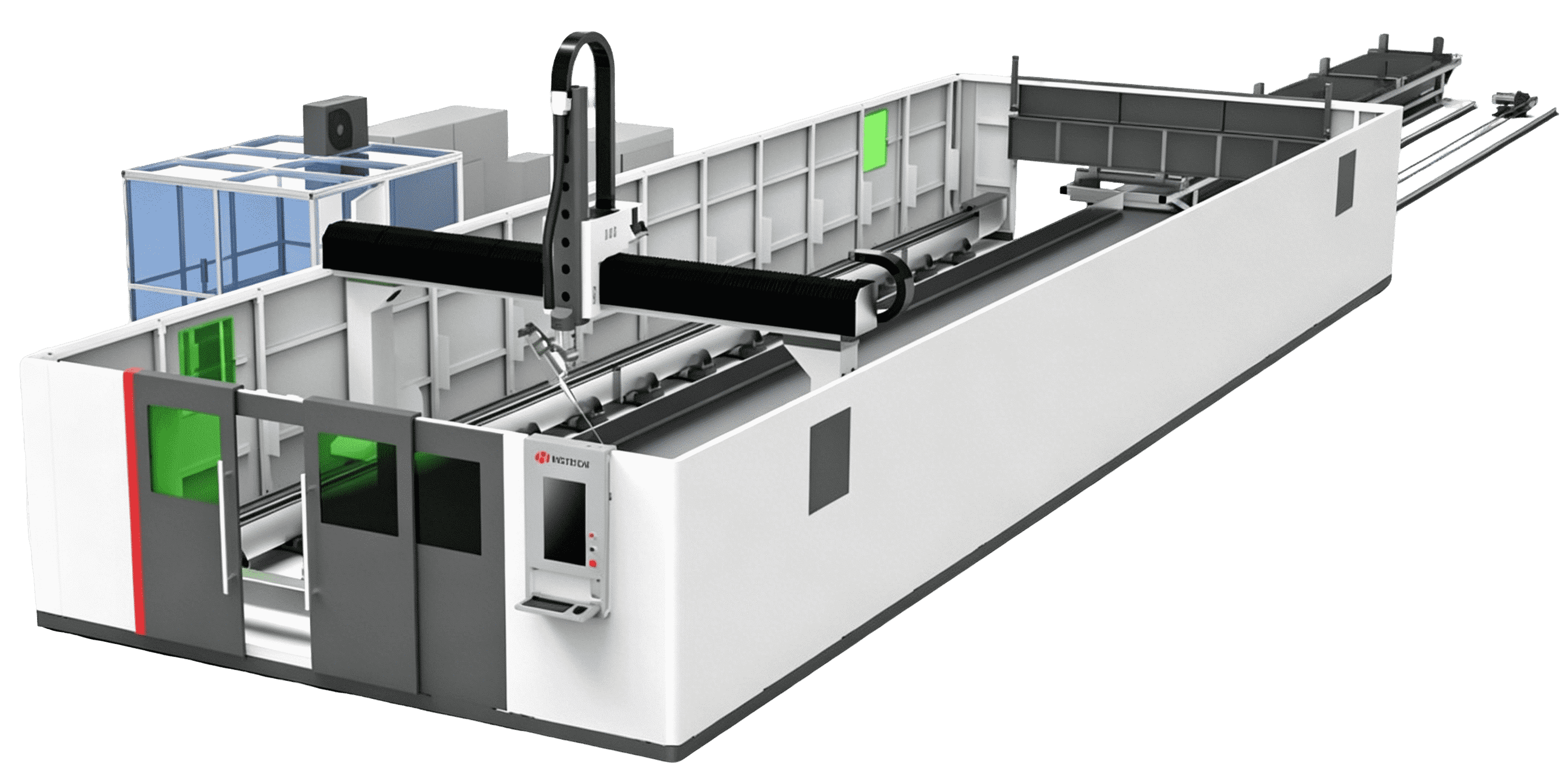
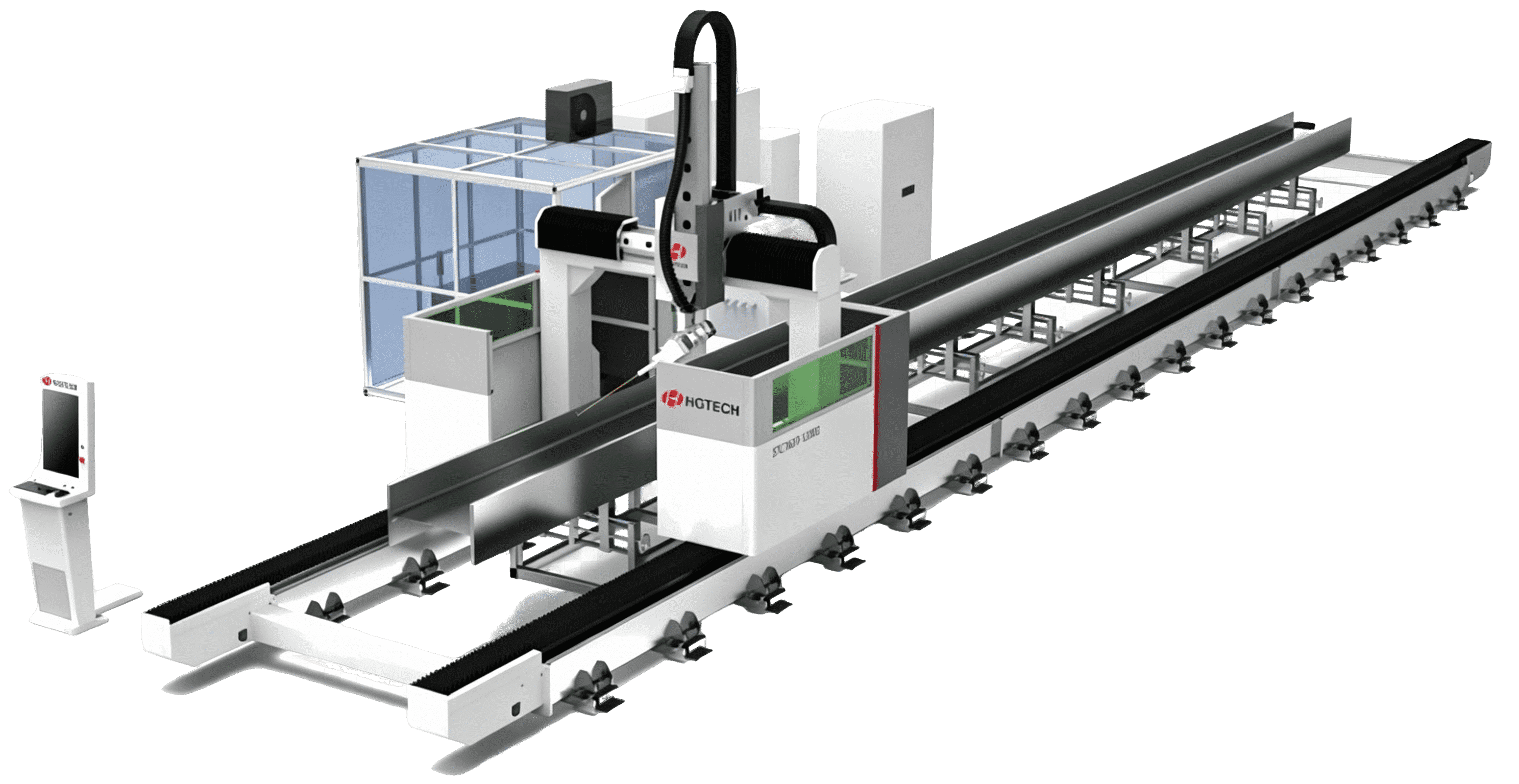
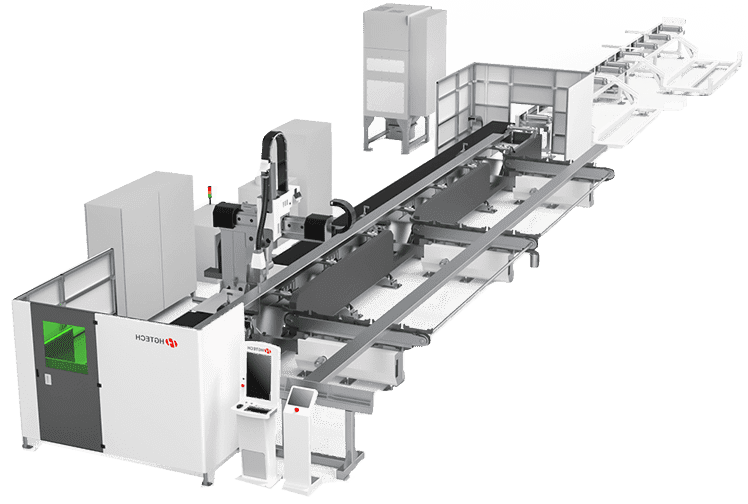
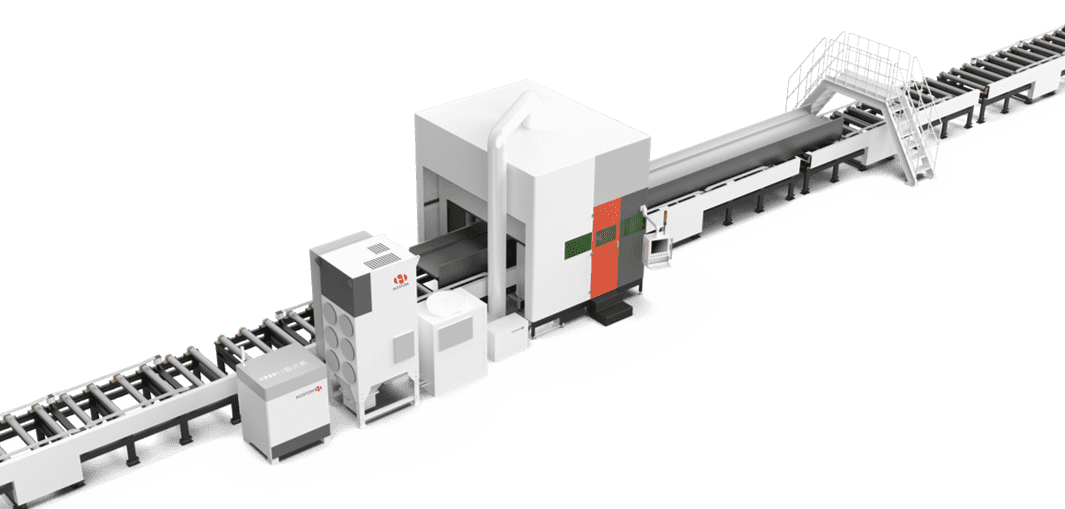
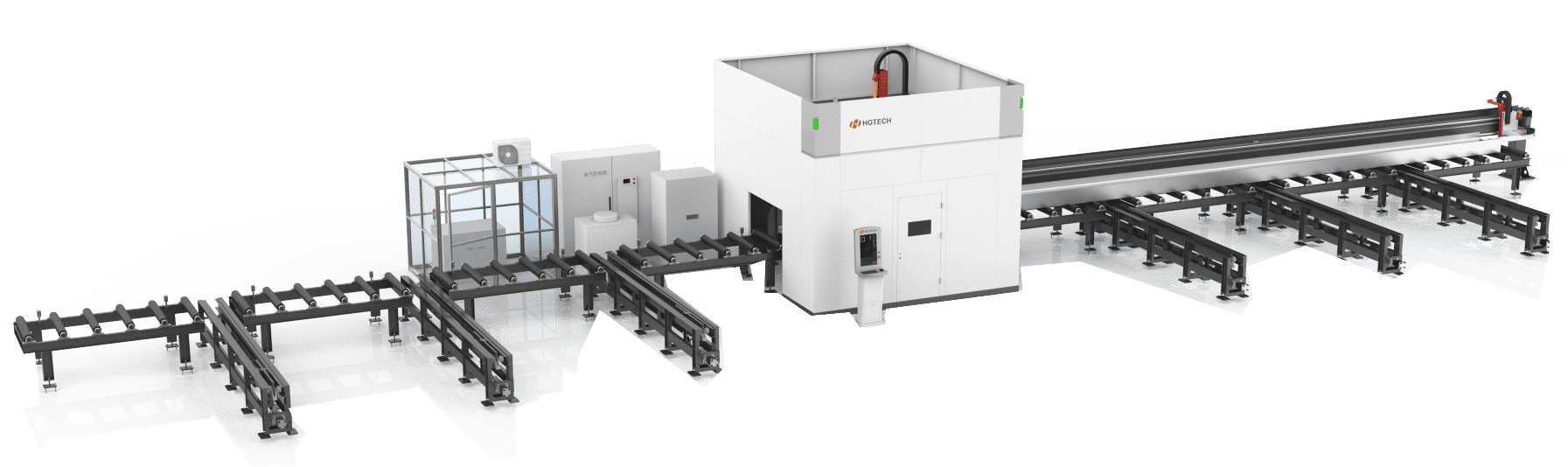
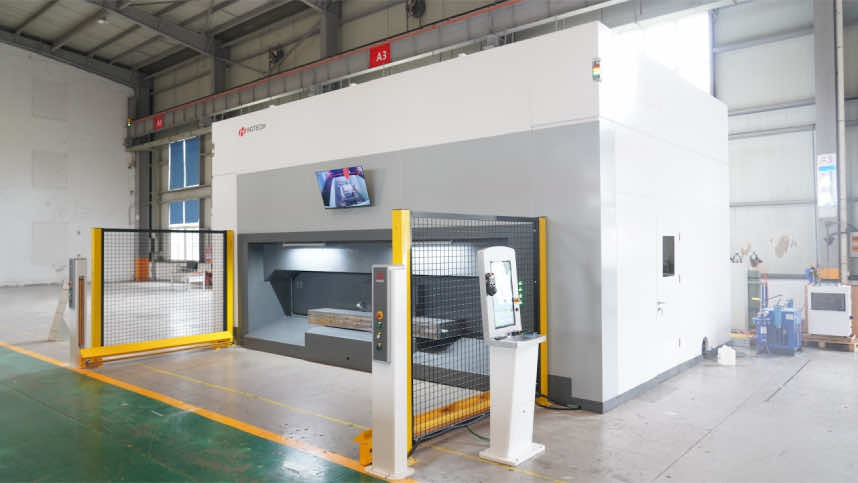
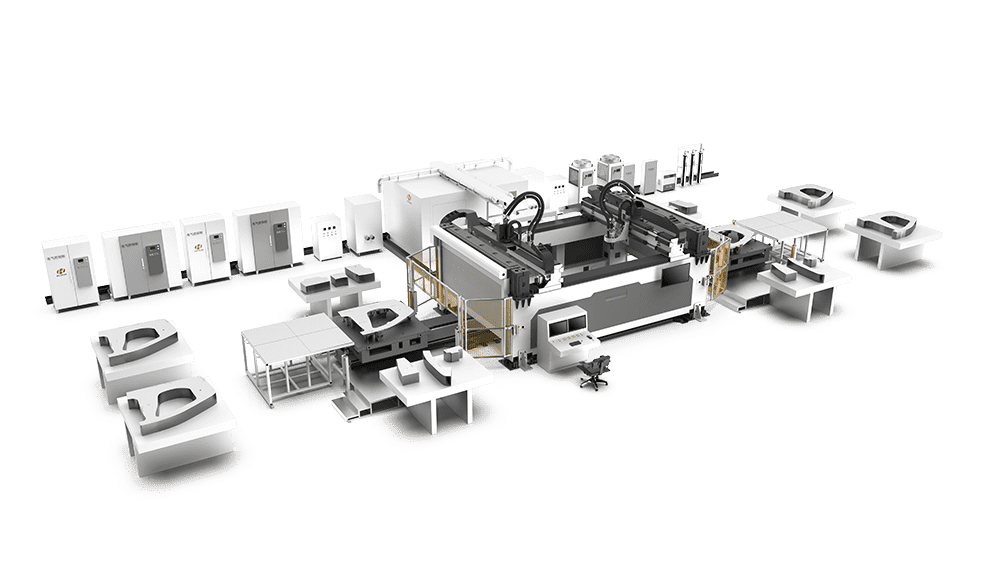
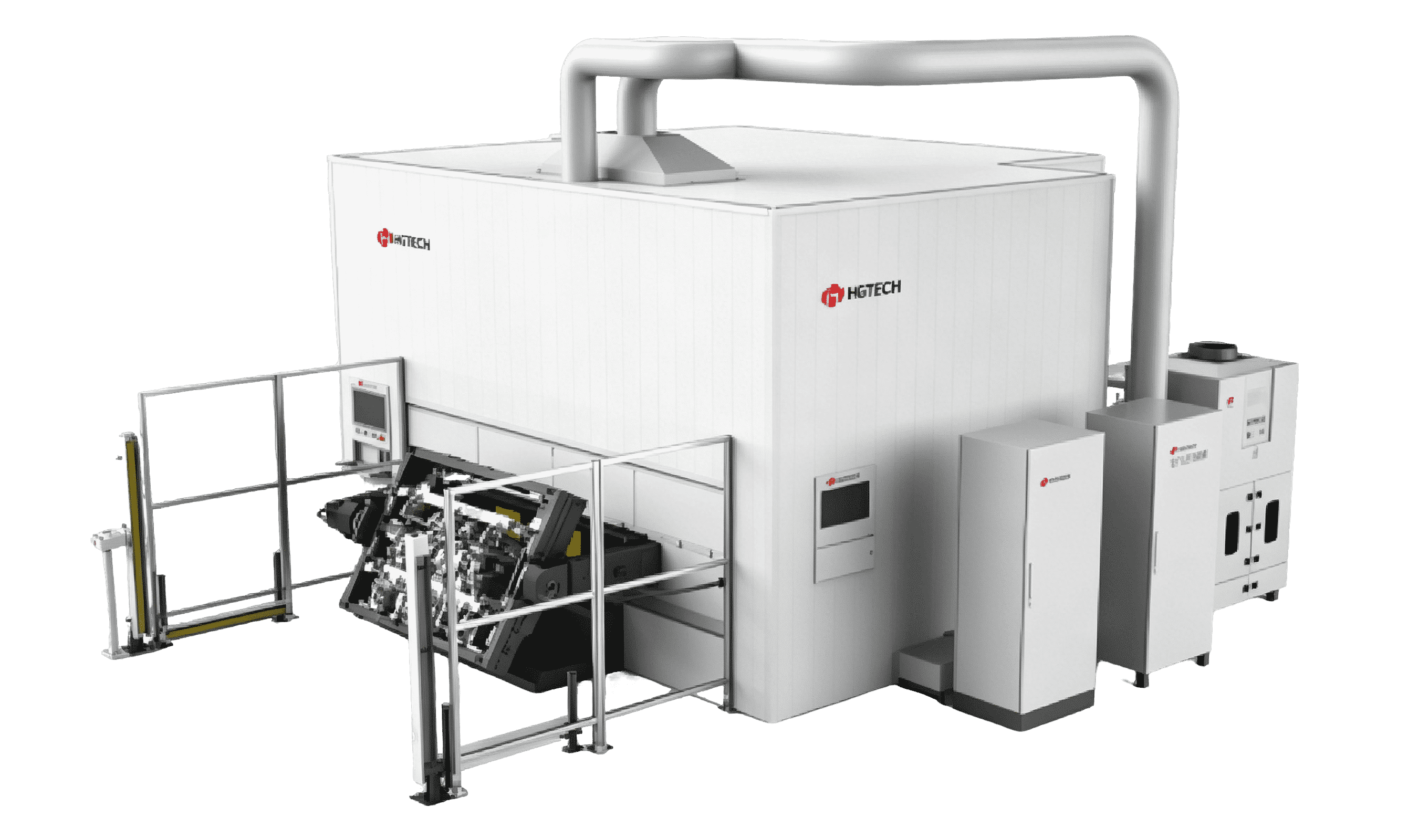
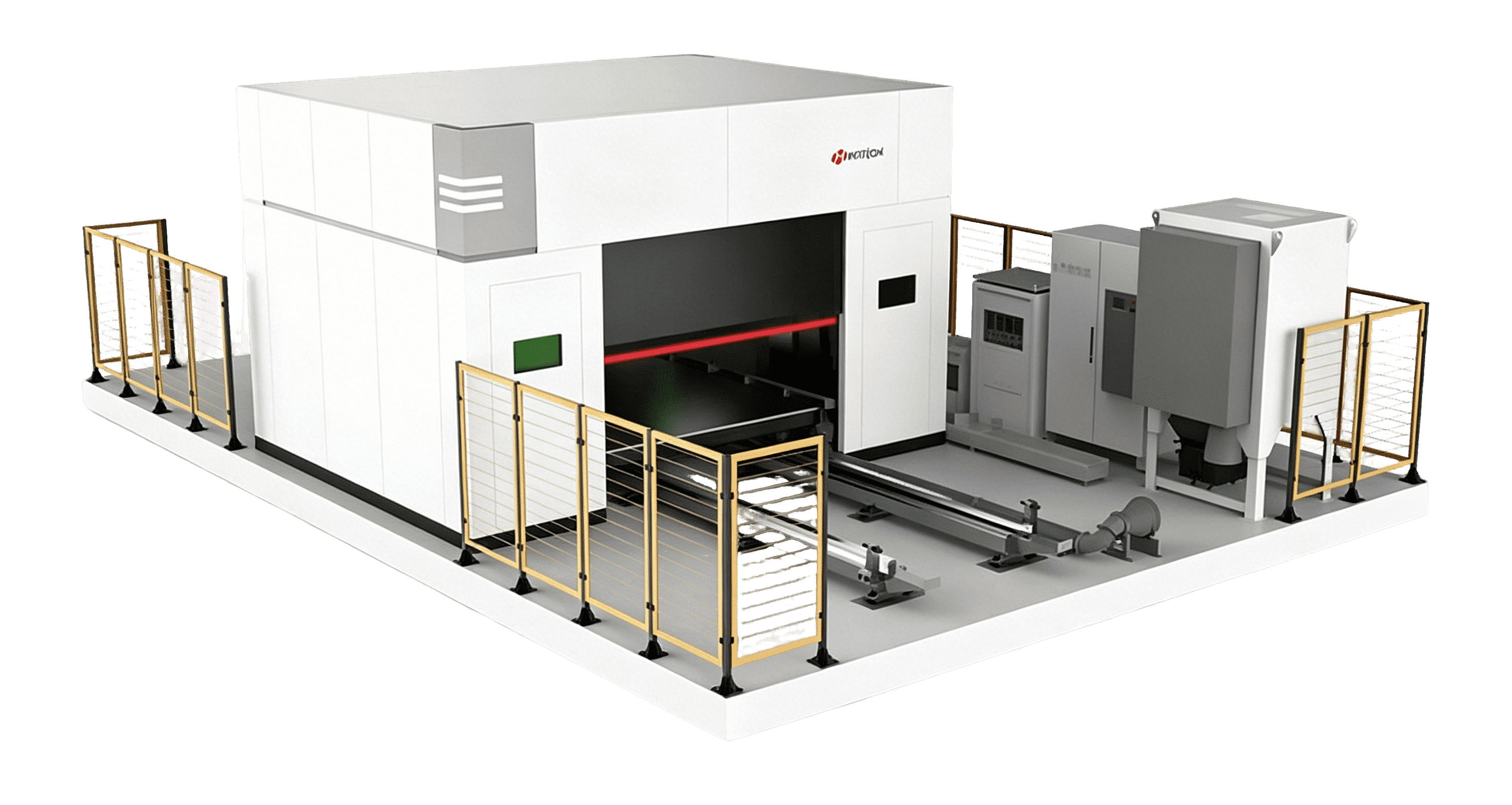
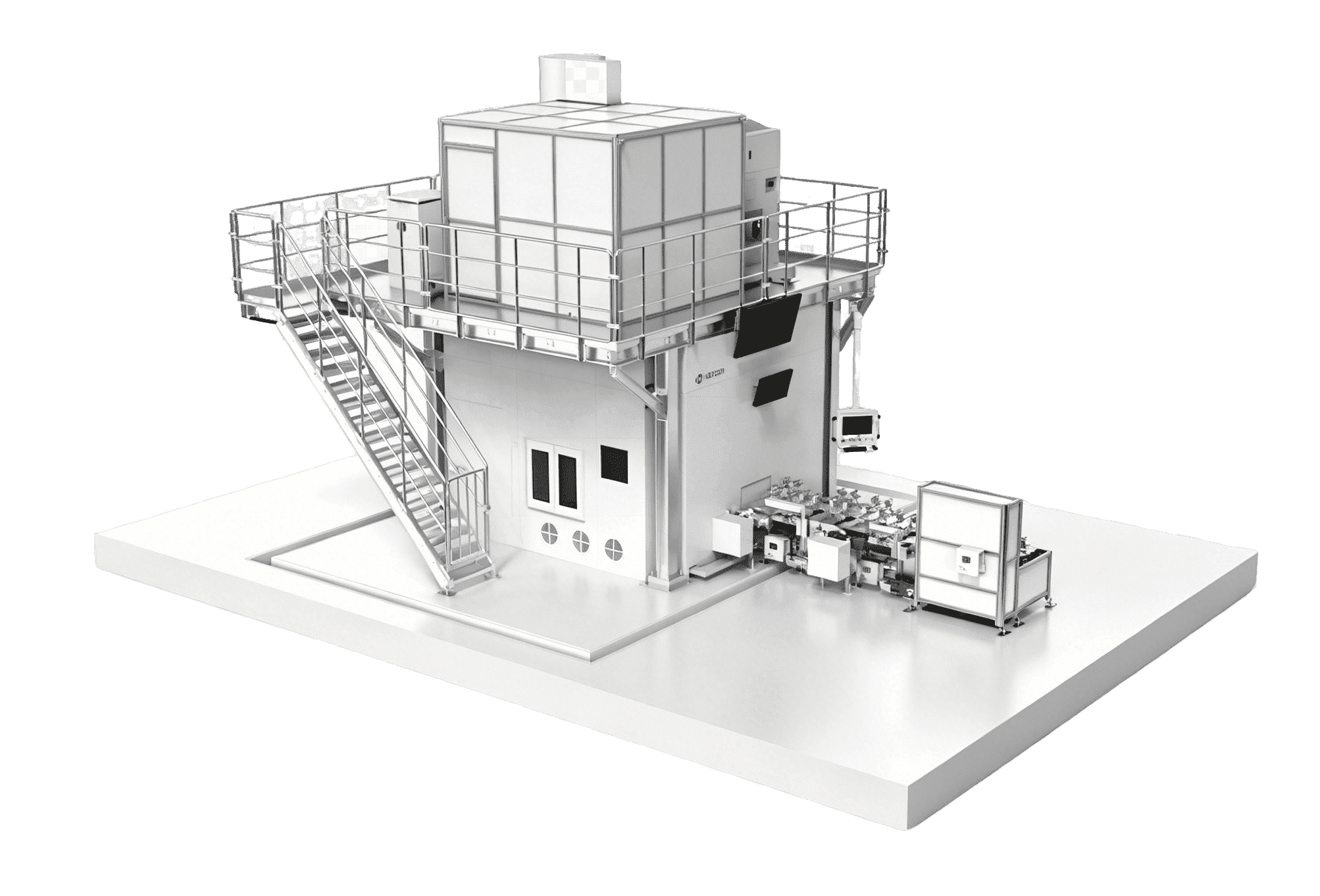
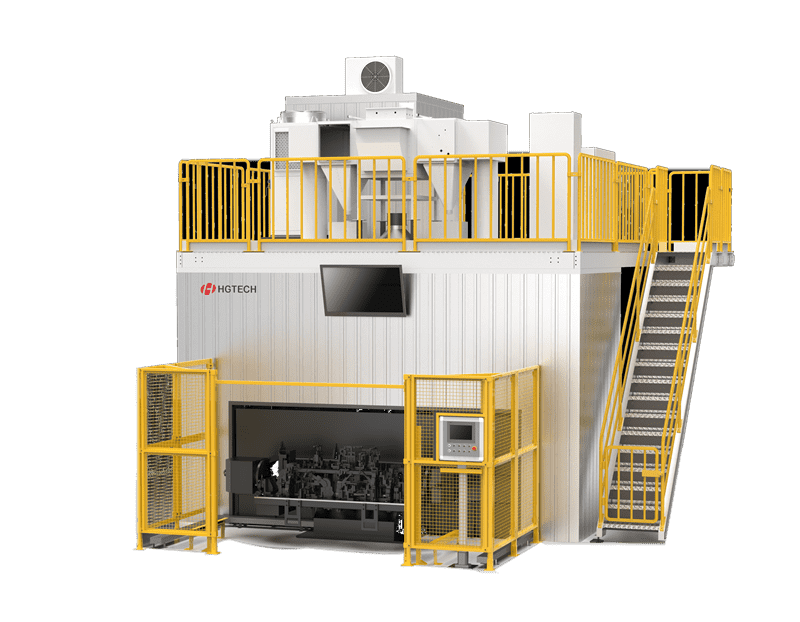
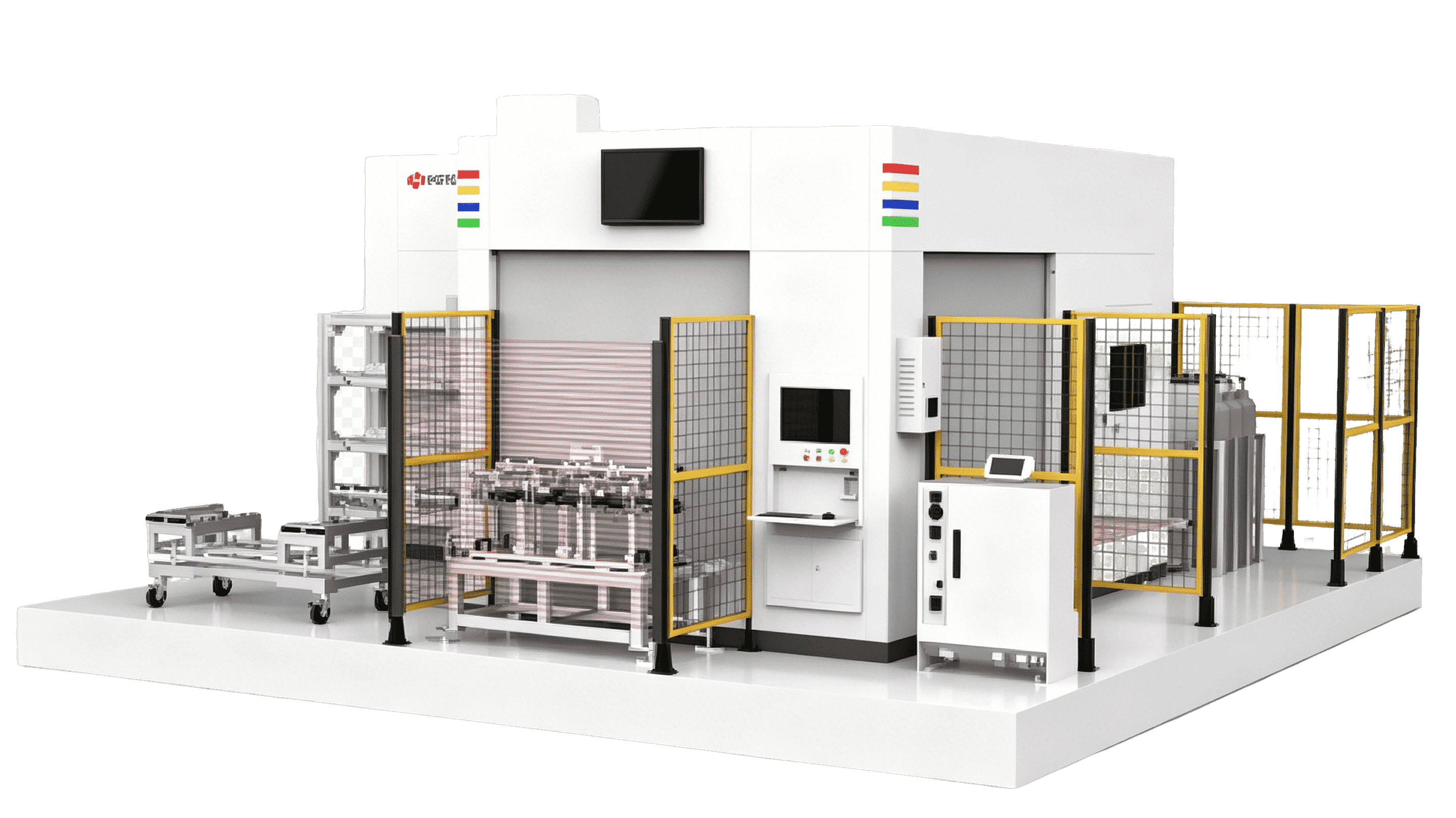
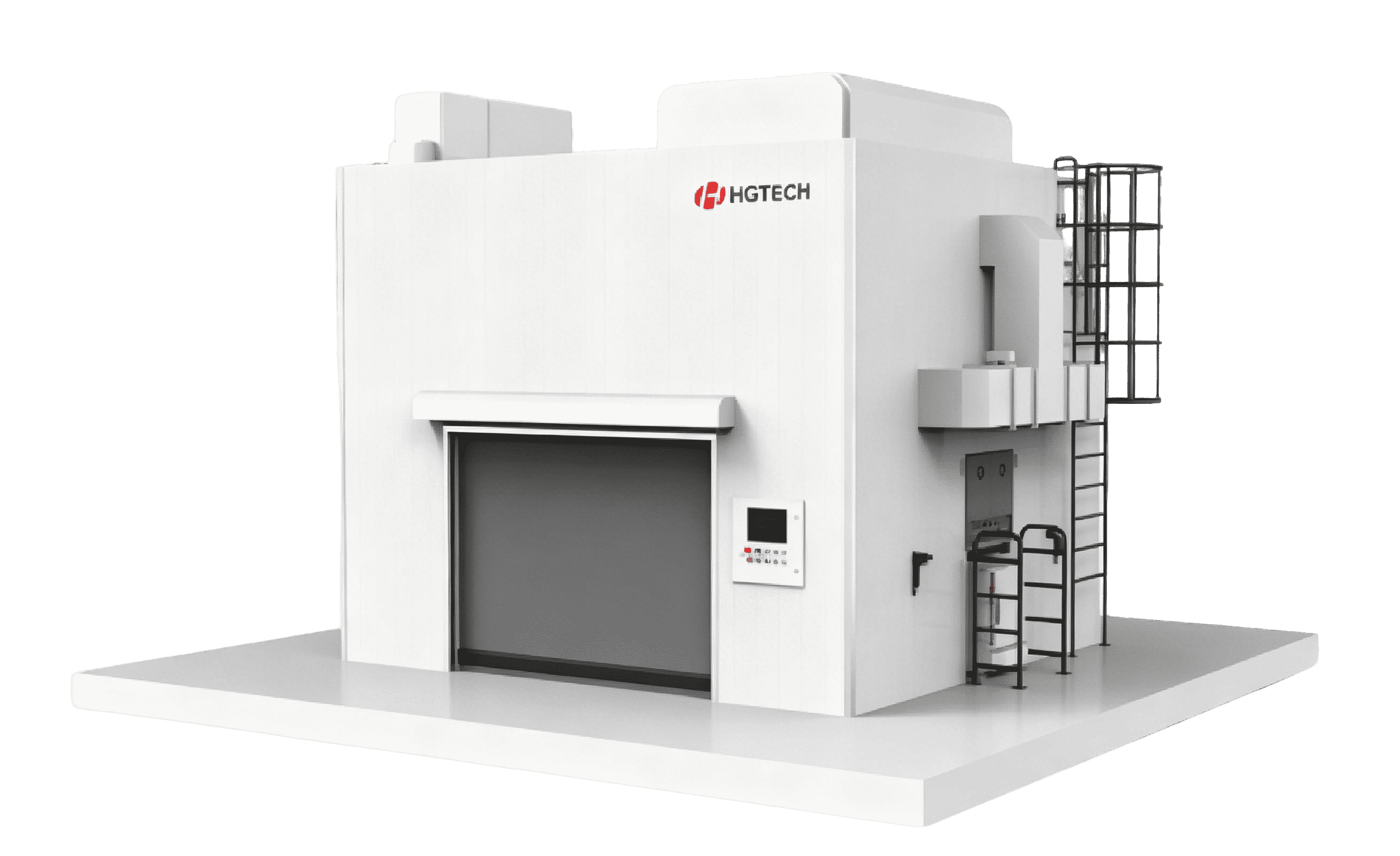
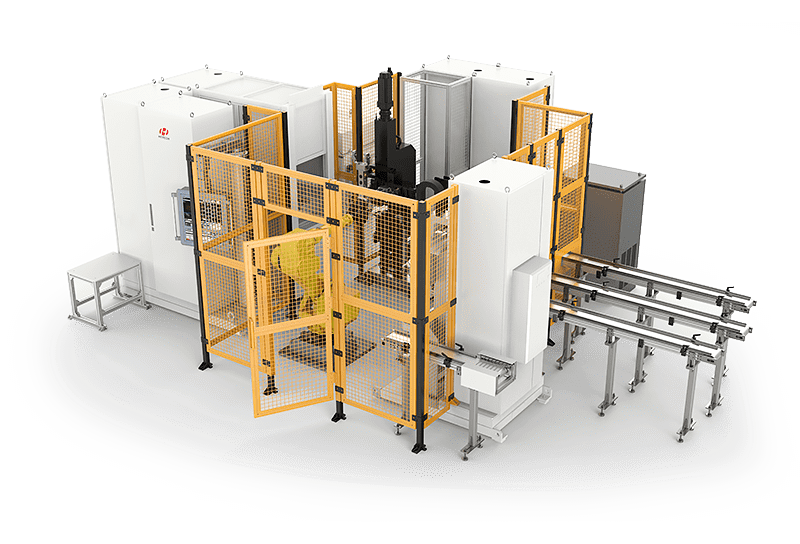
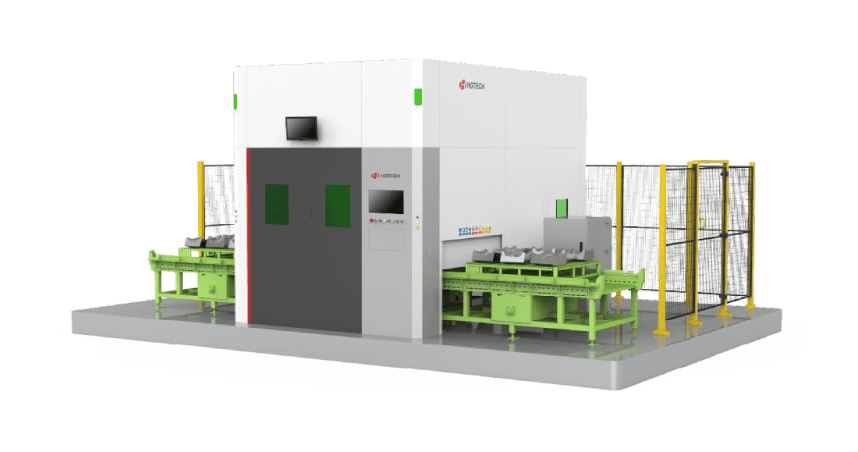
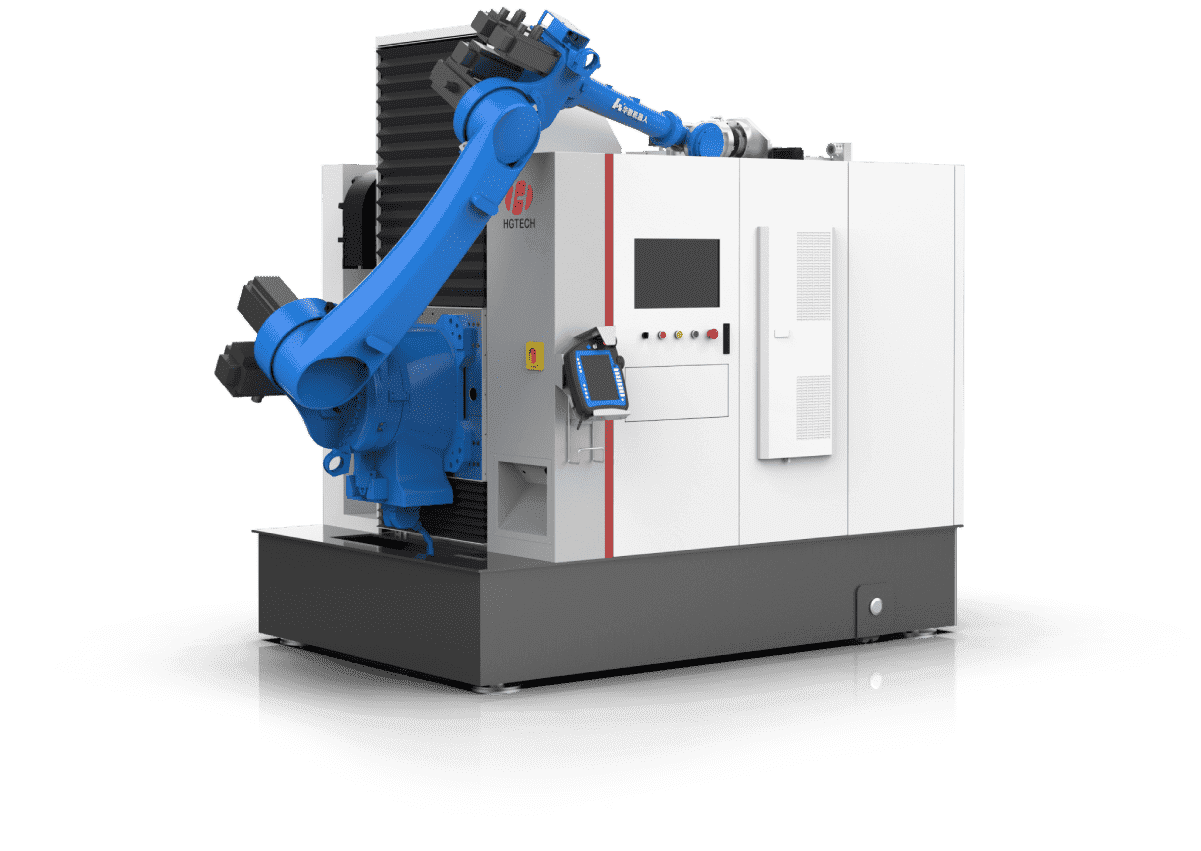
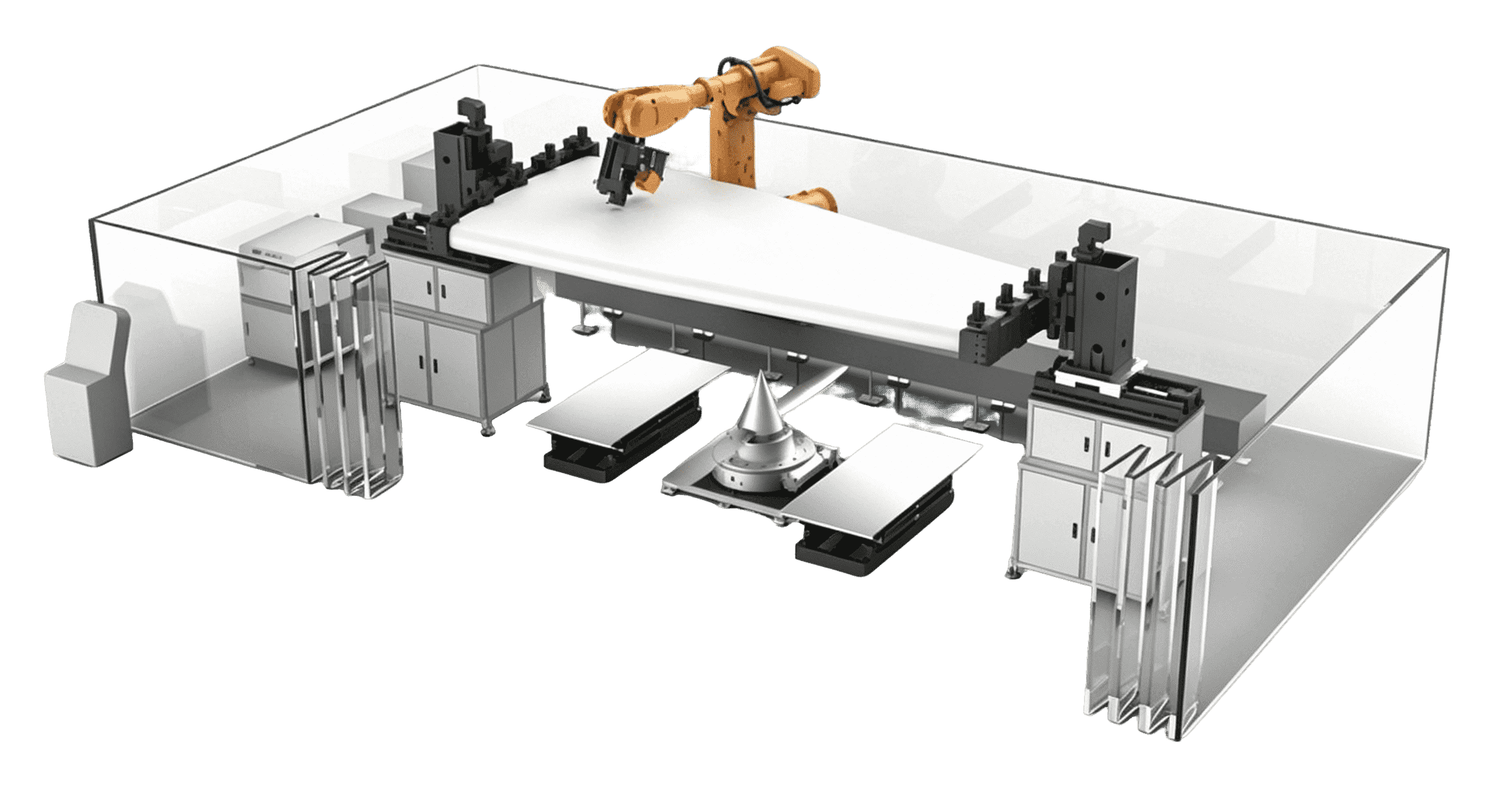
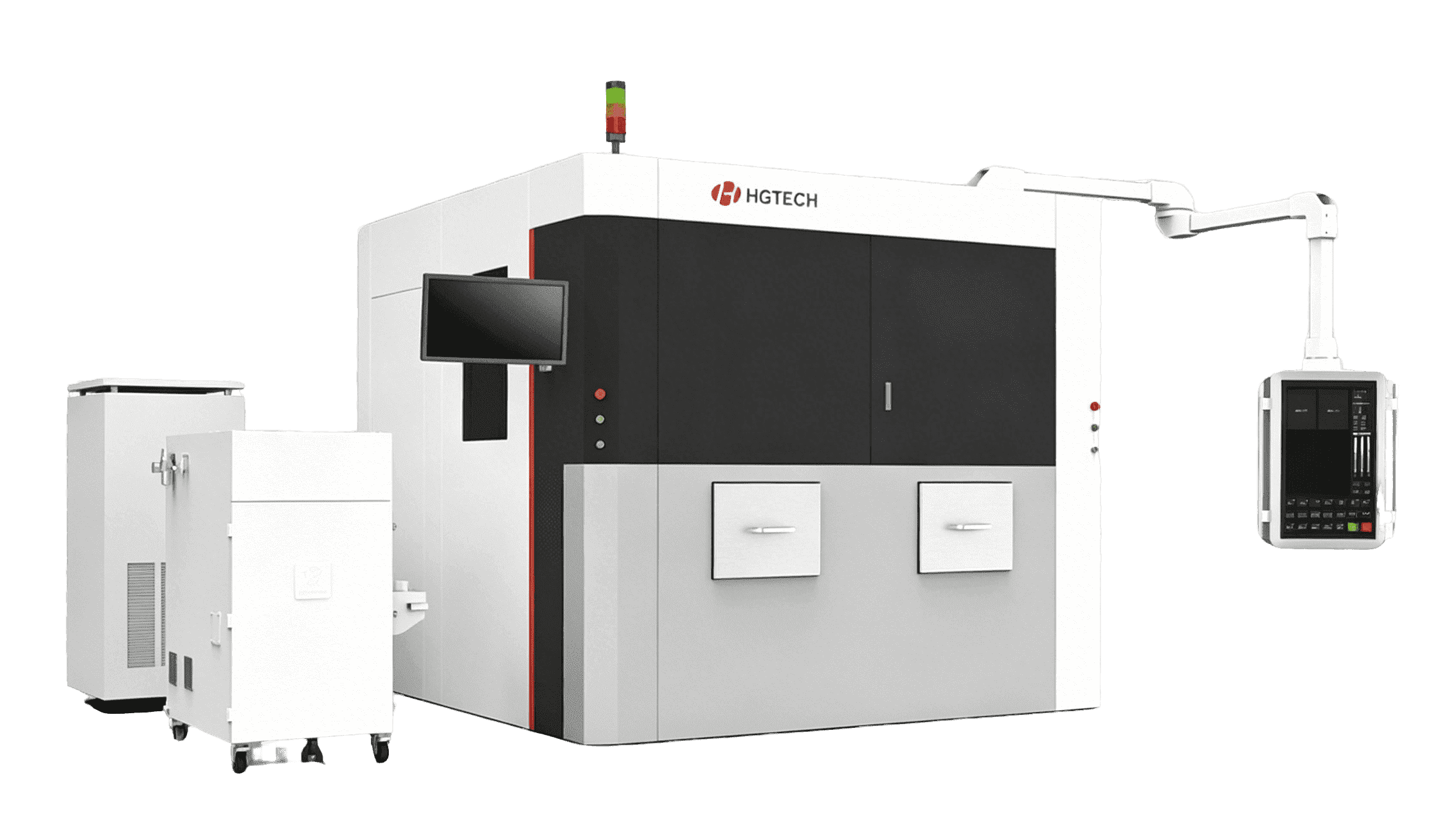
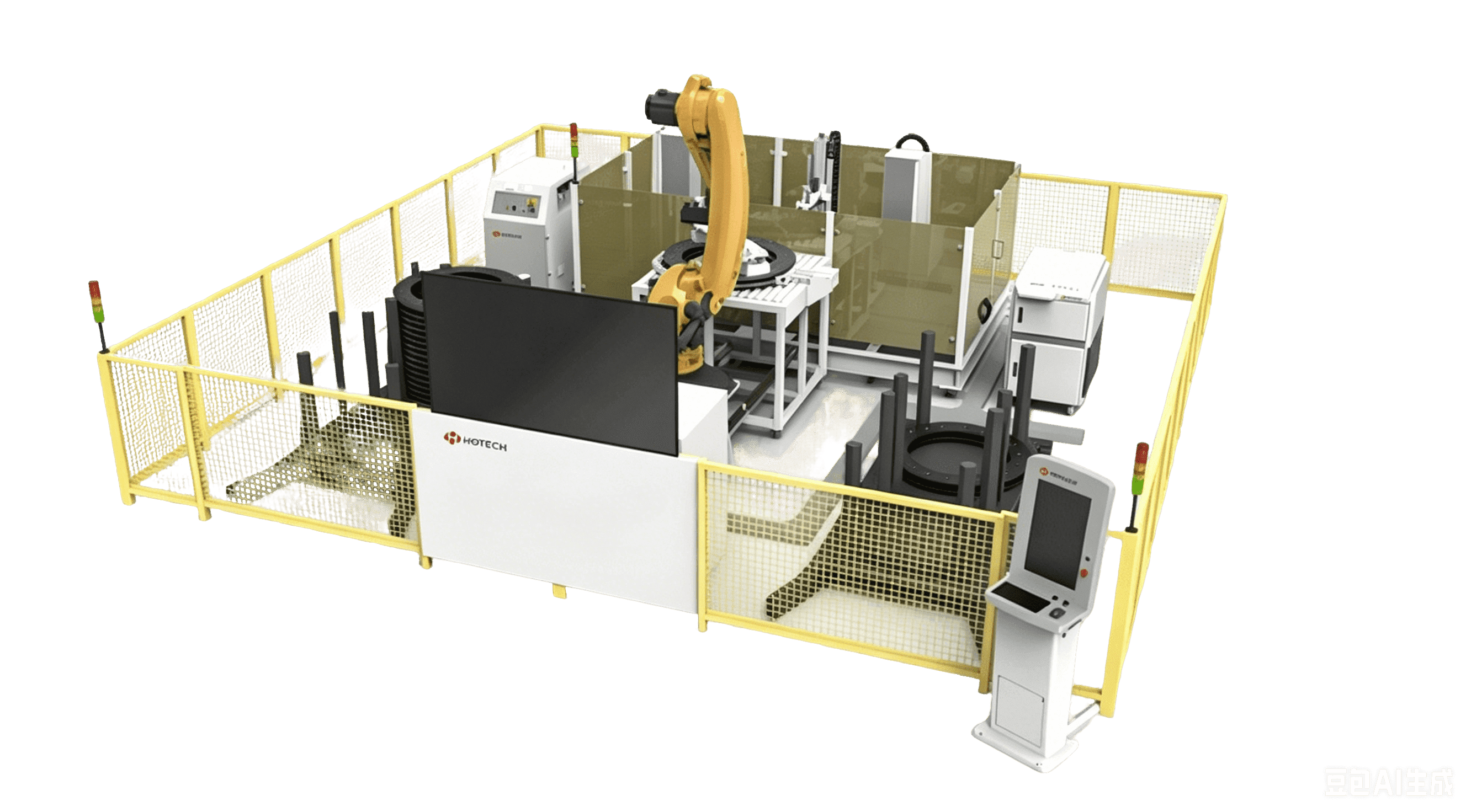
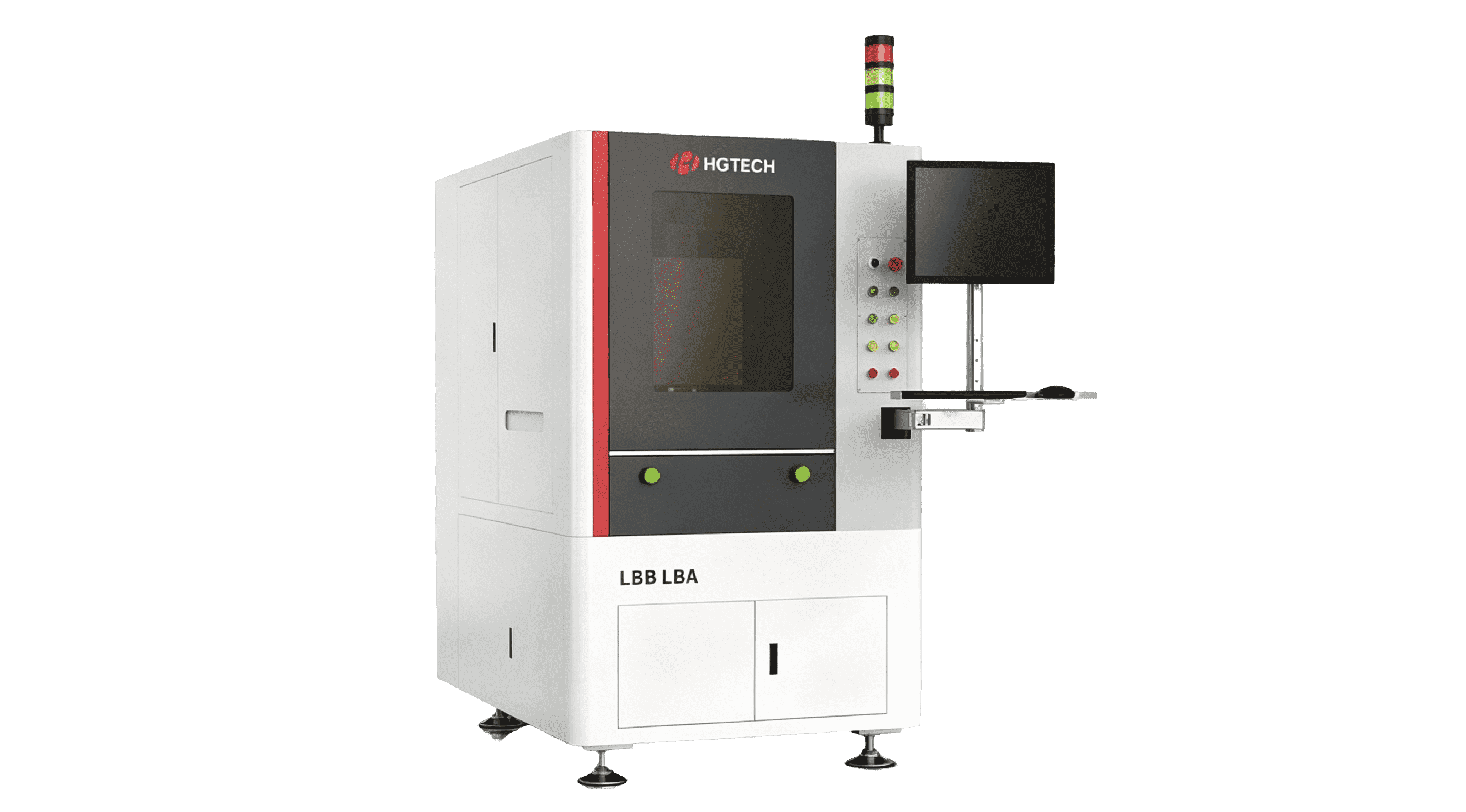
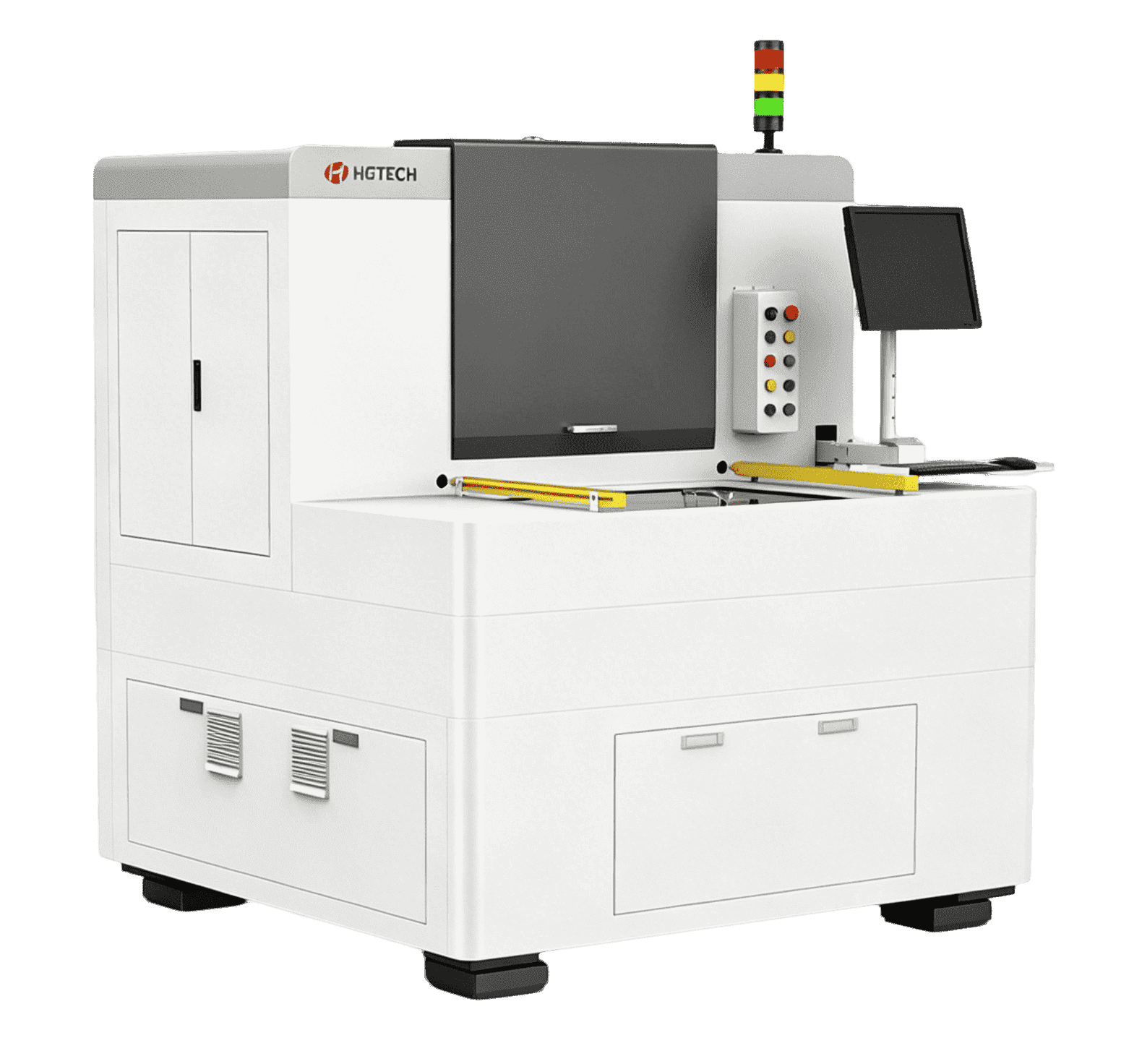
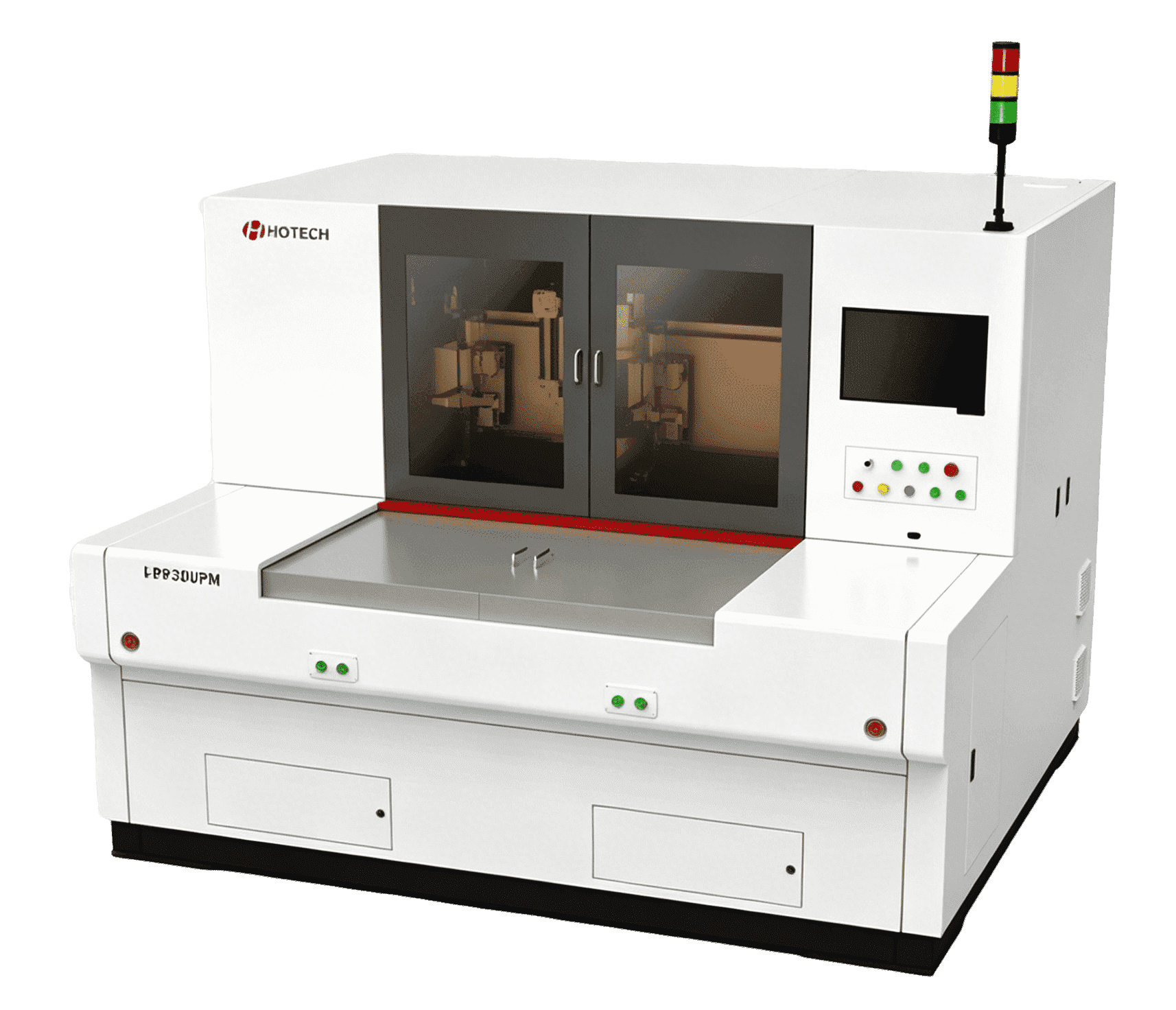
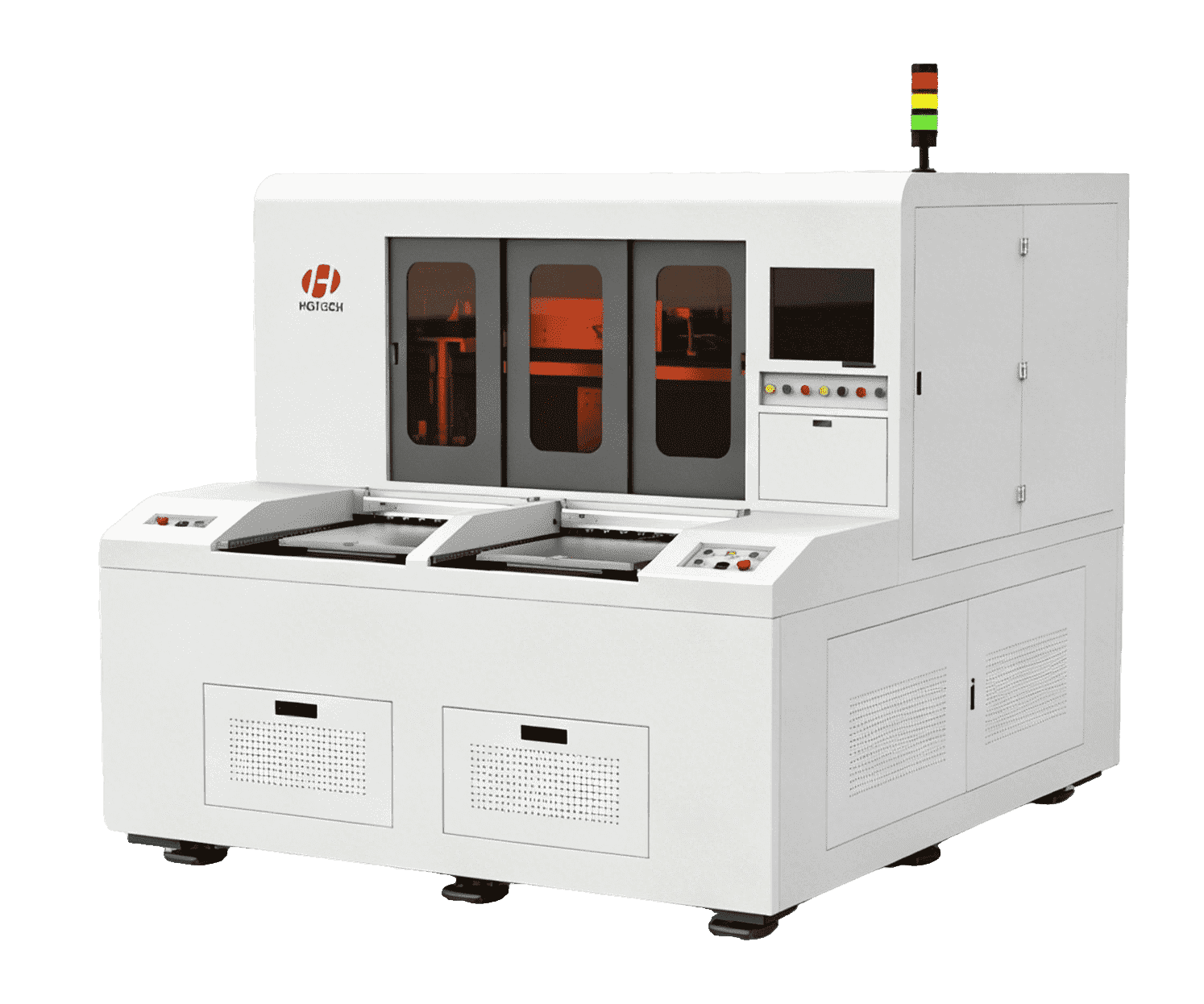
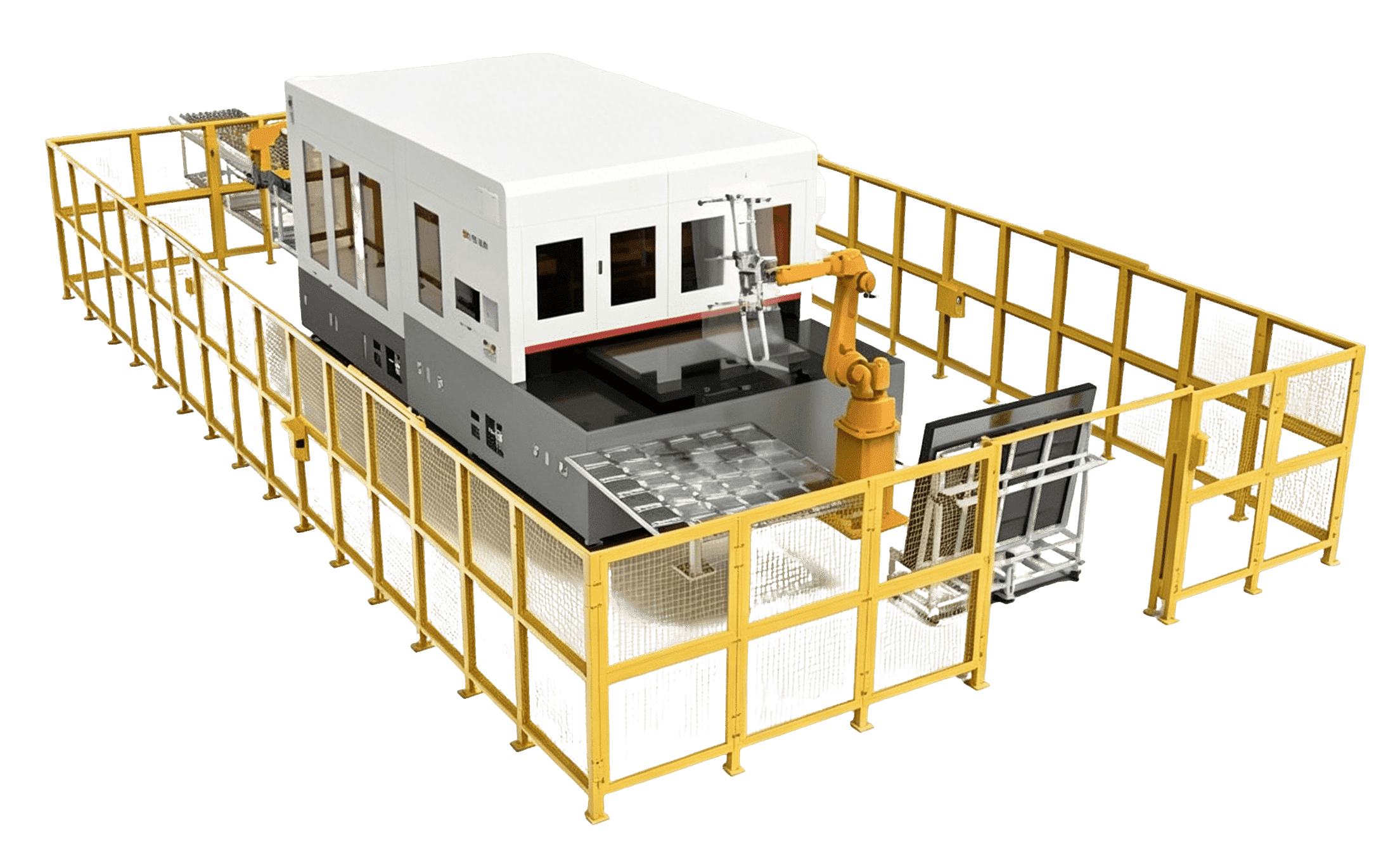
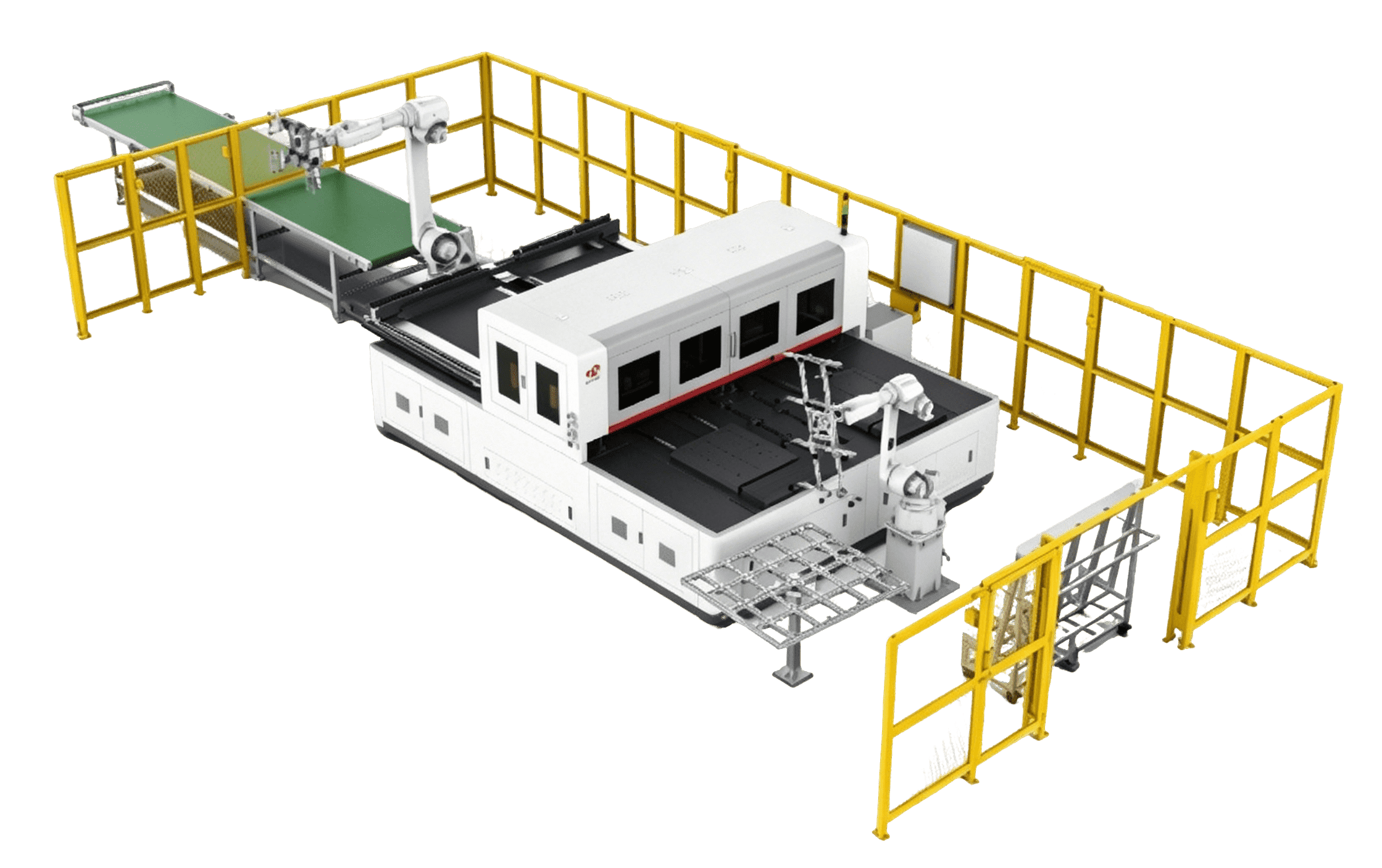
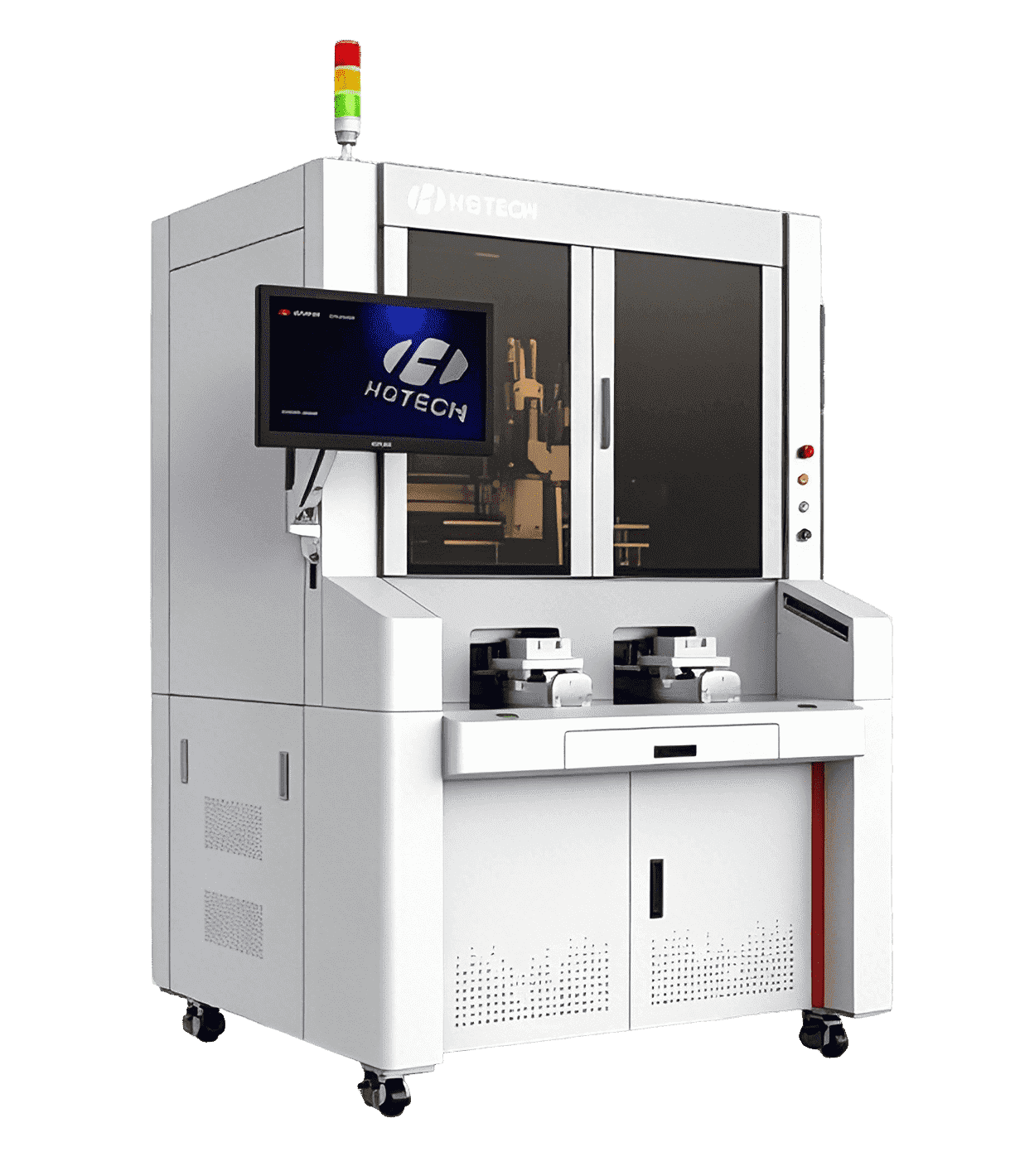
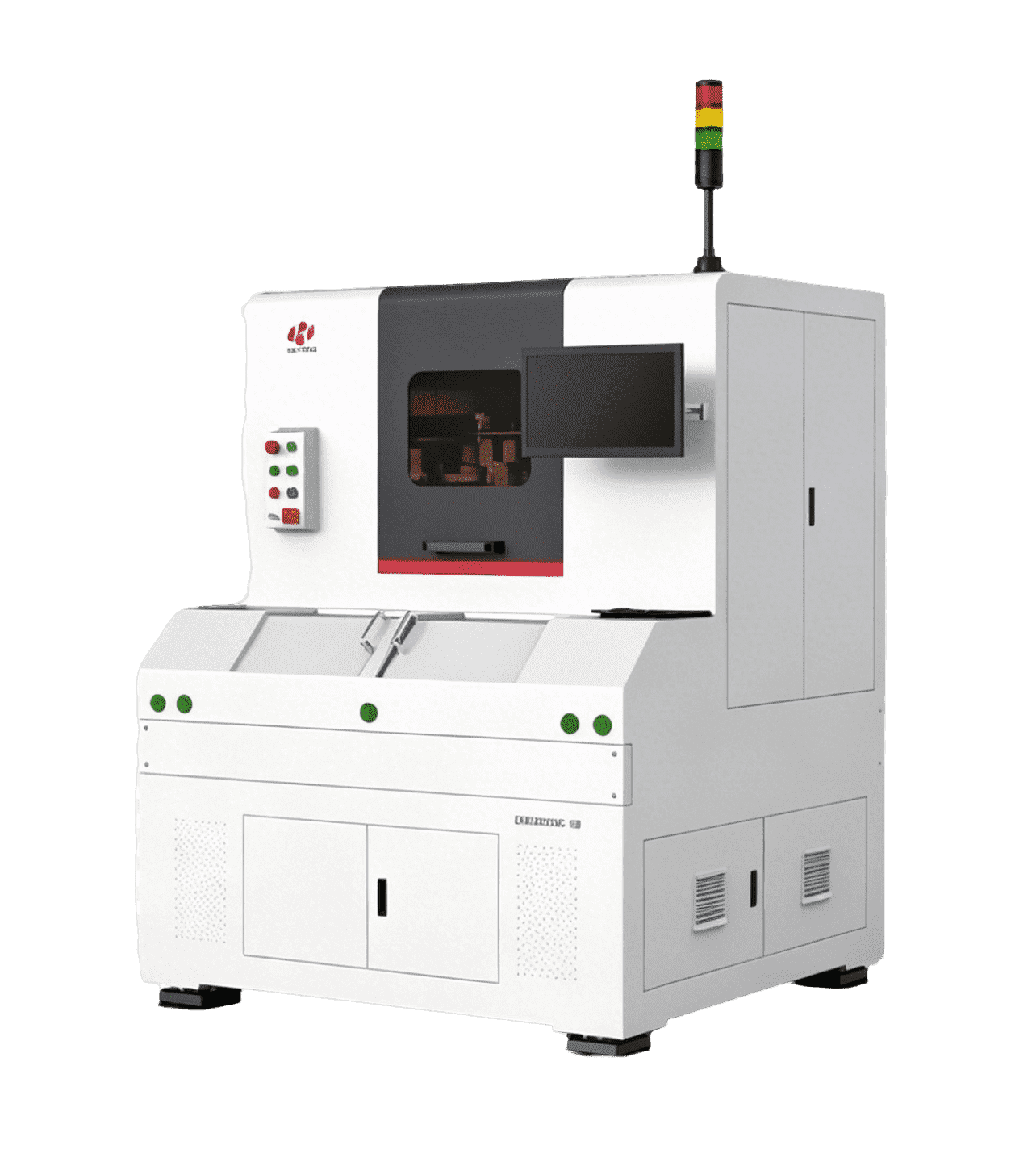
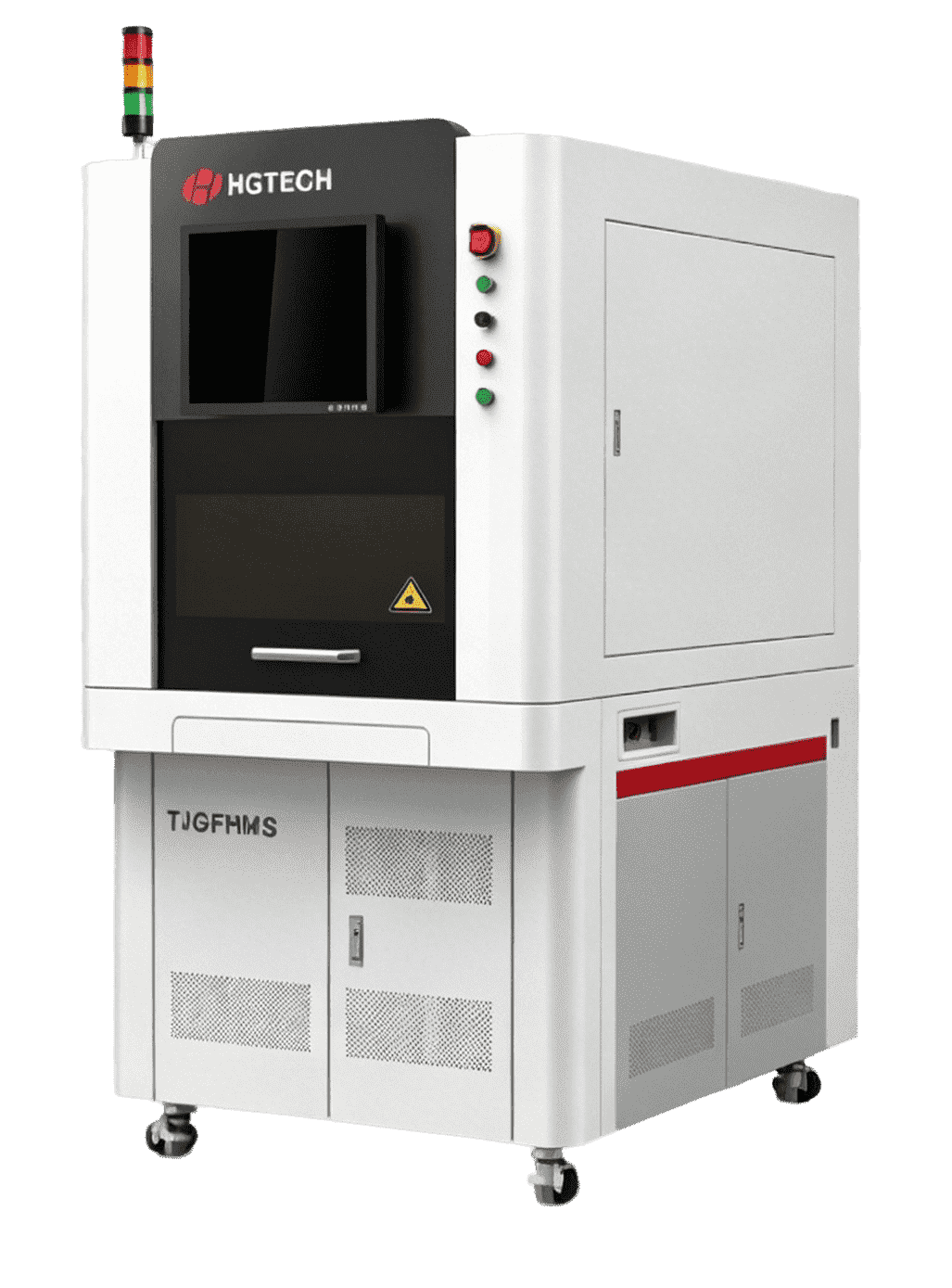
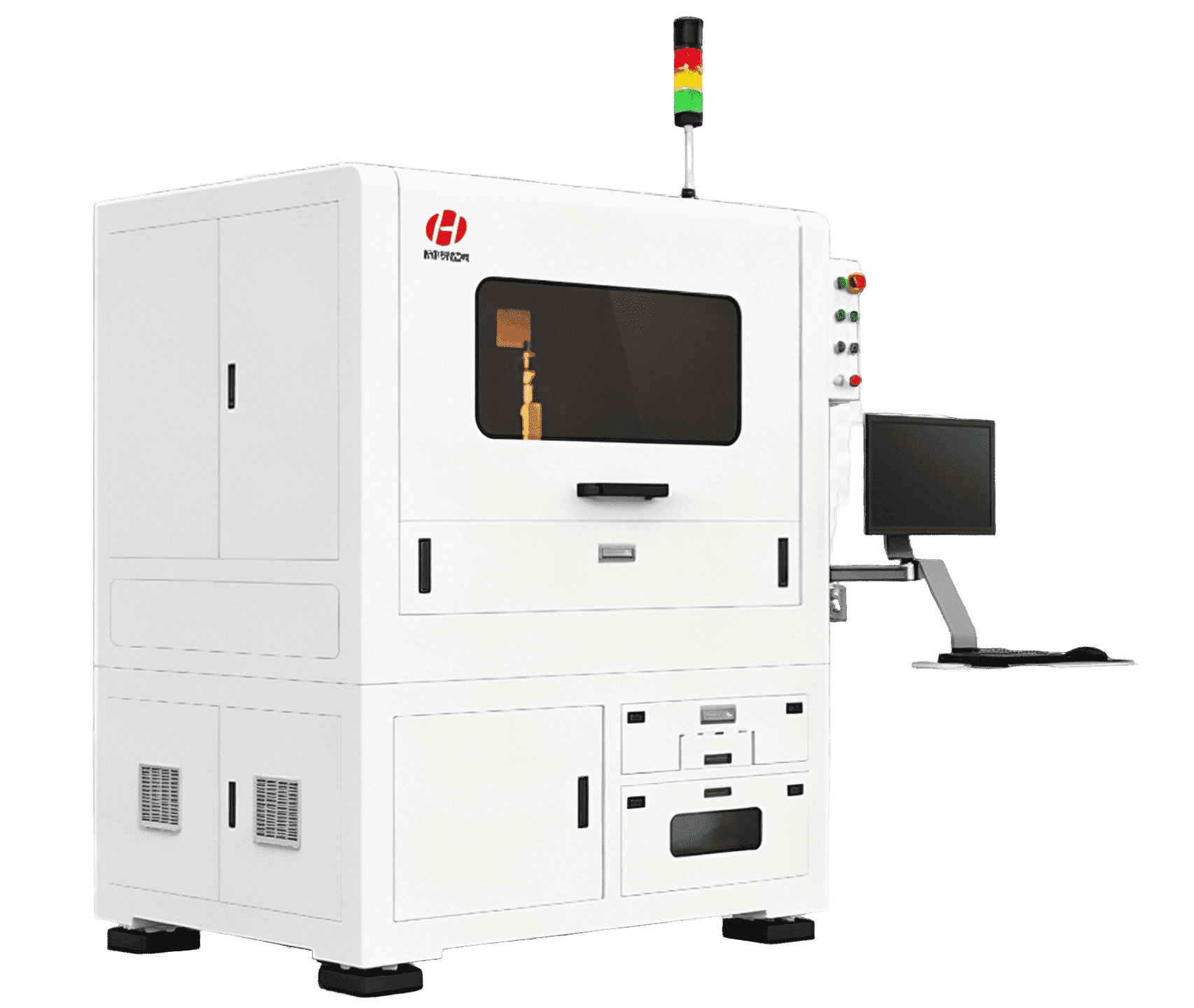
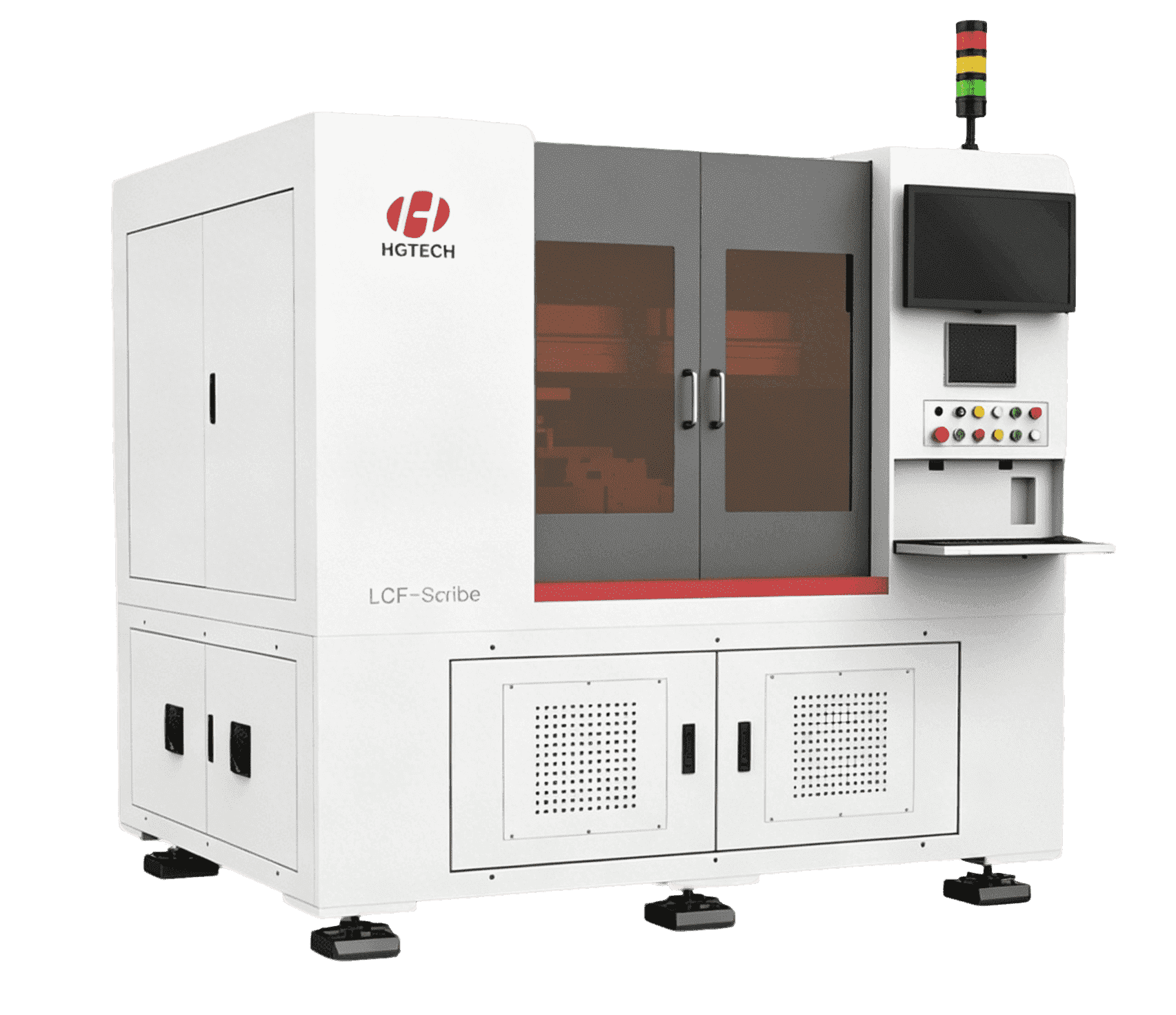
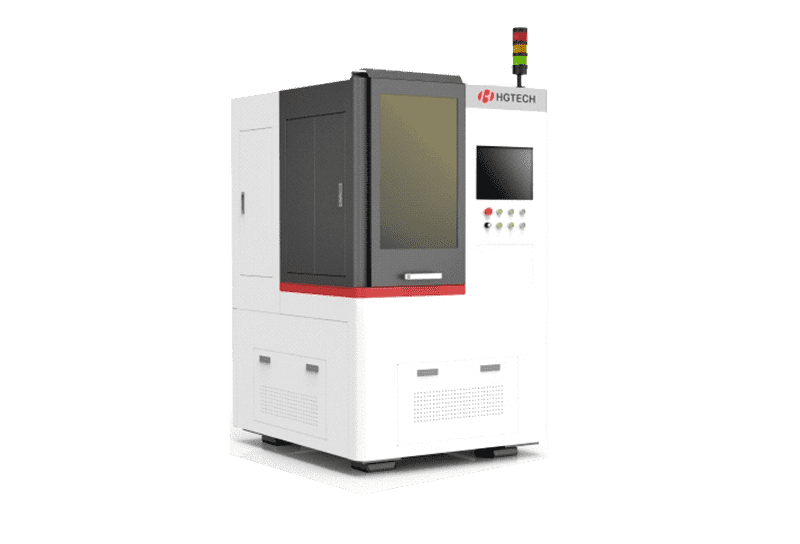
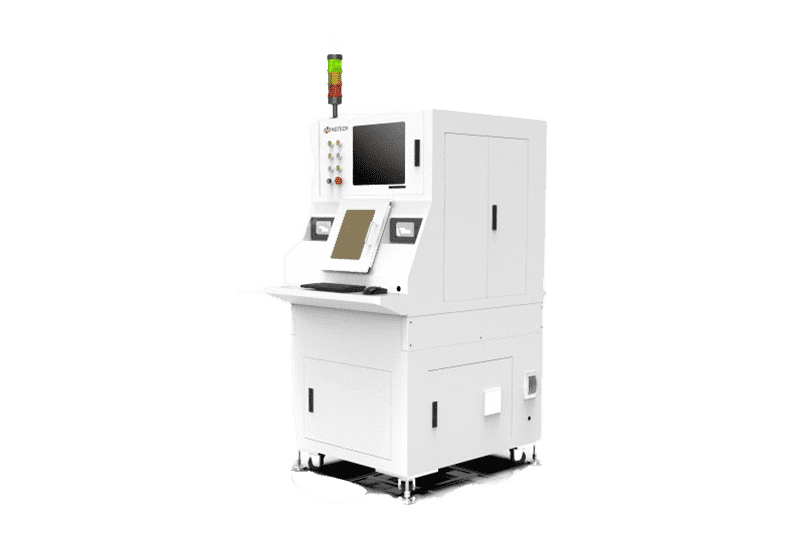
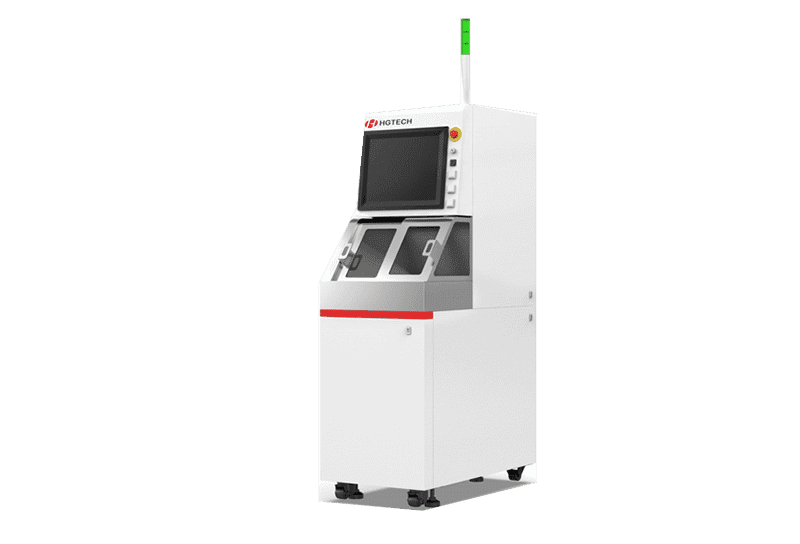
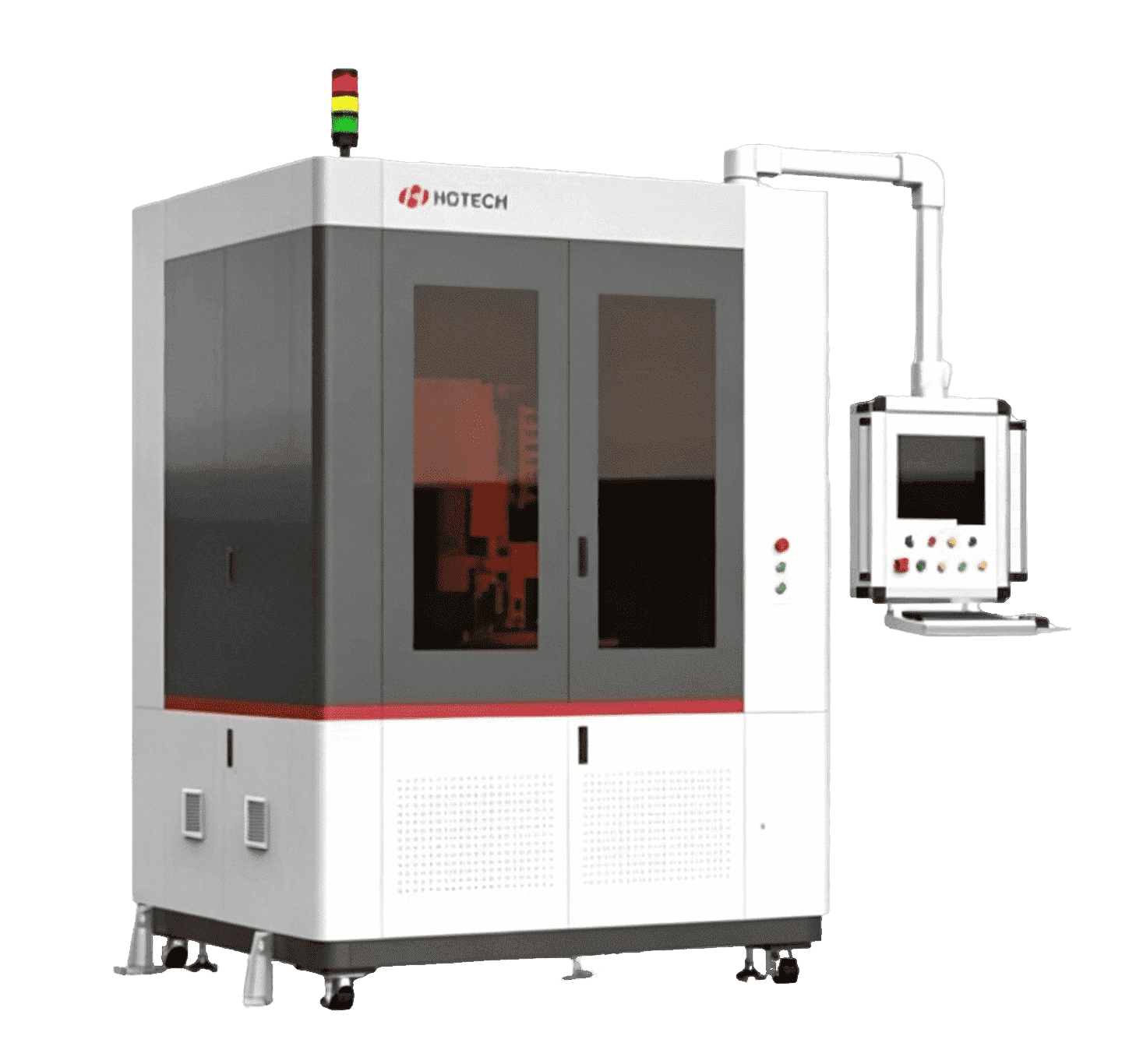
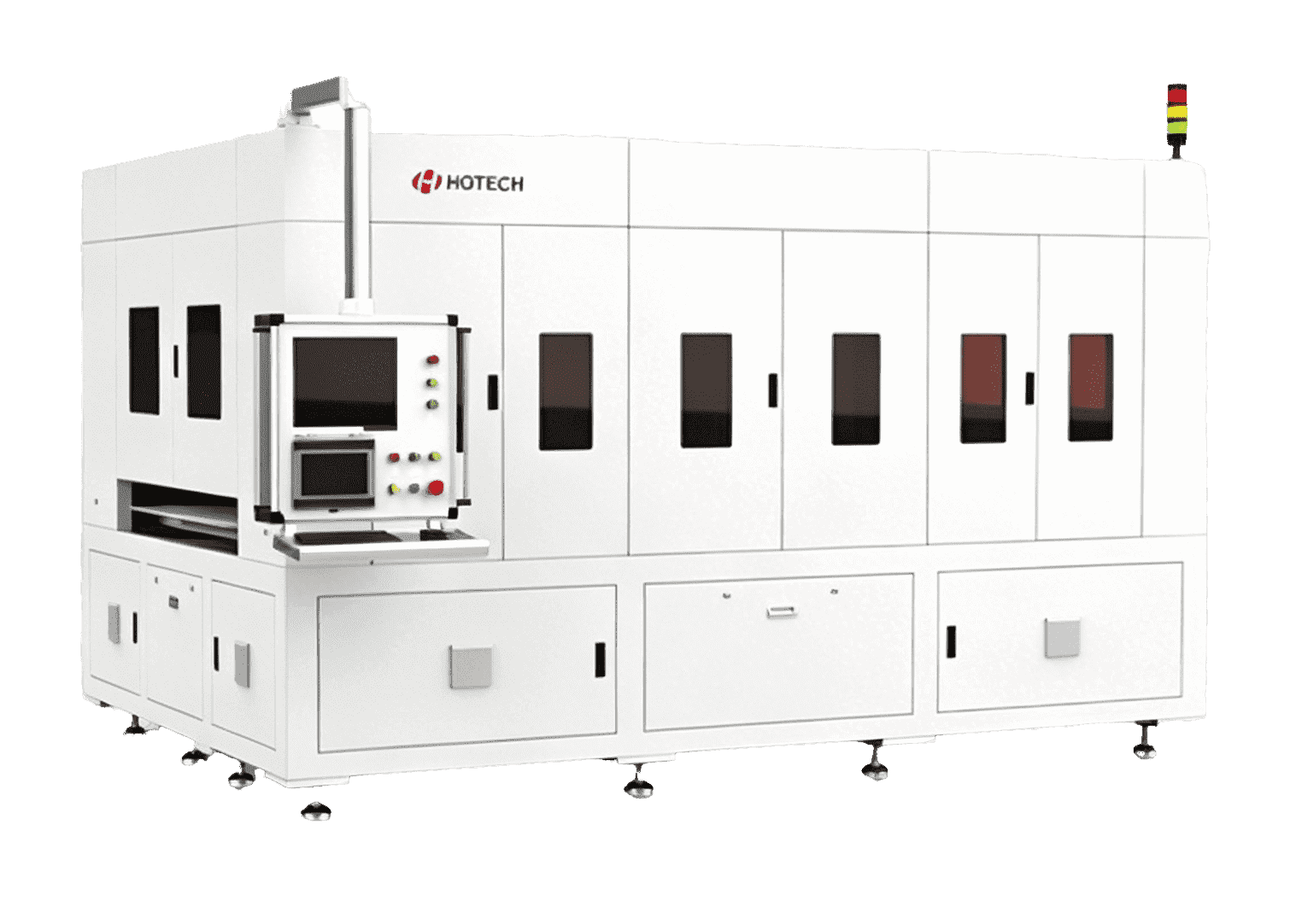
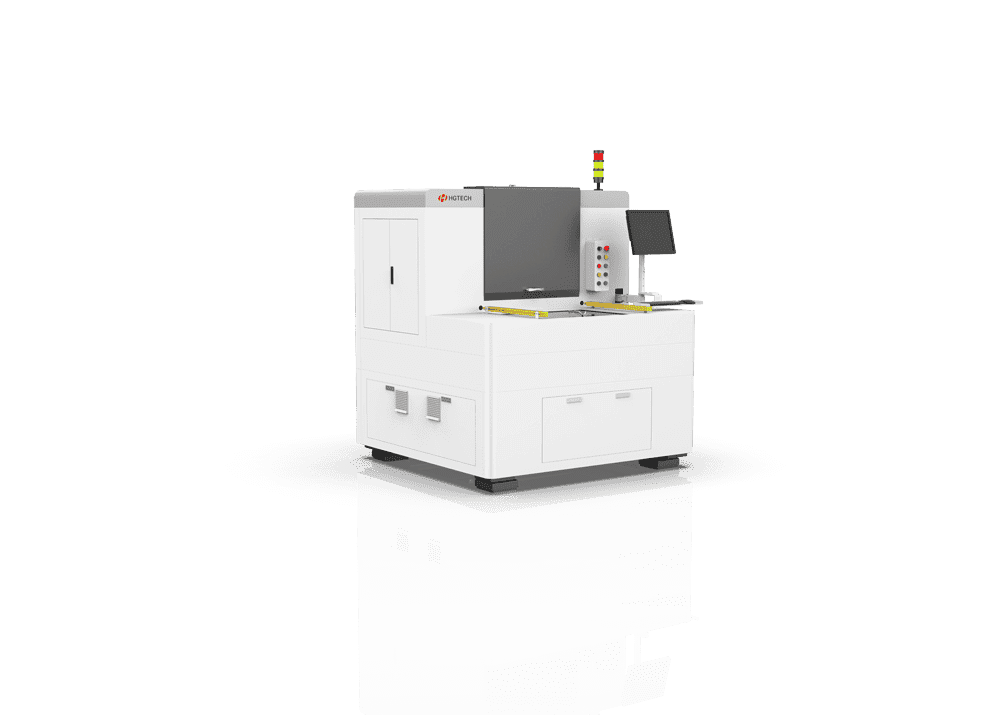
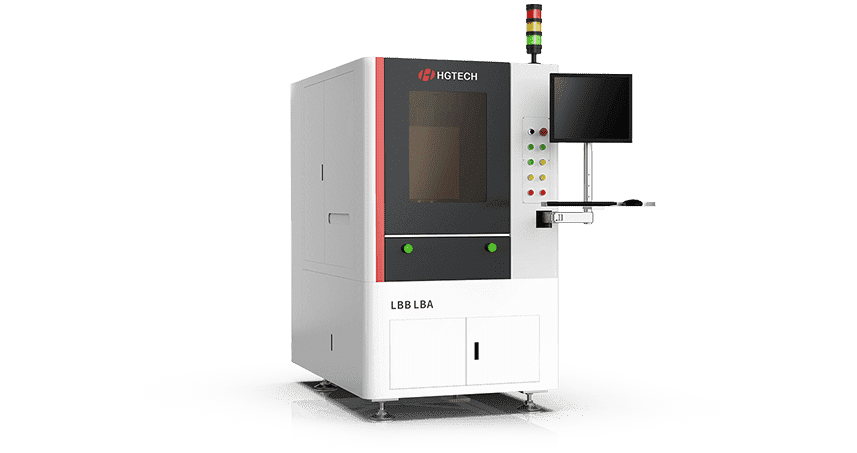
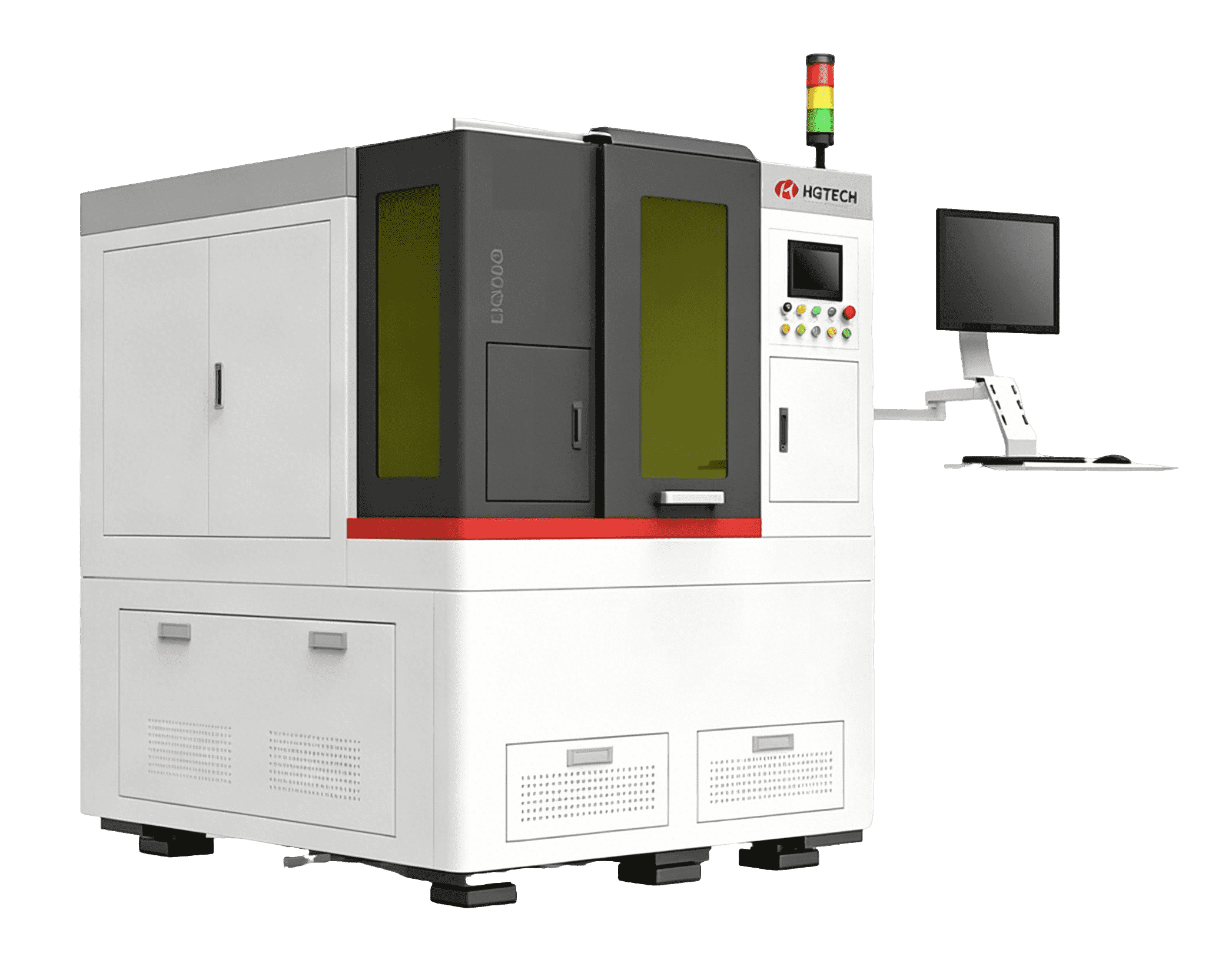
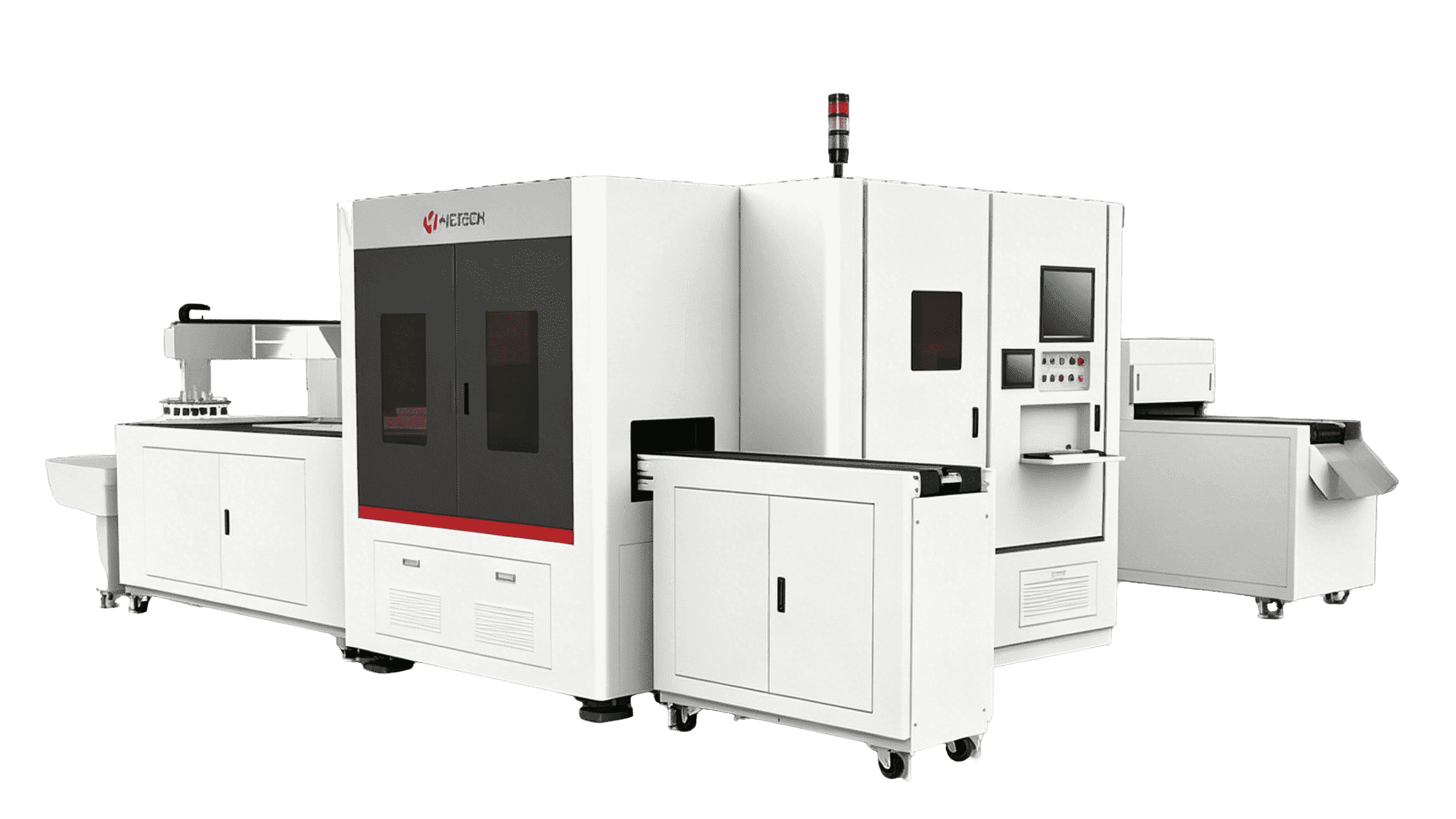
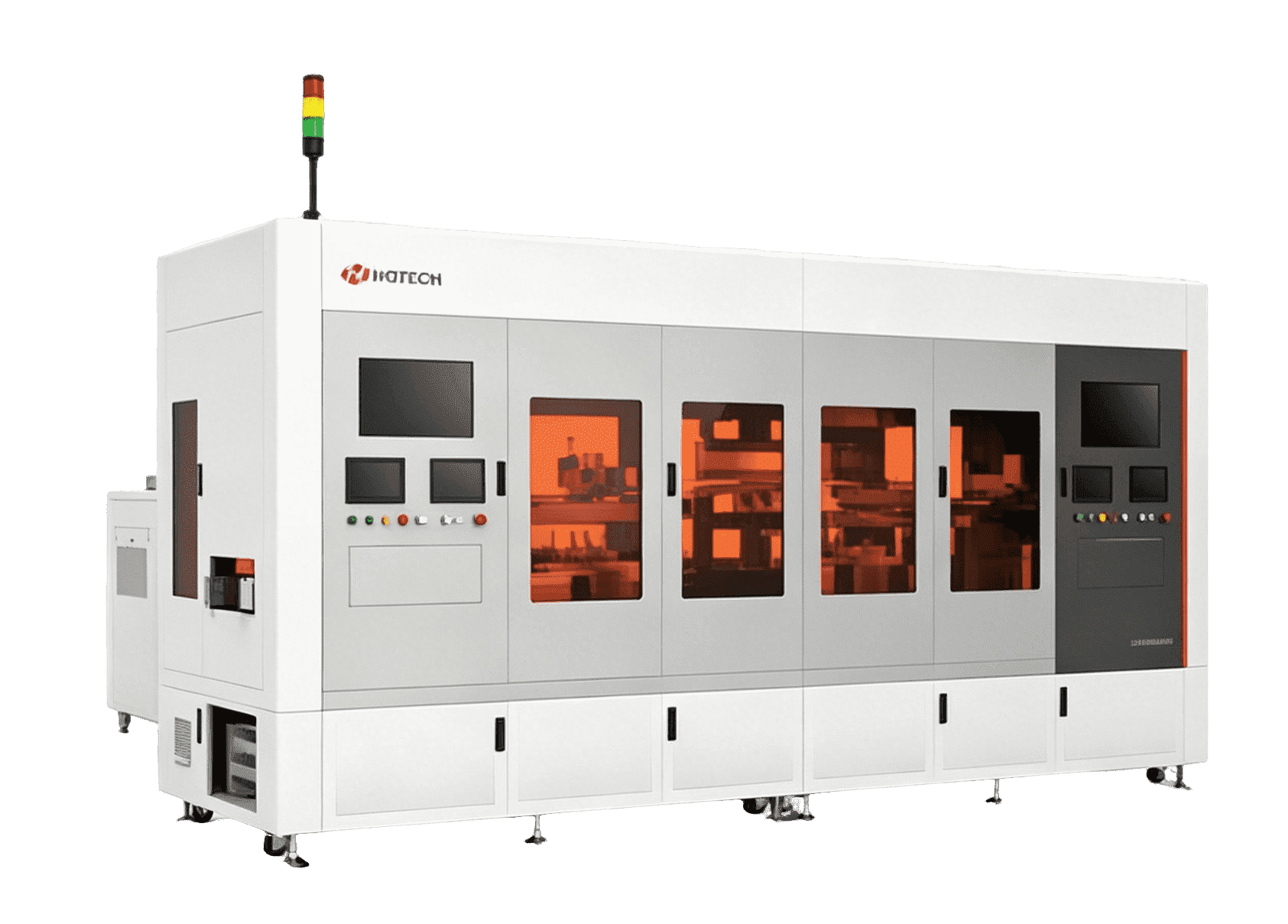
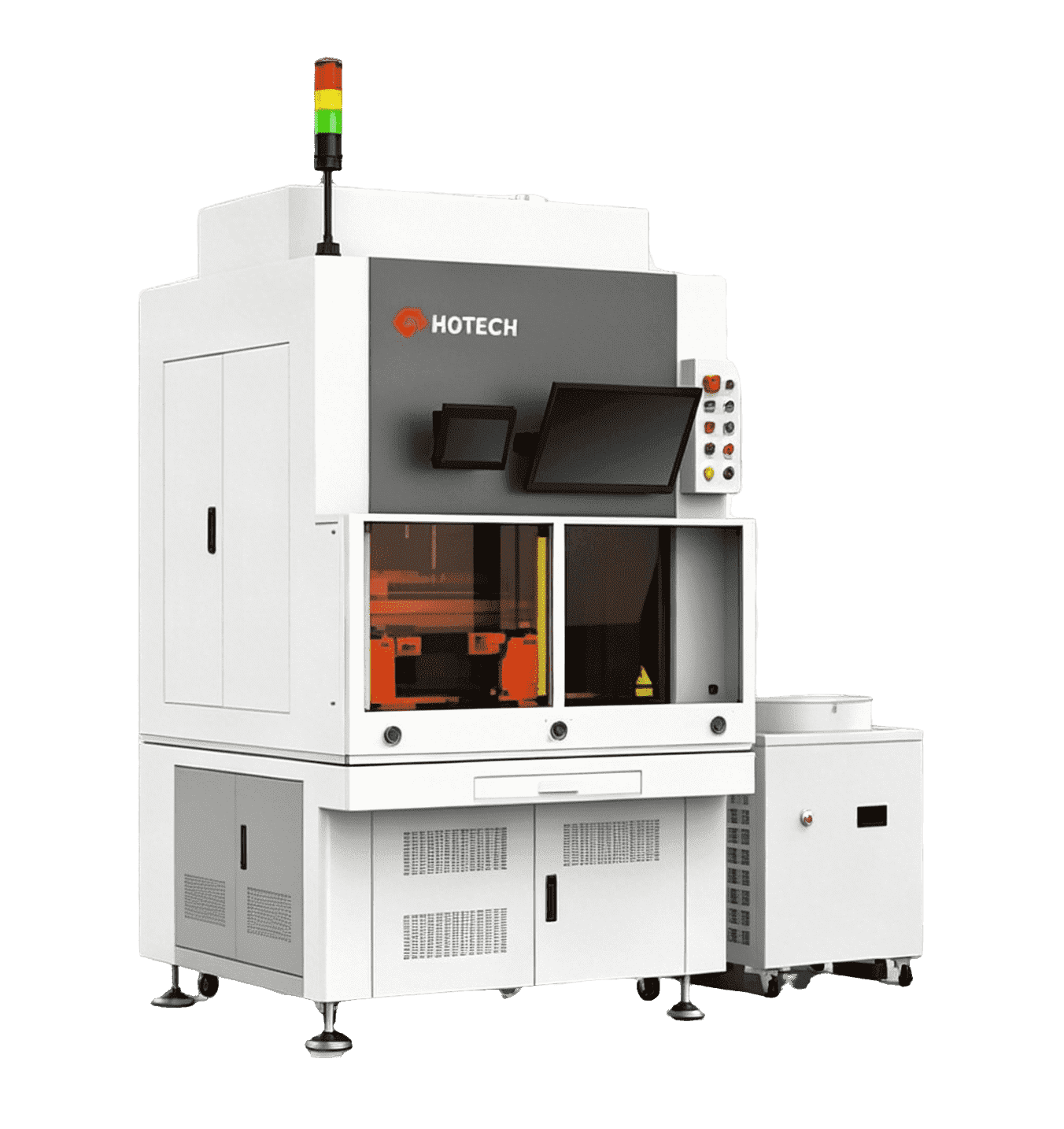
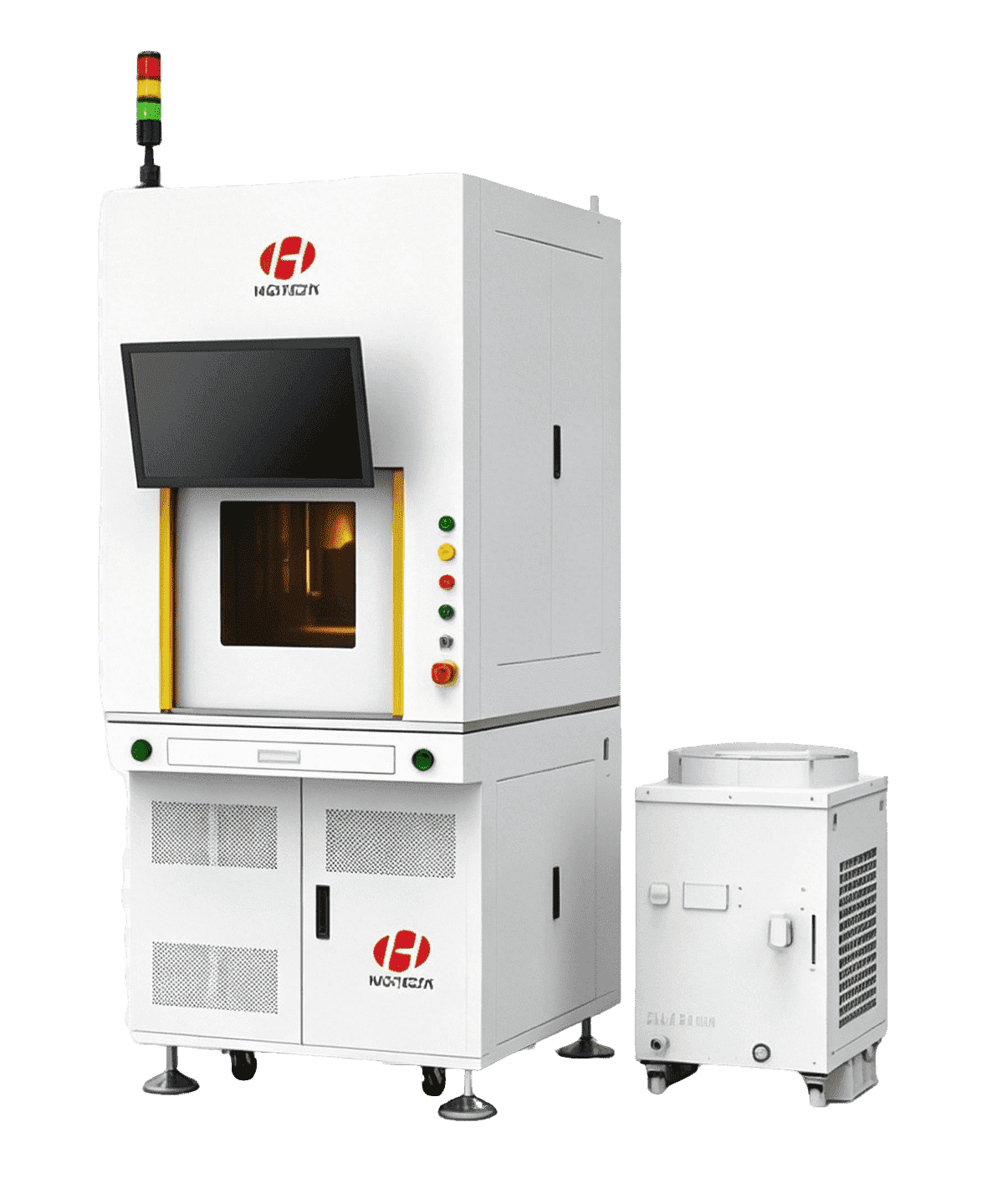
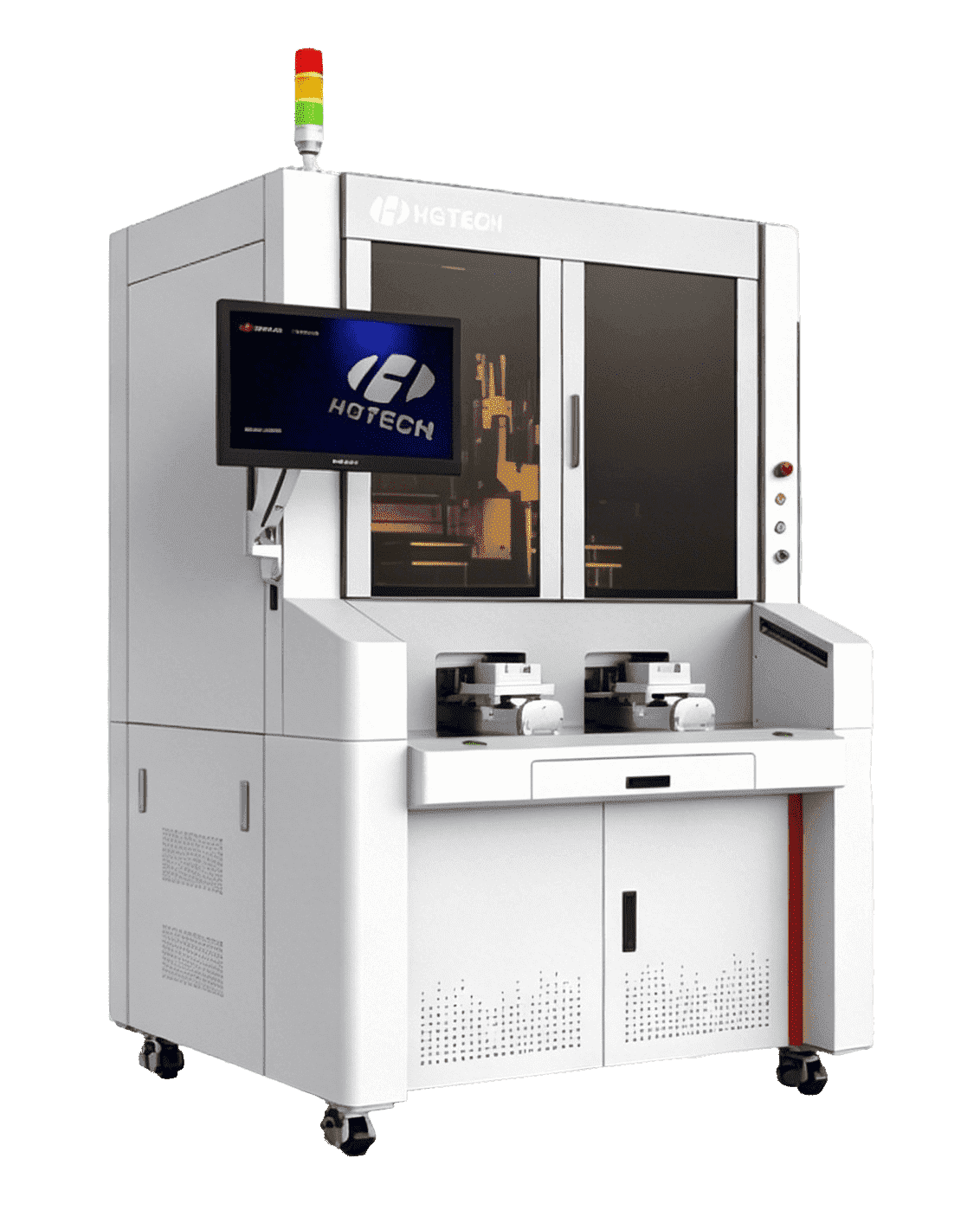
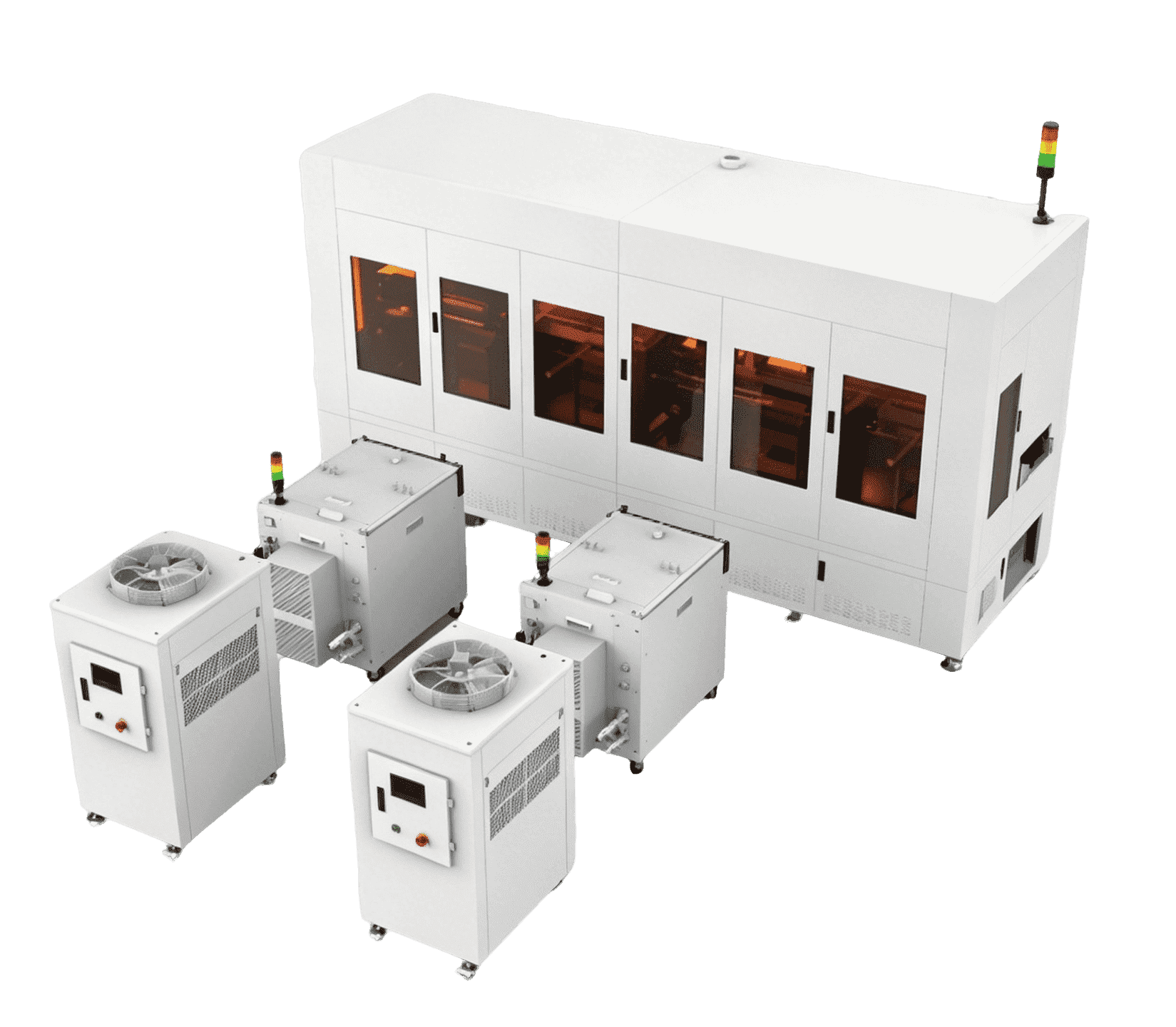
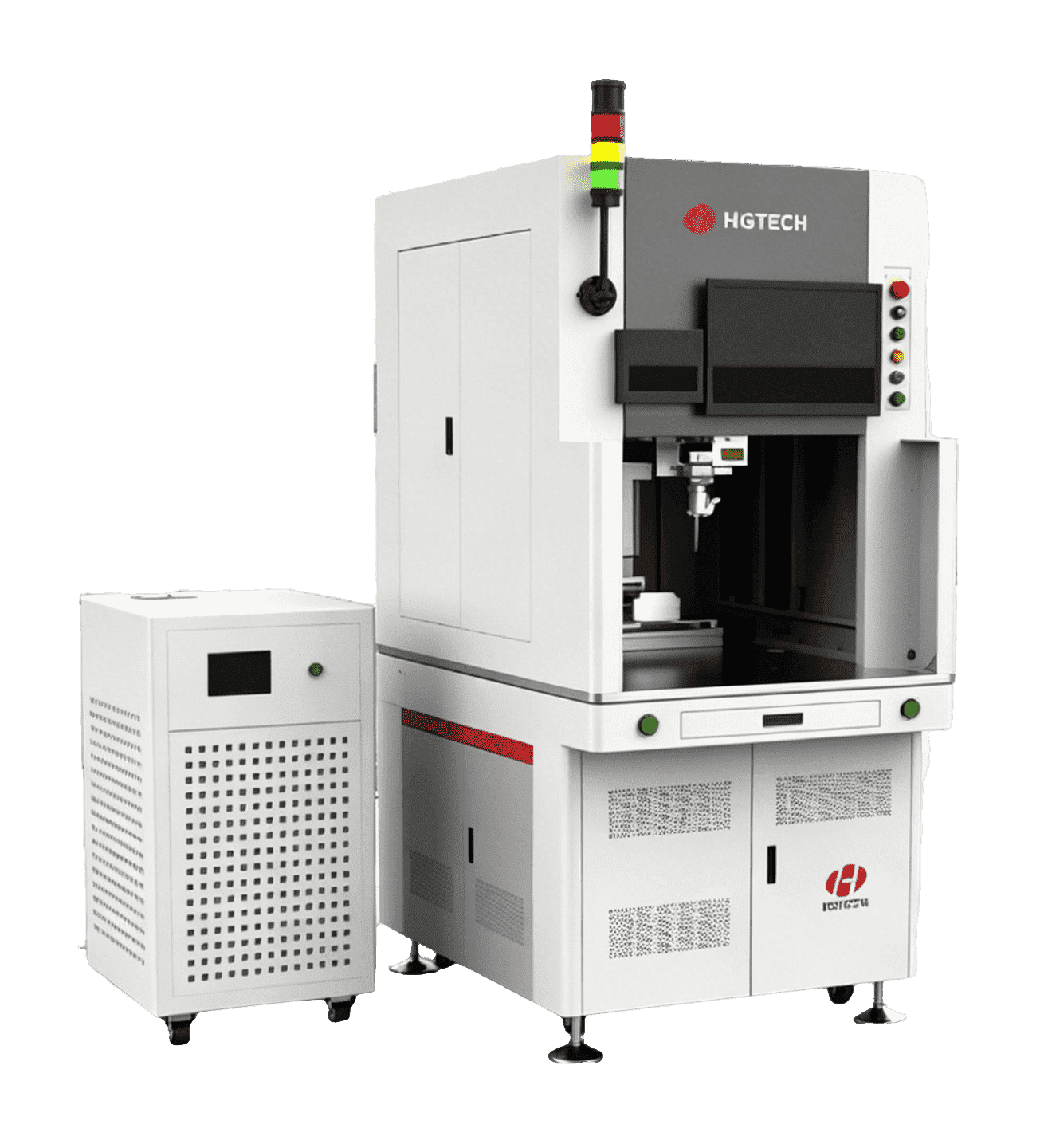
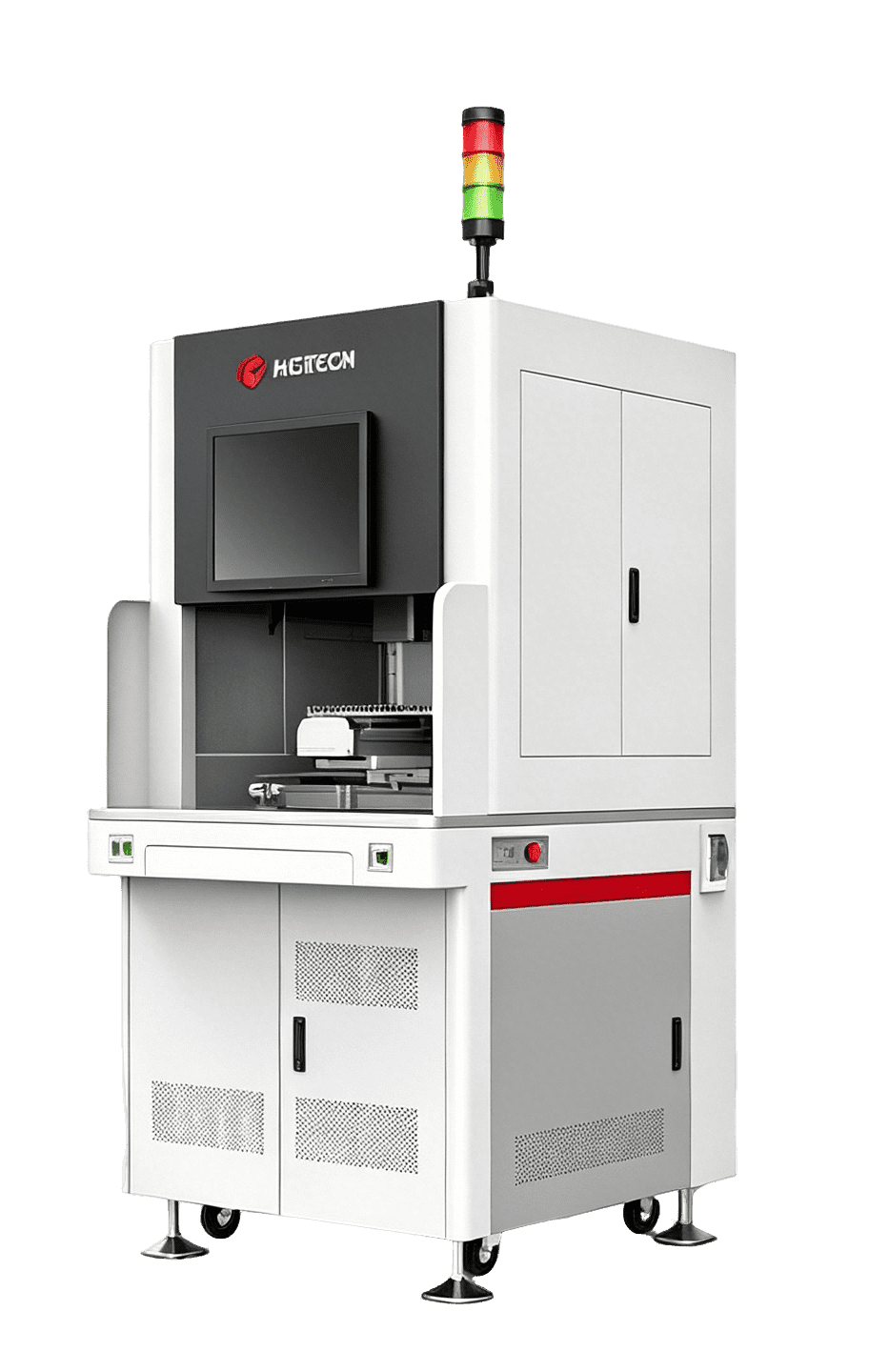
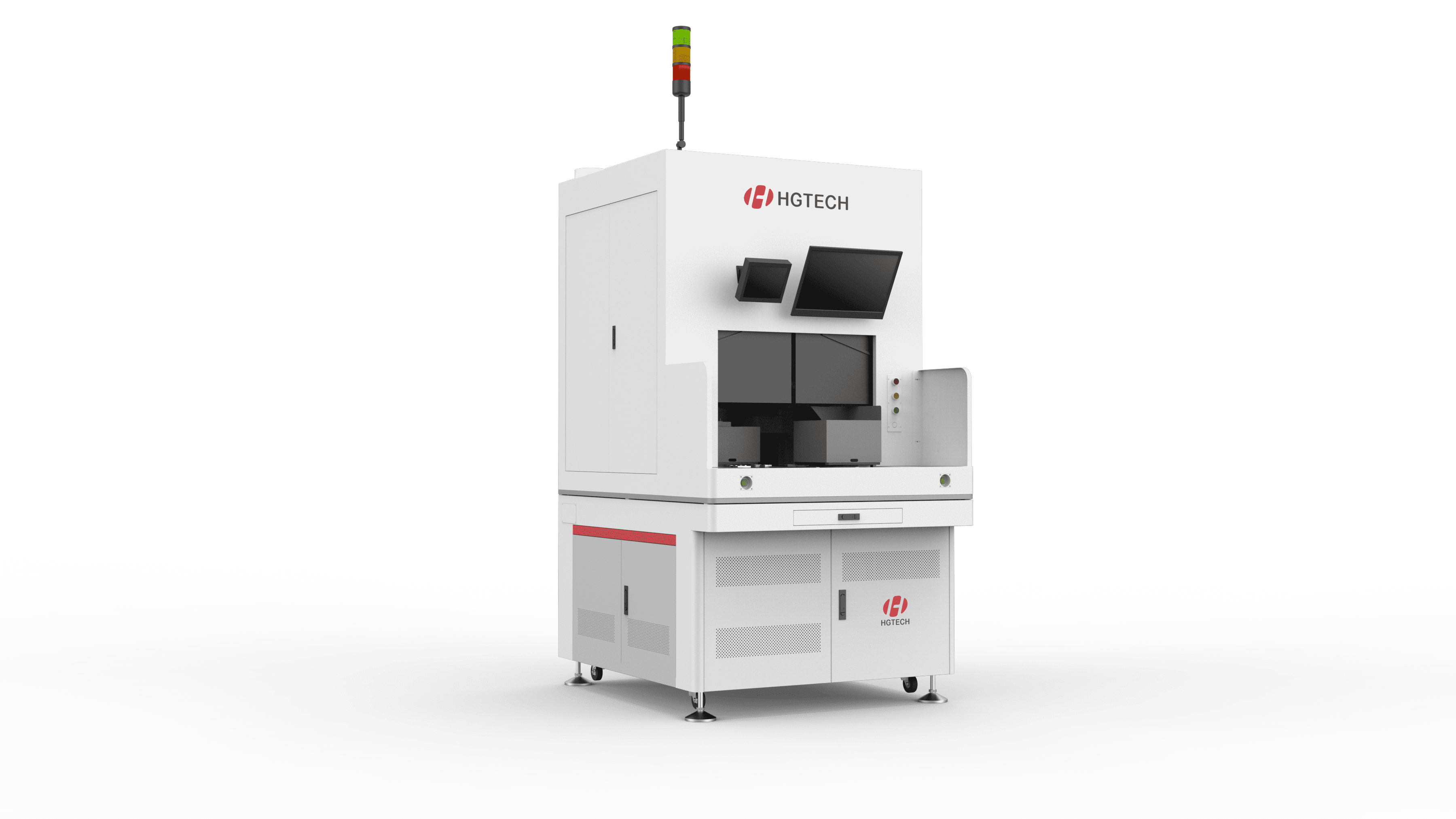
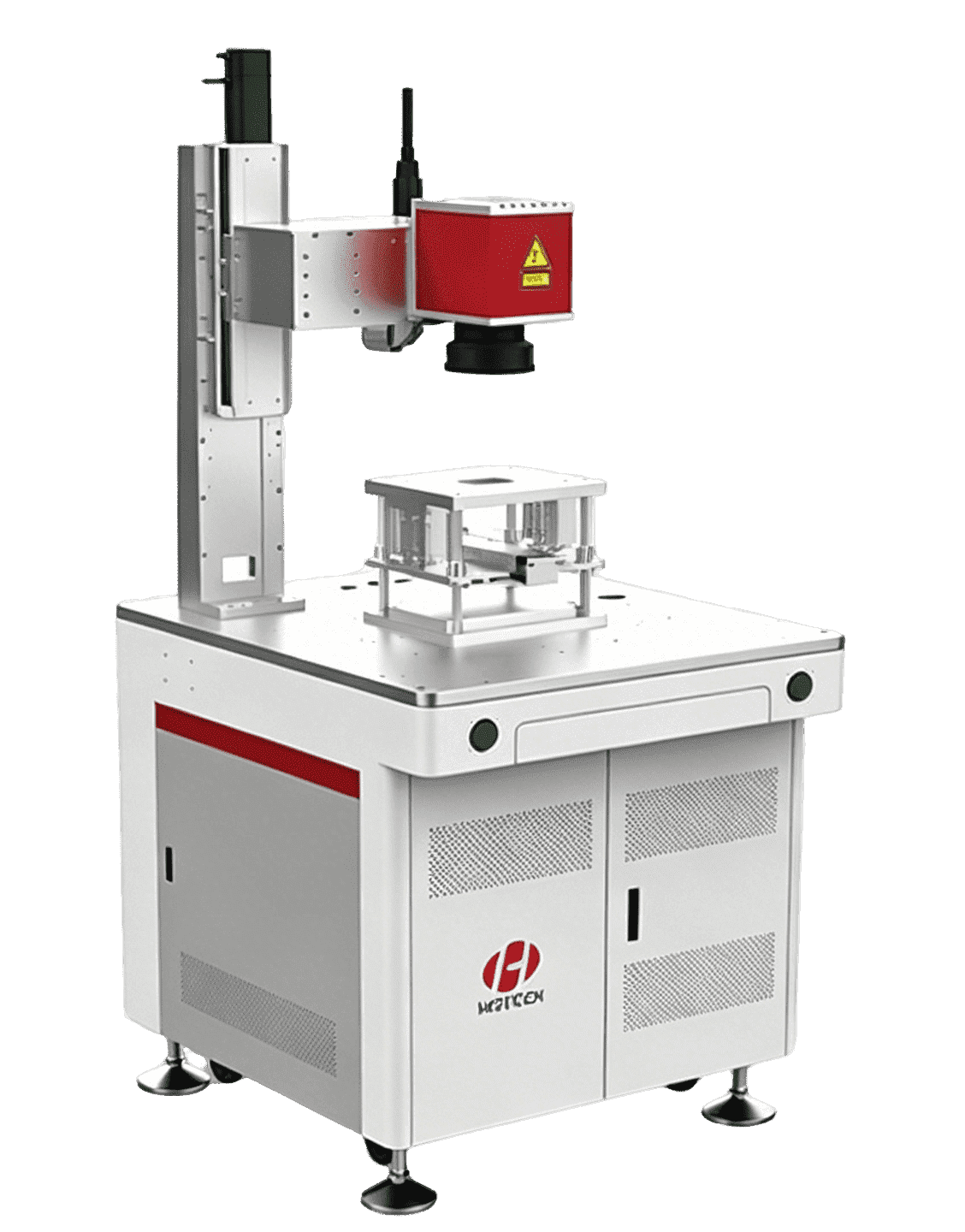
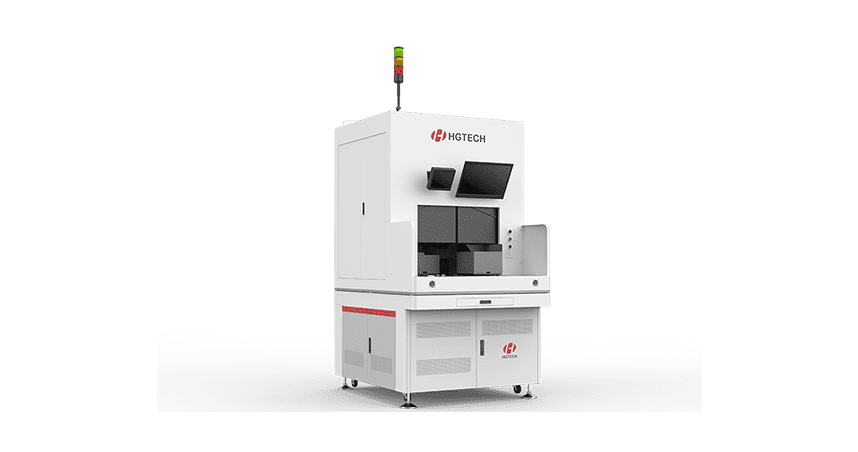
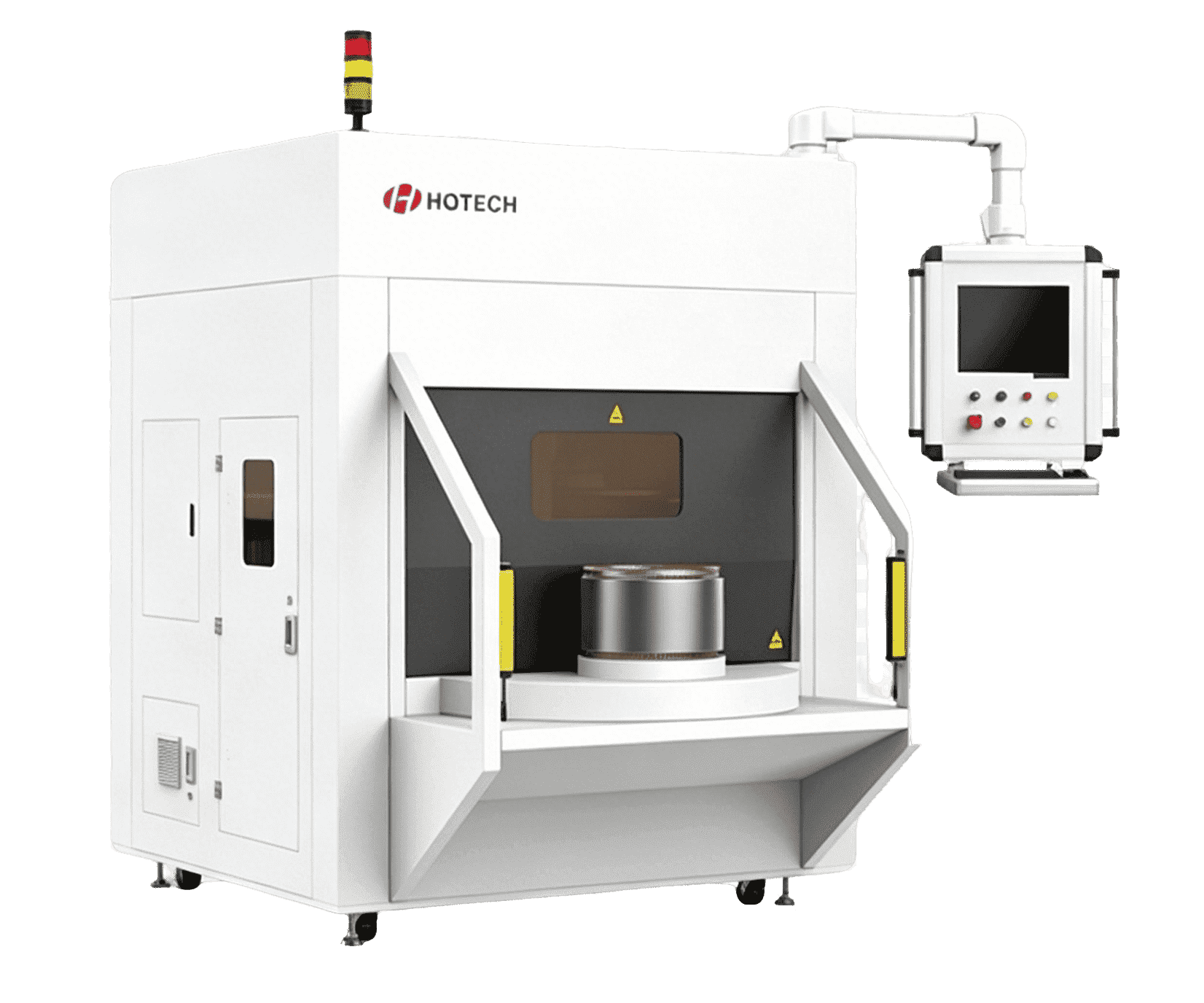
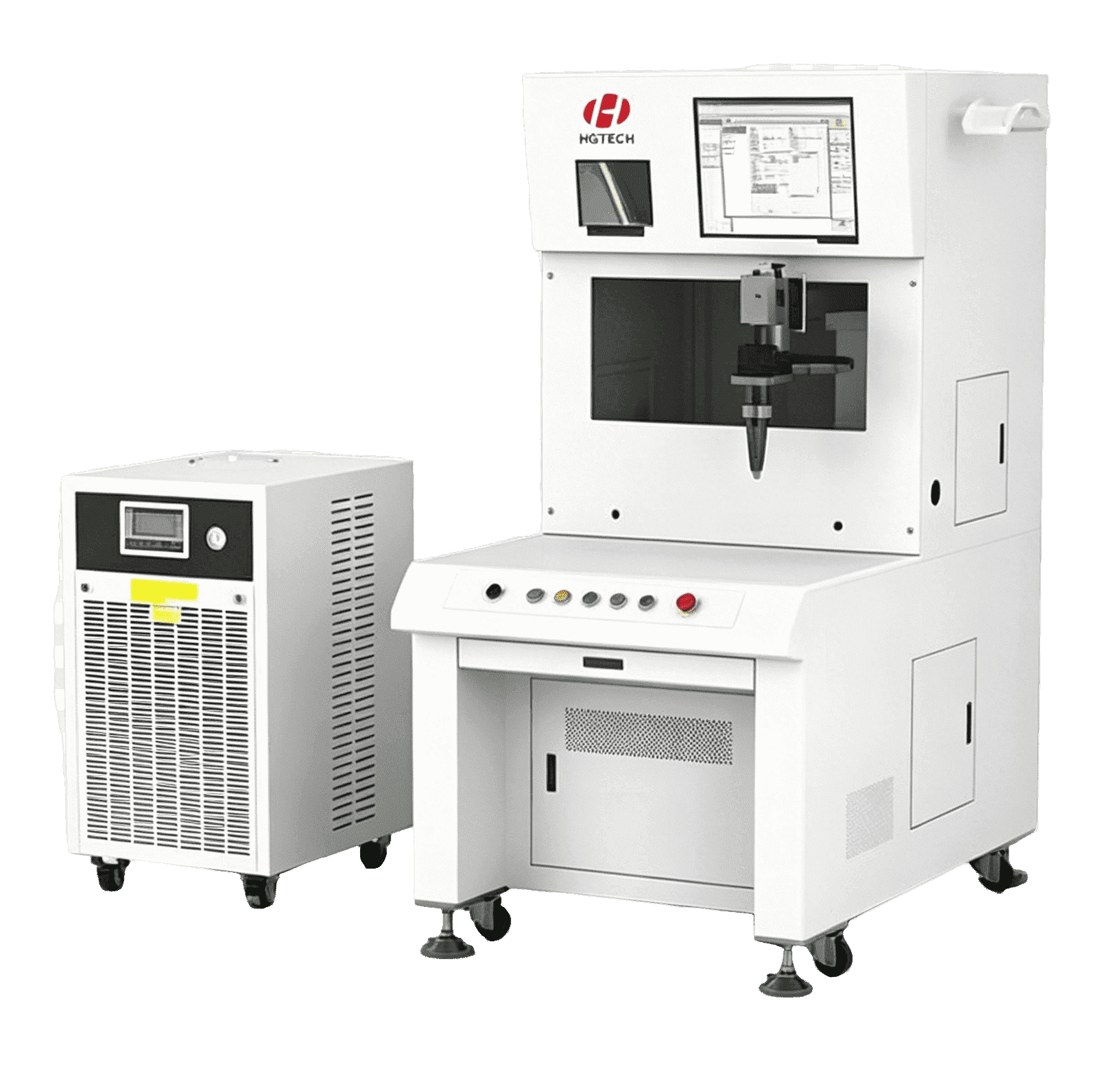
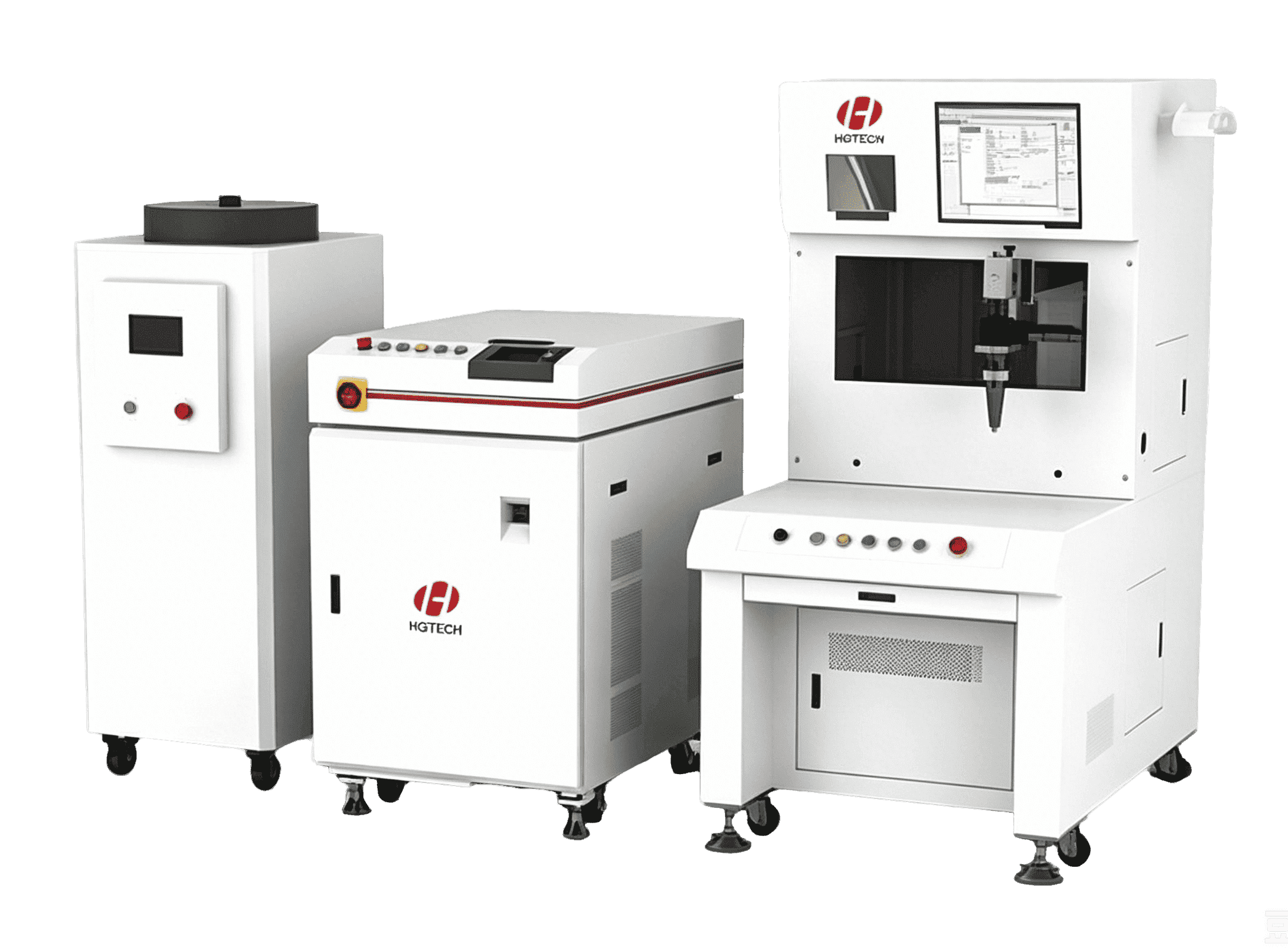
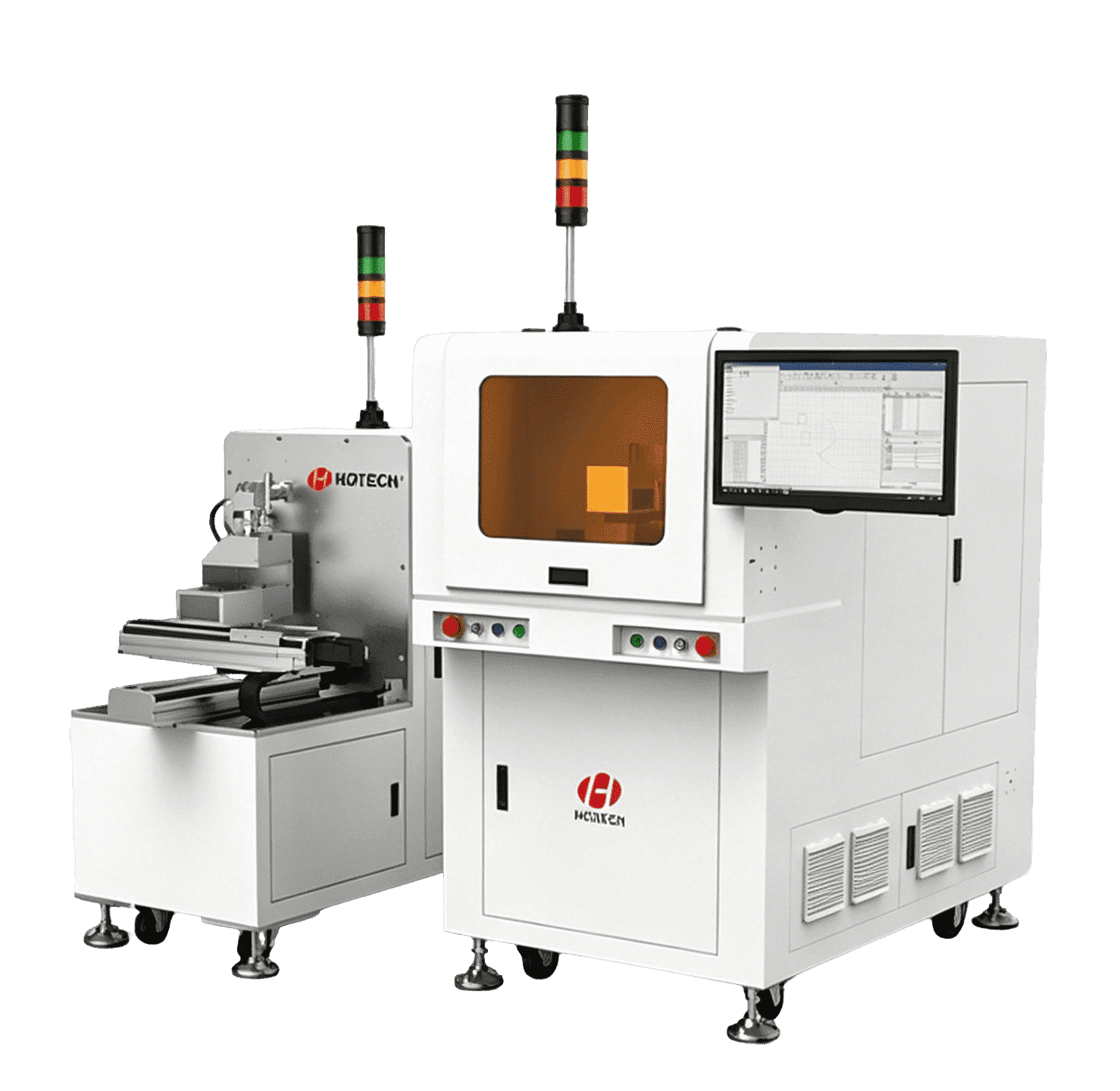
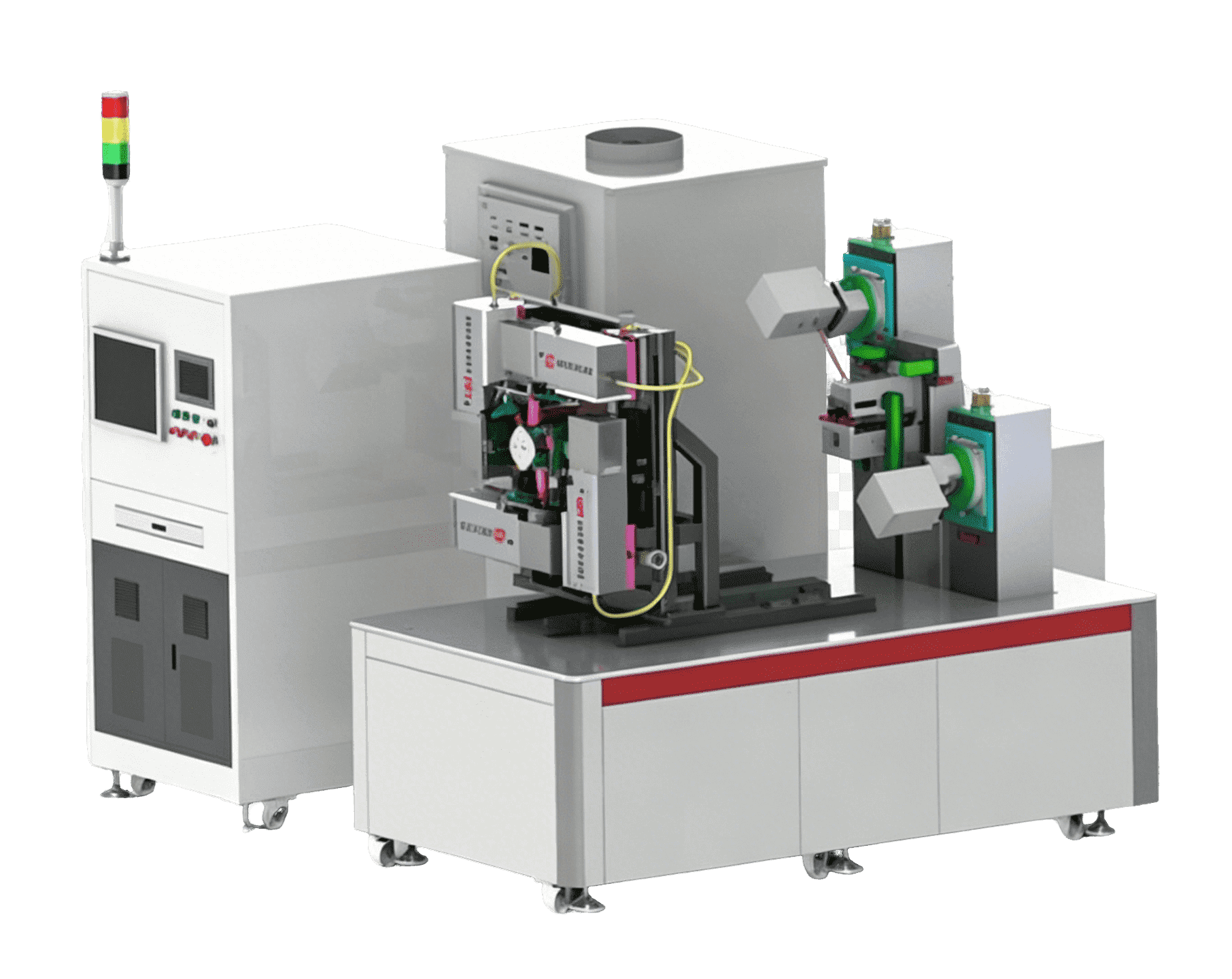
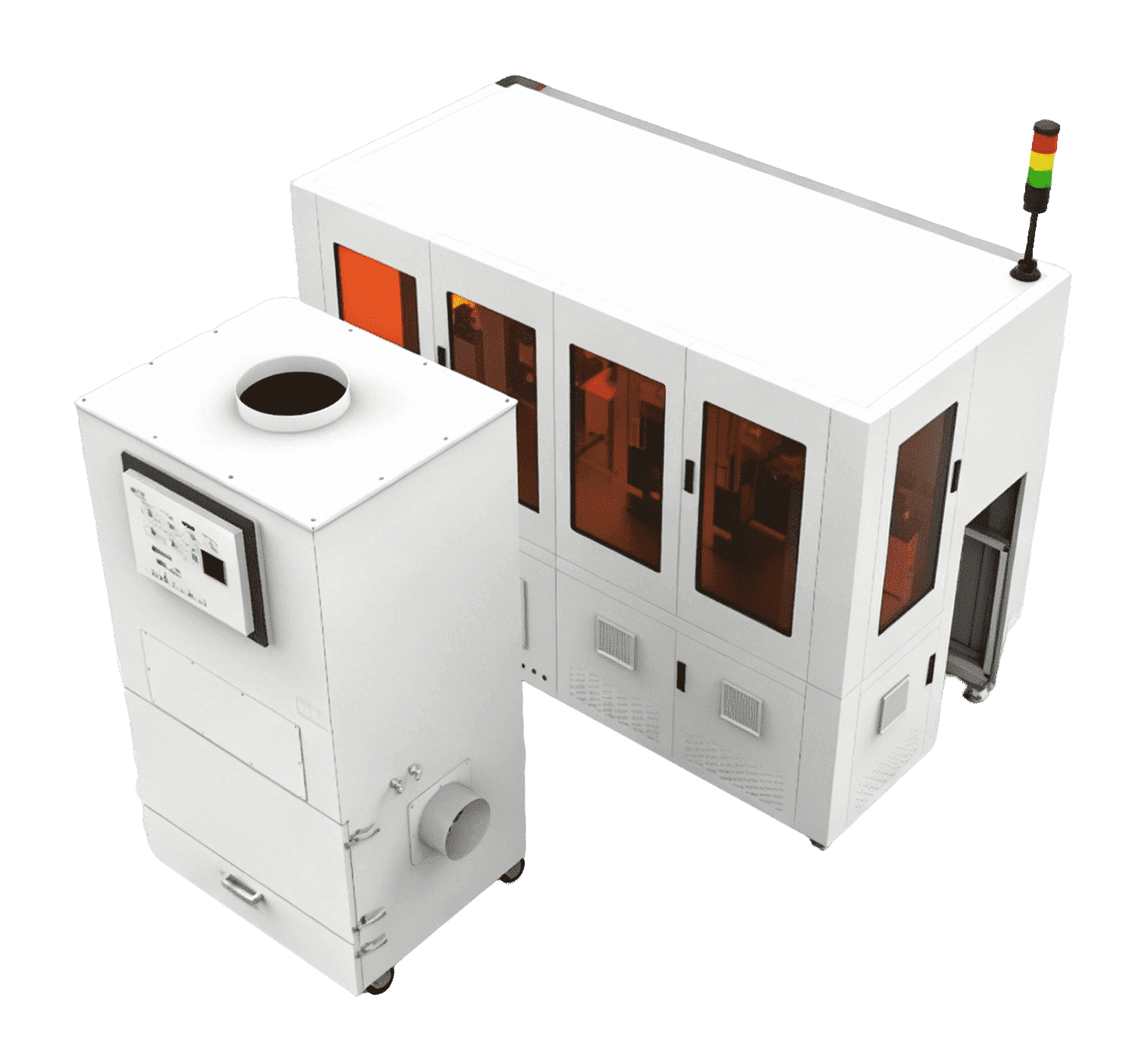
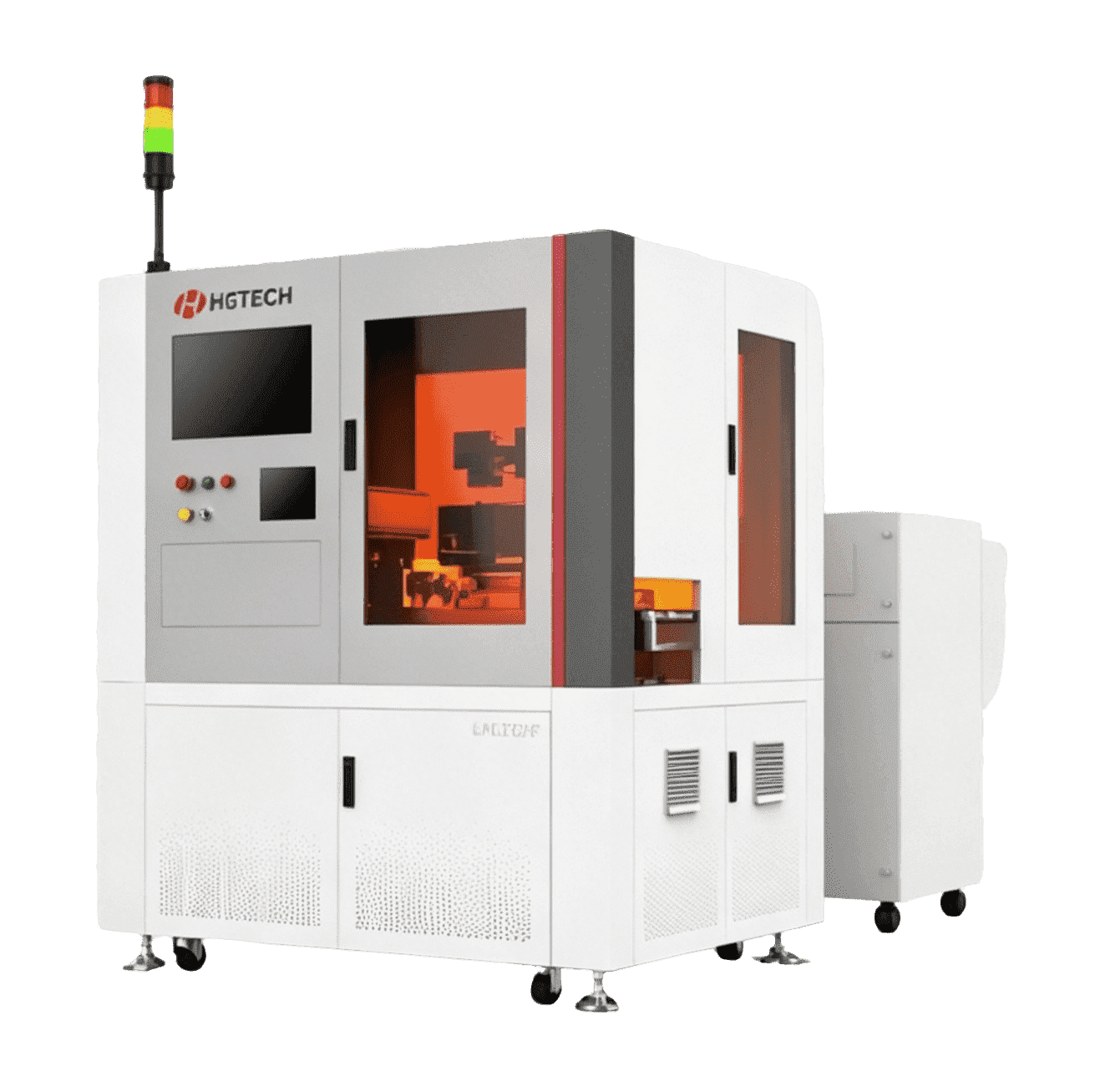
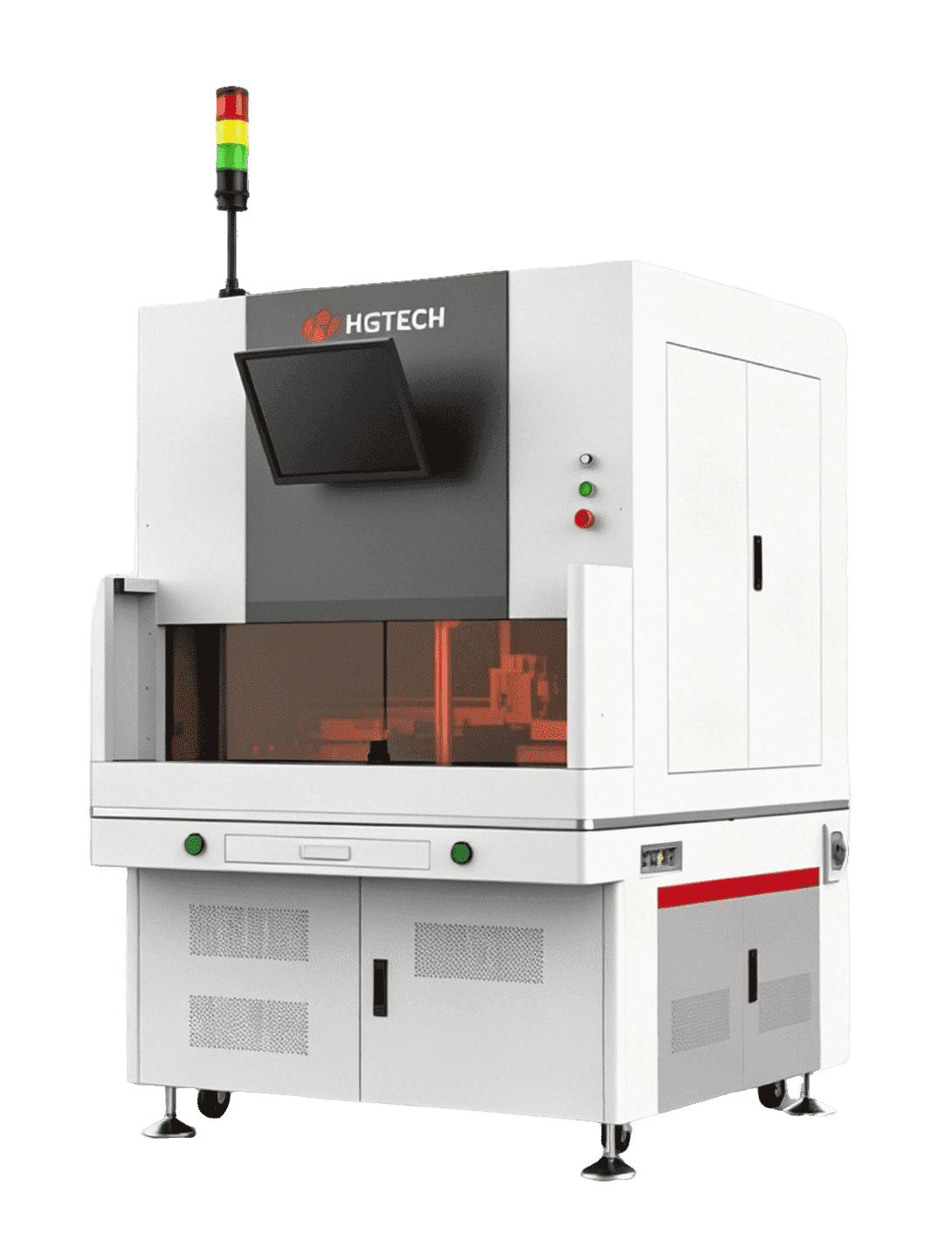
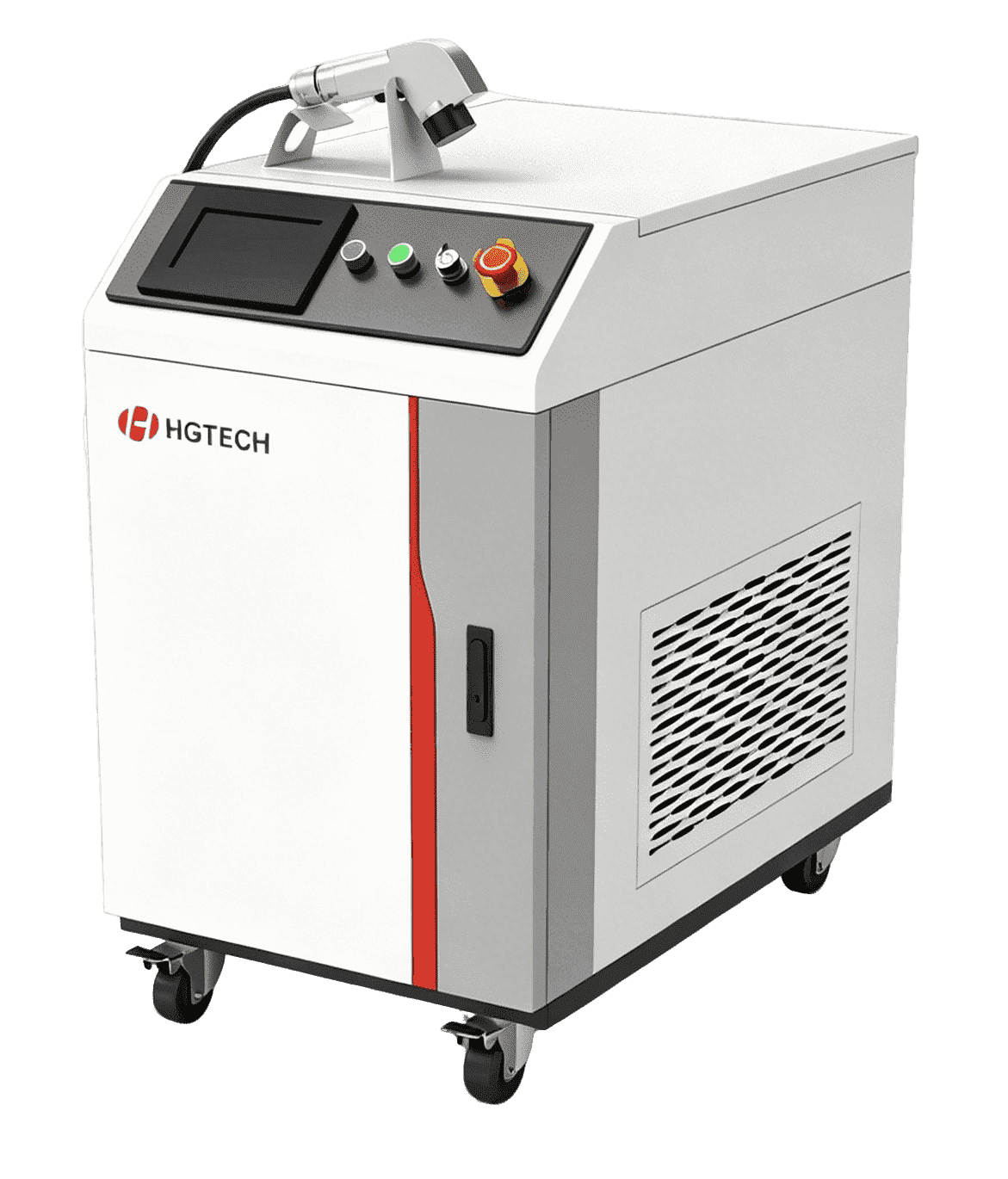
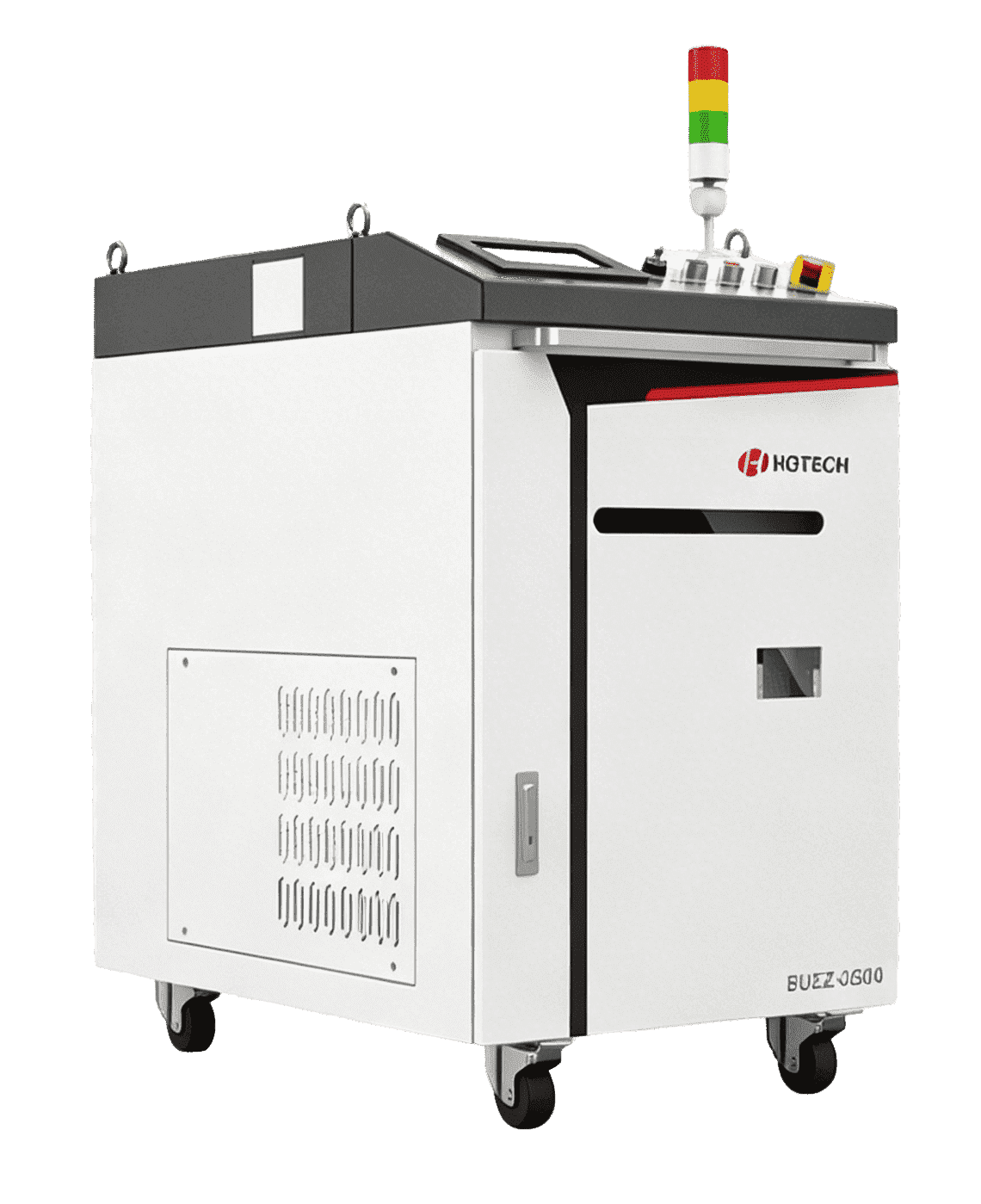
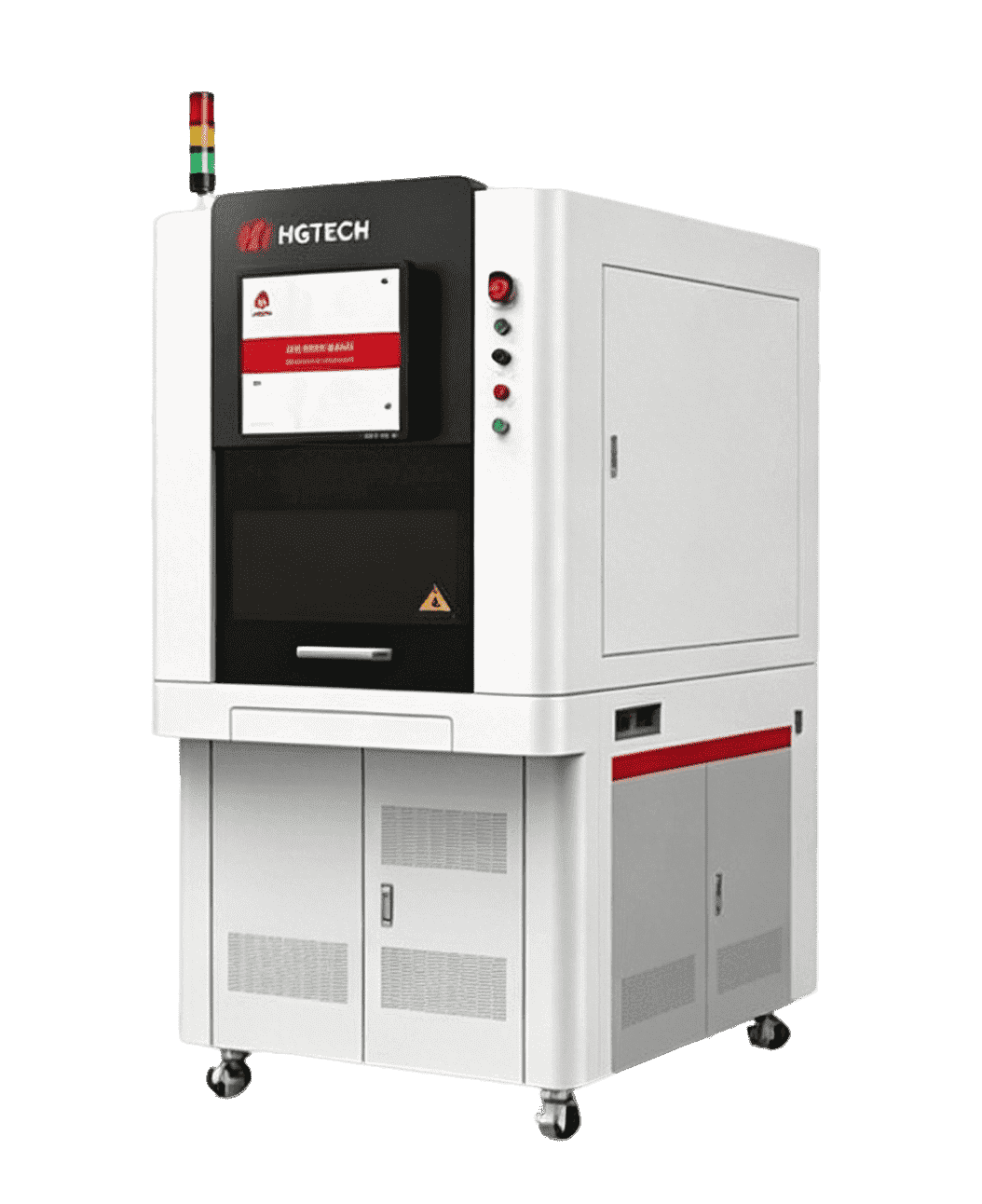
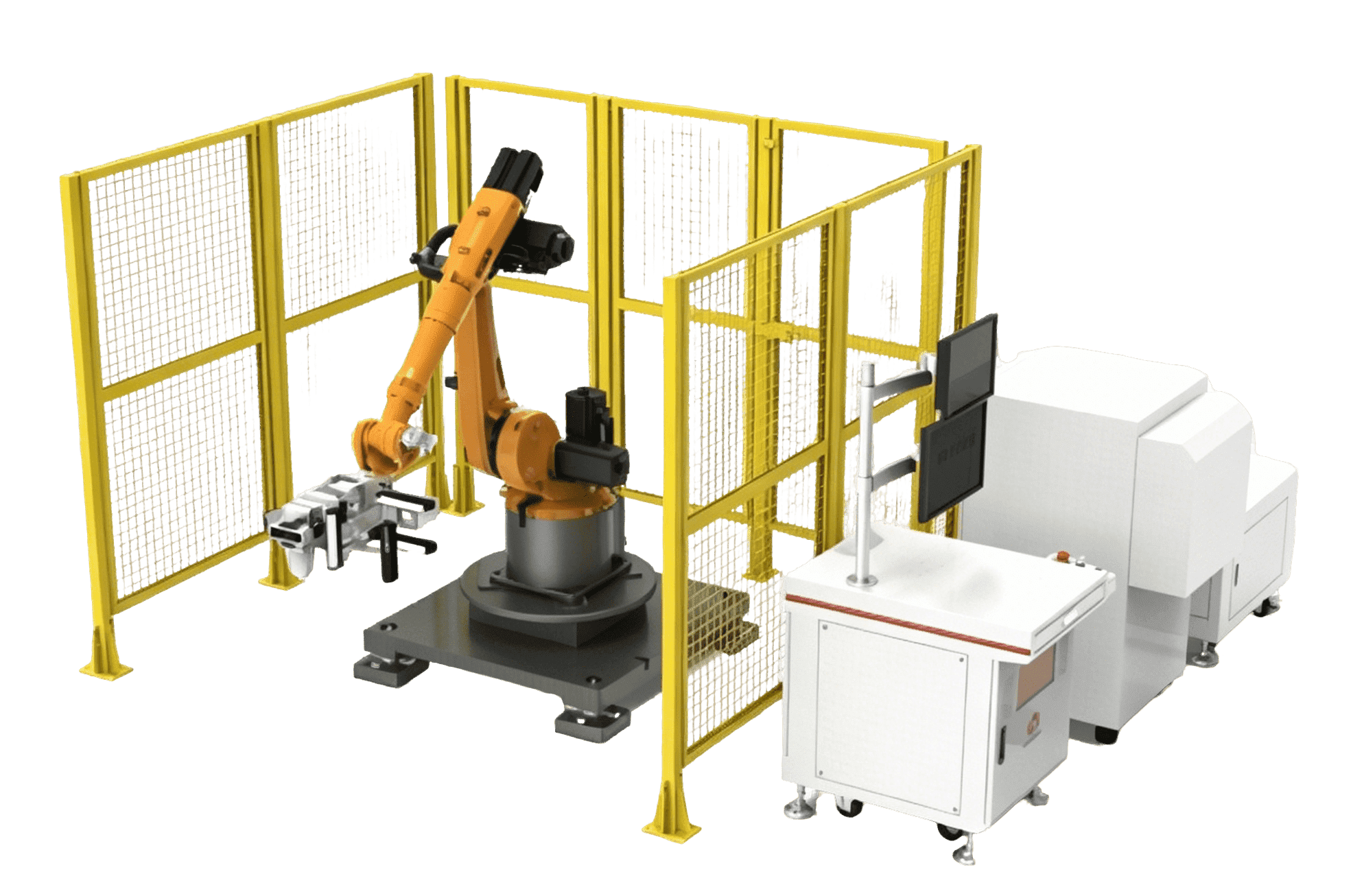
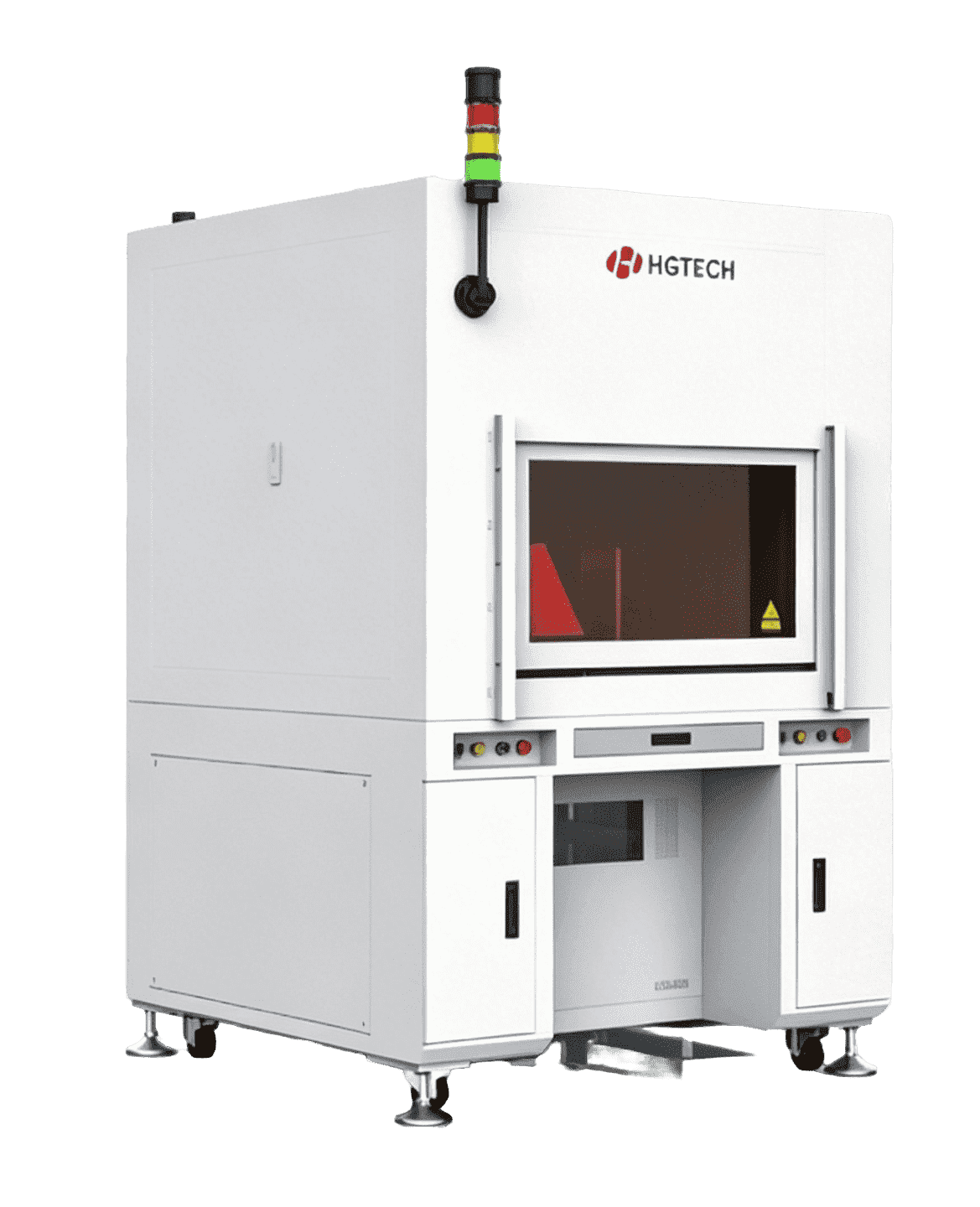
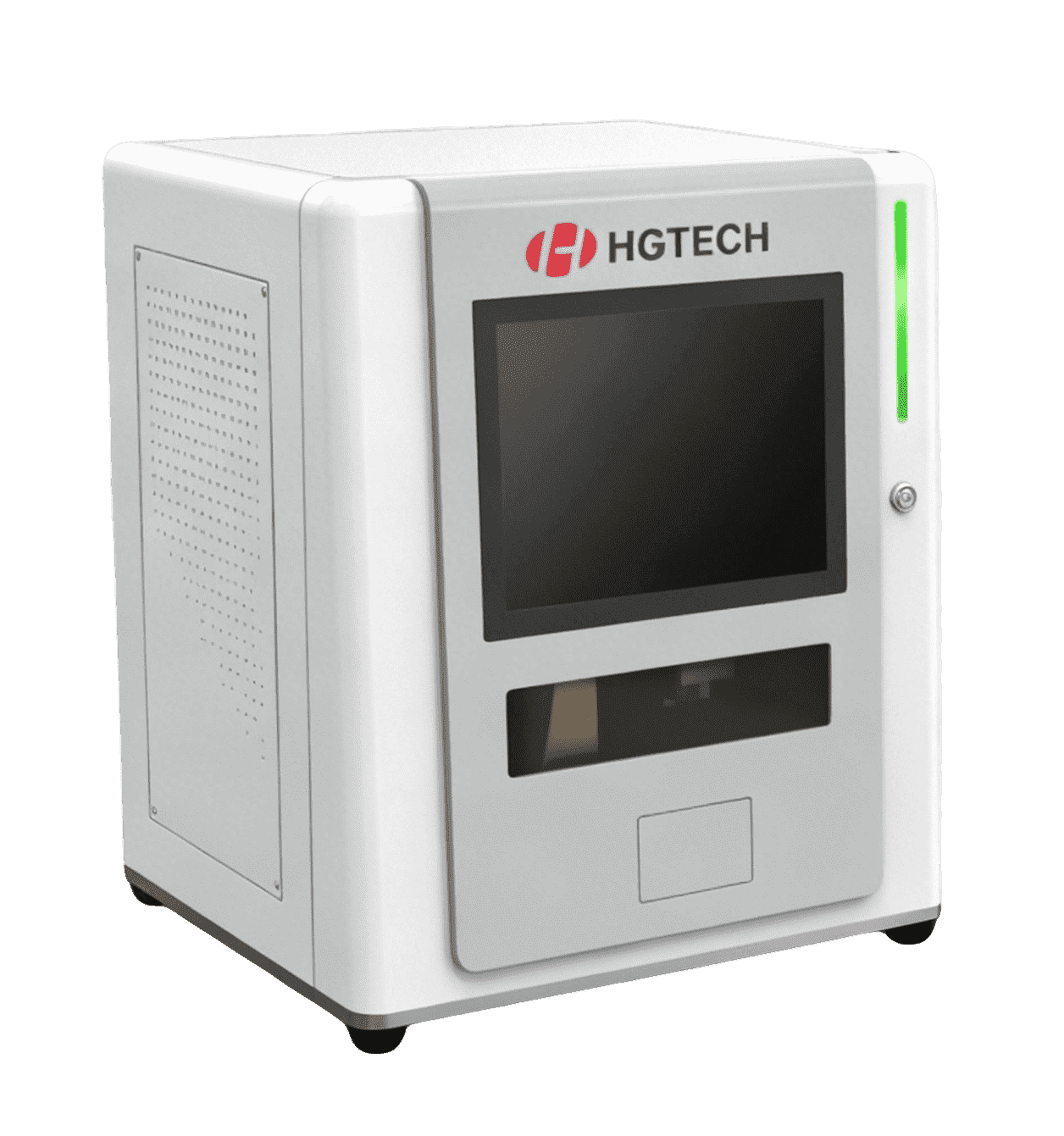
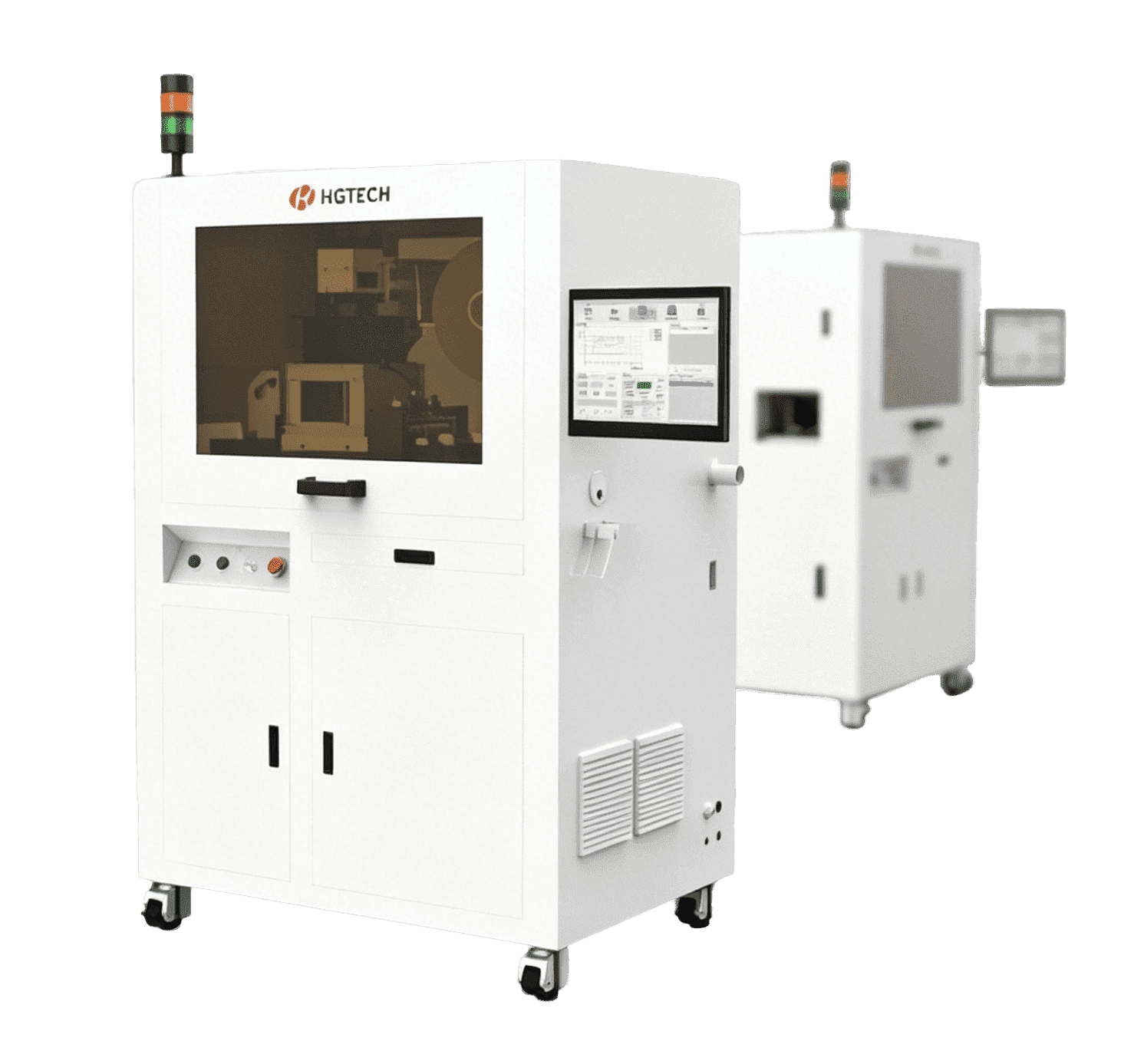
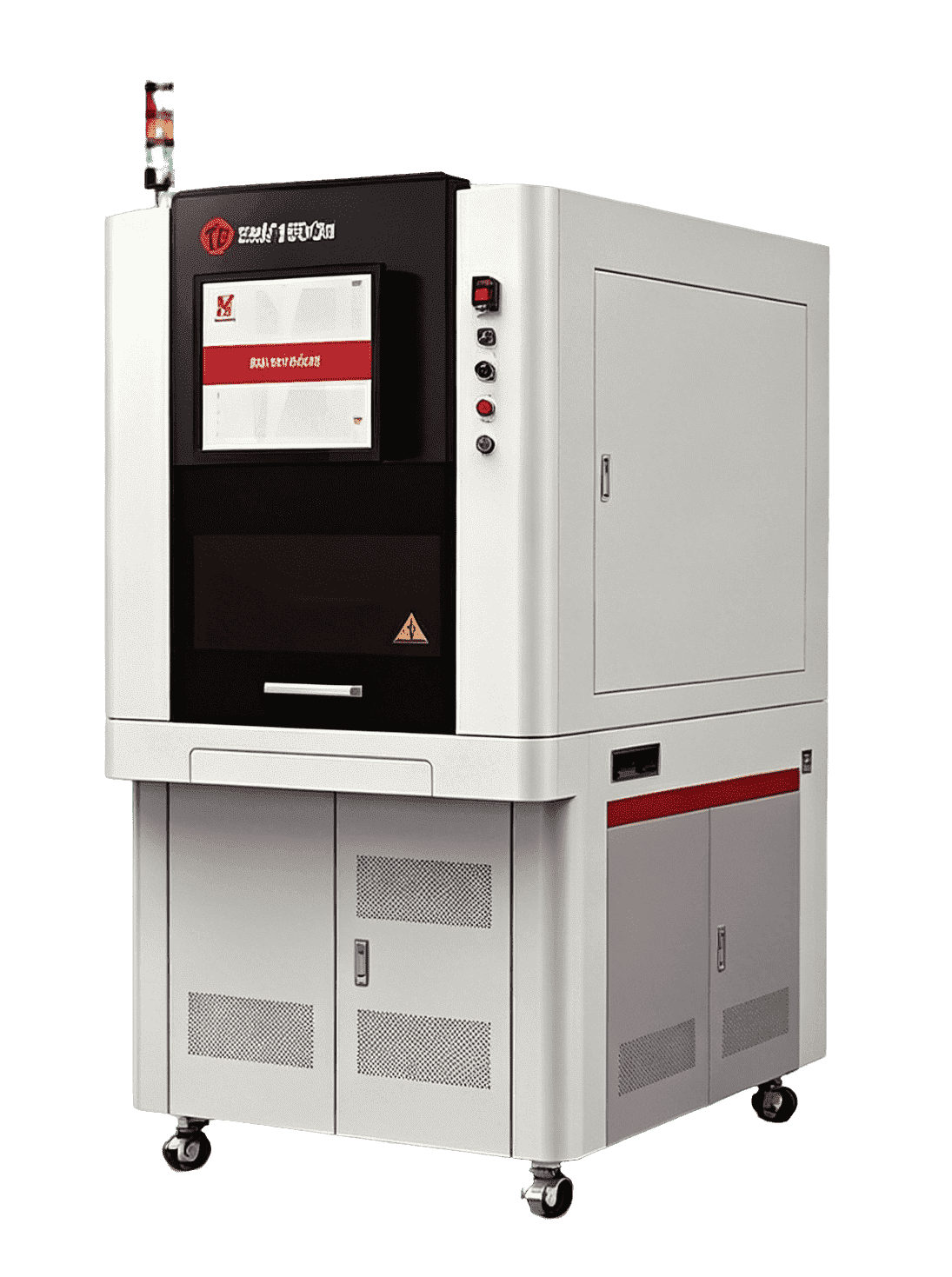
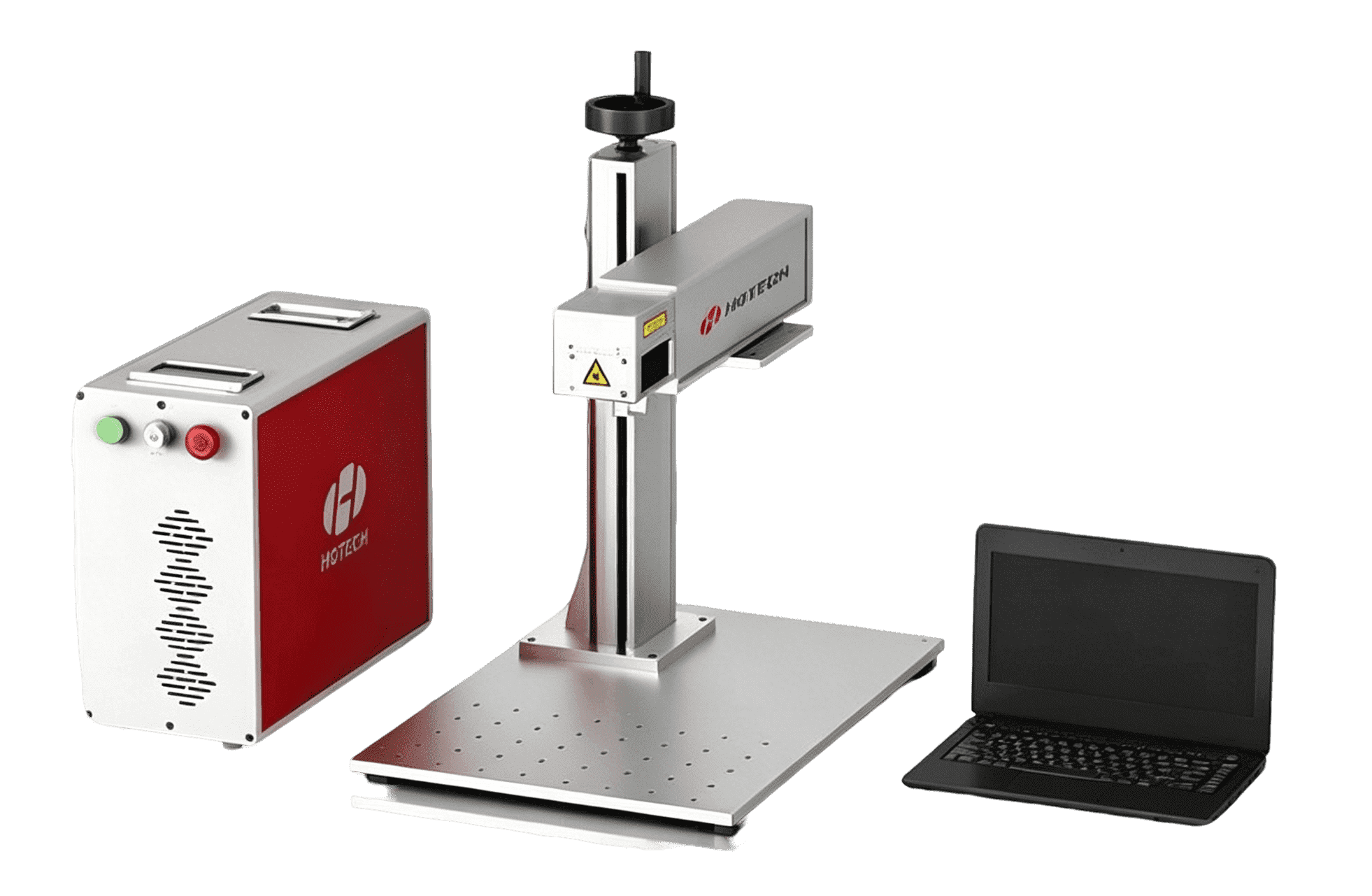
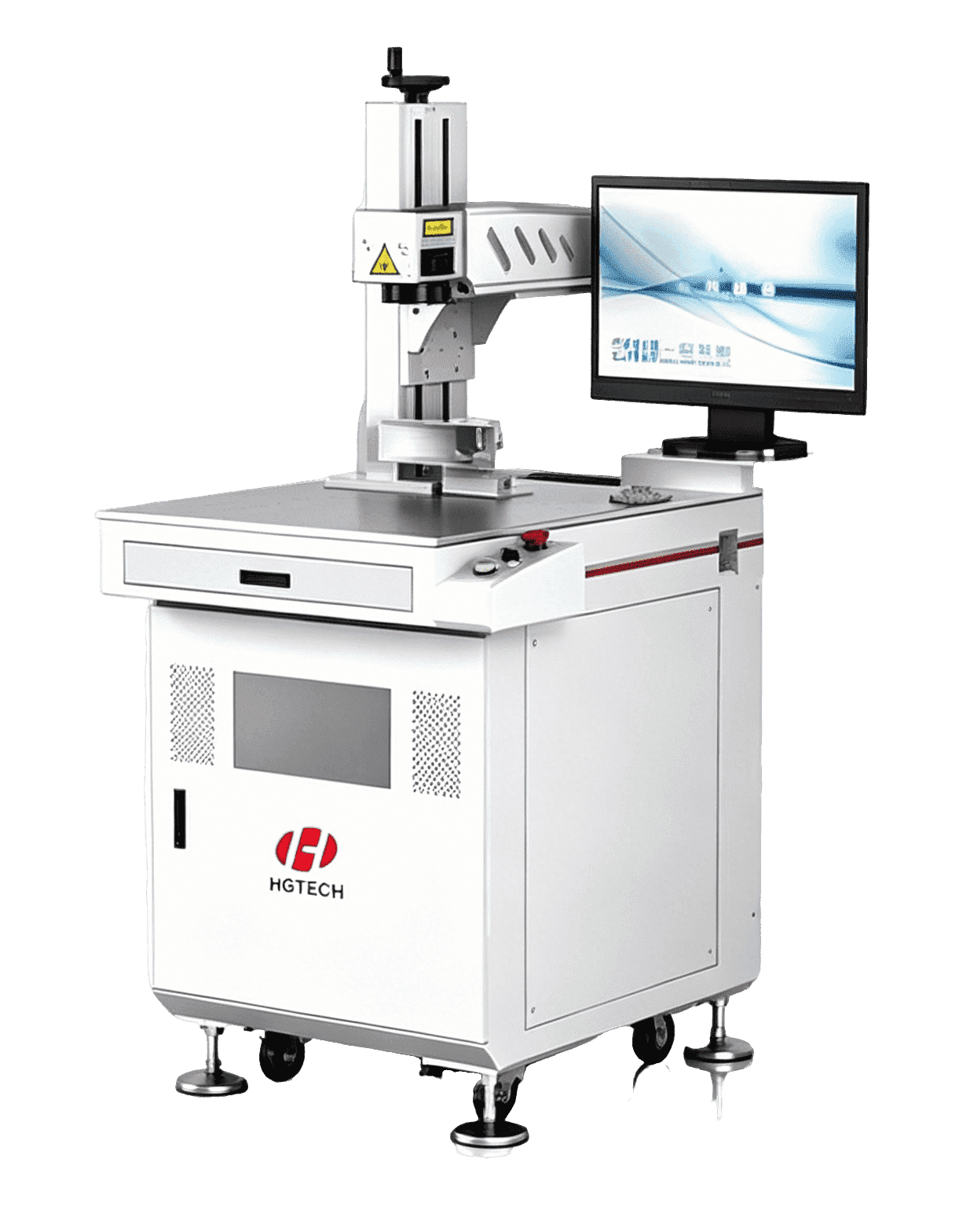
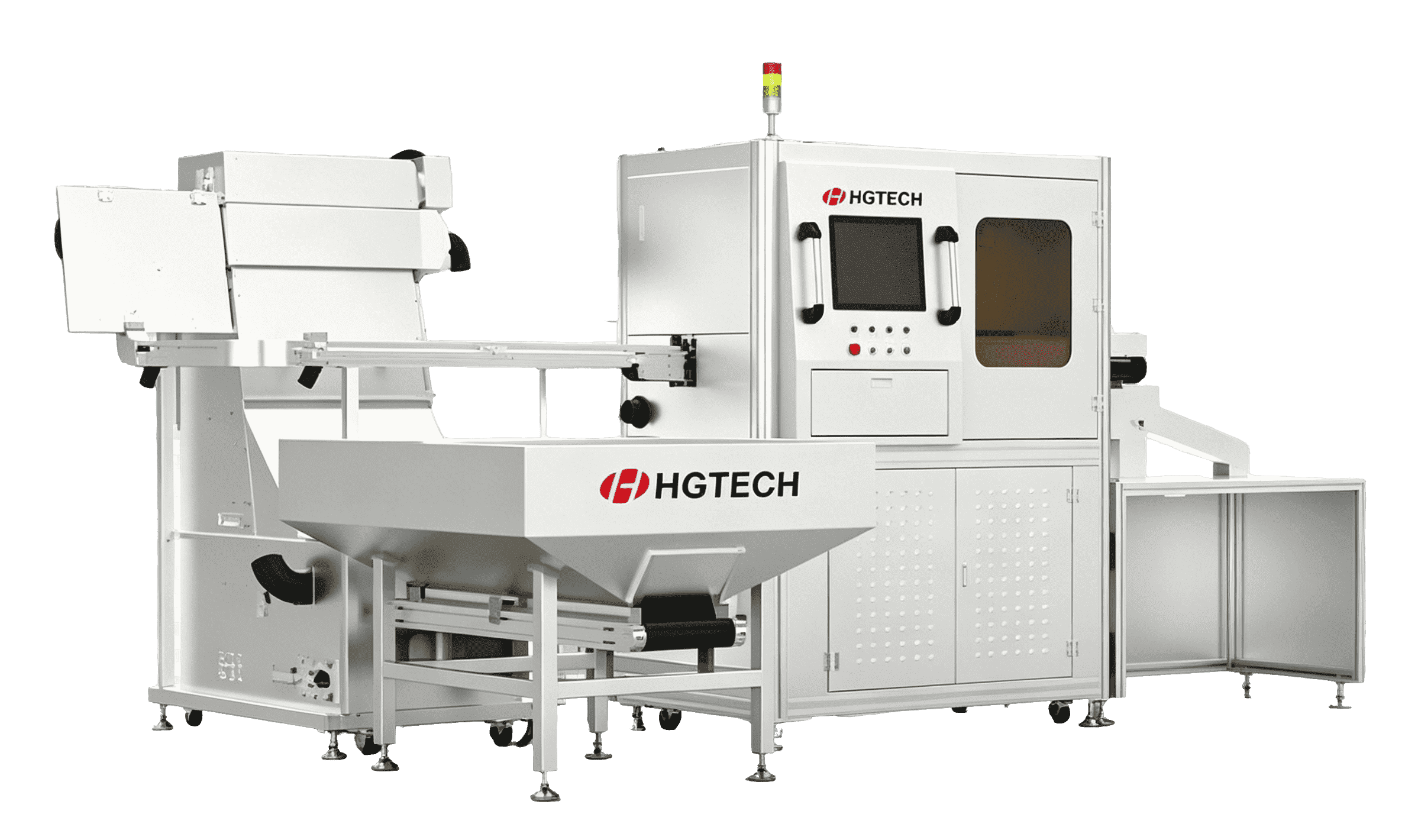
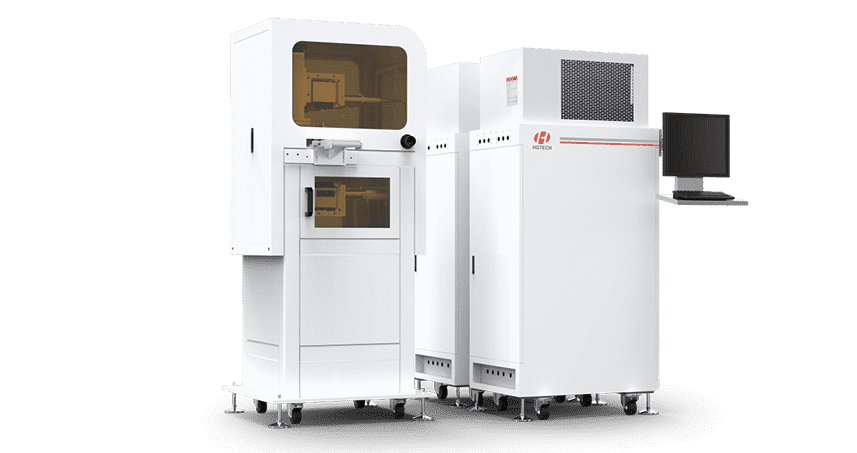
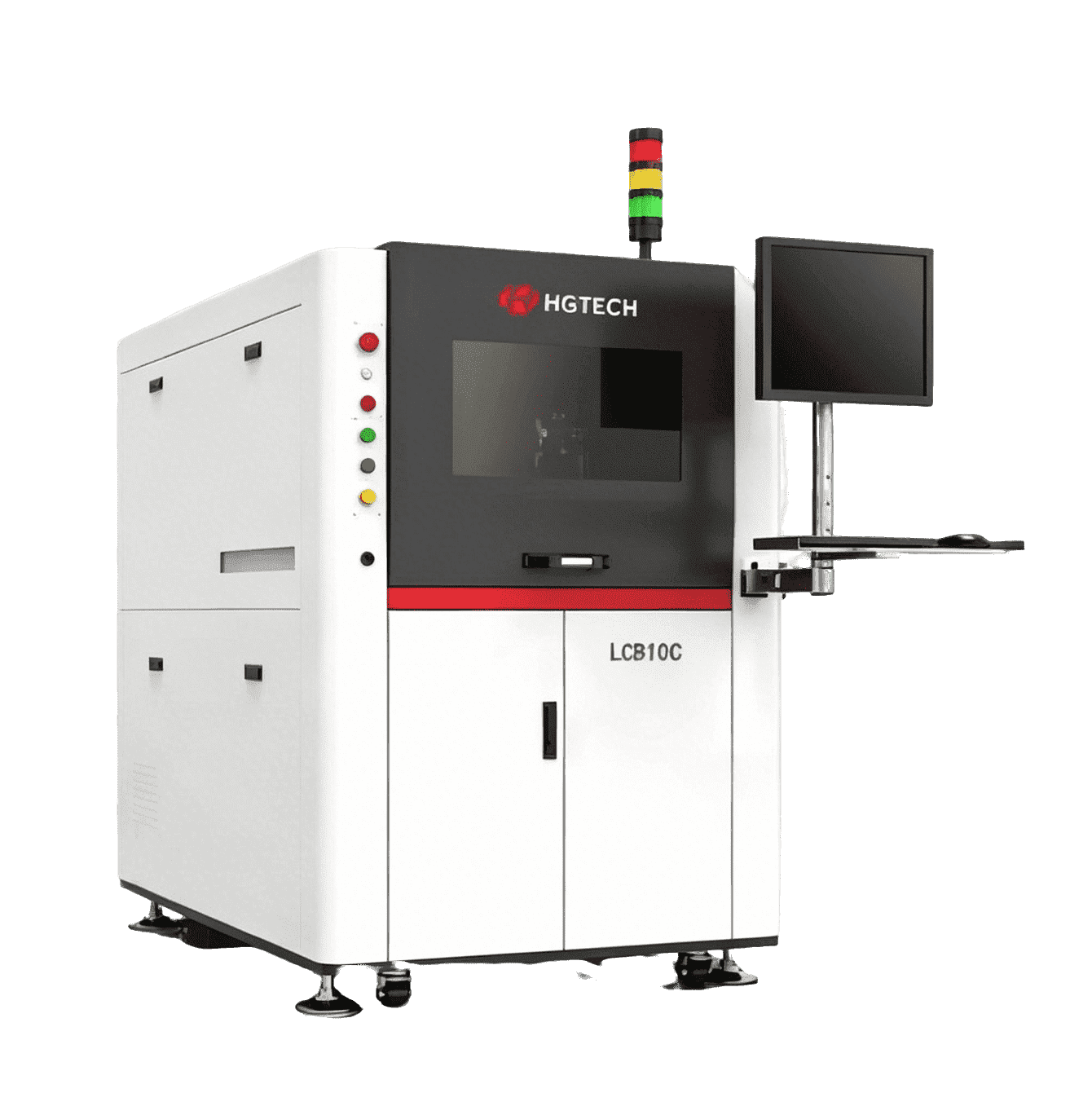
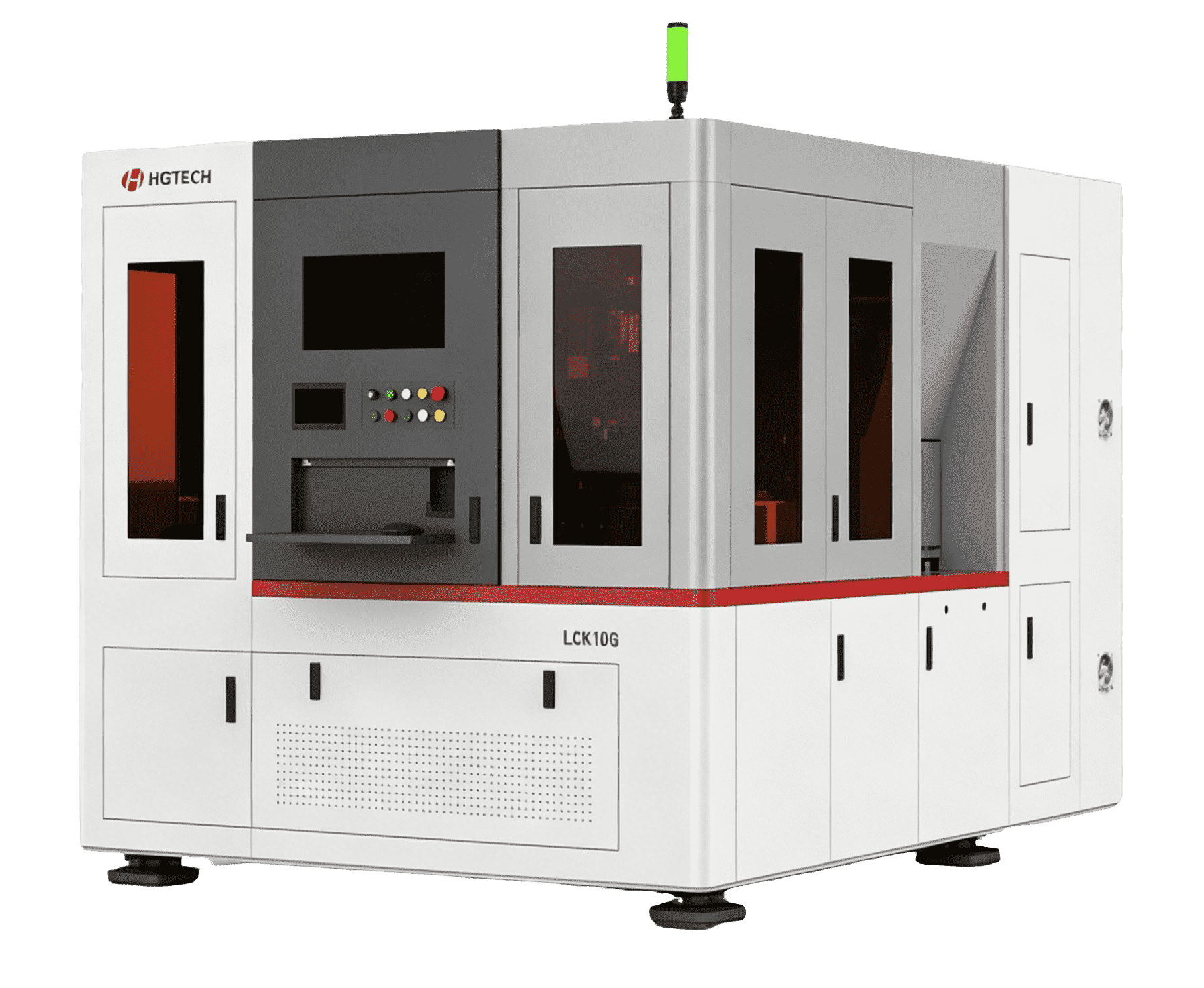
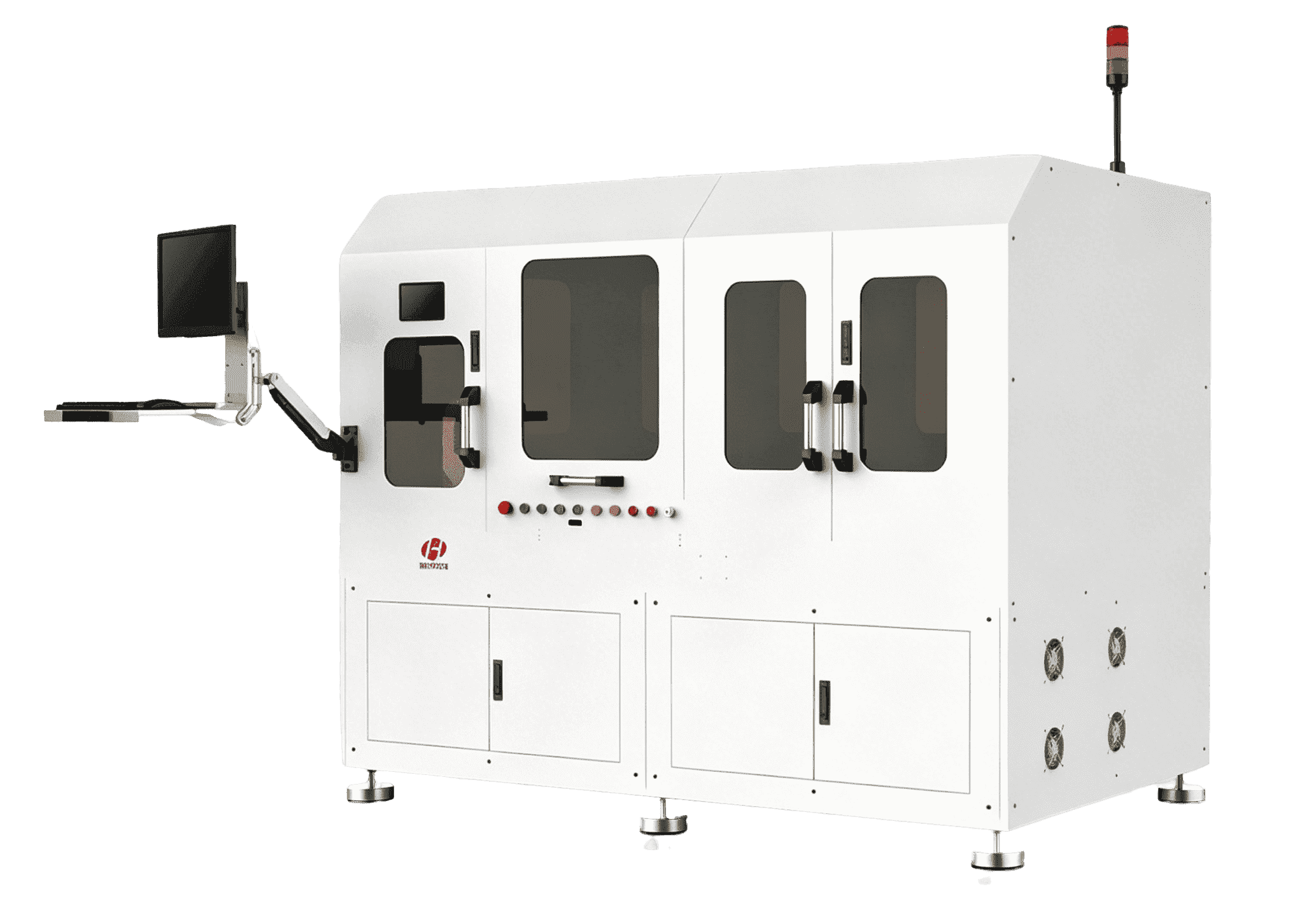
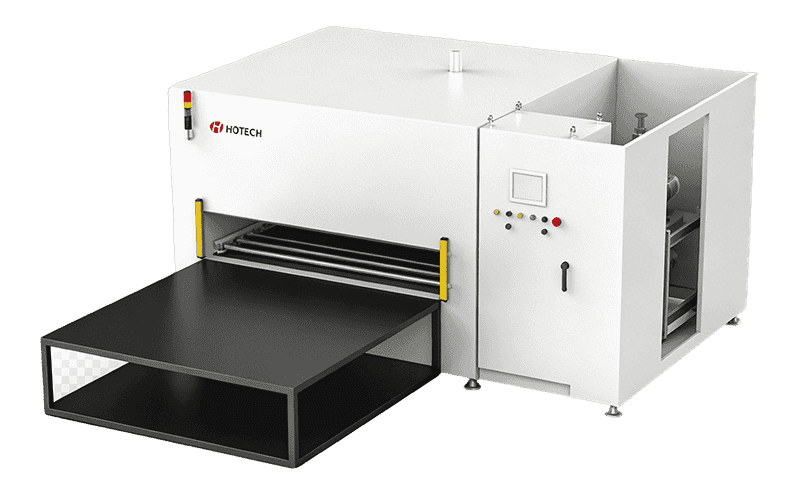
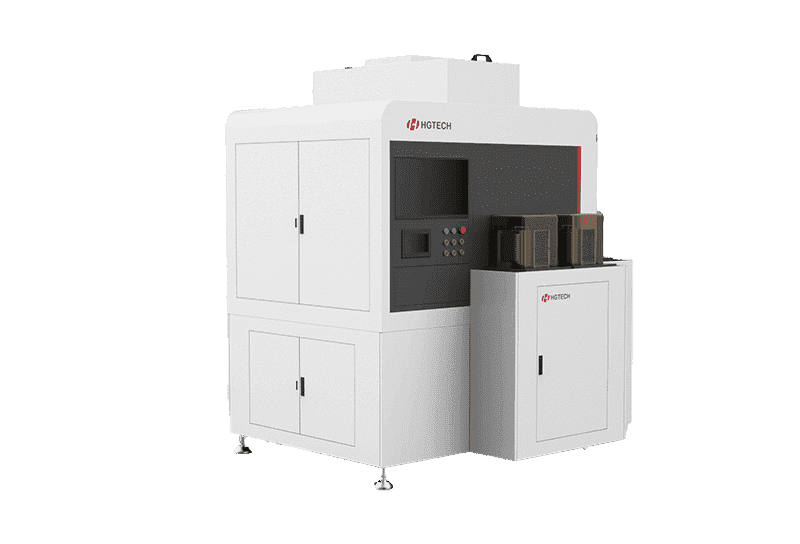
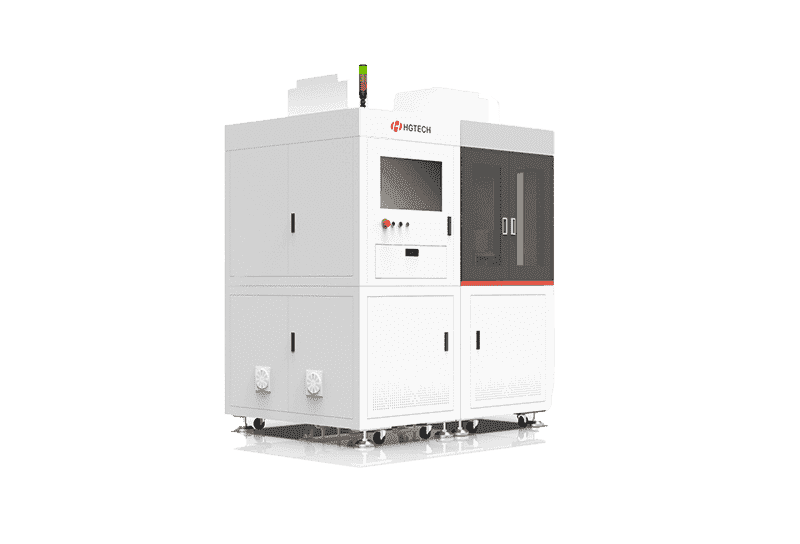
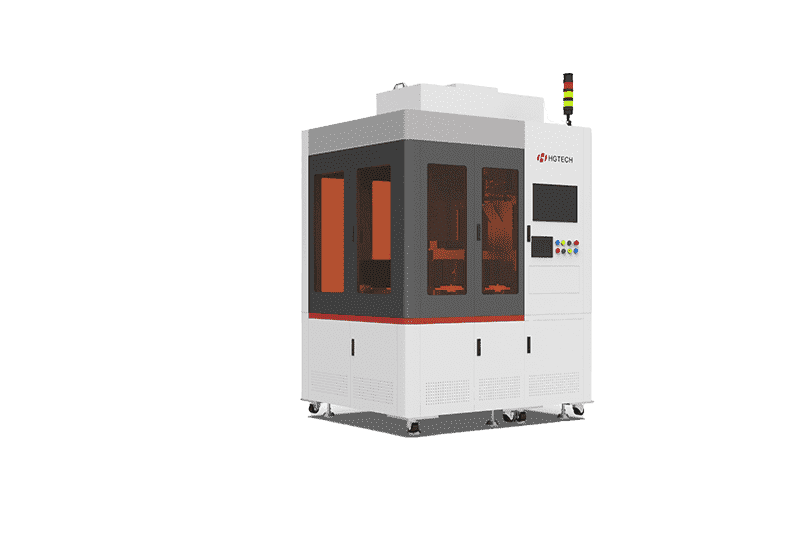
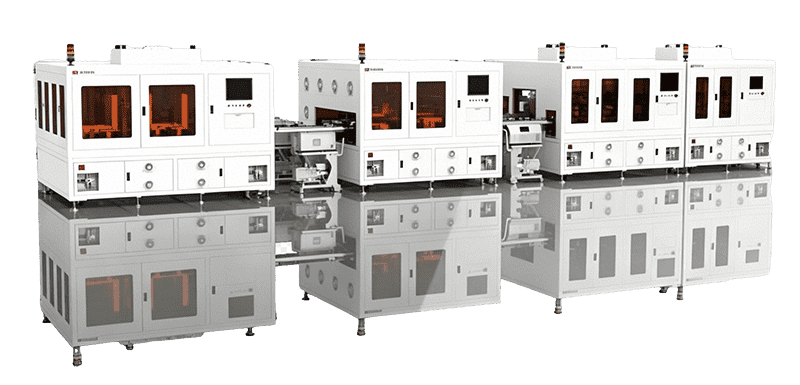
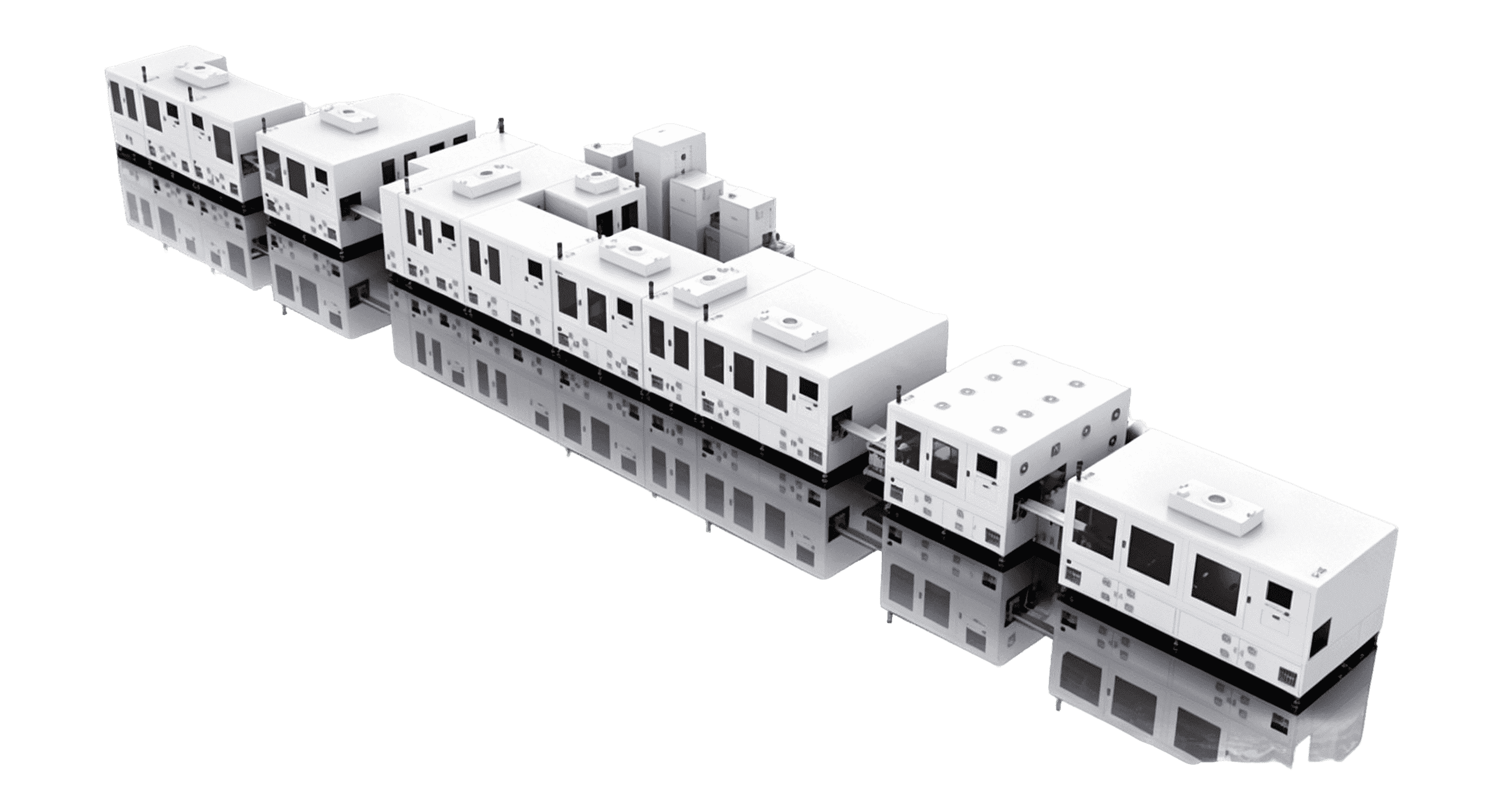
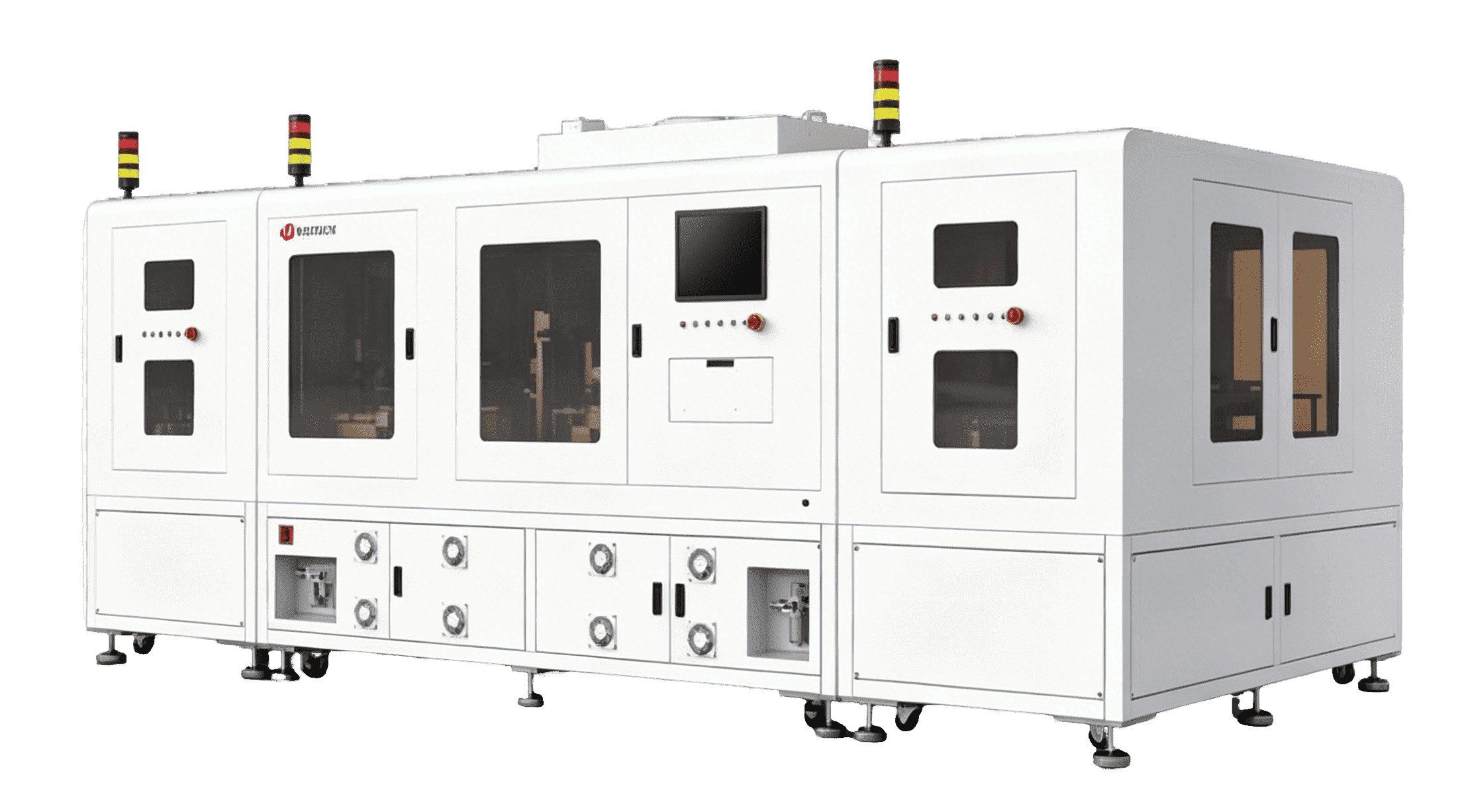
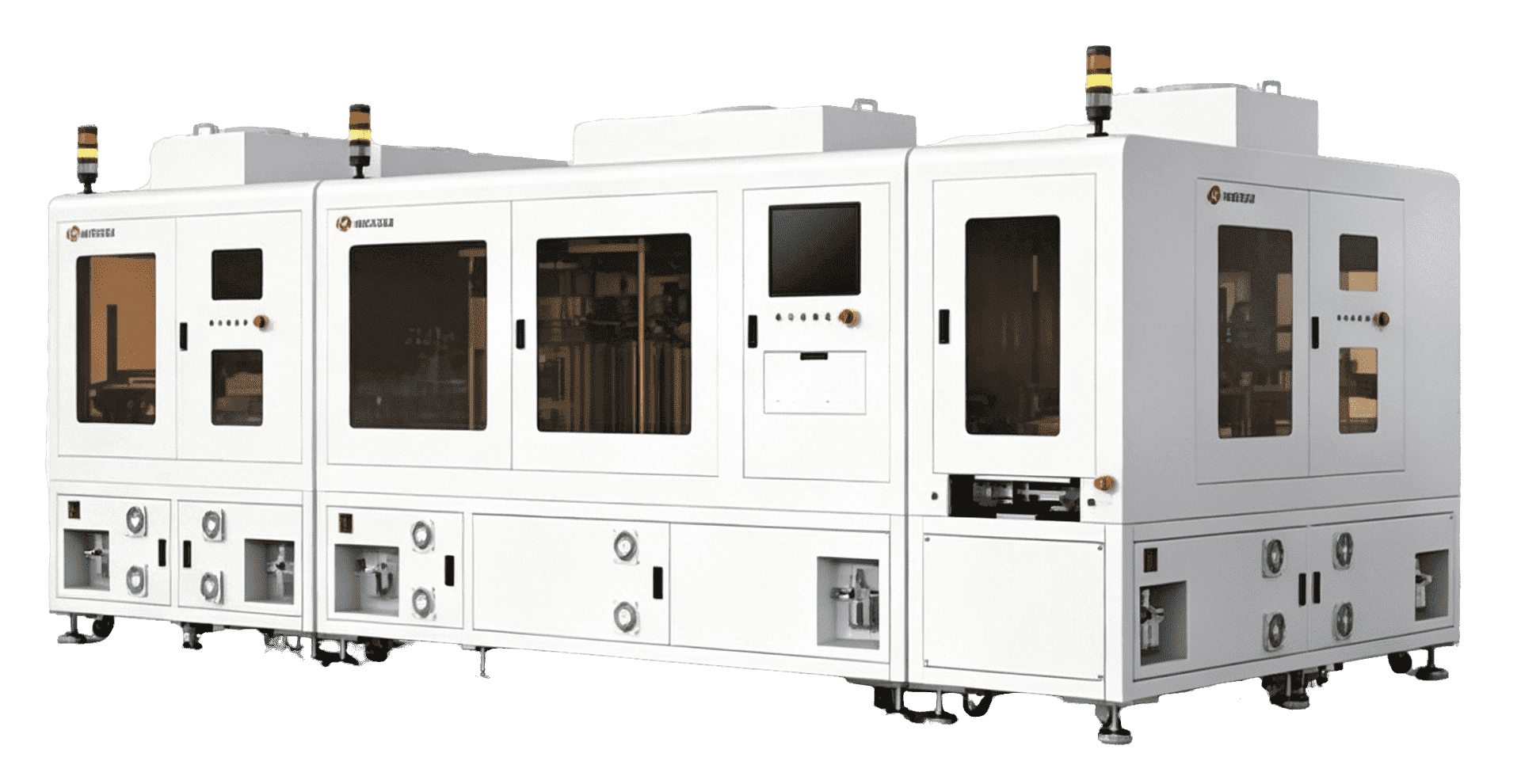
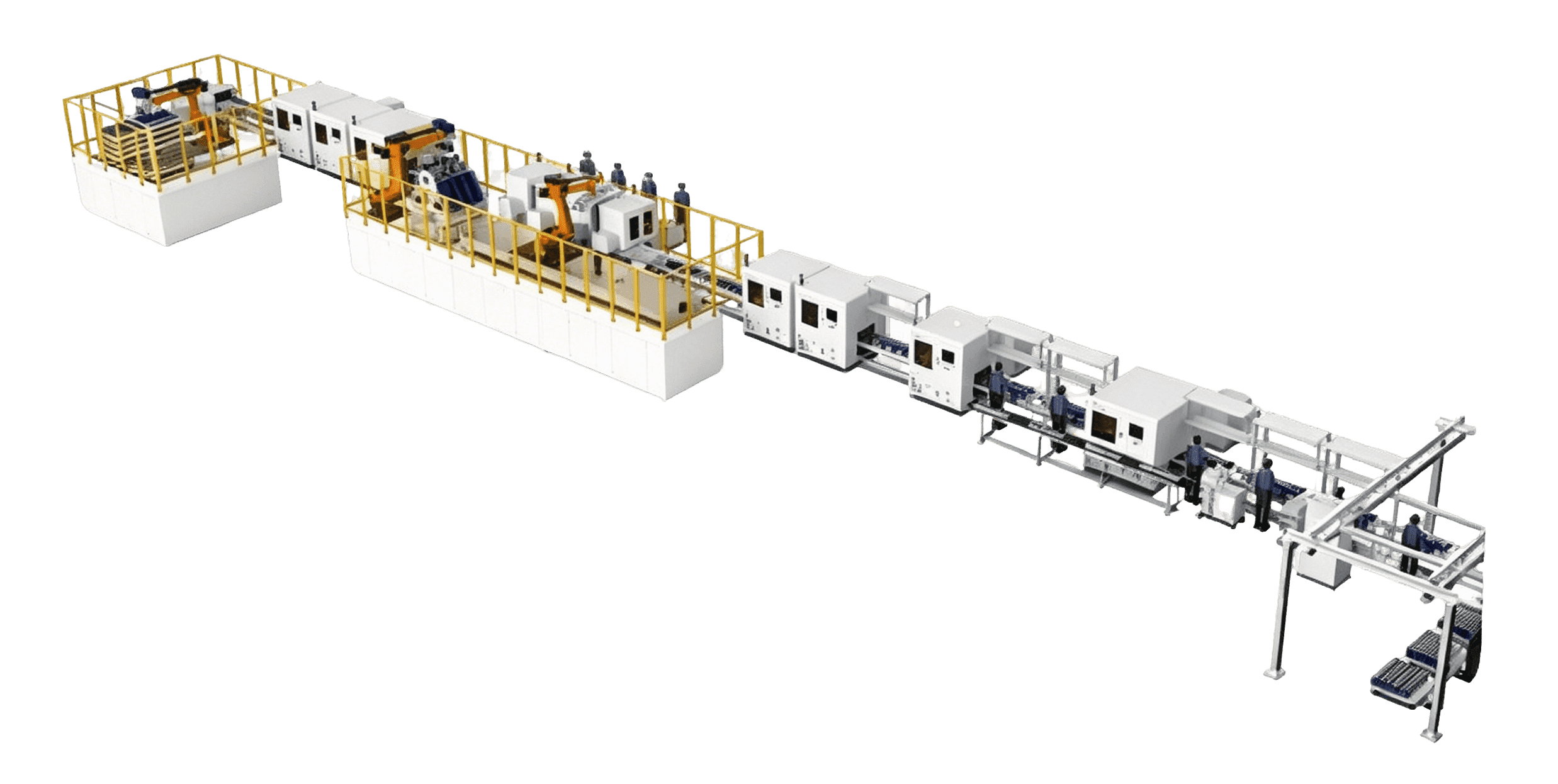
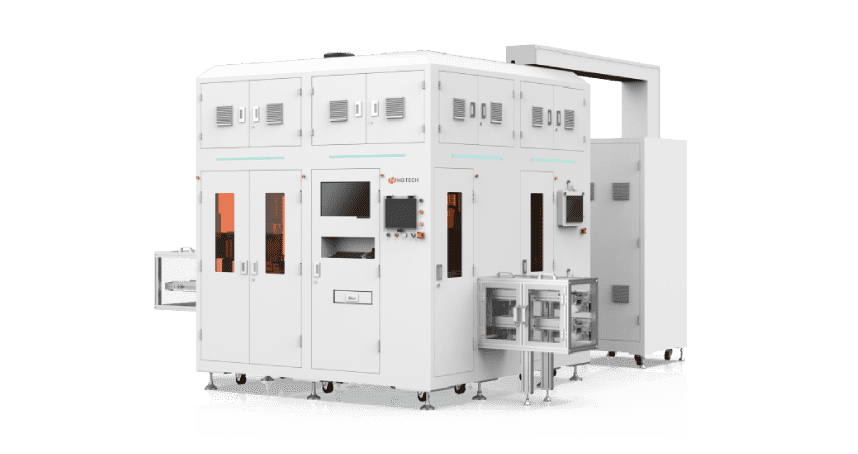
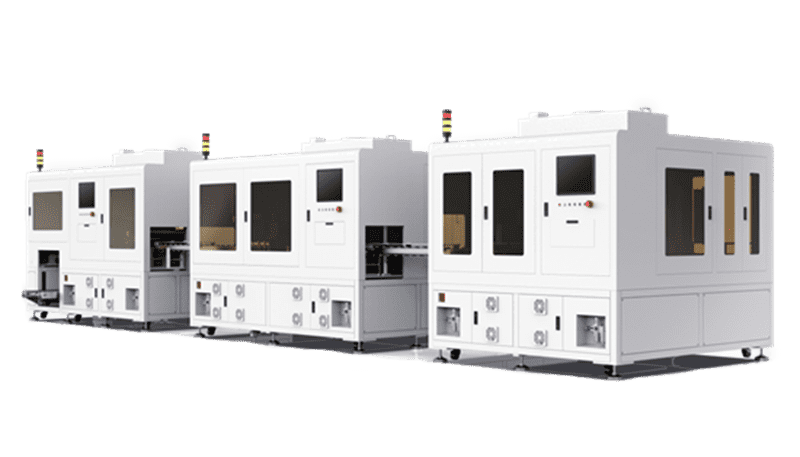
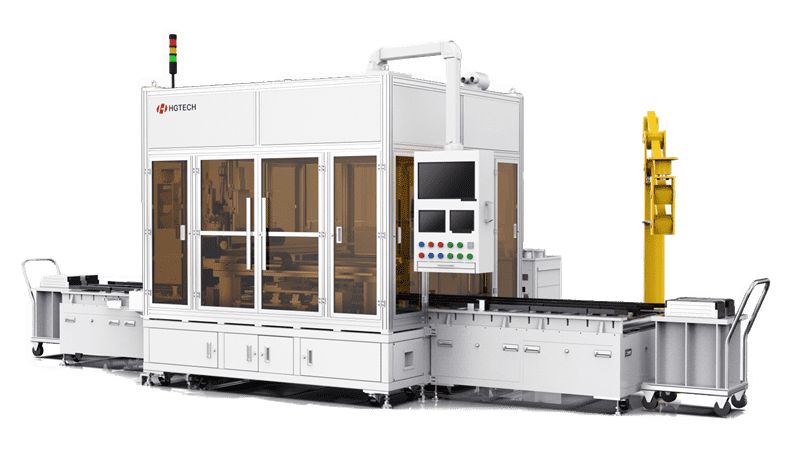
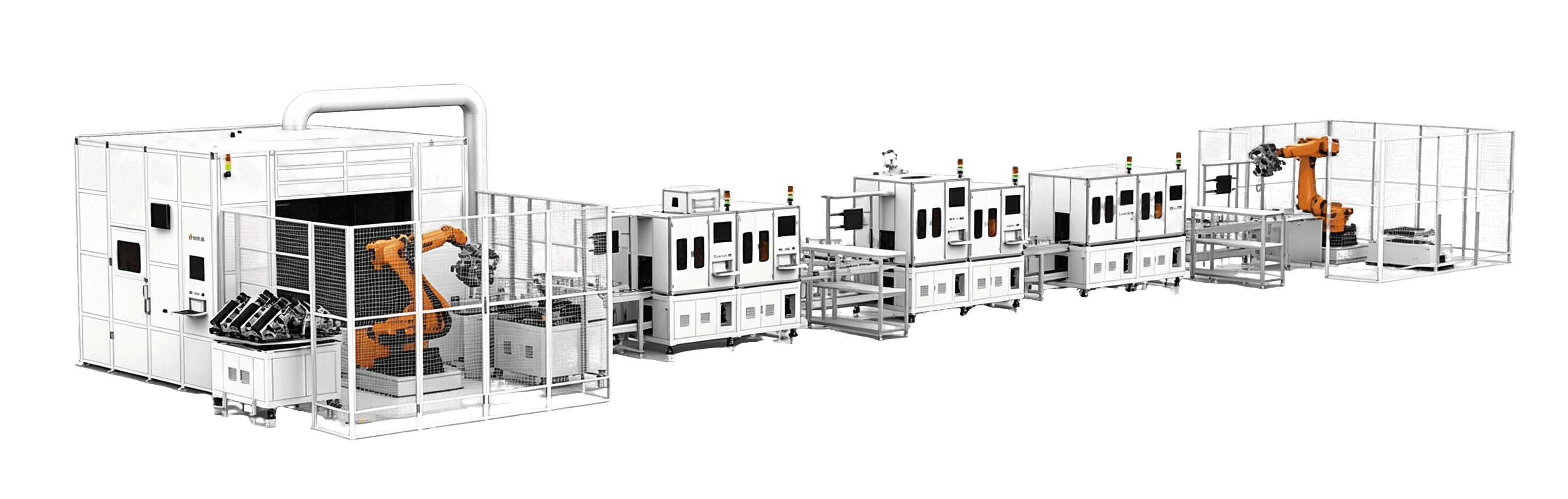
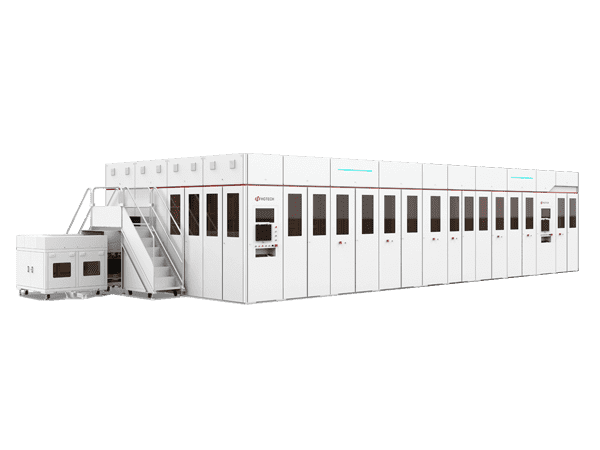
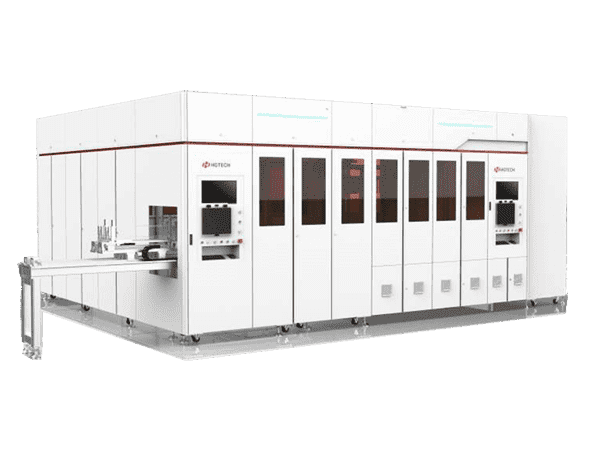
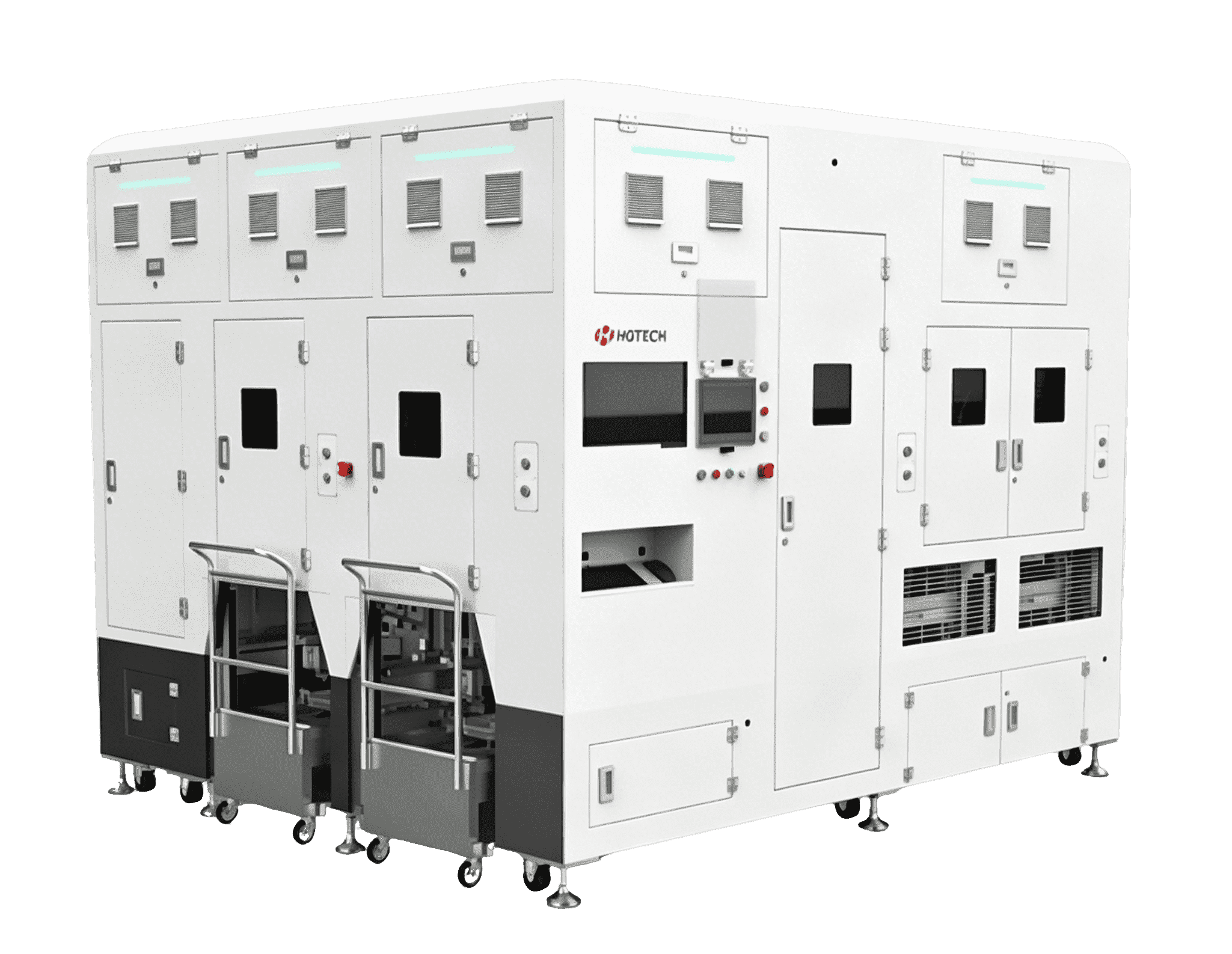
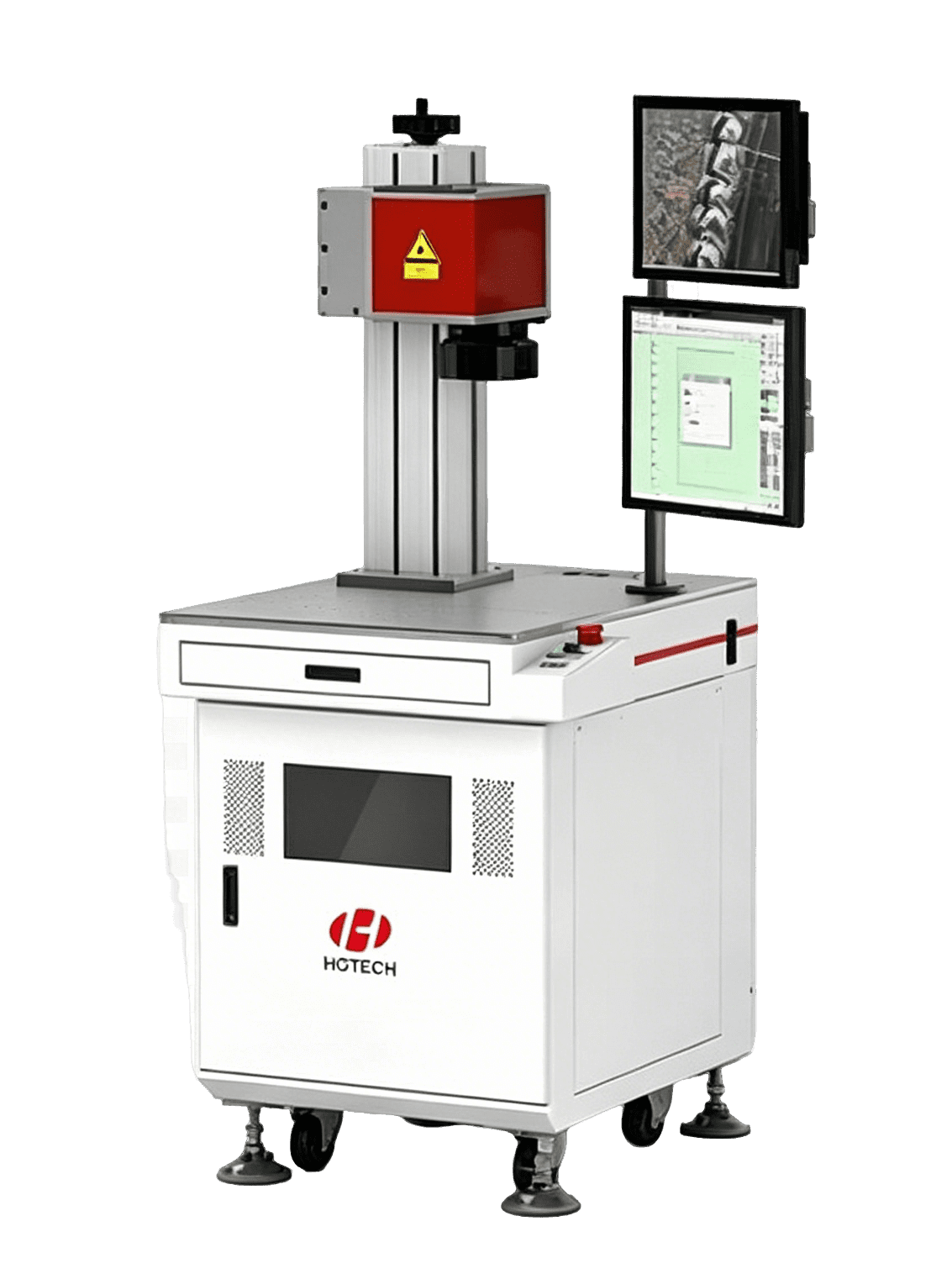
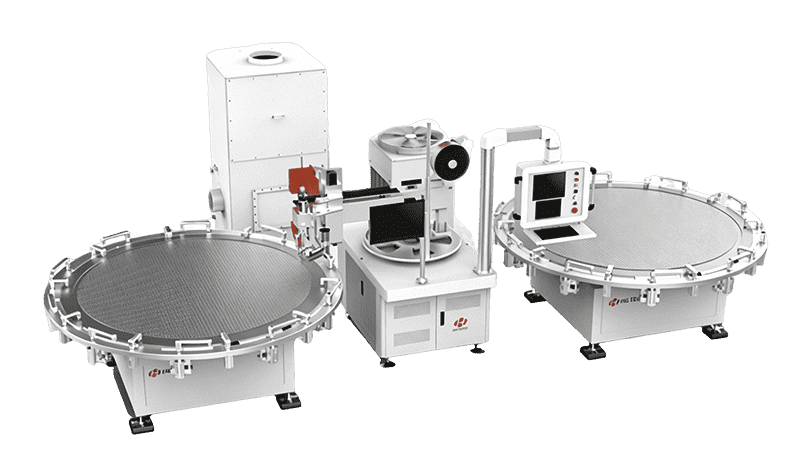
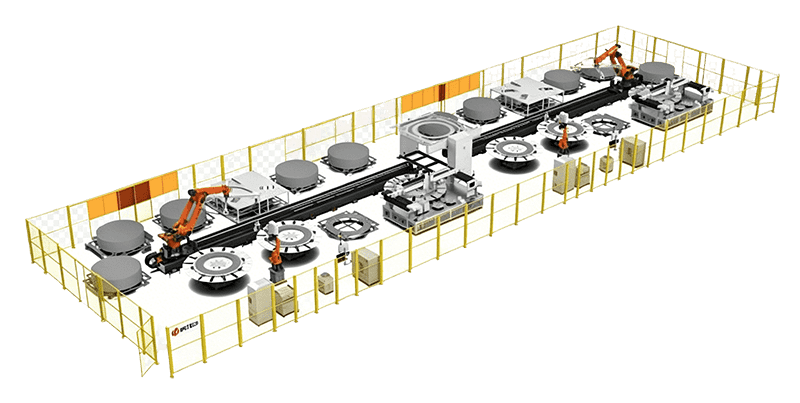
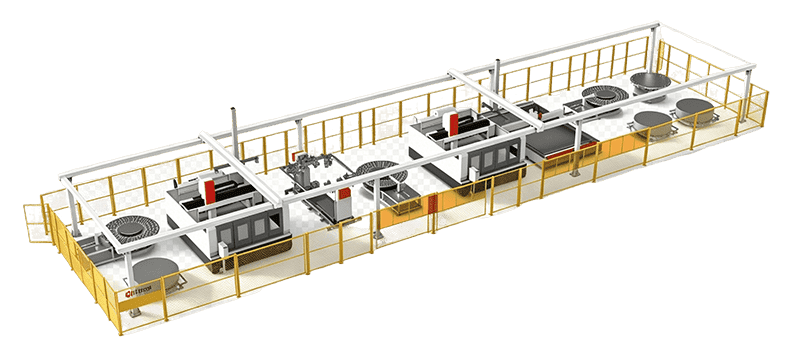
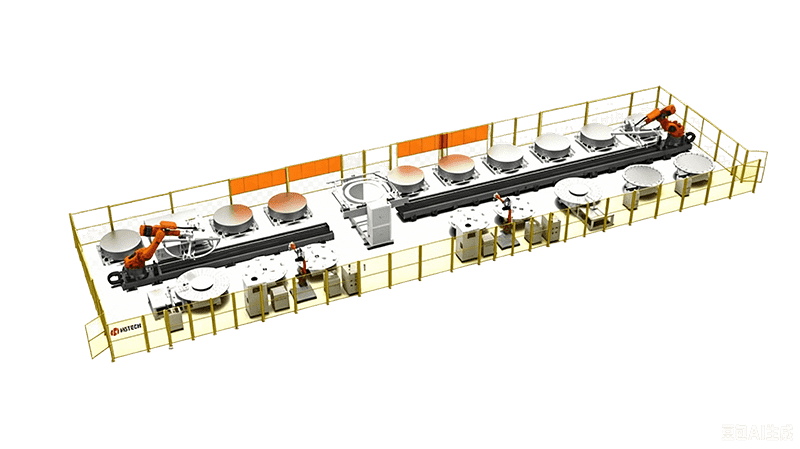
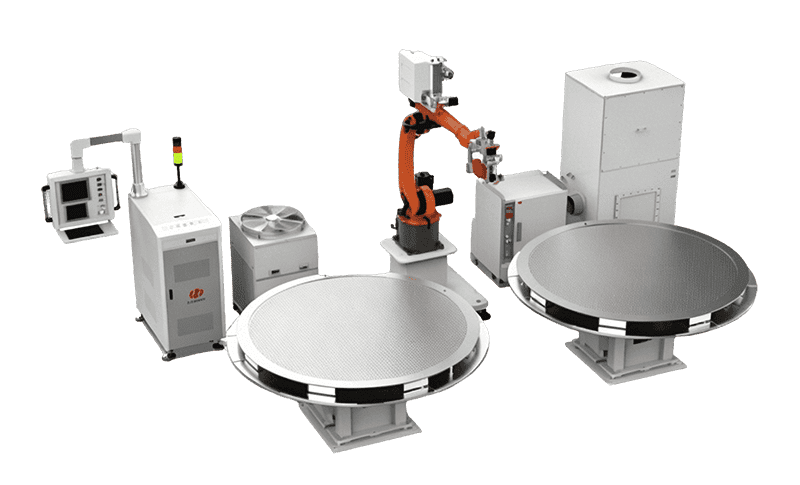
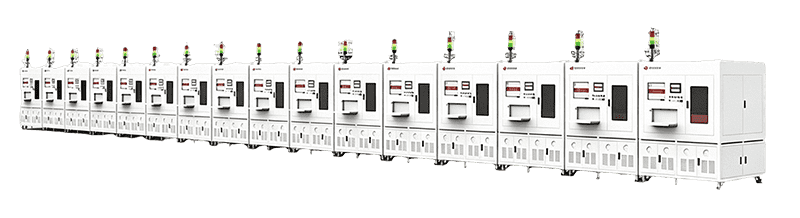
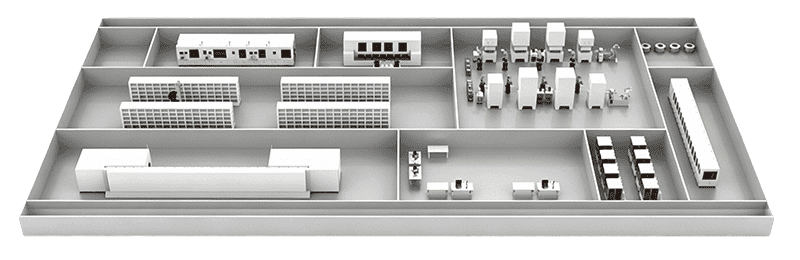
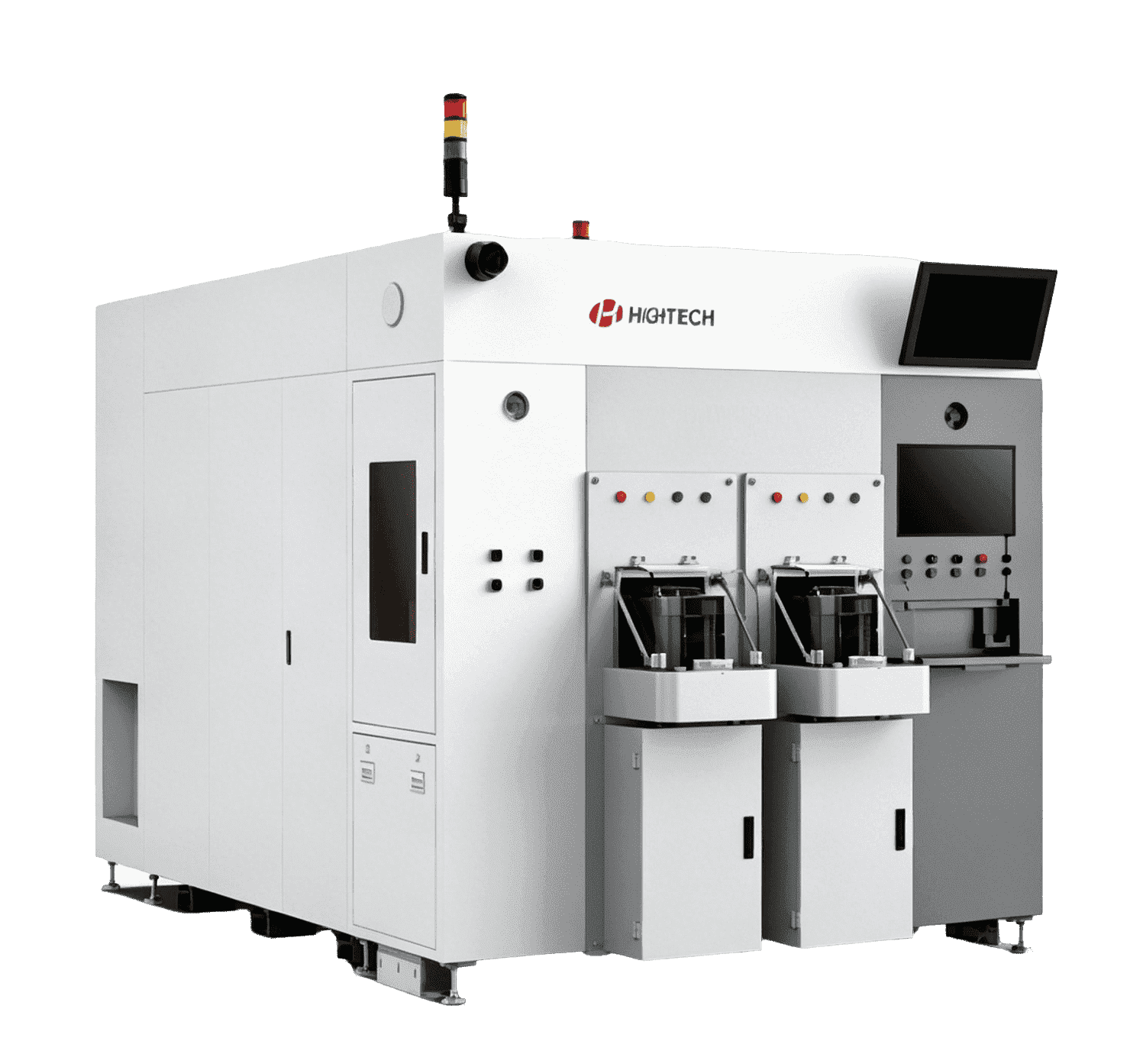
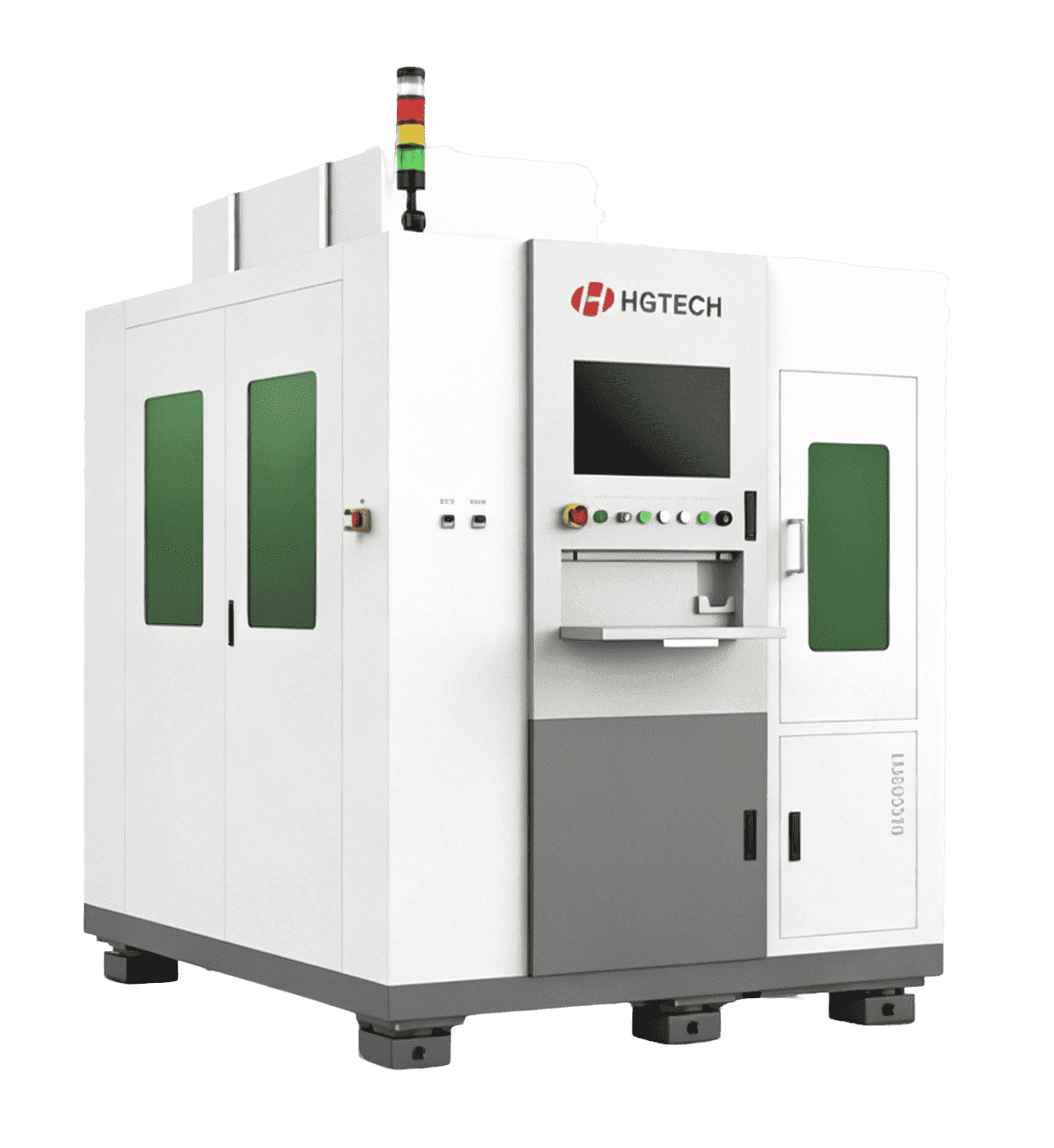
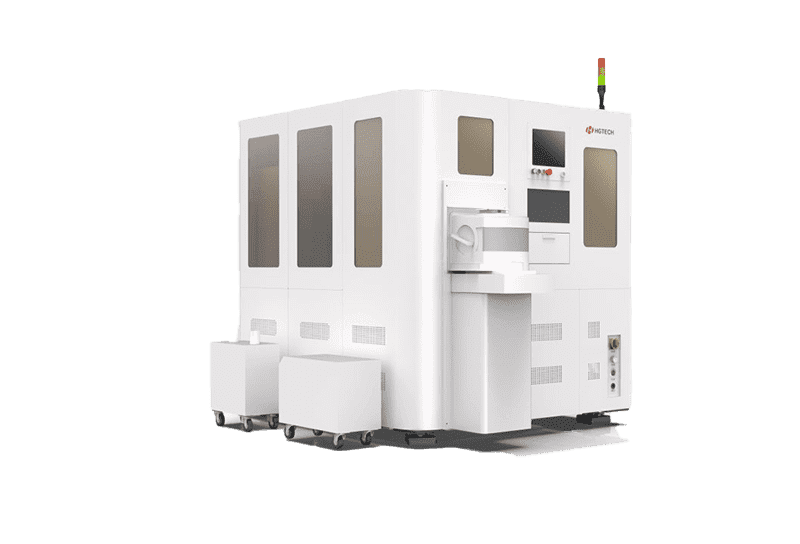
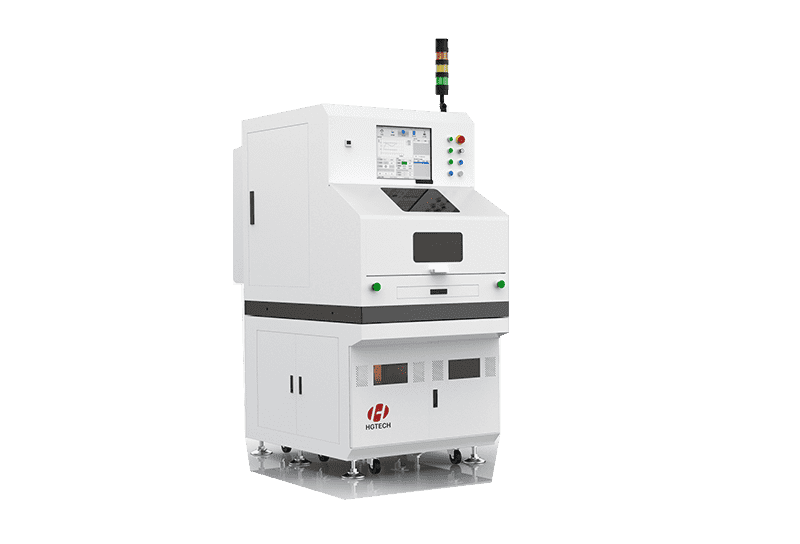
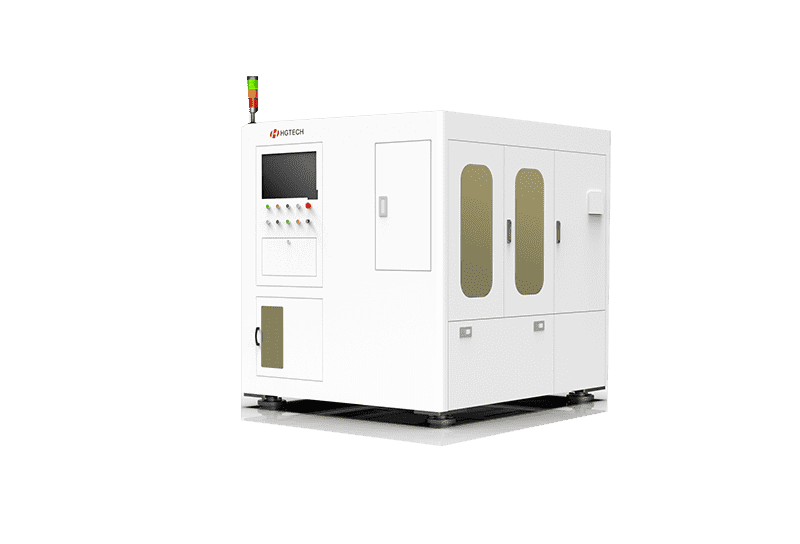
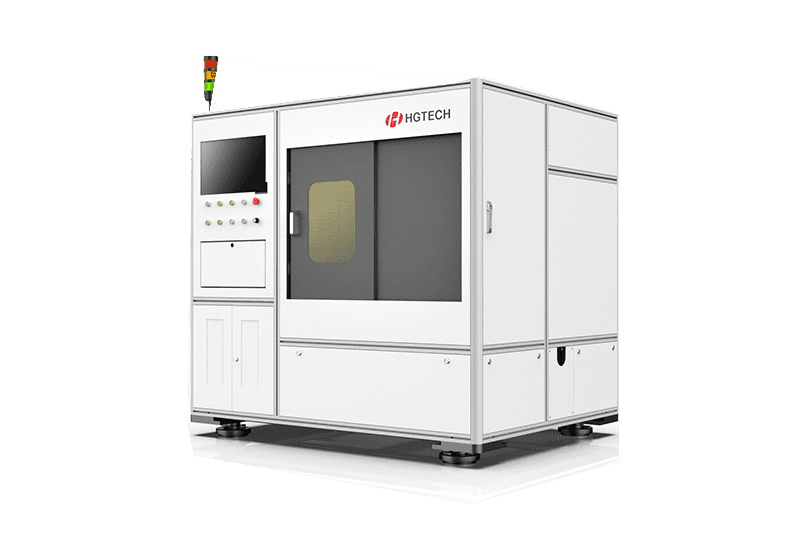
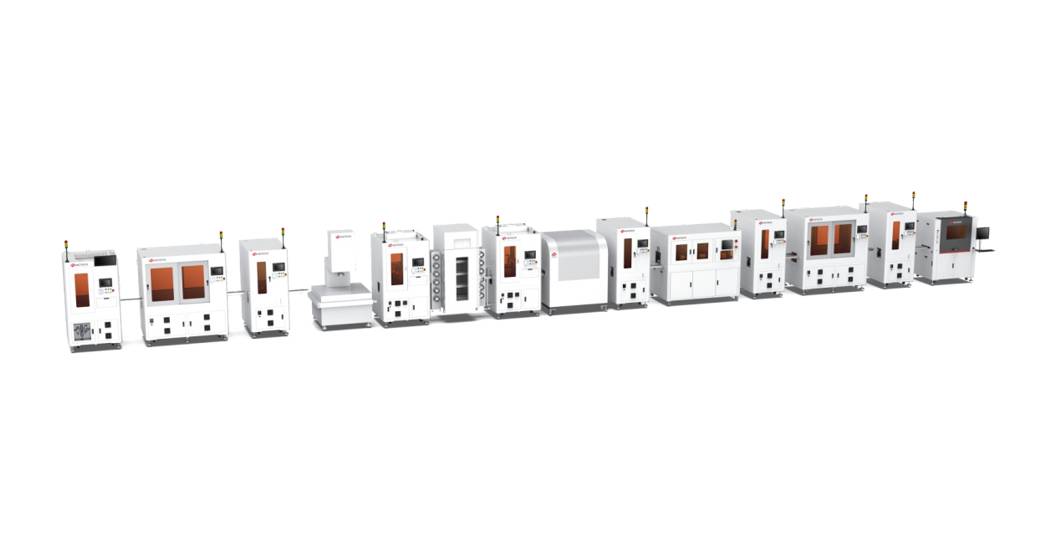
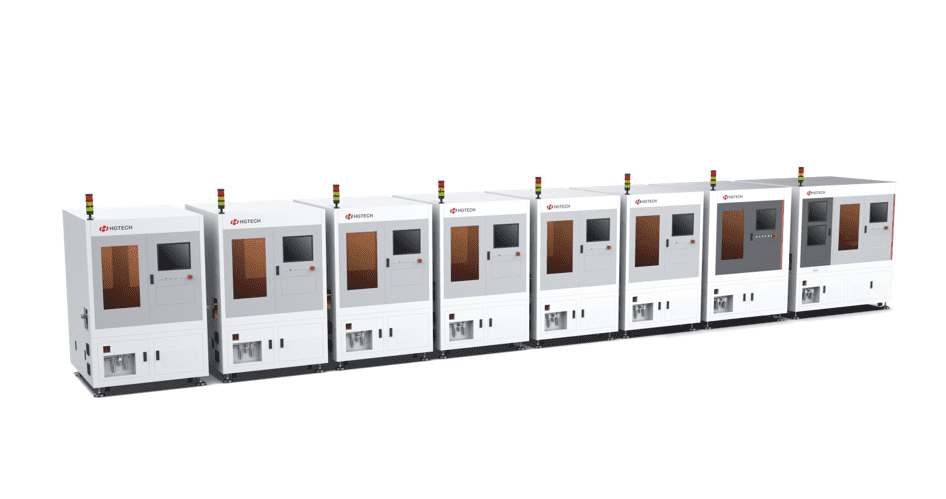
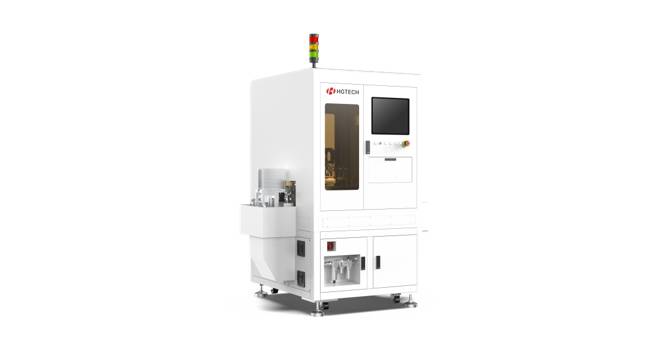
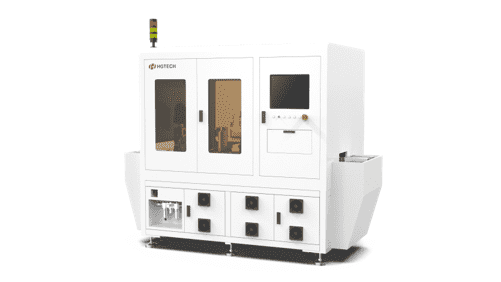
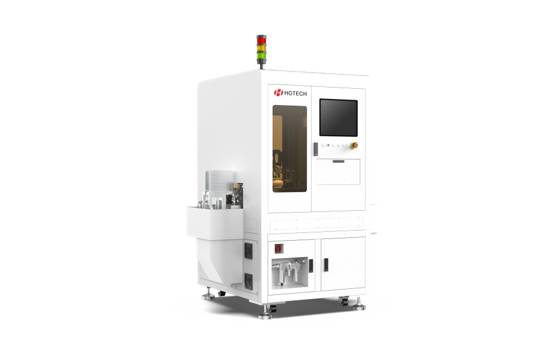
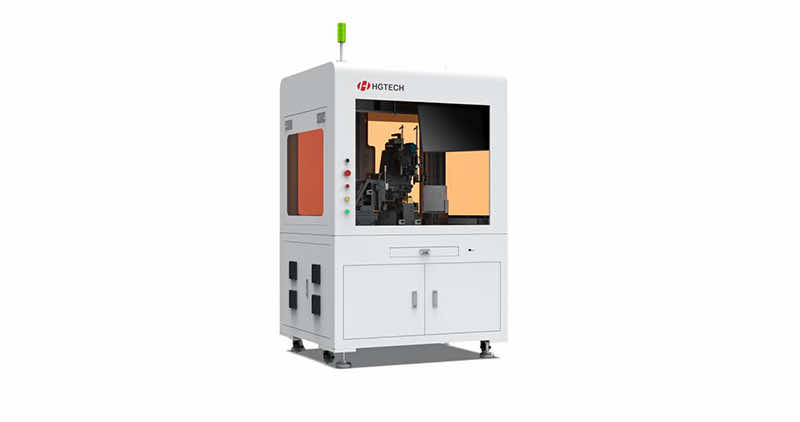
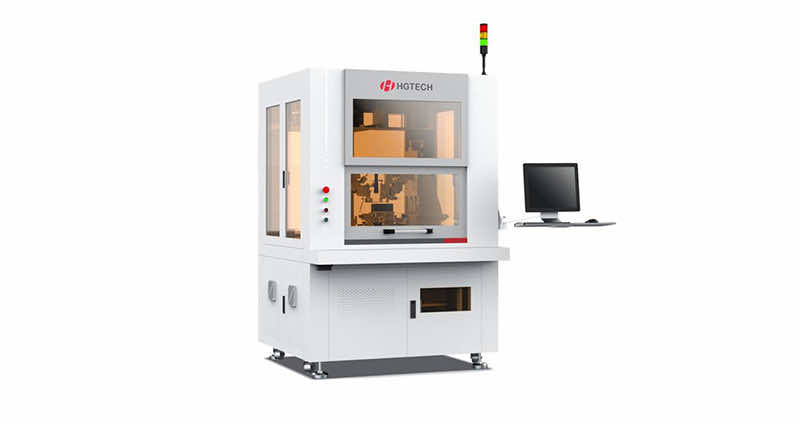
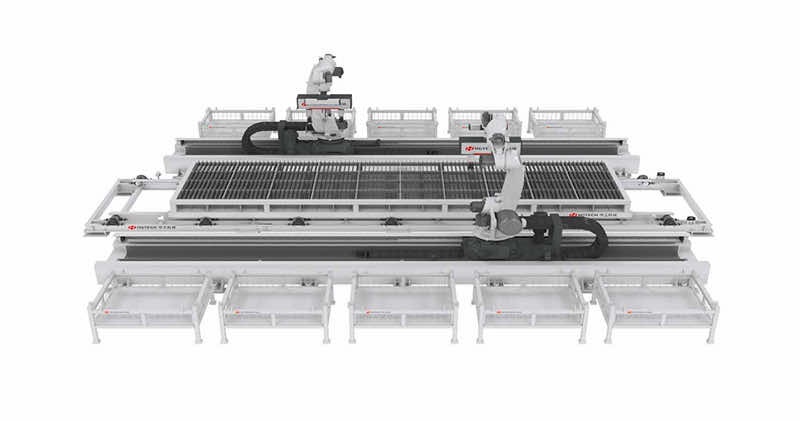
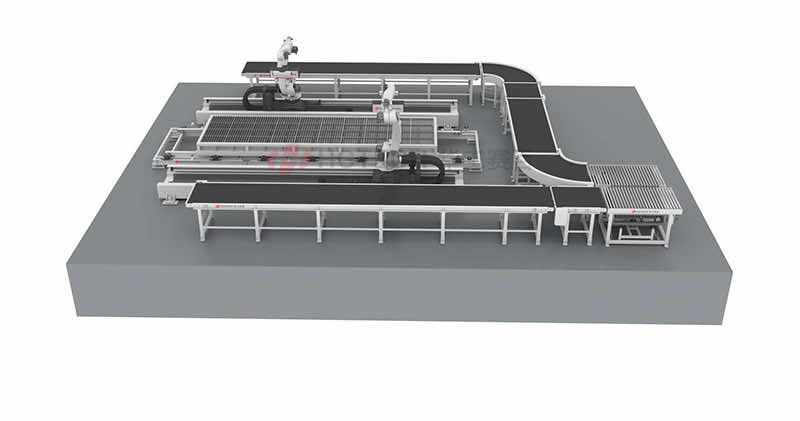
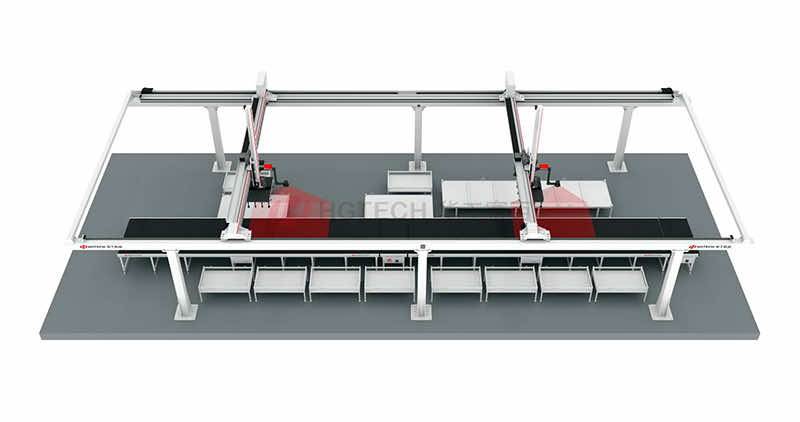
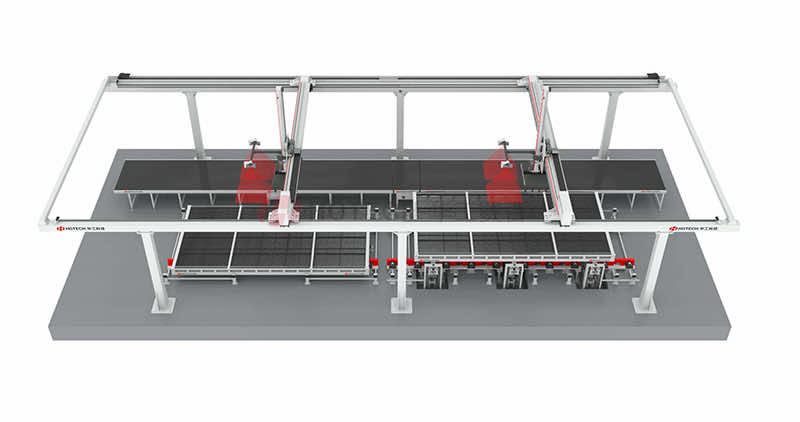
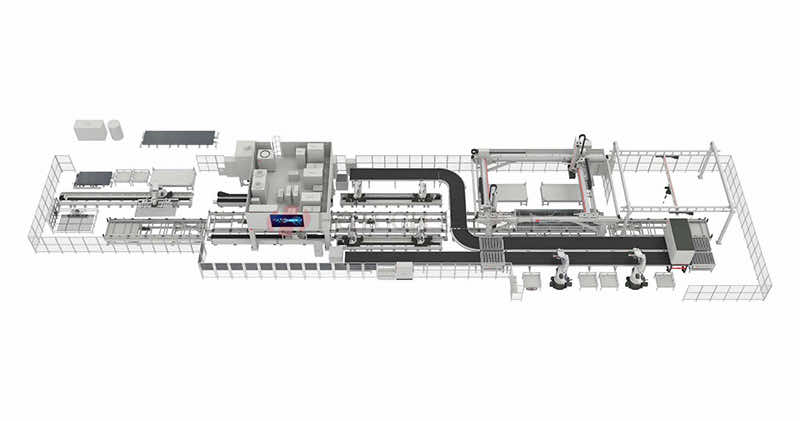
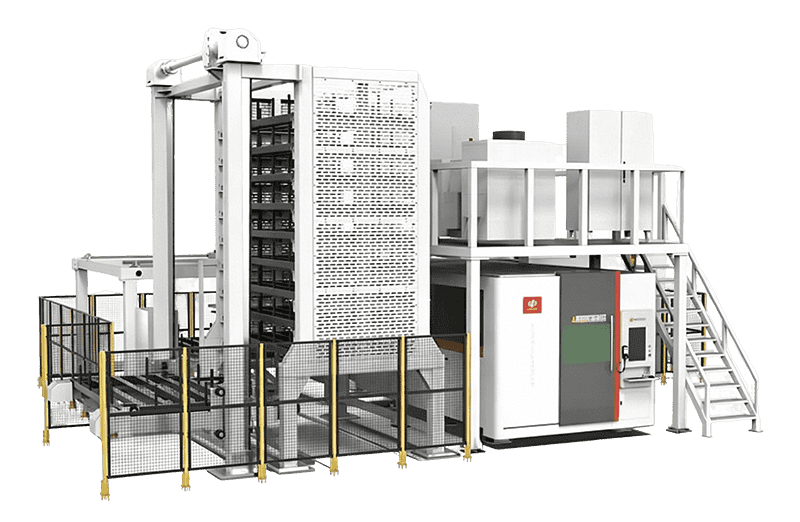
The HGTECH Automotive Integrated Door Ring Laser Welding Intelligent System is specifically designed for automotive door rings and is compatible with welding of Al-Si Coated Steel. The Welding Pass Rate Reaches 99%. It supports both equal-thickness and Tailor-Welded Blank (TWB) welding, improving material utilization by 15% and reducing weight by 20%. Equipped with a fiber optic welding head and Weld Seam Tracking, it supports single/double door ring production and can be expanded with loading/unloading and In-Line Inspection, meeting the High-Takt demands of intelligent manufacturing.
The shift toward integrated laser-welded door rings represents the pinnacle of modern automotive engineering. By combining high-power laser precision with advanced material science, manufacturers can deliver vehicles that are safer, lighter, and more efficient.
Looking to optimize your BIW production line? Our team provides end-to-end laser welding workstations specifically designed for the complexities of automotive hot-stamping steels. Contact us today for a technical consultation or a customized ROI analysis for your facility.
 share
share